
Craft Spirits · Jalisco
Craft Spirits Distilleries in Jalisco
Tour 4 craft spirits distilleries in Jalisco. Each offers visits, tastings or experiences you can book directly — including Casa Herradura, Casa Sauza, Jose Cuervo - La Rojena (Mundo Cuervo).
4distilleries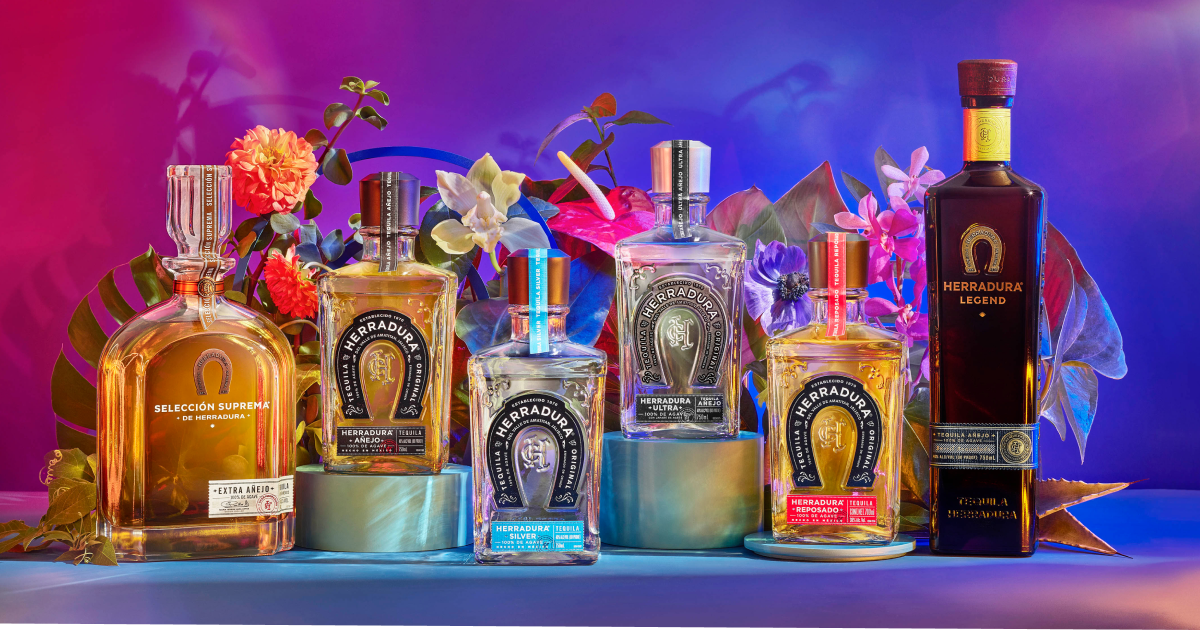
Jose Cuervo - La Rojena (Mundo Cuervo)
Latin America's oldest active distillery
About craft spirits distilleries in Jalisco
Jalisco is the spiritual home of tequila, and craft spirits here means one thing above all: agave. The Mexican state gives its name to both the highland and lowland tequila terroirs, and the UNESCO-listed town of Tequila sits roughly ninety minutes from Guadalajara amid a rolling sea of blue agave. A craft-spirits visit in Jalisco is part agricultural pilgrimage, part history lesson and part tasting marathon. You can walk between several historic distilleries in the town itself, from the cathedral-scaled operations of Jose Cuervo's La Rojeña and Casa Sauza to producers leaning on older, more hands-on methods. The pleasure of the region is the contrast: La Rojeña, founded in 1798, claims to be among the oldest distilleries in the Americas and shows tequila at industrial polish, while smaller houses such as Tequila Cascahuin foreground traditional techniques and family scale. Casa Herradura, set on a former hacienda just outside Amatitán, sits comfortably in the middle, polished yet rooted in place. Across all of them, the through-line is the agave plant, the jimadores who harvest it, and the slow work of turning a spiky desert succulent into a spirit with serious depth.
What makes craft spirits here special
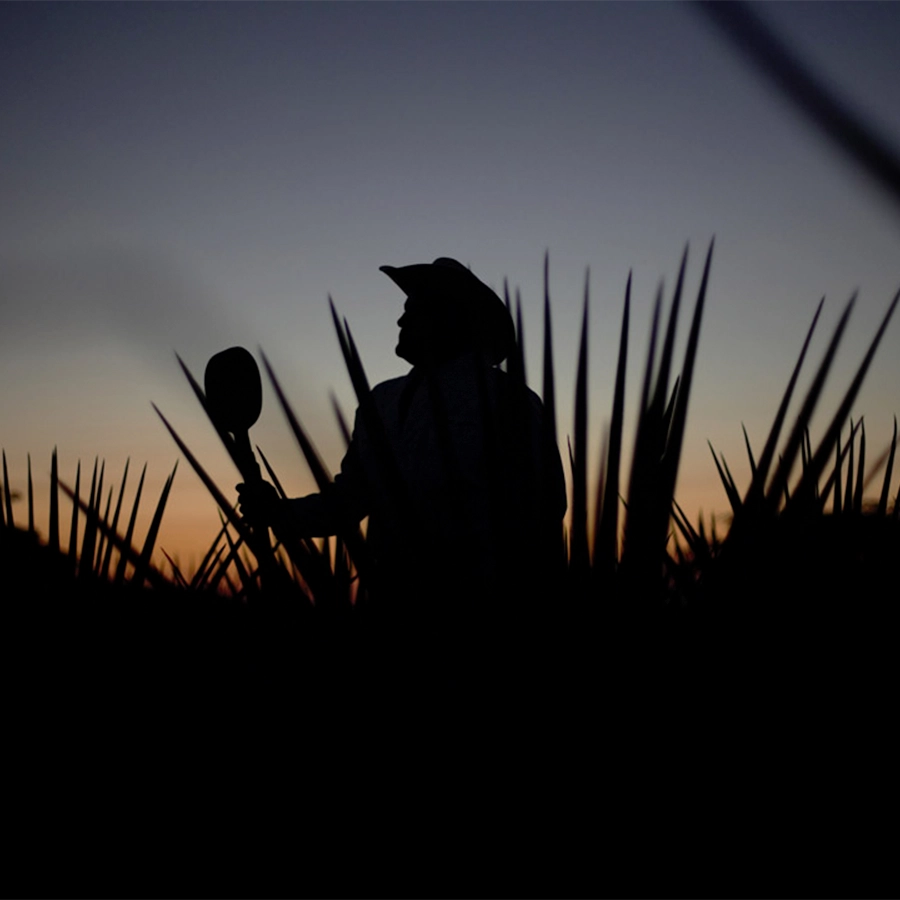
What sets Jalisco apart is denomination of origin and a single, defining raw material. By law, tequila must be made from blue Weber agave grown in designated zones, most of them in Jalisco, and that legal protection has preserved a deep well of craft knowledge. The plants take years to mature before a jimador strips the spiky leaves with a circular blade called a coa, leaving the heavy piña, or heart, that is then cooked, crushed, fermented and distilled. Where producers diverge is in method, and that is the fun of a craft-spirits trip. La Rojeña, Jose Cuervo's flagship within the Mundo Cuervo experience, demonstrates centuries of continuous production at scale. Casa Sauza is known for its own house style, cooking and processing agave in its own distinctive way at La Perseverancia. Casa Herradura keeps the hacienda setting at the heart of its tours, and Tequila Cascahuin is the kind of family producer where traditional, smaller-batch craft is the whole point. Tasting across them in a single trip is the clearest way to understand why no two tequilas taste alike.
What to expect from a craft-spirits tasting
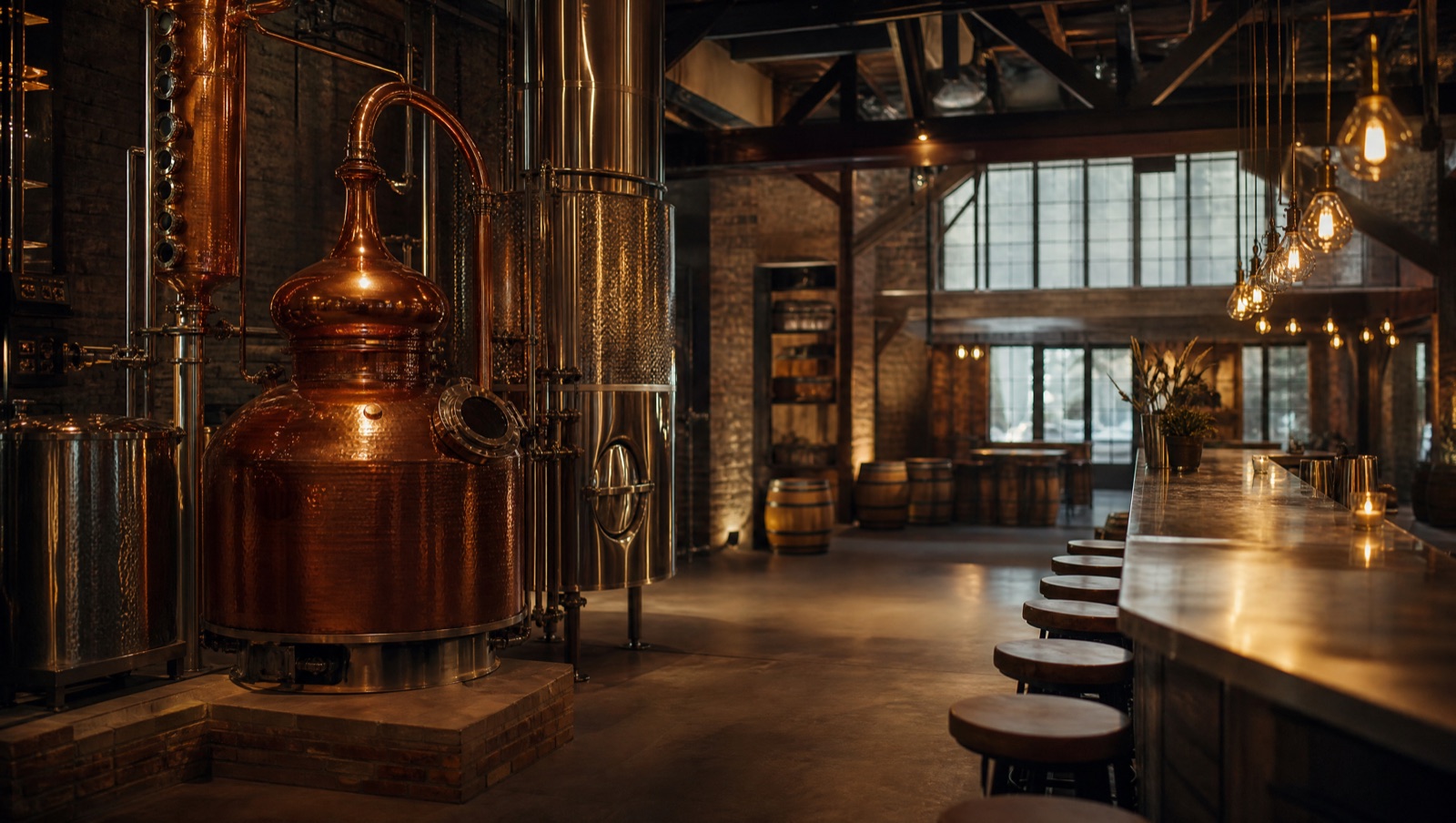
A good Jalisco tasting is structured to teach as much as to please. Most distillery tours walk you through the full arc first, often beginning in the agave fields or a botanical garden, with a jimador demonstrating the jima harvest, before moving to the ovens, the fermentation tanks and the copper or stainless stills. At Casa Sauza you can even plant your own agave and tour the La Constancia maturation cellar; Casa Herradura sets its tour within the old hacienda and its barrel rooms. The tasting itself usually steps through the categories in order of ageing: blanco or silver, then reposado rested in oak, then añejo, sometimes finishing with extra añejo. Expect to be coached on how to nip rather than shoot, savouring the cooked-agave sweetness, pepper and oak. Many tours fold in a sip of fresh agave juice or a cocktail. Larger houses such as La Rojeña offer self-bookable tastings and even the Jose Cuervo Express train; smaller producers like Tequila Cascahuin reward those who seek out a more intimate, conversational session.
Planning your visit
Most visitors base themselves in Guadalajara and make the trip out to Tequila and Amatitán, either by car, organised tour or the tourist train that runs through the agave fields. The town of Tequila is walkable, and several of the headline names cluster within easy reach of one another, so you can pair the scale of Jose Cuervo's La Rojeña or Casa Sauza with something smaller in a single day. Tours at the big houses can usually be booked online or at the door, but weekends get busy, so reserve ahead where you can. Spaces between tastings matter more here than you might expect; tequila is strong and the cooked-agave richness builds, so eat well and pace yourself. The landscape is part of the draw, the blue-grey agave fields being UNESCO World Heritage, so leave time simply to look. If you want a contrast to the famous names, set aside a slot for a family-run producer such as Tequila Cascahuin to see craft tequila on a more human scale.
Frequently asked
- What counts as a craft spirit in Jalisco?
- In practice it means agave spirits, above all tequila, which must by law be made from blue Weber agave grown in protected zones, most of them in Jalisco. The craft lies in how producers harvest, cook, ferment and distil the agave, which is why houses like Casa Herradura, Casa Sauza and Tequila Cascahuin each yield distinctive results.
- Which Jalisco distilleries can I tour?
- Among the listed names, Jose Cuervo's La Rojeña (the heart of the Mundo Cuervo experience), Casa Sauza and Casa Herradura all run established visitor tours, while Tequila Cascahuin offers a more family-scale, traditional experience. The big houses are generally bookable online or at the door.
- How do I get to Tequila country from Guadalajara?
- Tequila town sits roughly ninety minutes from Guadalajara. You can drive, join an organised distillery tour, or take the tourist train that winds through the agave fields, including the Jose Cuervo Express. Once in town, several distilleries are within walking distance of one another.
- What's the difference between blanco, reposado and añejo?
- They describe how long the tequila has rested in oak. Blanco (or silver) is unaged and shows bright cooked-agave character; reposado is rested for a period and picks up gentle oak; añejo and extra añejo are aged longer for deeper, rounder, more spirit-forward flavours. Most tastings step through them in that order.
- How should I taste tequila on a tour?
- Sip rather than shoot. Good tequila is made to be savoured slowly, letting the cooked-agave sweetness, pepper and oak unfold. Guides will often coach you through nosing and small tastes, and many tours include water and food to keep your palate fresh between samples.
- Can I see how agave is harvested?
- Yes. Many tours, including those at Casa Sauza and Casa Herradura, take you into the agave fields where a jimador demonstrates the jima, stripping the spiky leaves with a coa to reveal the heavy piña. Some experiences even let you plant an agave yourself.
- Is one day enough for a craft-spirits trip in Jalisco?
- A day is enough to pair one large historic house with one smaller producer, especially within Tequila town where distilleries cluster together. If you want to slow down, range further into the highlands or add the agave-field train ride, give yourself two days and an overnight nearby.