
Bourbon · New York
Bourbon Distilleries in New York
Tour 8 bourbon distilleries in New York. Each offers visits, tastings or experiences you can book directly — including Widow Jane Distillery, Springbrook Hollow Farm Distillery, Last Shot Distillery.
8distilleries
Springbrook Hollow Farm Distillery
Adirondack foothills farm distillery near Lake George
About bourbon distilleries in New York
Bourbon in New York is a story of revival. Thanks to farm-distillery legislation that encouraged producers to use state-grown grain, New York now has the highest concentration of distilleries of any state east of the Mississippi, and bourbon has become one of its most compelling categories. Far from imitating Kentucky, New York distillers lean into local terroir, heirloom corn varieties and cooler-climate maturation to produce bourbons with their own identity. Brooklyn's Widow Jane is perhaps the best-known name, building its whiskey around limestone mineral water from the historic Rosendale mines and proprietary heirloom corn. Upstate, Coppersea Distilling champions traditional, heritage methods, while Finger Lakes Distilling crafts spirits overlooking Seneca Lake. Add Albany Distilling Company, Black Button Distilling in Rochester, Fort Hamilton Distillery, Last Shot Distillery and Springbrook Hollow Farm Distillery, and you have a category that stretches from city rickhouses to working farms. For visitors, New York bourbon offers something rare: the chance to taste a classic American style reinterpreted through Empire State grain, water and craft.
What makes Bourbon here special
New York bourbon is shaped by its grain and its geography. The state's farm-distillery framework rewards using locally grown corn and cereals, so many producers can trace their mash bills back to nearby fields. Some go further: Widow Jane works with proprietary heirloom corn and prizes limestone mineral water from the Rosendale mines, while Coppersea Distilling is known for heritage, field-to-glass techniques such as floor malting. New York's climate adds another dimension. Cooler winters and warmer summers create a different maturation rhythm to the American South, influencing how the spirit draws character from the barrel. The result is a category with genuine variety, from refined small-batch city bourbons to rustic, farm-rooted expressions. Distilleries such as Black Button, Finger Lakes Distilling and Springbrook Hollow Farm each bring their own interpretation, so tasting across the state reveals just how broad New York bourbon has become.
What to expect from a Bourbon tasting
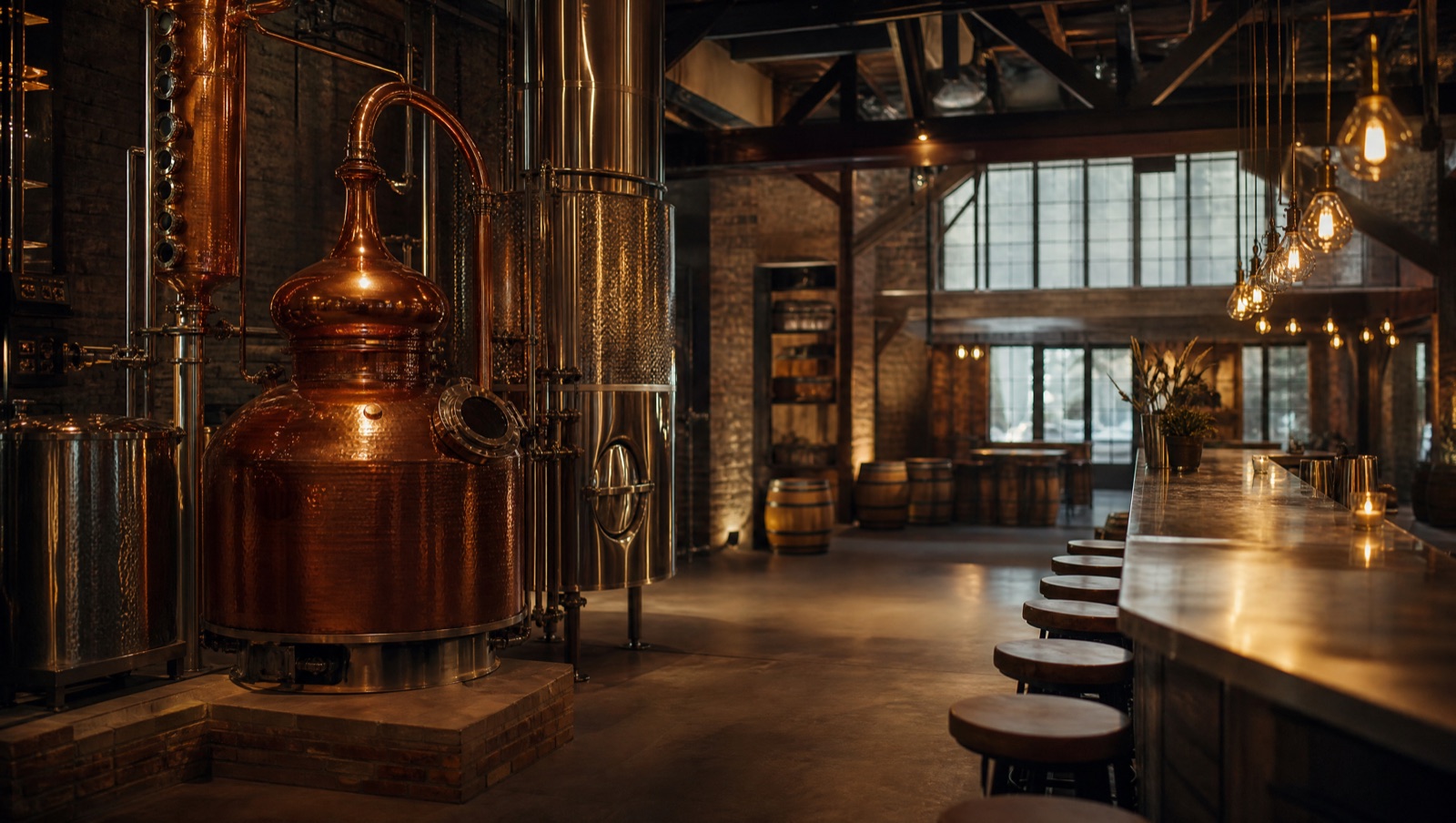
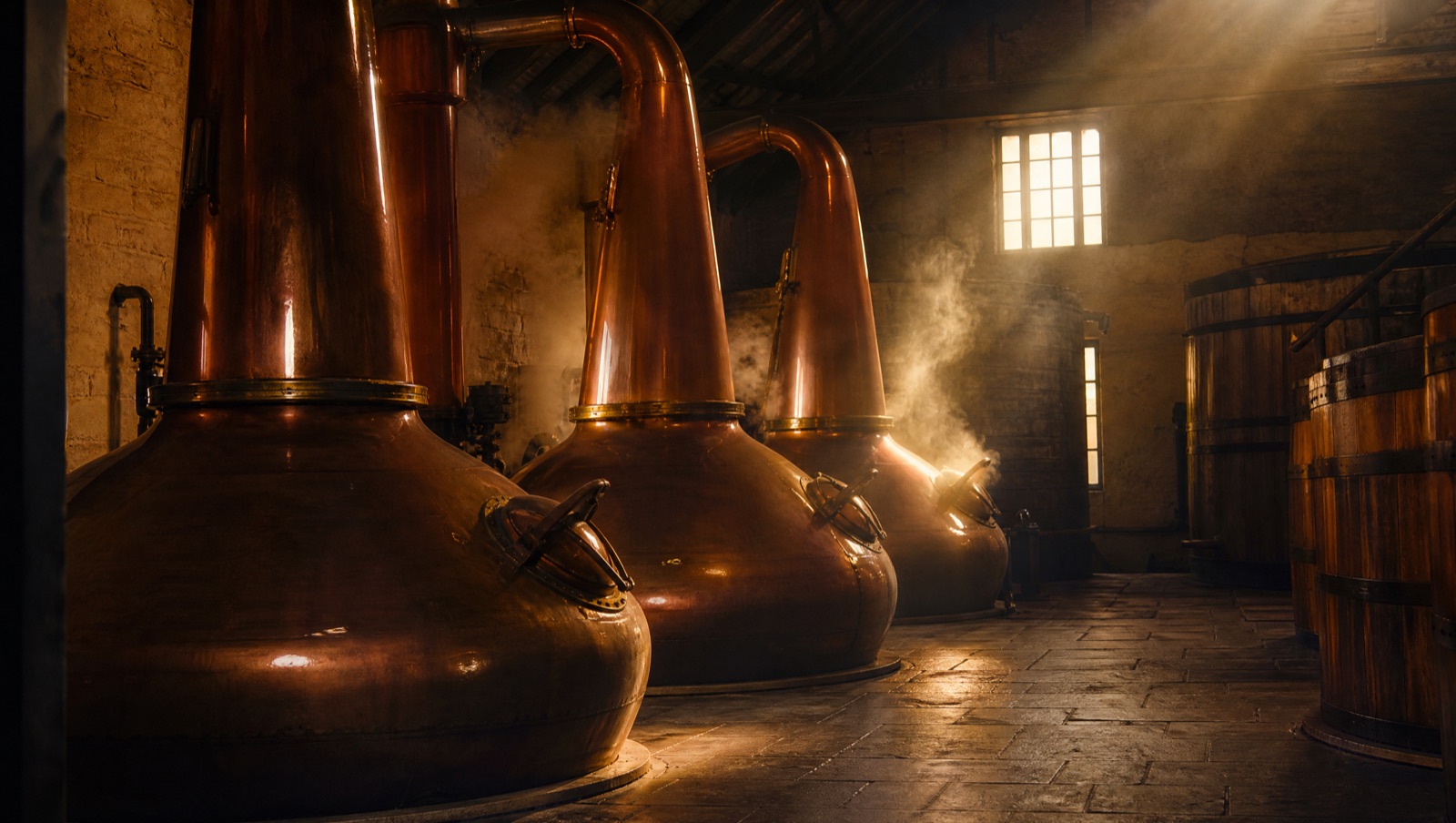
Expect tastings that emphasise provenance. Whether you are in a Brooklyn distillery or a Finger Lakes tasting room, staff tend to talk through the mash bill, the source of the grain and the barrel programme behind each pour. A typical flight might run from a younger, grain-forward bourbon to a longer-aged, oak-driven expression, sometimes alongside a rye for contrast. Several producers welcome visitors for tours that take in the still, fermenters and ageing barrels, and farm distilleries like Springbrook Hollow and Harvest-style operations often set tastings against scenic, rural surroundings. Urban distilleries such as Widow Jane and Fort Hamilton offer a more compact, neighbourhood experience. Across the board, the mood is informed and unpretentious, ideal for learning how local ingredients translate into the glass.
Planning your visit
New York's bourbon producers fall into two broad clusters: New York City and the upstate countryside, especially the Finger Lakes and Hudson Valley. In the city you can pair Widow Jane in Red Hook with Fort Hamilton without much travel. Upstate, base yourself near Seneca Lake to reach Finger Lakes Distilling, or explore the Hudson Valley and Capital Region for Coppersea, Albany Distilling and Springbrook Hollow. Distances upstate can be significant, so plan routes around two or three stops a day and arrange a driver. Many tasting rooms keep seasonal hours, so checking ahead is wise, particularly in the quieter winter months.
Frequently asked
- What makes New York bourbon different from Kentucky bourbon?
- It is defined by local grain and a cooler climate. Many New York distillers use state-grown or heirloom corn under farm-distillery rules, and the region's maturation conditions give the whiskey its own character rather than copying the Kentucky template.
- Which New York distilleries are best known for bourbon?
- Widow Jane in Brooklyn is among the most celebrated. Coppersea Distilling, Finger Lakes Distilling, Black Button Distilling, Albany Distilling Company, Fort Hamilton Distillery, Last Shot Distillery and Springbrook Hollow Farm Distillery are all listed bourbon producers.
- Can I visit bourbon distilleries in New York City?
- Yes. Widow Jane in Red Hook, Brooklyn, and Fort Hamilton Distillery both offer city-based experiences, making it possible to taste New York bourbon without leaving the five boroughs.
- What is a farm distillery?
- A farm distillery operates under New York licensing that encourages the use of state-grown ingredients. It often means the grain in your bourbon was grown locally, sometimes on or near the distillery's own land.
- How far apart are the upstate distilleries?
- They are spread across the Finger Lakes, Hudson Valley and Capital Region. You can comfortably visit two or three in a day within one area, but moving between regions involves longer drives.
- Do tastings include other whiskeys besides bourbon?
- Often yes. Many producers pour rye, gin or other spirits alongside their bourbon, which is a good way to compare styles and understand each distillery's range.