
Craft Spirits · Oaxaca
Craft Spirits Distilleries in Oaxaca
Tour 5 craft spirits distilleries in Oaxaca. Each offers visits, tastings or experiences you can book directly — including Real Minero (Mezcal), Casa Silencio, El Rey Zapoteco (Mezcal).
5distilleries
Real Minero (Mezcal)
Four generations of clay-pot mezcal distillation

El Rey Zapoteco (Mezcal)
Traditional Oaxacan mezcal in the spirit's heartland
About craft spirits distilleries in Oaxaca
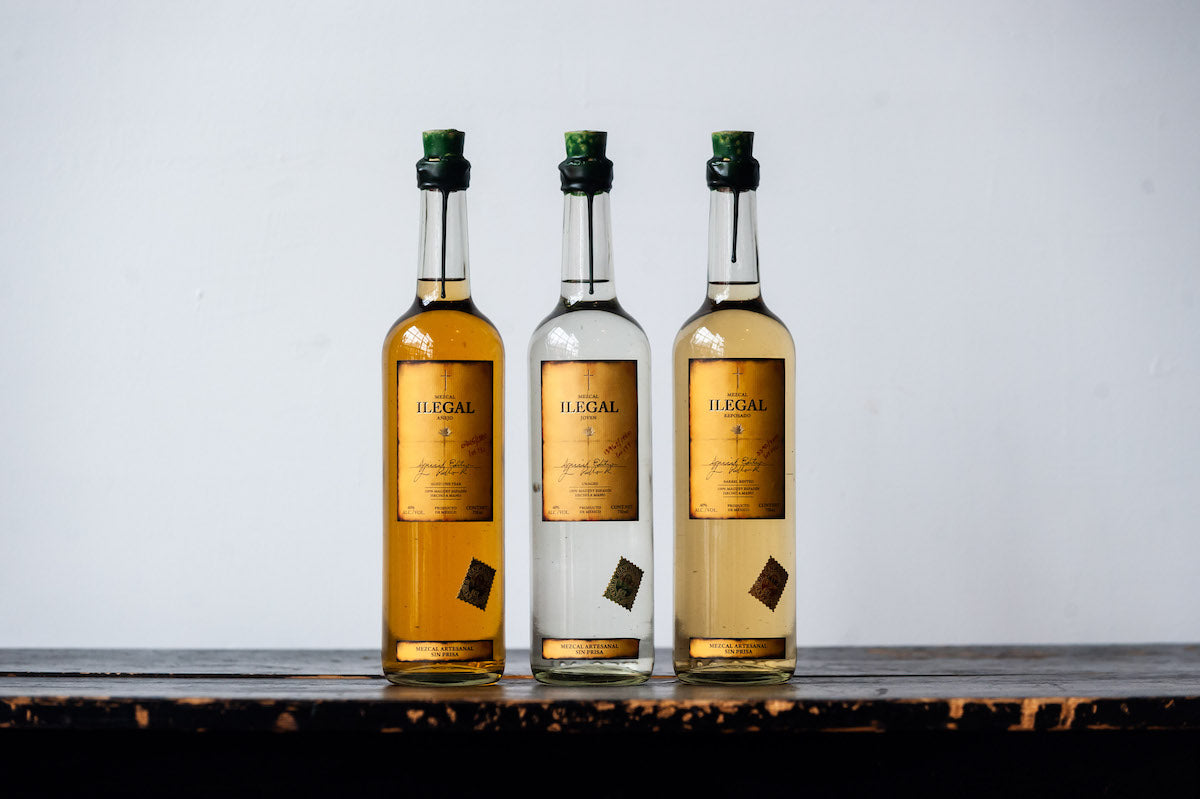
If Jalisco is the home of tequila, Oaxaca is the capital of mezcal, and a craft-spirits trip here feels altogether wilder and more handmade. Mezcal can be distilled from dozens of agave species rather than a single one, and Oaxaca's small family palenques, often clustered in villages like Santiago Matatlán and Santa Catarina Minas, have kept the old methods alive across generations. The signature is smoke, drawn from roasting agave hearts in earth pits, but the real story is variety: espadín, tobalá, tepeztate, mexicano and more, each plant carrying its own character and sometimes decades of slow maturation. The producers gathered here span that spectrum. Ilegal Mezcal works in the Santiago Matatlán valley with espadín; El Rey Zapoteco, a Matatlán house founded in 1960, makes approachable, lightly smoky bottlings; Los Danzantes is dedicated to fully artisanal production; Real Minero, run by the Ángeles family in Santa Catarina Minas, is famed for clay-pot distillation and agave conservation; and Casa Silencio offers a more design-led, hospitality-forward face of mezcal. Visiting is less about gloss and more about sitting with a mezcalero and tasting straight from the still.
What makes craft spirits here special
Mezcal's defining freedom is its raw material. Where tequila uses only blue agave, mezcal can be made from more than forty agave species, many of them wild and slow to mature, some needing well over a decade in the ground. That diversity is the soul of Oaxacan craft spirits, and it is preserved by the palenque, the small, often family-run distillery where centuries of accumulated knowledge live on. The traditional process is unmistakable: agave hearts are roasted in conical earth pits lined with hot stones, which is where the smoke comes from, then crushed, fermented in open vats and distilled, frequently in small copper or even clay pots. Producers like Real Minero in Santa Catarina Minas hold to clay-pot distillation and actively propagate wild agaves to guard against biodiversity loss. Los Danzantes commits to wholly artisanal methods, while El Rey Zapoteco and Ilegal lean on espadín, the workhorse agave, distilled twice in copper. The result is that no two palenques, and often no two batches, taste the same.
What to expect from a craft-spirits tasting
A palenque visit is intimate and unhurried. You will usually see the whole chain in one place: the agave in the field or yard, the smoking roast pit, the wooden mallets or stone tahona used for crushing, the open fermentation tubs and the modest stills. Tastings tend to happen on the spot, often poured from a hose straight off the still into a small jícara or glass, with the mezcalero talking you through each expression. Expect to compare an everyday espadín against rarer agaves like tobalá, tepeztate or mexicano, noticing how smoke, minerality, florals and pepper shift from one to the next. El Rey Zapoteco's espadín, for instance, is known as approachable and lightly smoky, a good orientation point before you reach more idiosyncratic wild-agave bottlings. The unwritten rule is to sip slowly, in tiny measures, kissing the spirit rather than gulping. Many tours pair the mezcal with local food, and Casa Silencio offers a notably polished, hospitality-driven version of the experience for those who want comfort alongside craft.
Planning your visit
Most travellers base themselves in Oaxaca City and head out to the Central Valleys, with Santiago Matatlán often billed as the world's mezcal capital and Santa Catarina Minas prized for its clay-pot tradition. Because palenques are small and frequently family-run, the easiest and most respectful way in is usually a guided mezcal tour, which handles introductions and transport and lets you visit working distilleries you could not easily reach alone. Going with a guide also helps you taste responsibly across several producers in a day without driving. Some names, such as Ilegal, have a presence in Oaxaca City itself, while Casa Silencio offers a more resort-style estate experience. Wherever you go, pace matters: mezcal is full strength and meant to be sipped, so eat well, drink water, and treat the visit as a conversation rather than a checklist. Buying a bottle directly from the mezcalero is both a fine souvenir and a meaningful way to support the families keeping these methods alive.
Frequently asked
- What's the difference between mezcal and tequila?
- Both are agave spirits, but tequila is made only from blue agave, mostly in Jalisco, while mezcal can be distilled from dozens of agave species and is most associated with Oaxaca. Mezcal's hallmark smokiness comes from roasting the agave hearts in earth pits, a method central to the traditional palenques you visit here.
- What is a palenque?
- A palenque is a traditional, usually small and family-operated mezcal distillery. It is where the whole process happens, from roasting and crushing the agave to fermentation and distillation, and where you taste. Producers such as Real Minero and Los Danzantes are known for keeping wholly artisanal palenque methods alive.
- Which Oaxaca producers can I visit?
- Among the listed names, Ilegal Mezcal has a presence around Oaxaca, Casa Silencio offers a polished estate experience, and houses like El Rey Zapoteco, Los Danzantes and Real Minero are rooted in villages such as Santiago Matatlán and Santa Catarina Minas. A guided tour is usually the best way to arrange visits.
- Why do mezcals taste so different from one another?
- Because mezcal can be made from many agave species, each with its own character and maturation time, and because each palenque uses its own roast, crush, fermentation and still. A common espadín tastes quite different from wild agaves like tobalá, tepeztate or mexicano, and even batches vary.
- How should I taste mezcal at a palenque?
- Sip in tiny measures and take your time, often from a small jícara poured straight off the still. The local wisdom is to kiss rather than shoot the spirit, letting the smoke, minerality and florals reveal themselves. Drink water, eat alongside it, and let the mezcalero guide you between expressions.
- Do I need a guide to visit Oaxaca's mezcal distilleries?
- It is strongly recommended. Palenques are small, often rural and family-run, so a guided mezcal tour smooths introductions, arranges transport and lets you taste across several producers responsibly without driving. It also helps you reach traditional distilleries you could not easily find on your own.
- Can I buy mezcal directly from the producers?
- Usually, yes, and it is a lovely way to take home something you have tasted at source while supporting the families behind it. Buying a bottle at the palenque often means getting an expression you will not find easily elsewhere, including small-batch wild-agave releases.