
Craft Spirits · Virginia
Craft Spirits Distilleries in Virginia
Tour 6 craft spirits distilleries in Virginia. Each offers visits, tastings or experiences you can book directly — including Copper Fox Distillery, Filibuster Distillery, Catoctin Creek Distilling Company.
6distilleries
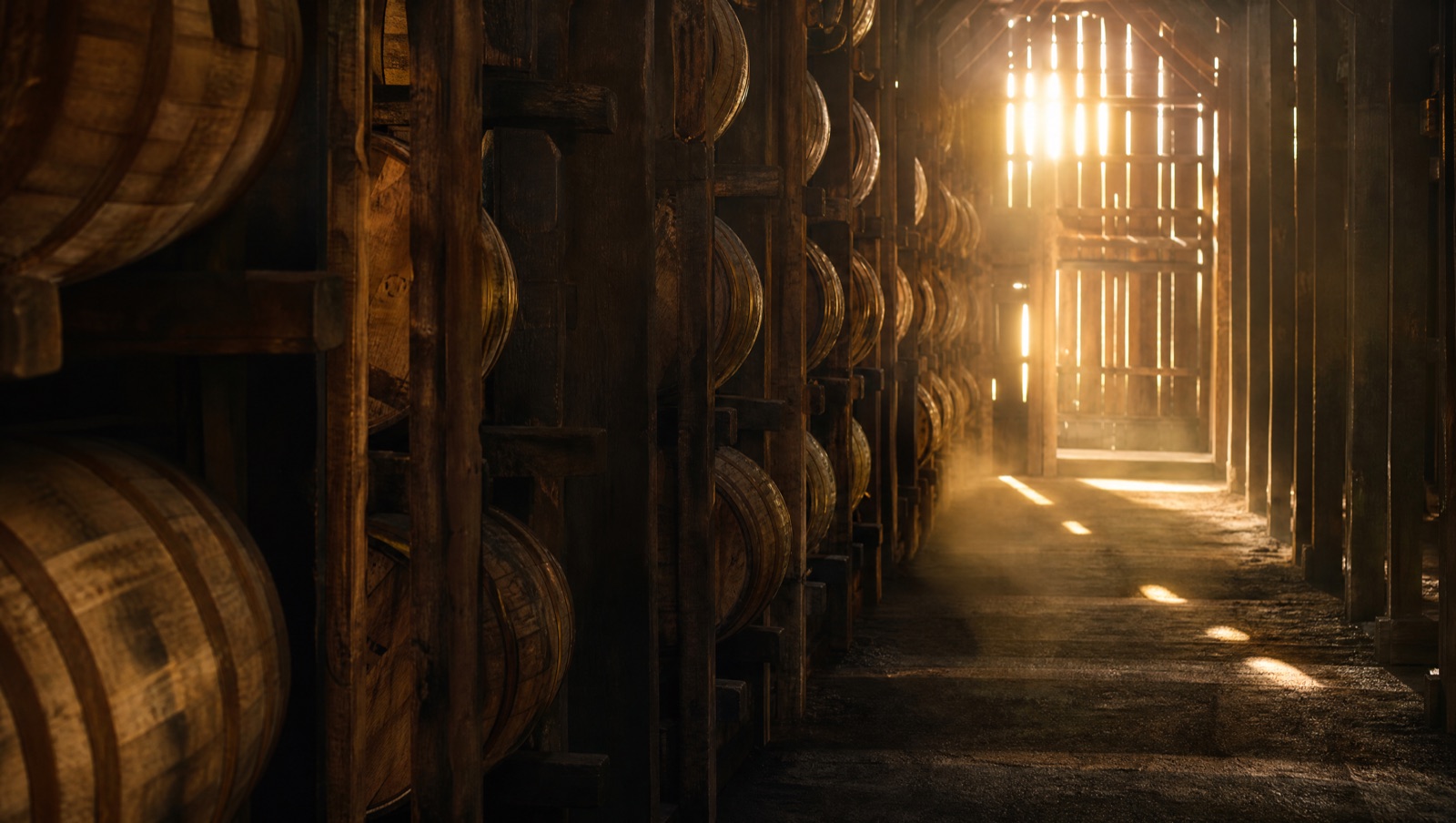
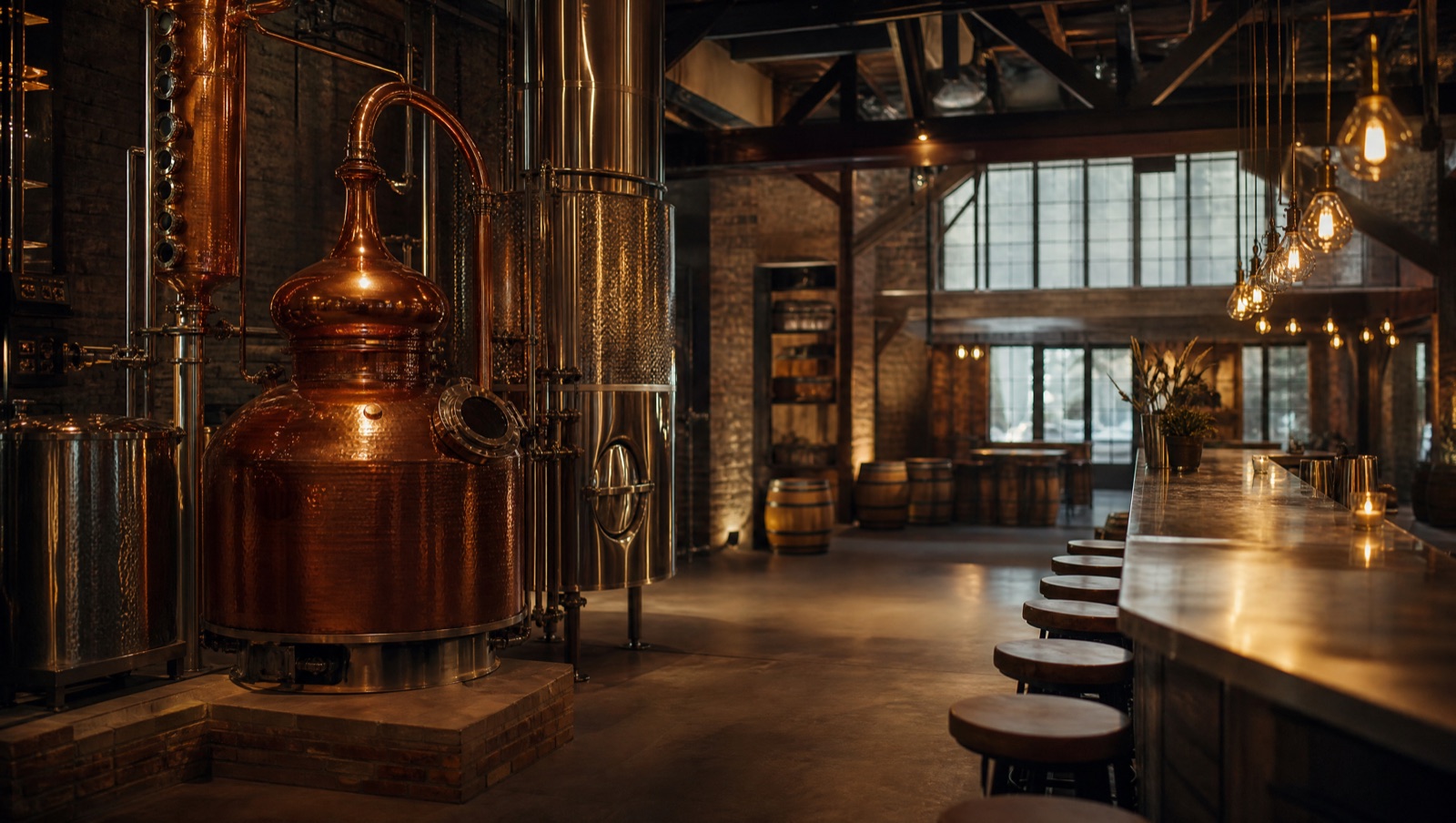
Catoctin Creek Distilling Company
Loudoun County's first legal distillery since Prohibition
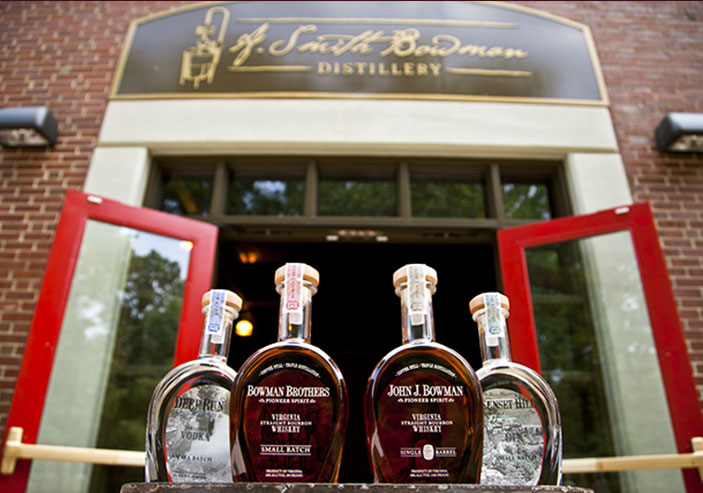
A. Smith Bowman Distillery
Virginia's oldest continuously operating distillery

About craft spirits distilleries in Virginia
Virginia's craft spirits scene is one of the most quietly compelling in the country, built on a long history that some argue makes rye, not bourbon, America's original spirit. The state now counts around six dozen distilleries, and the ones at the front of the pack have national reputations. Catoctin Creek Distilling Company in Purcellville is home to Roundstone Rye, Virginia's most awarded whisky, made from scratch with local and organic grain on a copper pot still and never chill filtered. Copper Fox Distillery, founded by Rick Wasmund, became the first North American distillery since Prohibition to build a traditional malt floor and kiln, hand-malting its own barley and smoking grain with fruitwood. Alongside them sit A. Smith Bowman, Virginia's oldest distillery, plus innovative names like Reservoir Distillery, Filibuster Distillery and Spirit Lab Distilling. The unifying thread is craft in the literal sense: floor malting, from-scratch grain-to-glass production, local sourcing and a leading role in the broader revival of American rye. This guide looks at what makes Virginia craft spirits special, how a tasting tends to flow and how to plan a route across a state where producers are spread far and wide.
What makes Craft Spirits here special
Virginia's calling card is rye, and the way it is made. The state has been central to rye whisky's modern revival, and producers lean into that heritage with serious craft credentials. Catoctin Creek makes its flagship Roundstone Rye entirely from scratch using local, organic grain, sometimes blending several rye strains, distilling on a genuine copper pot still and skipping chill filtration. Copper Fox goes further back into the process, operating one of only a handful of malting floors in the United States, hand-malting barley and infusing grain with fruitwood smoke before ageing with fruitwood chips, a method without a true parallel elsewhere. Add the historic weight of A. Smith Bowman and the experimental streak of Reservoir Distillery, Filibuster Distillery and Spirit Lab Distilling, and you have a category defined by hands-on production and local ingredients rather than scale. Many distillers emphasise organic and locally grown grain and fruit, making provenance a genuine part of the story rather than a marketing line.
What to expect from a Craft Spirits tasting
Tastings here are detailed and process-driven, because so much of what makes Virginia craft spirits distinctive happens before the spirit ever hits the glass. At Copper Fox, expect the conversation to centre on floor malting and fruitwood smoking, which you can sometimes see in action; at Catoctin Creek, on copper-pot distillation, rye strains and the decision not to chill filter. Flights typically span the producer's range, so you might taste rye alongside gin, brandy or other spirits to understand a distillery's full character. Pours are usually neat first to read grain and wood, with cocktails or simple serves to follow. Because these are craft operations, you are often poured by someone with hands-on knowledge, and questions about grain sourcing, malting and ageing are welcomed. The emphasis throughout is on understanding the from-scratch process, so allow time to absorb it rather than rushing a quick flight.
Planning your visit
Virginia's craft distilleries are spread widely, so geography should shape your plans. Catoctin Creek sits in Purcellville in the north, within reach of the wider Washington DC orbit, while Copper Fox operates locations including Sperryville and Williamsburg, and A. Smith Bowman, Reservoir, Filibuster and Spirit Lab fill in around Fredericksburg, Richmond and beyond. With producers this dispersed, it is more rewarding to focus on a cluster, such as the northern Virginia rye country, than to chase the whole state in one trip. A car is essential and a designated driver strongly advised given how generous craft flights can be. Check opening hours and whether tours need booking, as smaller distilleries may keep limited or weekend-weighted schedules. Virginia's craft-spirits stops pair naturally with the state's wine and cider scene, historic towns and rural countryside, so build a relaxed itinerary that leaves room to linger over the process.
Frequently asked
- What is Virginia best known for in craft spirits?
- Rye whisky. Virginia has been central to the modern rye revival, and Catoctin Creek's Roundstone Rye is the state's most awarded whisky. Many producers also champion from-scratch, grain-to-glass production using local and organic ingredients.
- What makes Copper Fox Distillery unusual?
- Copper Fox was the first North American distillery since Prohibition to build a traditional malt floor and kiln. It hand-malts its own barley, smokes grain with fruitwood and ages spirit with fruitwood chips, a process with few parallels in the United States.
- Which distilleries should I prioritise?
- Catoctin Creek Distilling Company for award-winning rye, Copper Fox Distillery for its floor malting and fruitwood method, and A. Smith Bowman as the state's oldest distillery. Reservoir Distillery, Filibuster Distillery and Spirit Lab Distilling add further craft range.
- Are Virginia craft spirits made from local ingredients?
- Frequently, yes. Several producers, Catoctin Creek among them, make spirits from scratch using local and organic grain and fruit, and Copper Fox malts its own barley. Provenance and hands-on production are core to the state's craft identity.
- How spread out are the distilleries?
- Quite spread out. They range from Purcellville and northern Virginia down to Fredericksburg, Richmond, Sperryville and Williamsburg. Focusing on one cluster per trip, such as the northern rye country, is more rewarding than trying to cover the whole state.
- Do I need to book a tour?
- Often it is wise to. Smaller craft distilleries may keep limited or weekend-weighted hours and some experiences require booking, so confirm current opening times and reservation requirements before you set out.