
Craft Spirits · Greece
Craft Spirits Distilleries in Greece
Tour 8 craft spirits distilleries in Greece. Each offers visits, tastings or experiences you can book directly — including Tsililis Distillery & Estate, Dorodouli Tsipouro & Spirits Distillery, EVA Distillery.
8distilleries

Dorodouli Tsipouro & Spirits Distillery
Premium tsipouro and food pairing near Thessaloniki

About craft spirits distilleries in Greece
Greece's craft-spirits scene is rooted in centuries of tradition and tied closely to the table. The headline spirits are grape distillates — tsipouro and its Cretan cousin tsikoudia — produced from grape pomace and traditionally enjoyed in endless rounds alongside meze. Anise-scented ouzo is the better-known export, but across the mainland and islands you will find an extraordinary range of distillates and liqueurs, including the resinous mastiha of Chios and the citron-based kitron of Naxos. Family distilleries carry this heritage forward: Stoupakis Chios Distillery, founded in 1900, is celebrated for its mastiha and ouzo; Tsililis Distillery & Estate has become one of Greece's leading tsipouro names; and Karonis Distillery in Nafplio has produced ouzo, tsipouro and mastiha for well over a century. Others — Avantes, Dorodouli, EVA, Callicounis and Kardasis — add regional voices from across the country. What unites them is a sense of place: spring water, local grape varieties, foraged aromatics and the warmth of family-run hospitality. For visitors, a Greek craft-spirits tour is as much a cultural and culinary experience as a tasting.
Craft Spirits: styles & how they're made
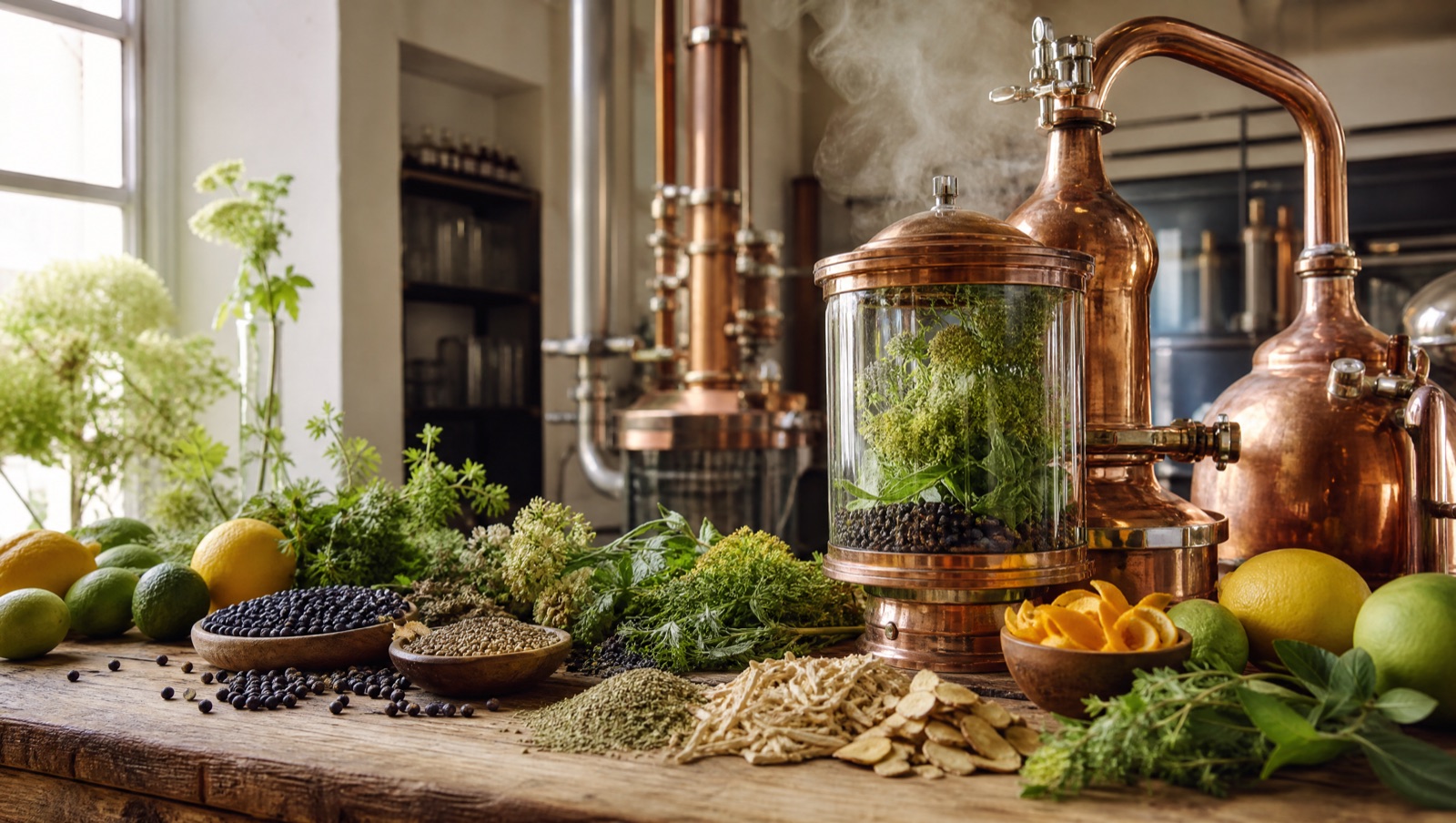
The backbone of Greek craft spirits is the grape distillate. Tsipouro (and tsikoudia in Crete) is distilled from grape pomace — the skins, seeds and stems left after winemaking — in copper stills, and may be made with or without anise. Ouzo follows a similar distilling tradition but is defined by its dominant aniseed character, turning cloudy white when water is added. Beyond grapes, Greece is rich in aromatic distillates: mastiha draws on the resin of the mastic tree, which grows only on the southern part of Chios, giving Stoupakis Chios Distillery its signature speciality, while Naxos is known for kitron made from citron leaves. Producers like Tsililis Distillery & Estate have built reputations on single-variety bottled tsipouro, and houses such as Karonis, Callicounis, Kardasis, Avantes, Dorodouli and EVA each express their own regional grapes, water and botanicals. The craft lies in the cut, the choice of grape and the careful use of local aromatics rather than in long cask ageing.
Where to taste Craft Spirits in Greece
Tsipouro country runs through the mainland, with Tyrnavos and the Volos area especially renowned — Volos is famous for its tsipouradika, taverns where each small bottle arrives with a fresh plate of meze. Tsililis Distillery & Estate sits within this Thessalian heartland and is a natural anchor for a tasting trip. In the Peloponnese, Karonis Distillery in Nafplio offers a long family heritage across ouzo, tsipouro and mastiha, with the historic town itself a lovely base. For something island-flavoured, Stoupakis Chios Distillery is the place to explore mastiha at its source. Across other regions, Avantes, Dorodouli Tsipouro & Spirits Distillery, EVA Distillery, Callicounis Distillery and Kardasis Distillery showcase local styles. Tastings are typically generous and informal, often paired with small bites, reflecting the spirits' deep connection to Greek food culture.
What to expect on a tour & planning a trip
A Greek distillery visit is warm and personal, frequently led by the family that owns it. Expect to see the copper stills, learn how pomace or resin becomes spirit, and taste several expressions — usually accompanied by meze, because these drinks are made to be enjoyed at the table. Some experiences lean educational, others feel like being welcomed into a family business. Plan your trip around regions: Thessaly (Tyrnavos and Volos) for tsipouro and tsipouradika culture; the Peloponnese around Nafplio for Karonis; and the islands, with Chios for mastiha and Naxos for kitron. Many distilleries are best reached by car, and ferries open up the island producers. Spring and autumn are comfortable seasons, while late summer aligns with harvest energy in the wine and pomace regions. As always, arrange a driver or pace yourself, since tastings tend to be sociable and unhurried.
Frequently asked
- What are the main Greek craft spirits?
- The headline spirits are grape distillates — tsipouro on the mainland and tsikoudia in Crete — alongside anise-led ouzo. Greece is also known for aromatic specialities like mastiha from Chios and kitron from Naxos.
- What is the difference between tsipouro and ouzo?
- Both are distilled in the same tradition, but tsipouro is a grape-pomace distillate that may be made with or without anise, while ouzo is defined by its dominant aniseed character and turns cloudy when water is added.
- Where is the best place to experience tsipouro culture?
- Thessaly is the heartland. Tyrnavos is celebrated for bottled tsipouro and Volos for its tsipouradika, where each small bottle arrives with a plate of meze. Tsililis Distillery & Estate is a strong anchor for a visit.
- Can I visit a mastiha distillery?
- Yes — mastiha comes from the mastic tree grown only on southern Chios, and Stoupakis Chios Distillery, founded in 1900, is a renowned place to explore it at its source.
- Are tastings paired with food?
- Very often. Greek craft spirits are made to be enjoyed at the table, so tastings are typically accompanied by meze, especially in the tsipouradika tradition of Volos.
- How do I get around to the distilleries?
- A car is the most flexible way to reach mainland producers like Tsililis and Karonis, while ferries connect the island distilleries on Chios and Naxos.
- When is the best time to go?
- Spring and autumn offer the most comfortable weather, while late summer brings harvest energy to the grape regions. Many family distilleries welcome visitors year-round, but it is worth checking ahead.