
Distillery tours
Distillery Tours in Greece
Plan a distillery tour in Greece: 8 distilleries to visit, with tastings and experiences you can book directly. Expect Craft Spirits, Gin, Rum and more. Highlights include Tsililis Distillery & Estate, Dorodouli Tsipouro & Spirits Distillery, EVA Distillery.
8distilleries

Dorodouli Tsipouro & Spirits Distillery
Premium tsipouro and food pairing near Thessaloniki

About distillery tours in Greece
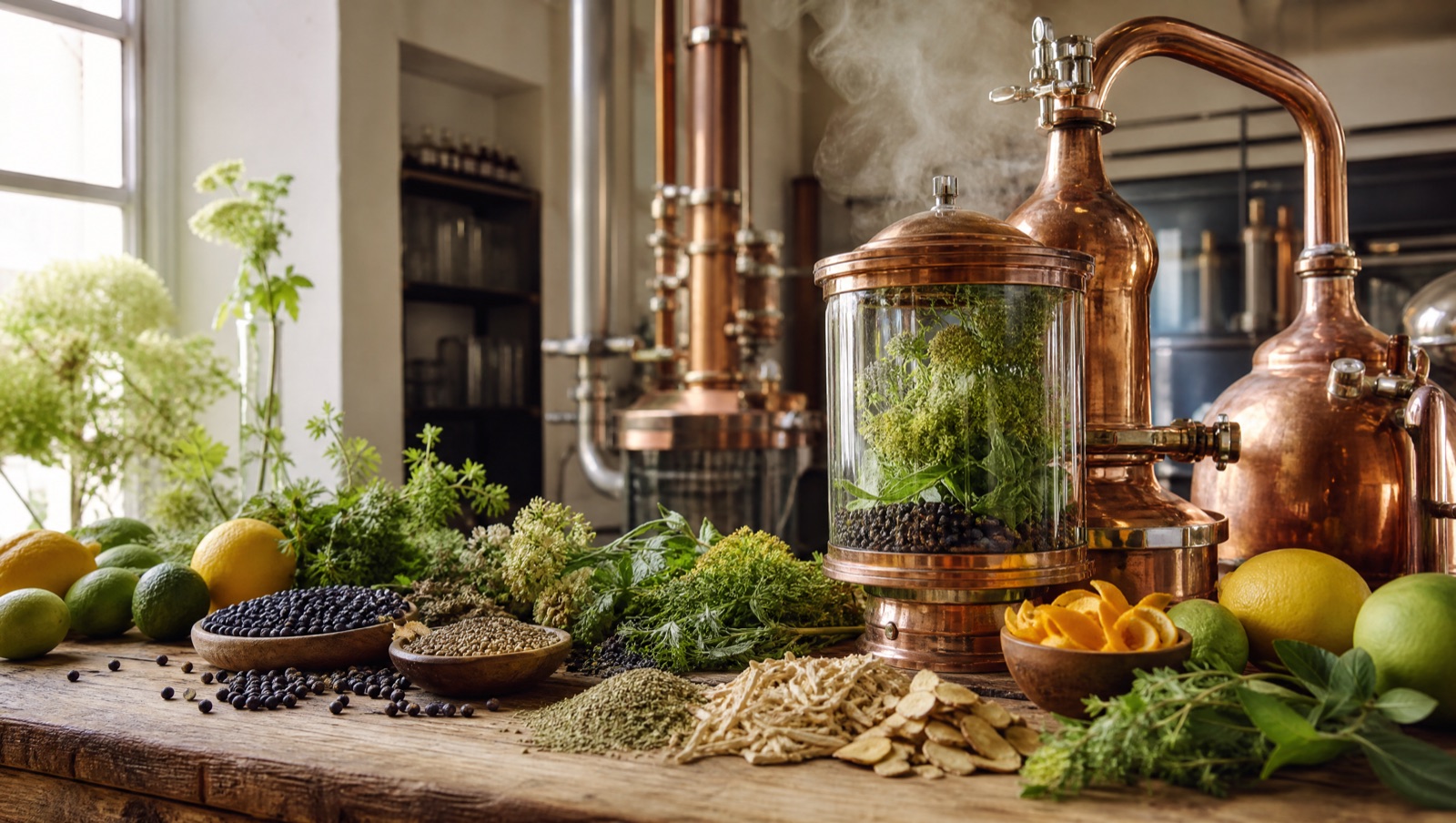
Greece's distilling story is really two stories pouring from the same still. Along the islands and coast you'll find ouzo, the clear anise spirit that turns milky-white the moment water meets it; inland, in the villages of Thessaly and the north, the spotlight falls on tsipouro, a grape-pomace distillate that can be left clean and grappa-like or scented with anise. Add the mastic-resin liqueurs of Chios and a scattering of regional liqueurs, and you have one of Europe's most distinctive and least-templated drinking cultures. Much of the production remains in family hands, passed down across three and four generations, which gives a visit here an unhurried, almost domestic feel. The directory gathers names that span this spread, from Stoupakis Chios Distillery on its mastic island and Tsililis Distillery & Estate in the tsipouro heartland of Tyrnavos, to Karonis and Kardasis in the Peloponnese. Tours tend to be intimate rather than industrial, and the warmest welcomes often come in autumn, when the grape harvest fires up the copper cauldrons and the whole calendar bends towards distilling.
Top regions to explore
Think of Greece in distilling bands. The North Aegean islands, Lesvos chief among them, are ouzo's spiritual home, while neighbouring Chios adds the rare aromatic mastiha that grows nowhere else in the world; Stoupakis Chios Distillery is the natural anchor for this corner. Inland, Thessaly and the plain around Tyrnavos and Volos are tsipouro country, where Tsililis Distillery & Estate works with local Muscat grapes. The Peloponnese rewards visitors who want to combine spirits with archaeology and coastline, with Karonis Distillery and Kardasis Distillery within reach of Nafplio's old town. Don't overlook the wider mainland either, where producers such as Avantes, EVA and Dorodouli Tsipouro & Spirits round out the picture. Each band carries its own grape varieties, drinking rituals and meze pairings, so a trip that crosses two or three regions gives you a genuine sense of how varied 'Greek spirits' really is.
Planning a distillery trip
Greece rewards a slow, food-led approach. The larger family operations usually keep tasting rooms and run scheduled tours, while smaller village distilleries may prefer you call or email ahead, especially outside the summer season. The single best window is the autumn harvest, roughly September through November, when pomace is fresh and the stills are working; visit then and you may catch production rather than just a finished-bottle tasting. Spirits here are inseparable from the table, so build meze stops into your plans, ouzo with salted fish and grilled octopus, tsipouro with cured meats and cheese. Tyrnavos and Volos hold lively tsipouro festivities that are worth timing a trip around. And pace yourself: these spirits are strong, and the local custom is to sip slowly across a long, conversational meal rather than to rush a flight.
Getting around
There's no single 'whisky trail' here, so geography shapes the itinerary. For the island distilleries you'll combine ferries from Piraeus or smaller Aegean ports with short taxi hops on Chios or Lesvos. For Thessaly's tsipouro producers, Thessaloniki and Larissa make practical bases, with a hire car the easiest way to reach Tyrnavos and the surrounding villages. In the Peloponnese, the elegant town of Nafplio puts you within an easy drive of several distilleries while also serving as a base for Mycenae and Epidaurus. A car gives you the most freedom on the mainland, but because tastings involve full-strength spirits, plan a designated driver or lean on local tour operators who fold a distillery stop into a wider day out.
Frequently asked
- What's the difference between ouzo and tsipouro?
- Tsipouro is distilled from grape pomace, the skins, seeds and stems left after winemaking, and can be either unflavoured or scented with anise. Ouzo is always flavoured with anise and other botanicals, which gives it its liquorice note and the famous milky cloud, the louche, when you add water or ice.
- When is the best time to visit Greek distilleries?
- The autumn harvest, roughly September to November, is ideal because the stills are running on fresh pomace and many villages hold tsipouro celebrations. Summer is busier and warmer but better suited to the island ouzo producers and beachside tastings.
- Do I need to book distillery tours in advance?
- Larger family distilleries with tasting rooms often run scheduled tours, but smaller village operations usually prefer advance contact, particularly outside the summer months. A quick call or email ahead is the safest approach.
- What is mastiha and where can I taste it?
- Mastiha is an aromatic liqueur made from the resin of mastic trees that grow only in southern Chios. The island's distilleries, including Stoupakis Chios Distillery, are the place to taste it at source alongside ouzo and tsipouro.
- Which regions are best for a first-time visitor?
- If you want ouzo and mastiha, head to the North Aegean islands of Lesvos and Chios. For tsipouro, base yourself in Thessaly near Tyrnavos and Volos. The Peloponnese around Nafplio is ideal if you want to mix distilleries with ancient sites and coast.
- Are Greek spirits strong, and how are they meant to be drunk?
- Yes, both ouzo and tsipouro are high in alcohol. Locally they're sipped slowly over a long meal alongside meze, ouzo with seafood, tsipouro with meats and cheeses, rather than drunk quickly or neat in one go.