
Distillery tours
Distillery Tours in Scotland
Plan a distillery tour in Scotland: 101 distilleries to visit, with tastings and experiences you can book directly. Expect Single Malt, Gin, Craft Spirits and more. Highlights include Edradour Distillery, Glengoyne Distillery, Luss Distillery.
101distilleries
Glengoyne Distillery
Highland-line single malt near Loch Lomond

The Glenturret Distillery
Claimed oldest working distillery, with Michelin dining

Summerhall Distillery (Pickering's Gin)
Pickering's Gin and a gin school in Edinburgh


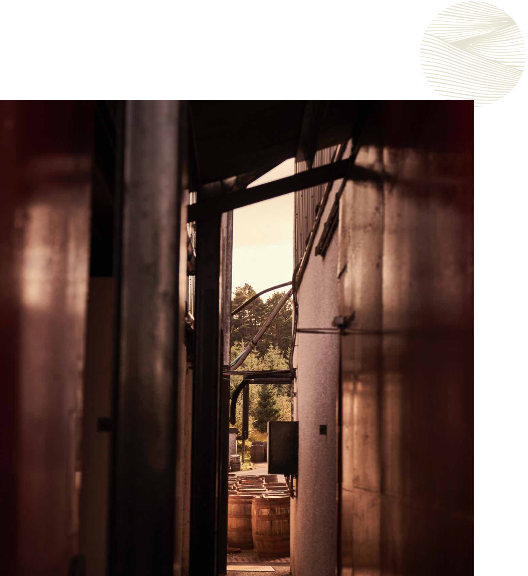
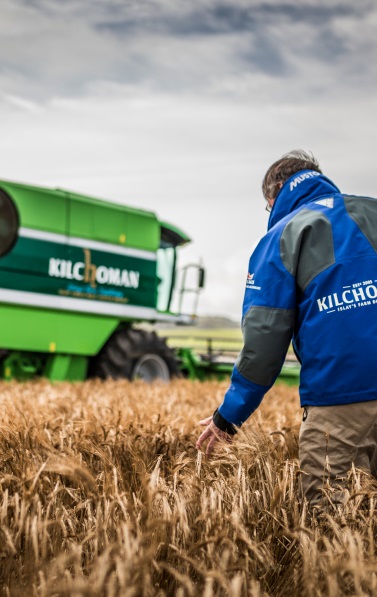
Kilchoman Distillery
Islay farm distillery, field to bottle
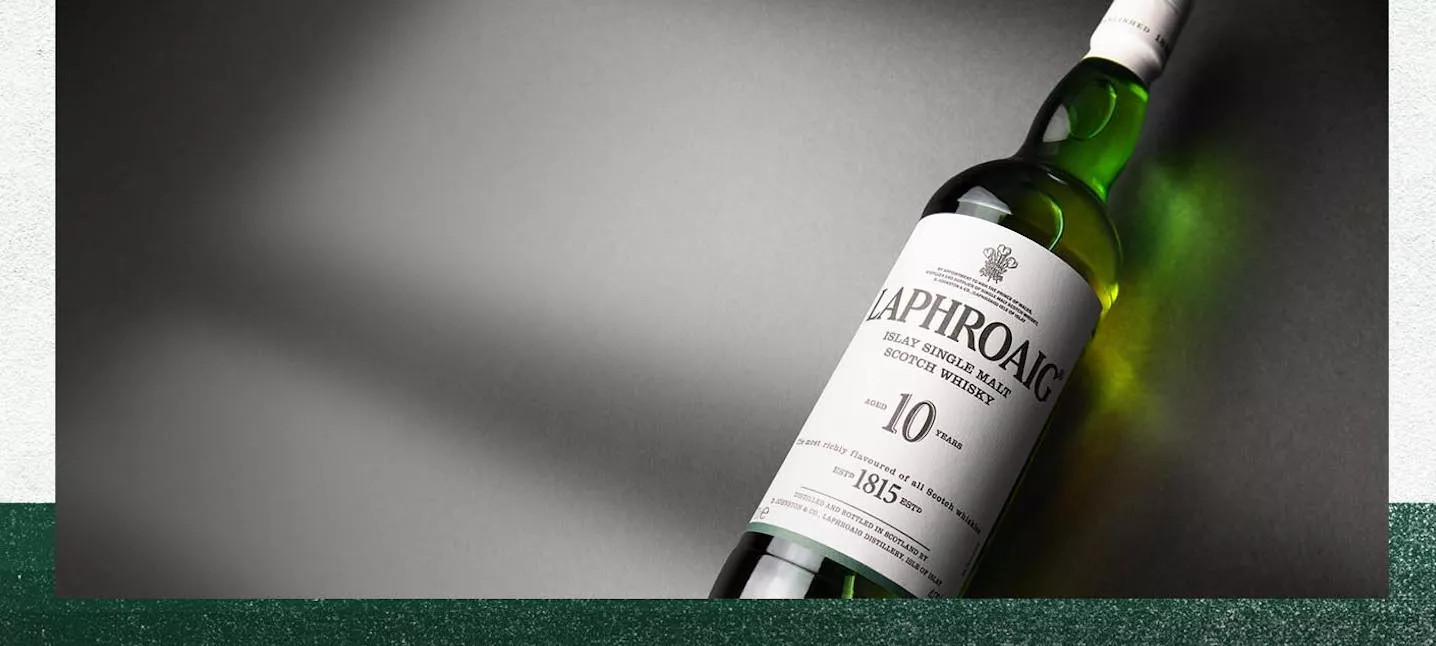
Lochranza Distillery (Isle of Arran)
Arran's first legal distillery in 150 years
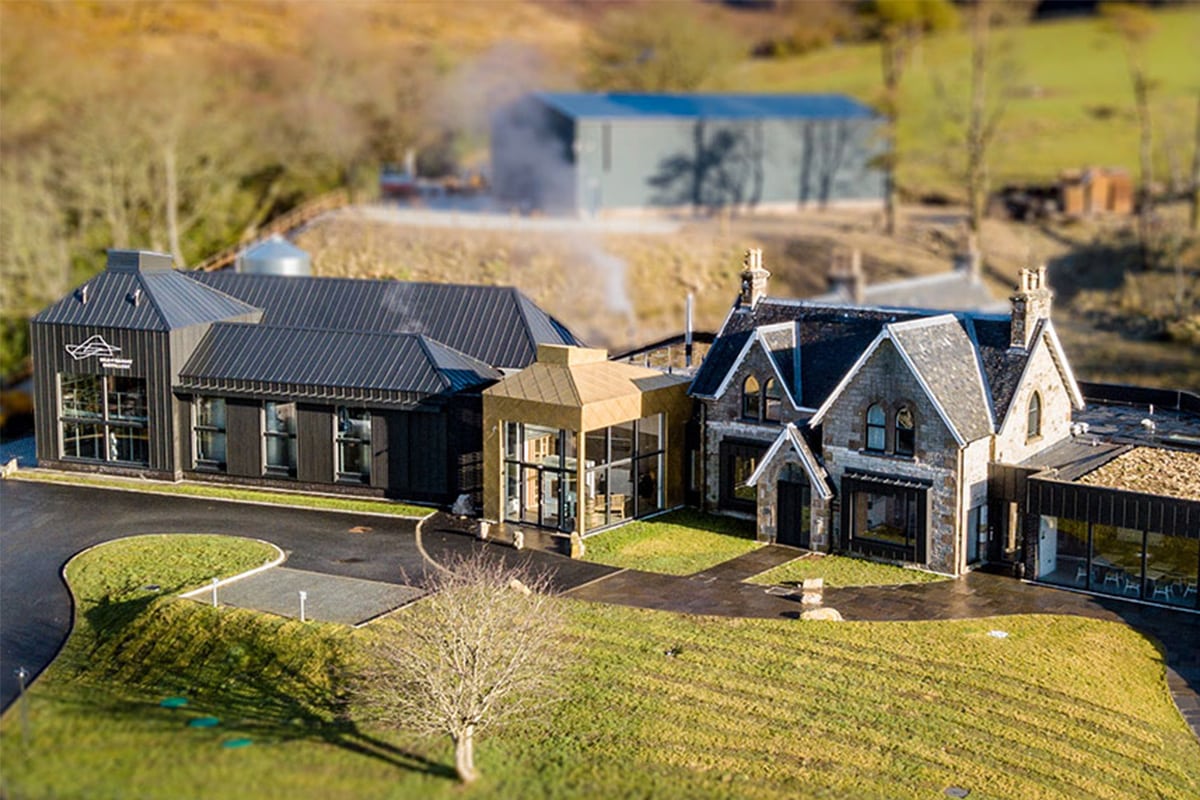

Auchentoshan Distillery
Triple-distilled single malt on Glasgow's doorstep
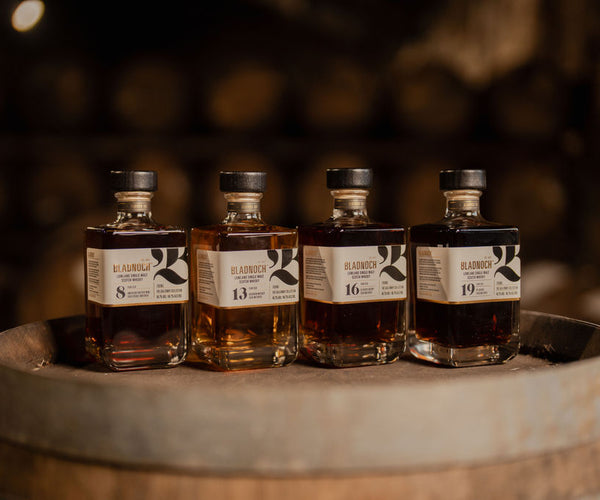
Bladnoch Distillery
Scotland's most southerly malt by the River Bladnoch


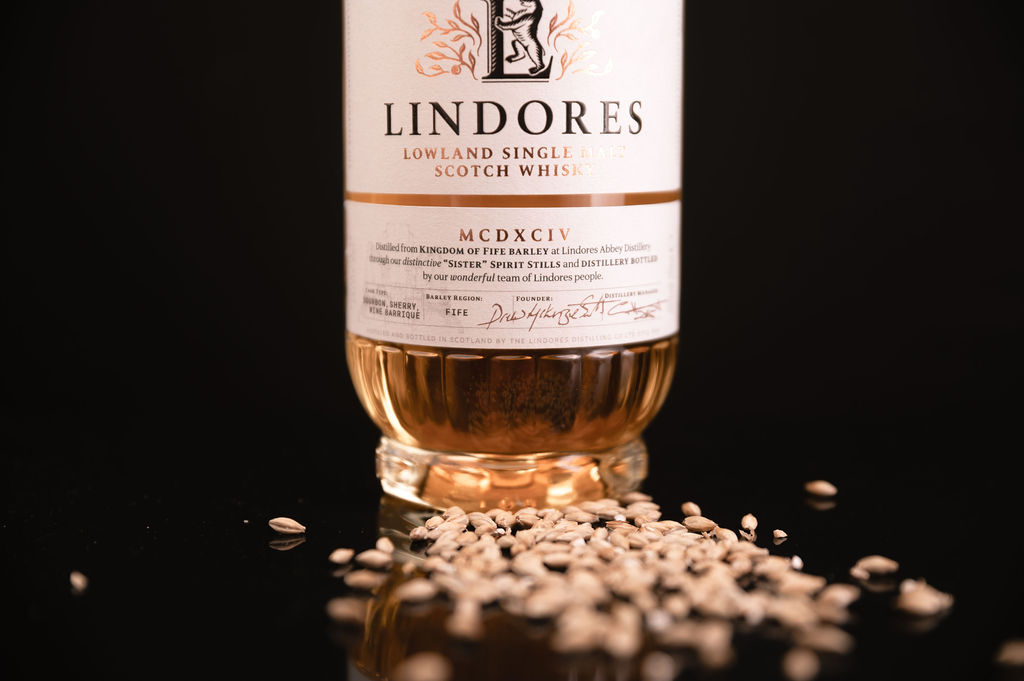

Pickering's Gin (Summerhall Distillery)
Edinburgh's gin in a former vet school

The Borders Distillery
The Borders' first Scotch distillery in generations


Abhainn Dearg Distillery
Remote 'Red River' malt on the Isle of Lewis

About distillery tours in Scotland
Scotland is the spiritual home of single malt, and no other country wears its whisky heritage so openly. The craft is shaped here by five recognised regions, each with its own character: the vast and varied Highlands, gentle Lowlands, malt-rich Speyside, smoky Islay and the small but fiercely individual Campbeltown. That diversity is exactly what makes a Scottish distillery trip so rewarding, since two days of touring can take you from honeyed, fruity drams to maritime, oily, faintly salty malts without ever leaving the country.
The choice on offer is enormous. In Campbeltown, once styled the whisky capital of the world, you can still visit Springbank, Glengyle (home of Kilkerran) and Glen Scotia, three working distilleries within walking distance of one another. Highland Perthshire packs in another cluster, including tiny, picturesque Edradour, Dewar's Aberfeldy, Blair Athol at Pitlochry and The Glenturret, often described as Scotland's oldest working distillery. Add lowland-edge favourites such as Glengoyne and Deanston, the lofty Dalwhinnie, and city-centre experiences like Aberdeen's gin school, and you have an itinerary that suits curious newcomers and committed enthusiasts alike.
Tours range from a brisk introduction with a tasting at the end to in-depth production walks and warehouse sessions drawn straight from the cask. Most distilleries pour two or three drams, hand over a glass to take home, and explain the local water, barley and maturation that give each malt its signature.
What to expect on a tour
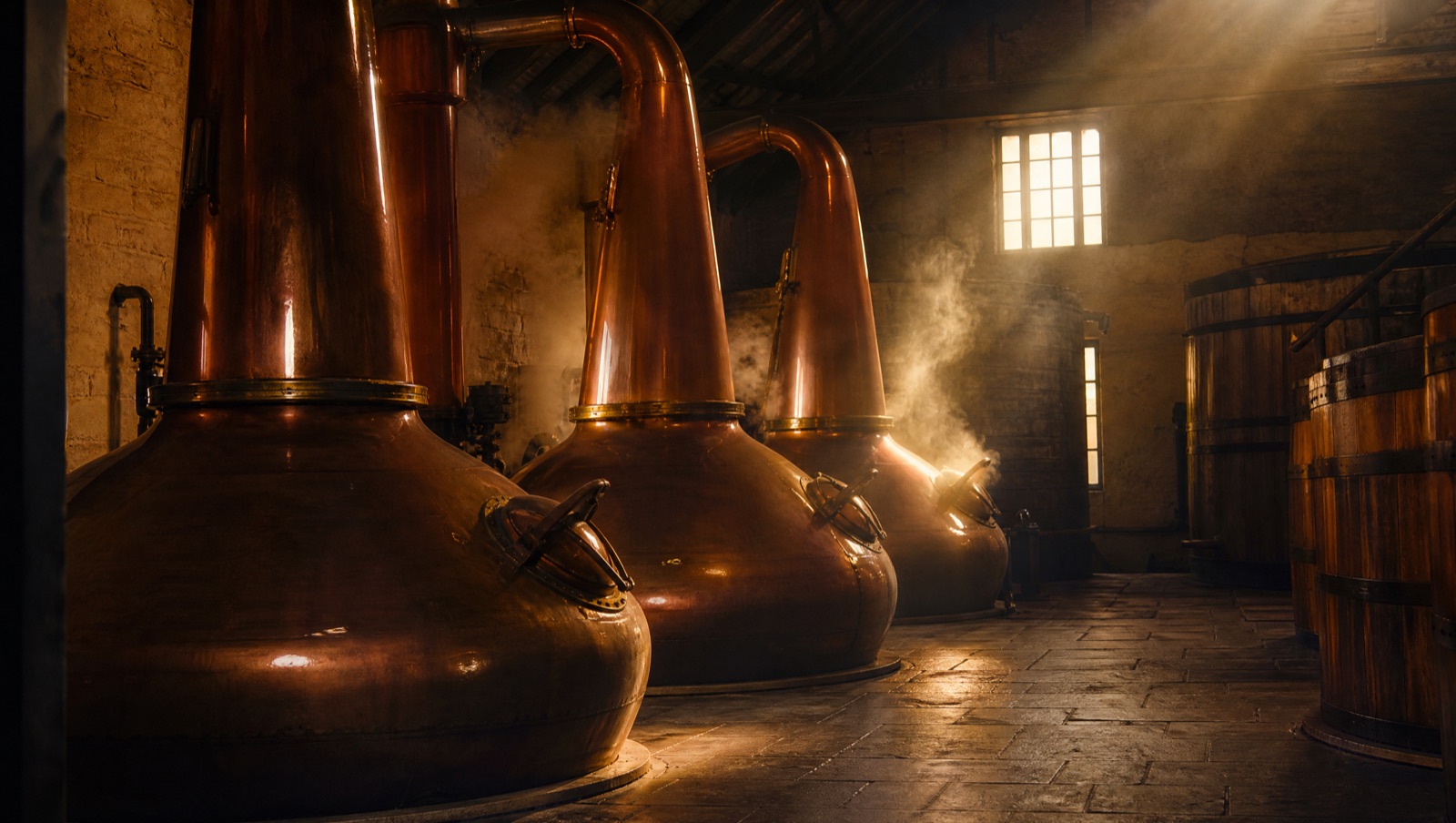
A standard distillery tour usually lasts somewhere between an hour and ninety minutes and follows the whisky from raw barley through mashing, fermentation and distillation to the quiet, oak-scented warehouses where it matures. You will see the mash tun, the washbacks and the copper pot stills that give each distillery its house style, and a guide will explain how water source, still shape and cask choice shape the final spirit. Photography is sometimes restricted inside production areas for safety reasons, so it is worth checking on arrival.
Most visits finish with a tasting, typically two or three drams, and many include a branded glass or a miniature to take away. Beyond the core tour, distilleries increasingly offer richer experiences: warehouse tastings drawn straight from the cask, food and chocolate pairings, blending sessions and, at The Glenturret, even Michelin-starred dining. Springbank is notable for completing every stage of production on site, while Glengyle's tours centre on its Kilkerran single malt, so it is worth reading what each place specialises in before you book.
Getting there & around
Scotland's distilleries are spread across very different landscapes, so plan around clusters rather than trying to crisscross the country. Highland Perthshire is the easiest base for first-timers: Edradour, Blair Athol, Dewar's Aberfeldy, The Glenturret, Tullibardine and Deanston all lie within a manageable drive of Pitlochry, Crieff and Perth, with good rail and road links from Edinburgh and Glasgow. Glengoyne sits just north of Glasgow on the road to Loch Lomond, while Dalwhinnie stands beside the A9 and the Highland main line, making it reachable without a car.
Campbeltown is the outlier. Set near the tip of the long Kintyre peninsula, it is roughly a three-hour drive from Glasgow, or a short flight or ferry combination; once there, Springbank, Glengyle and Glen Scotia are all close enough to explore on foot. Because tastings and driving do not mix, many visitors use organised tours, hire a designated driver, or build itineraries around public transport. Drivers can almost always ask for their samples to be bottled up to take away and enjoy later.
Frequently asked
- Do I need to book distillery tours in advance?
- For most distilleries, yes. Tours and tastings frequently sell out, especially at smaller sites like Edradour and at the three Campbeltown distilleries, and during festival periods. Booking online ahead of your visit is strongly advised; a few larger visitor centres accept walk-ins when space allows, but you should never rely on it.
- How much do distillery tours cost?
- Prices vary widely by distillery and by the depth of the experience. A standard introductory tour with a tasting is generally modest, while premium warehouse tastings, cask-draw sessions and food pairings cost considerably more. As a rule, the more drams and the rarer the bottlings included, the higher the price. Always check the current rate at the time of booking.
- How many distilleries can I realistically visit in a day?
- Two is comfortable, three is ambitious. Tours take an hour or more, tastings need time, and travel between sites eats into the day. The exception is Campbeltown, where Springbank, Glengyle and Glen Scotia sit close together, making it feasible to see all three in a single well-paced day if you book carefully.
- Can I drink the whisky if I'm driving?
- You should not. Scotland has strict drink-driving limits that are low in practice, and even a couple of tasting drams can put you over. Almost every distillery will offer drivers a driver's pack so you can take your samples home, or you can use organised tours, taxis or a designated driver to enjoy the tastings properly.
- Are distillery tours suitable for children and families?
- Policies differ. Some distilleries welcome accompanied children on tours and offer them a soft drink in place of a dram, while others set a minimum age for production areas on safety grounds. If you are travelling as a family, check each distillery's age policy before booking, as it is not consistent across Scotland.
- What's the best time of year to visit?
- Spring through early autumn offers the longest daylight and the most reliable opening hours, which matters for remote sites and rural drives. Late spring is festival season, with the Campbeltown Malts Festival typically held in May, bringing special tours and tastings but also higher demand. Winter visits are quieter and atmospheric, though some smaller distilleries reduce their hours, so confirm opening times.
- Are the distilleries accessible for visitors with limited mobility?
- It varies a great deal. Larger, modern visitor centres tend to have good step-free access, accessible toilets and parking, whereas older or very small distilleries may involve stairs, uneven floors and narrow warehouse spaces. Contact the distillery directly before your visit to discuss specific requirements; staff are usually happy to advise on what they can accommodate.