
Distillery tours
Distillery Tours in France
Plan a distillery tour in France: 17 distilleries to visit, with tastings and experiences you can book directly. Expect Craft Spirits, Single Malt, Gin and more. Highlights include Distillerie Bertrand, Distillerie Hepp, Distillerie Lehmann.
17distilleries

Celtic Whisky Distillerie (Glann ar Mor)
Seaside farm distillery on the Brittany coast



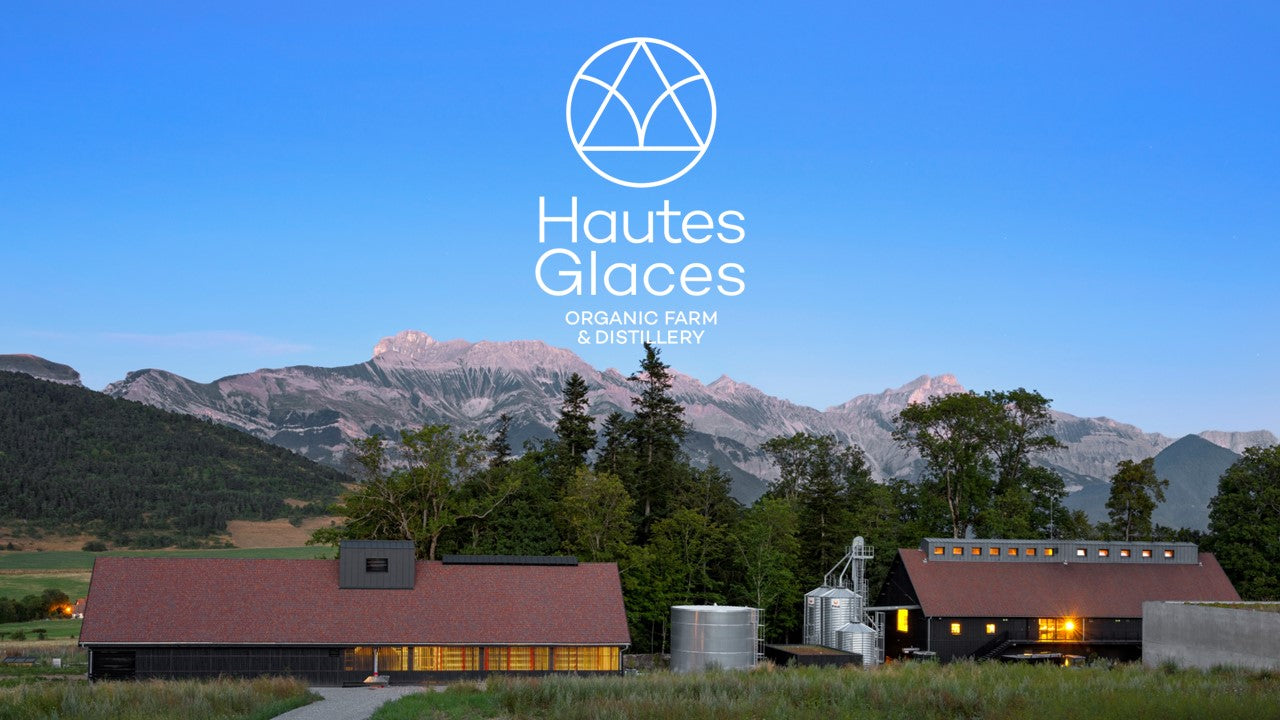
Domaine des Hautes Glaces
Organic farm-to-bottle Alpine single malt
About distillery tours in France
France may be famed for cognac and armagnac, but its craft-distilling map is far broader and more surprising than most visitors expect. The country now counts more than a hundred working whisky distilleries, alongside a centuries-deep tradition of fruit eaux-de-vie, and a tour here can mean anything from sniffing pear and mirabelle spirit in an Alsatian valley to tasting maritime single malt within sight of the Breton coast. Two regions stand out. In Alsace, where every farm once kept its own still, names such as Distillerie G. Miclo, Distillerie Nusbaumer, Distillerie Lehmann, Distillerie Meyer and Distillerie Hepp carry on the art of the crystal-clear fruit brandy that is practically synonymous with the area. In Brittany, the Celtic spirit took to whisky: Distillerie Warenghem, often cited as France's oldest whisky distillery, and the coastal Celtic Whisky Distillerie (Glann ar Mor) helped define a peaty, sea-touched style.
Elsewhere the picture is just as rich. Distillerie Rozelieures in Lorraine grows its own barley and malts on site; Domaine des Hautes Glaces farms organic grain high in the Alps; and the organic Distillerie du Vercors works at altitude in a converted silk farm. Tours typically walk you from grain or fruit through fermentation, the copper stills and the ageing cellars, finishing with a guided tasting. Many sites also run blending workshops where you leave with a bottle you assembled yourself.
What to expect on a tour
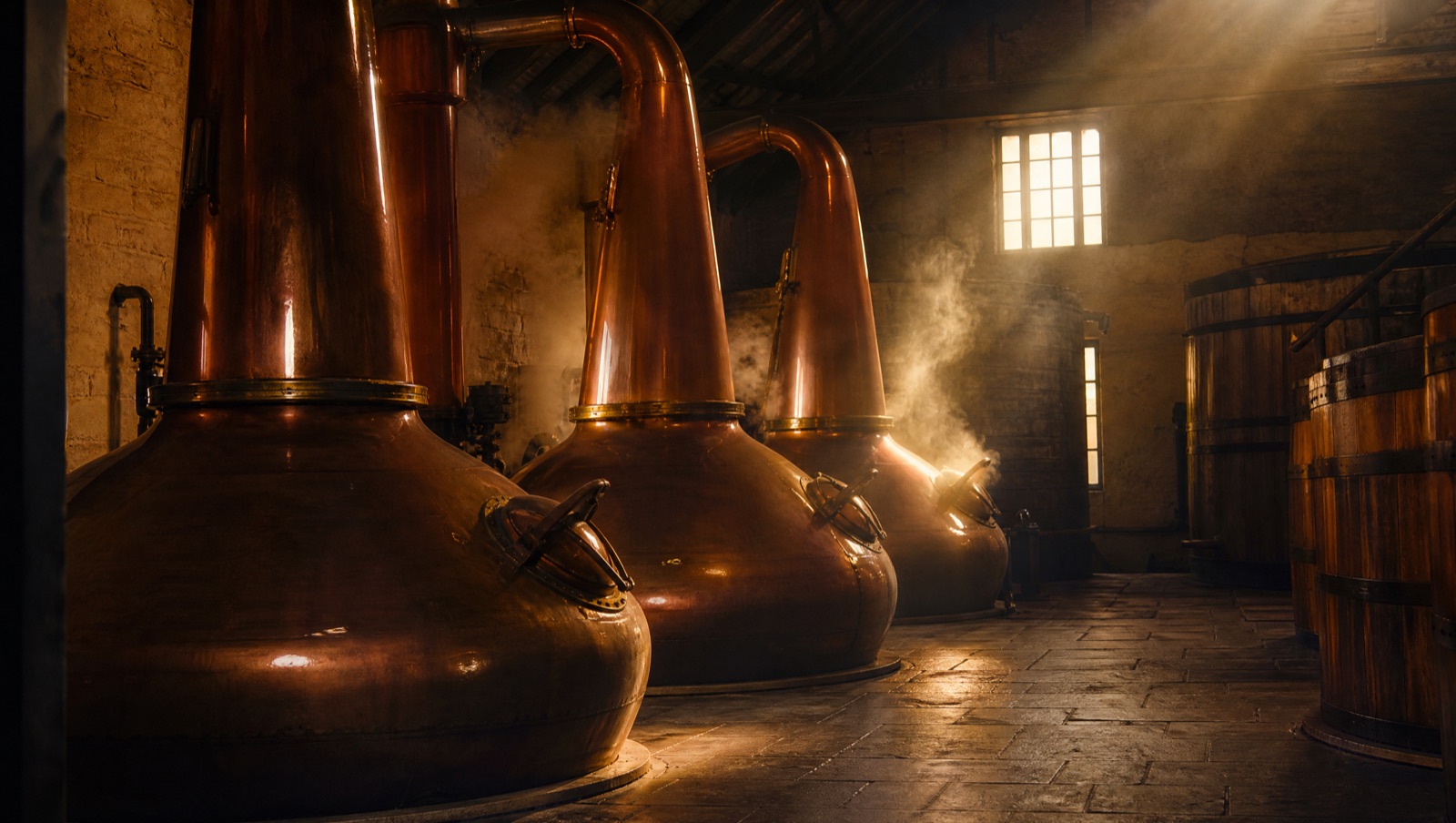
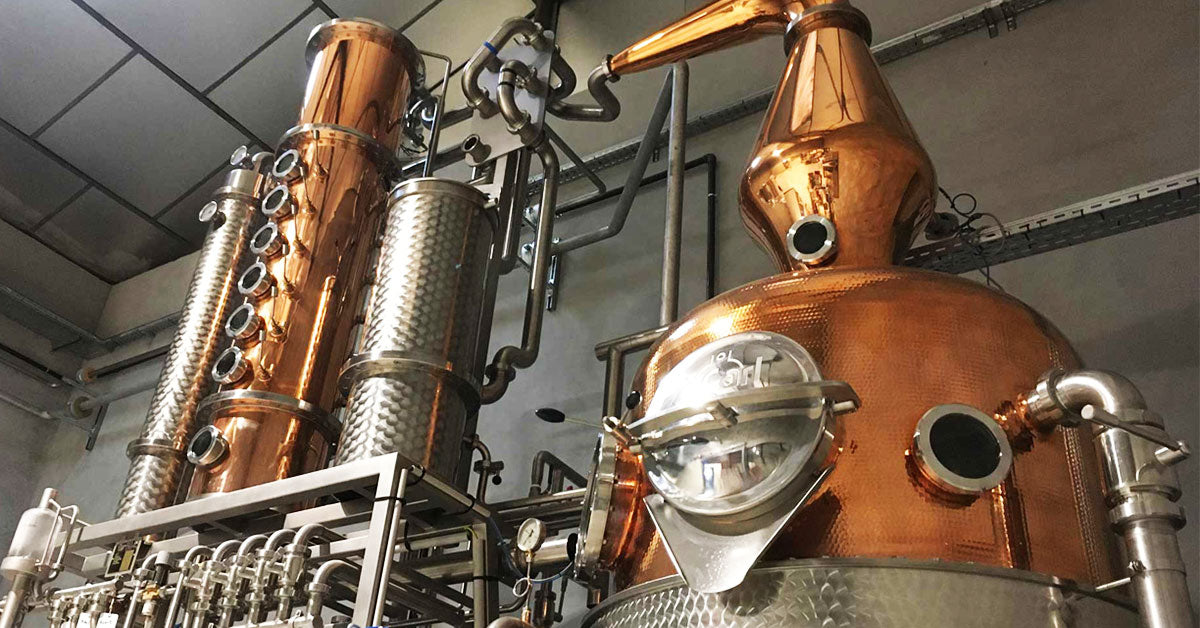
Most French distillery visits follow the spirit from raw material to glass. At whisky houses such as Distillerie Warenghem or Distillerie Rozelieures you typically move through milling and mashing, fermentation, the copper pot stills and the maturation cellars, with a guide explaining how local barley, water and climate shape the house style. Alsatian fruit distilleries like Distillerie G. Miclo and Distillerie Nusbaumer focus instead on the seasonal alchemy of turning cherries, pears, plums and berries into single-fruit eaux-de-vie, and visits often last around an hour before the tasting.
Nearly every tour ends with a guided tasting, and several distilleries go further. Warenghem and Rozelieures both offer blending workshops in which you compose and bottle your own whisky to take home. Tasting flights usually feature a range of expressions or fruit spirits; because eaux-de-vie are unsweetened and bottled at full strength, even small pours are intense, so pace yourself.
Getting there & around
France's distilleries are spread across the country, so it helps to plan around one region at a time. Alsace is the easiest cluster to combine: Miclo, Nusbaumer, Lehmann and neighbours sit in the valleys around the Val de Ville and the wine route, within reach of Strasbourg or Colmar and best explored by car. Brittany's whisky distilleries, including Warenghem near Lannion and the Celtic Whisky Distillerie, pair naturally with a coastal road trip from Rennes or Saint-Brieuc.
The alpine producers reward a little more effort. Distillerie du Vercors lies near Saint-Jean-en-Royans in the Vercors massif, while Domaine des Hautes Glaces is set high in the Alps; both are scenic mountain drives rather than quick city stops. A car gives you the most freedom throughout, but it also raises the question of who tastes and who drives, so agree a designated driver or build in time before getting back behind the wheel.
Planning your visit
Opening arrangements vary widely. Some sites, such as Rozelieures, offer a free self-guided route during shop hours plus paid guided tours at set times; others, including Warenghem, run visits strictly by reservation. Always check the distillery's own website or call ahead, confirm whether your preferred date has an English-language tour, and book blending workshops well in advance as places are limited.
If you want to combine several distilleries, two or three in a day is realistic within a single compact region like Alsace, but stretches with long drives between mountain producers are better treated as one visit per day. Factor in the cellar shop too: many spirits, especially small-batch eaux-de-vie and limited whisky releases, are easiest to buy at source.
Frequently asked
- Do I need to book a distillery tour in advance?
- It depends on the distillery. Some, such as Rozelieures, allow a free self-guided visit during shop hours and only require booking for guided tours and workshops. Others, including Warenghem, run all visits by reservation. As a rule, reserve ahead by phone, email or the website, and book blending workshops early because spaces are limited.
- How much does a tour and tasting cost?
- Prices are generally modest. Short fruit-distillery visits in Alsace often sit in the single-figure euro range, while guided whisky tours with a tasting are typically a little more, and hands-on blending workshops cost more again because you take home a bottle you have made. Some self-guided routes are free. Always confirm current pricing with the distillery, as it changes and varies by experience.
- How many distilleries can I realistically visit in one day?
- In a compact region such as Alsace, where producers cluster in neighbouring valleys, two or three in a day is comfortable. For the alpine distilleries like Vercors or Domaine des Hautes Glaces, the driving distances mean it is more sensible to plan one visit per day and enjoy the scenery in between.
- Can I drive between distilleries and still taste?
- You can drive the routes, but tastings and driving do not mix. French drink-driving limits are strict and the spirits poured, particularly cask-strength whisky and full-strength fruit eaux-de-vie, are potent. Nominate a designated driver, use a tour service, or leave plenty of time before getting back on the road. Most distilleries are happy to provide water and spit options.
- Are the distilleries suitable for children and families?
- Many production tours welcome families, since much of the visit covers history, agriculture and the craft of distilling rather than drinking. Children obviously will not take part in the tasting, and some workshops are adults-only. If you are travelling with kids, mention it when you book so the distillery can advise on what is appropriate.
- When is the best time to visit?
- Distilleries are open year-round, but spring through autumn brings the most reliable opening hours and pairs well with exploring the surrounding regions. Alsace is especially pleasant in late summer and early autumn, around the fruit and grape harvest. Some smaller producers reduce hours in winter, so check ahead if you travel in the colder months.
- What is the difference between French whisky and eau-de-vie tours?
- Whisky tours, common in Brittany and Lorraine at houses like Warenghem and Rozelieures, follow grain through brewing, distillation and cask ageing. Eau-de-vie tours, the speciality of Alsace at distilleries such as Miclo and Nusbaumer, centre on distilling fruit into clear, unsweetened brandies that are not aged in wood. Both end in a tasting, but the spirits and the stories are quite different.
- Are the distilleries wheelchair accessible?
- Accessibility varies considerably. Larger, modern visitor centres tend to be easier to navigate, while older farm distilleries and cellars may involve steps or uneven floors. If you or anyone in your group has mobility needs, contact the distillery directly before booking so they can tell you which parts of the tour are accessible.