
Gin · France
Gin Distilleries in France
Tour 9 gin distilleries in France. Each offers visits, tastings or experiences you can book directly — including Distillerie Bertrand, Distillerie Hepp, Distillerie Nusbaumer.
9distilleries



About gin distilleries in France
France is better known for cognac, armagnac and wine, but it has quietly become one of Europe's most interesting gin-producing countries, and the craft category leans heavily on the nation's deep distilling heritage. Many French gins come from families who spent generations making eaux-de-vie and fruit brandies, then turned that expertise to juniper-led spirits. That lineage is especially strong in Alsace, the heartland of artisanal distillation, where orchards, foraged botanicals and meticulous double distillation in copper stills shape the local style. Several of the distilleries gathered here reflect that tradition, including Distillerie G. Miclo, Distillerie Hepp, Distillerie Nusbaumer and Distillerie Bertrand, all rooted in the eaux-de-vie culture of the north-east. Beyond Alsace, the picture broadens with producers such as Bordeaux Distilling Co in the south-west, Distillerie de Bercloux, Distillerie Ergaster, Distillerie de l'Arbre Sec and La Fabrique a Alcools. The result is a gin category that ranges from classic, elegant London-style dry gins to forest-inspired expressions built around wild berries and mountain plants, all carrying a distinctly French finesse.
French gin: styles and how it's made
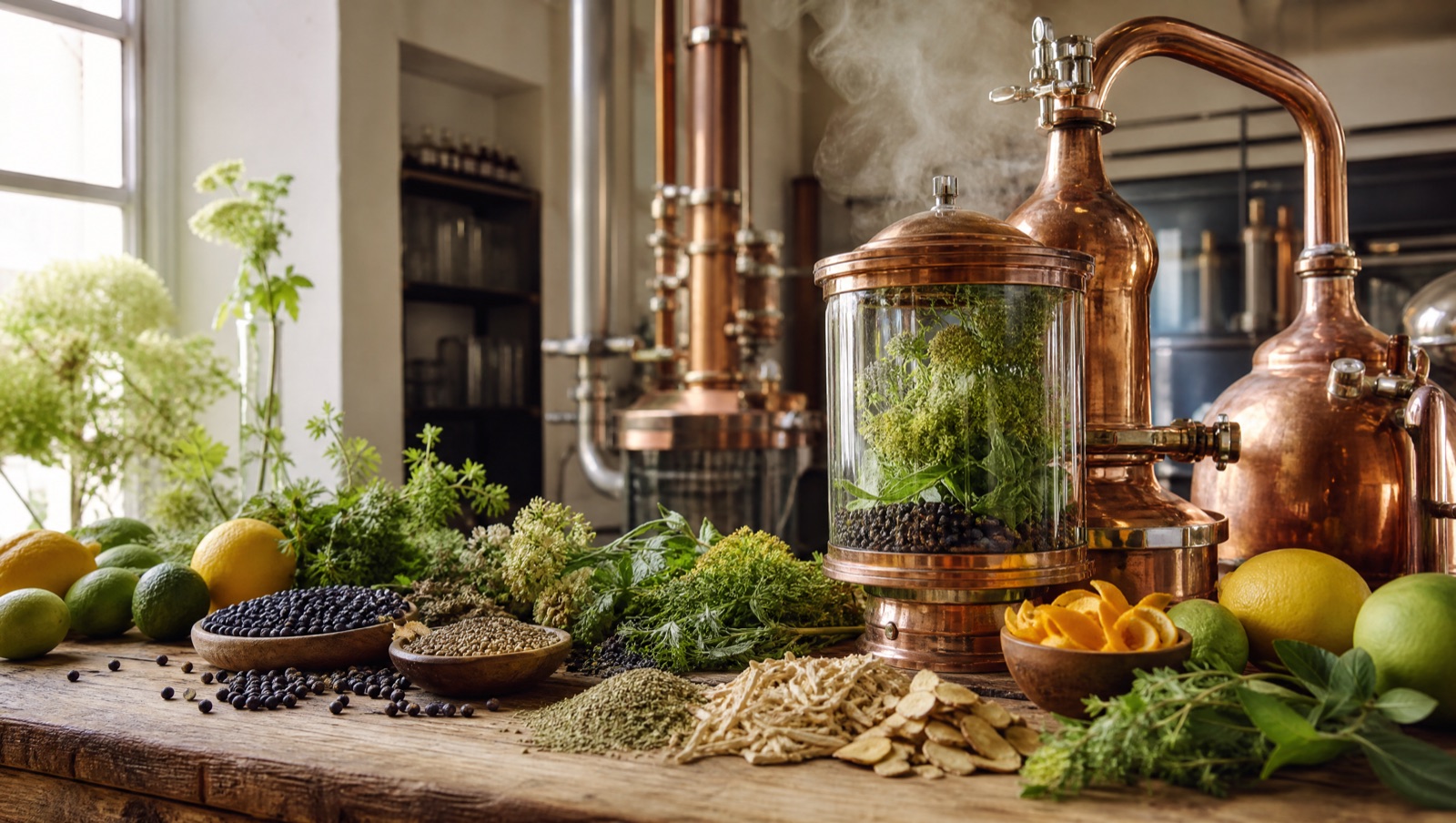
French gin draws much of its character from the country's eaux-de-vie tradition, where families have long distilled fruit and botanicals to a high standard. In Alsace especially, gin is often produced through careful maceration of classic botanicals such as juniper, coriander, orris root, angelica and grains of paradise, followed by double distillation in copper stills, a method seen at heritage houses like Distillerie G. Miclo. That precision lends French gin a refined, elegant profile with bright citrus and gentle pepper. Alongside such classic styles, a parallel tradition celebrates local terroir: forest-inspired gins built around wild berries and mountain plants, drawing on rowan, elderberry, sloe, wild rose and blueberry gathered from regional woodlands. Producers like Nusbaumer have even introduced mountain gins and French aquavit. Across France, the unifying thread is technical craft inherited from generations of distillers, applied to juniper with a light, considered touch.
Where to taste French gin
Alsace is the natural starting point for any French gin tour, with a dense concentration of family distilleries clustered in the valleys near Colmar and along the foothills of the Vosges. Distillerie G. Miclo in Lapoutroie, Distillerie Nusbaumer in Steige, Distillerie Hepp and Distillerie Bertrand all sit within reach of one another, making it possible to combine gin tasting with the region's wider eaux-de-vie heritage and its celebrated wine route. Many Alsatian distilleries are linked to organised tasting trails that showcase regional savoir-faire. For a different perspective, head south-west to Bordeaux Distilling Co, or seek out Distillerie de Bercloux, while Distillerie Ergaster, Distillerie de l'Arbre Sec and La Fabrique a Alcools extend the map further. Because many are small, multi-generational businesses, a visit often means meeting the family behind the bottle.
What to expect on a tour
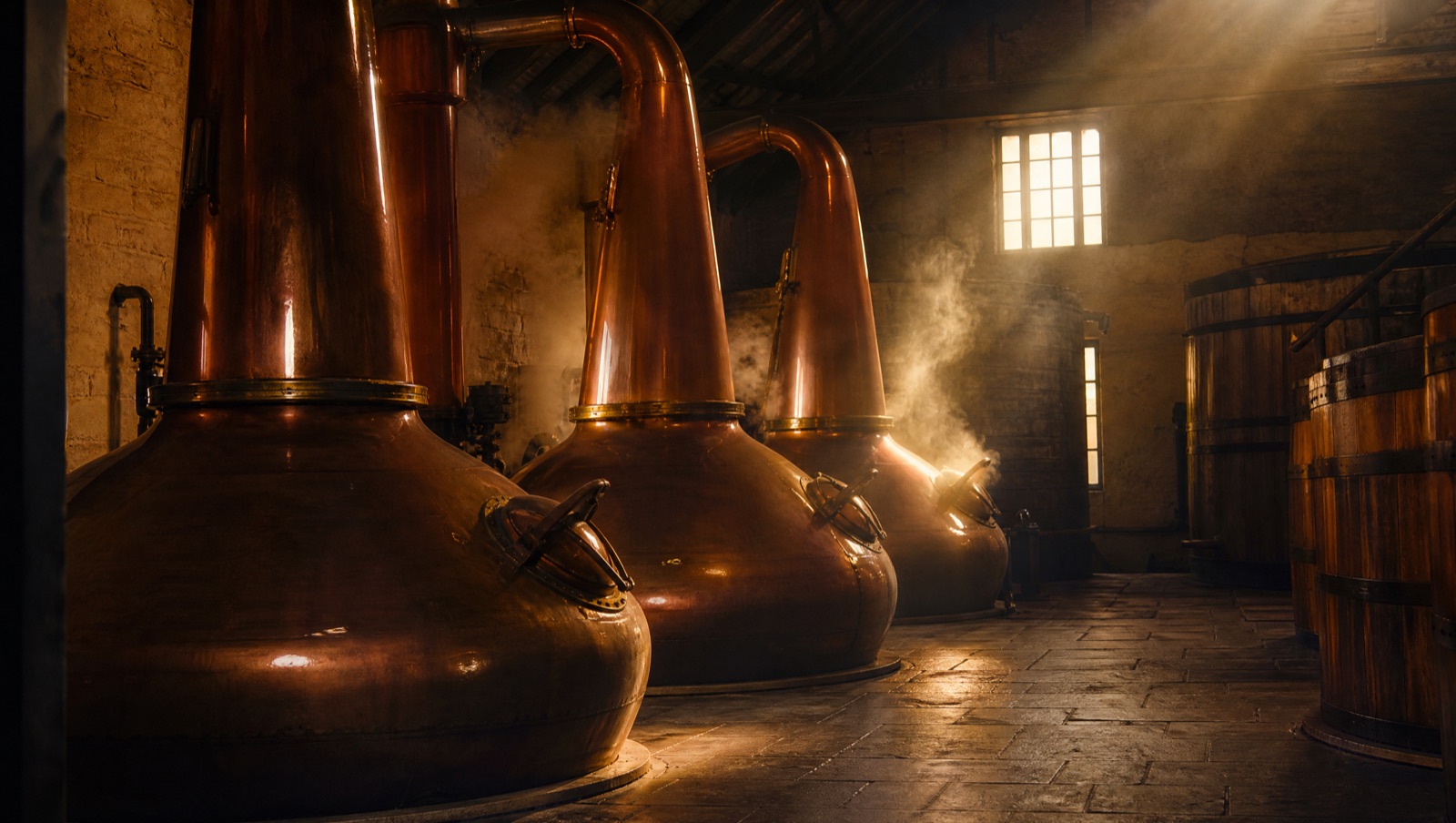
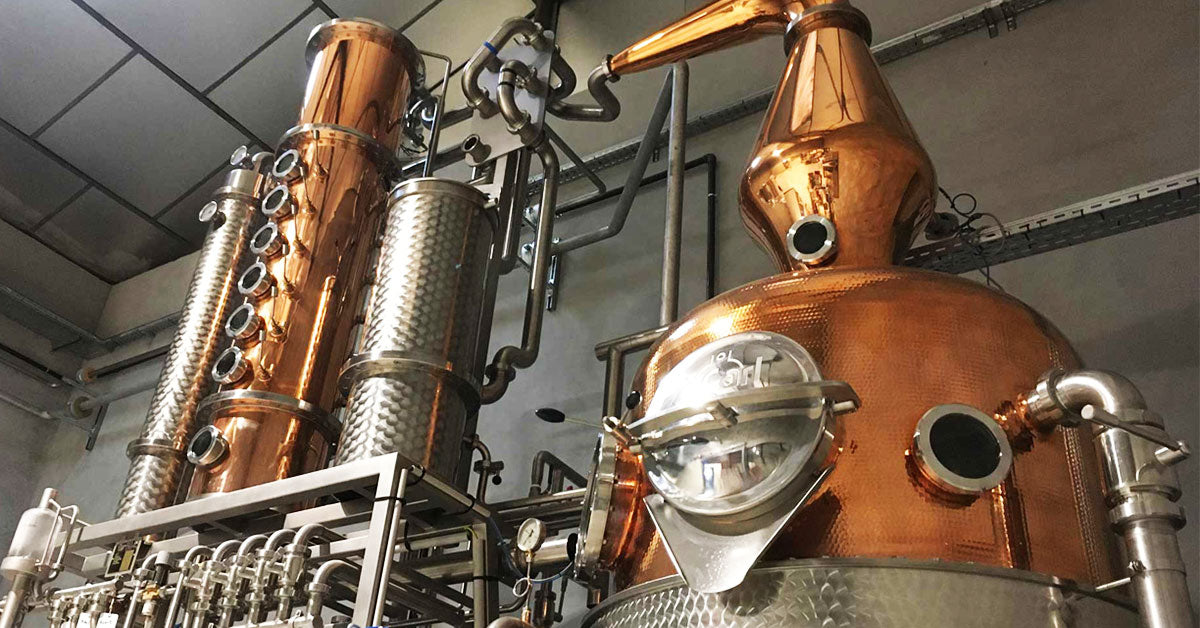
A French gin tour, particularly in Alsace, tends to be steeped in heritage. Expect to see copper stills, learn about the maceration and double-distillation process, and hear how a distillery's eaux-de-vie roots inform its approach to gin. At long-established houses such as Distillerie G. Miclo or Distillerie Nusbaumer, tours frequently cover the full range, from fruit brandies and liqueurs to gin, vodka and whisky, giving context to the gin within a broader portfolio. Tastings usually contrast a classic, elegant dry gin with a more terroir-driven, forest or berry-forward expression. Many distilleries pair the visit with a shop selling the wider range, and in Alsace a gin tour slots neatly alongside the region's food, wine and scenic villages, making for a rich day out rather than a single stop.
Frequently asked
- What makes French gin distinctive?
- French gin is shaped by the country's eaux-de-vie tradition, with many producers descending from families who distilled fruit brandies for generations. This gives French gin notable finesse, often combining classic juniper-led elegance with terroir-driven botanicals.
- Why is Alsace important for French gin?
- Alsace is France's heartland of artisanal distillation, rich in orchards and family distilleries skilled in eaux-de-vie. Houses such as G. Miclo, Nusbaumer, Hepp and Bertrand have applied that expertise to gin, often using local wild botanicals.
- Which French gin distilleries can I visit?
- Listed producers include Distillerie G. Miclo, Distillerie Hepp, Distillerie Nusbaumer and Distillerie Bertrand in Alsace, plus Bordeaux Distilling Co, Distillerie de Bercloux, Distillerie Ergaster, Distillerie de l'Arbre Sec and La Fabrique a Alcools.
- What styles of gin will I find in France?
- You will find classic, elegant dry gins made through careful maceration and double distillation, alongside forest or terroir-inspired gins built around wild berries and mountain plants such as rowan, elderberry, sloe and blueberry.
- Can I combine a French gin tour with other attractions?
- Easily, especially in Alsace, where gin distilleries sit close to the wine route, scenic villages and the region's wider eaux-de-vie trails, allowing you to build a full day around food, wine and spirits.
- Do French distilleries make only gin?
- No. Many, particularly in Alsace, are heritage eaux-de-vie houses producing fruit brandies, liqueurs, whisky and vodka alongside gin, so a tour usually showcases gin as part of a broader range.