
Gin · Wales
Gin Distilleries in Wales
Tour 12 gin distilleries in Wales. Each offers visits, tastings or experiences you can book directly — including Cygnet Gin Distillery, Aber Falls Distillery, Penderyn Distillery.
12distilleries


About gin distilleries in Wales
Wales has become one of Britain's most rewarding places to chase a really good gin, and the story behind that is part of the pleasure. For nearly two centuries Welsh distilling was effectively frozen out by laws that made small stills impossible to run, and it was only when those rules eased that a new generation of makers took root. The result is a scene that feels genuinely young and inventive rather than heritage-bound, built on foraged and farmed Welsh botanicals, from gorse and bog myrtle to coastal seaweed.
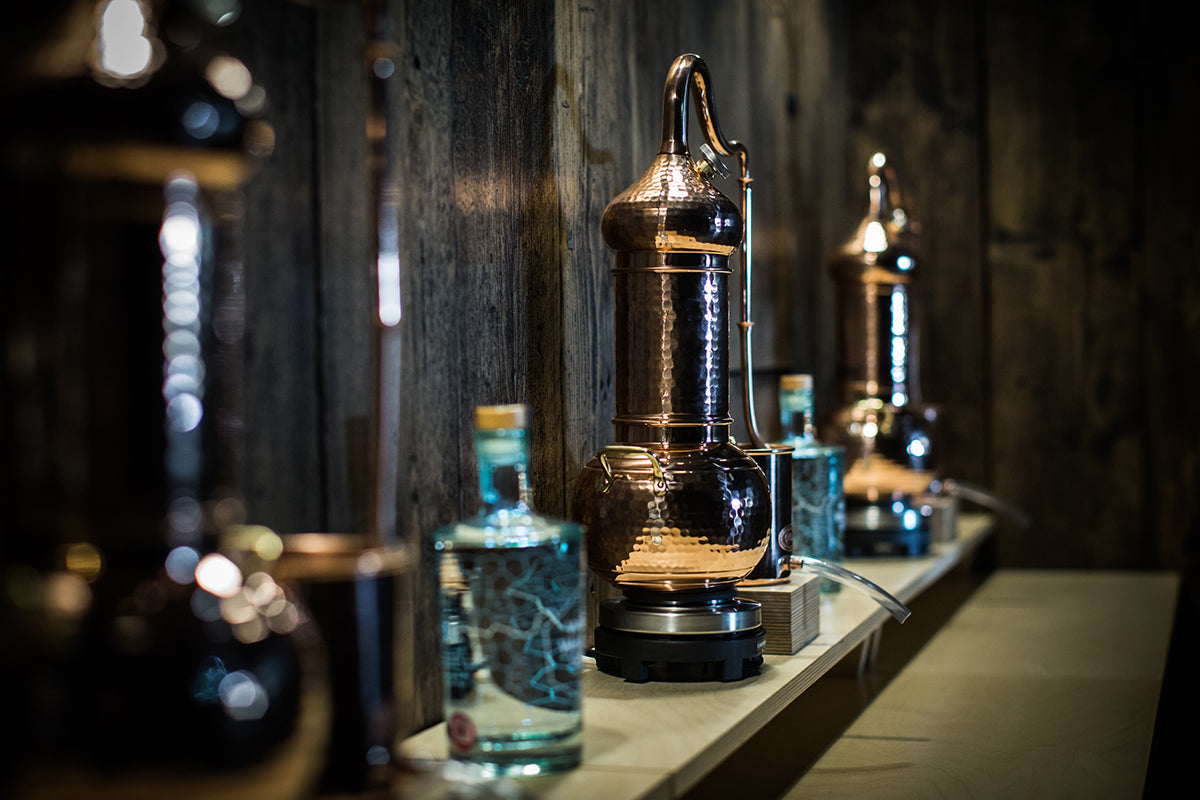
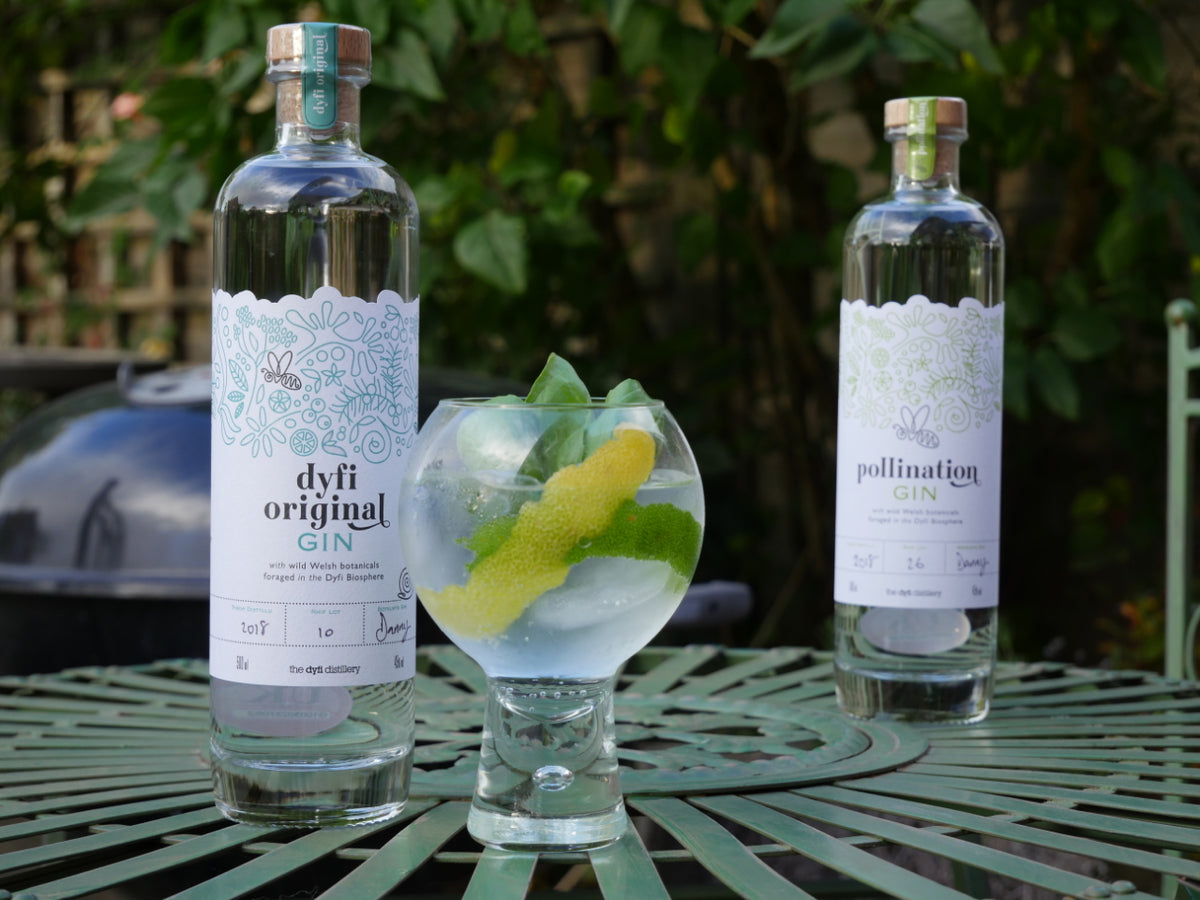
The dozen distilleries gathered here range from landmark names to small rural operations, and they are scattered the length of the country. Penderyn, better known for pioneering Welsh whisky, also turns its hand to gin; Dyfi Distillery near the Dyfi Biosphere builds its spirits around hand-foraged hillside botanicals; and Aber Falls sits beneath its namesake waterfall in the north. Down south you will find the grand cellars of Hensol Castle Distillery near Cardiff, alongside Cardiff Distillery, Spirit of Wales and Cygnet Gin.
Tours vary from quick guided walkthroughs with a tutored tasting to full hands-on gin-school sessions where you blend, distil and bottle your own. In the Welsh Wind and Dà Mhìle (Wales's first organic distillery) lean into a sense of place, while Coles and Silver Circle round out the choice.
What to expect on a tour
Most Welsh gin tours follow a similar, satisfying shape: a welcome drink, a guided walk through the stills, and a tutored tasting of a few house gins, often finishing with a proper garnished G&T. Expect to spend time in a botanical room where you can handle, smell and taste the herbs, citrus and foraged ingredients that define each recipe, which is where the character of a Welsh gin really comes alive. At larger sites such as Hensol Castle Distillery the guided experience runs around ninety minutes and folds in a good deal of history alongside the distilling.
If you want to go deeper, several distilleries run gin schools or gin labs, including Aber Falls, In the Welsh Wind and Hensol Castle. In these sessions you choose your own botanical profile, distil on a miniature still, then bottle and label a full bottle to take home. These are longer, more involved bookings, usually a half-day, and tend to sell out faster than standard tours.
Getting there & around
Welsh distilleries are spread widely, so it pays to plan around geography rather than trying to see them all. The south cluster near Cardiff, including Hensol Castle, Cardiff Distillery and Spirit of Wales, is the easiest to reach by public transport and good for visitors without a car. The west and mid-Wales makers such as Dyfi, In the Welsh Wind and Dà Mhìle sit in beautiful but rural countryside around Ceredigion and the coast, where a car is realistically essential. In the north, Aber Falls near Abergwyngregyn pairs naturally with a Snowdonia trip.
Because distances between distilleries can be long and roads winding, most travellers treat a single distillery as a half-day outing rather than stacking several into one day. If tastings are part of your plan, arrange a designated driver, a taxi, or stay locally so nobody has to choose between the gin and the steering wheel.
Planning your visit
Booking ahead is strongly advised, especially for hands-on gin-making experiences and for weekend slots, which fill quickly. Standard tours are generally short and family-friendly to a point, but the experiences themselves are built around adult tasting, so check each distillery's policy before bringing children. Many sites have shops, and some, like Aber Falls, add a bistro or visitor centre that makes for a fuller day out.
Allow more time than you think for travel in rural Wales, wear sensible footwear as production floors can be industrial, and tell your host in advance about any access needs or dietary requirements so they can advise on the route and the tasting line-up.
Frequently asked
- Do I need to book a Welsh gin distillery tour in advance?
- Yes, in almost all cases. Most Welsh distilleries run scheduled tours rather than drop-in visits, and the smaller rural producers may only open at set times. Hands-on gin-making sessions and weekend slots are the first to sell out, so book directly with the distillery as early as you can.
- How much does a gin tour and tasting cost?
- Prices vary by distillery and by how involved the experience is. A standard guided tour with a tutored tasting typically sits in the lower price bracket, while a half-day gin-school session where you distil and bottle your own gin costs considerably more because you take a full bottle home. Check current prices on each distillery's own site, as they change.
- How many distilleries can I realistically visit in a day?
- In and around Cardiff you could comfortably manage two of the southern distilleries in a day. Elsewhere in Wales, distances and winding rural roads mean one distillery is usually a half-day in itself, so most people plan a single proper visit rather than a packed circuit.
- Can I drive between distilleries and still do the tastings?
- It is not advisable to drink and drive. If tastings matter to you, arrange a designated driver, book a taxi, or stay overnight nearby. Many distilleries will happily set aside your tasting samples to take away if you are driving, so you can enjoy them later.
- Are the tours suitable for children and families?
- Standard guided tours can suit families to a degree, and venues with a shop, café or visitor centre, such as Aber Falls, work well for a wider group. However, the experiences are built around adult tasting, and gin-making sessions are age-restricted. Always check the individual distillery's policy before booking for under-18s.
- What makes Welsh gin distinctive?
- A strong sense of place. Many Welsh makers build their recipes around local and foraged botanicals, from gorse, bog myrtle and conifer tips in the hills to seaweed gathered on the coast. Dà Mhìle pioneered organic distilling in Wales, while distilleries like Dyfi foreground hand-foraged ingredients, giving the gins a recognisably Welsh character.
- Are Welsh distilleries accessible for visitors with mobility needs?
- It varies. Larger, purpose-built venues such as Hensol Castle Distillery are better set up for accessibility, while some small farm-based distilleries occupy older or working buildings with uneven floors and steps. The best approach is to contact the distillery before you visit, explain your needs, and ask them to advise on the route and any limitations.