
Gin · Ireland
Gin Distilleries in Ireland
Tour 17 gin distilleries in Ireland. Each offers visits, tastings or experiences you can book directly — including Clonakilty Distillery, Rebel City Distillery, Sliabh Liag Distillers.
17distilleries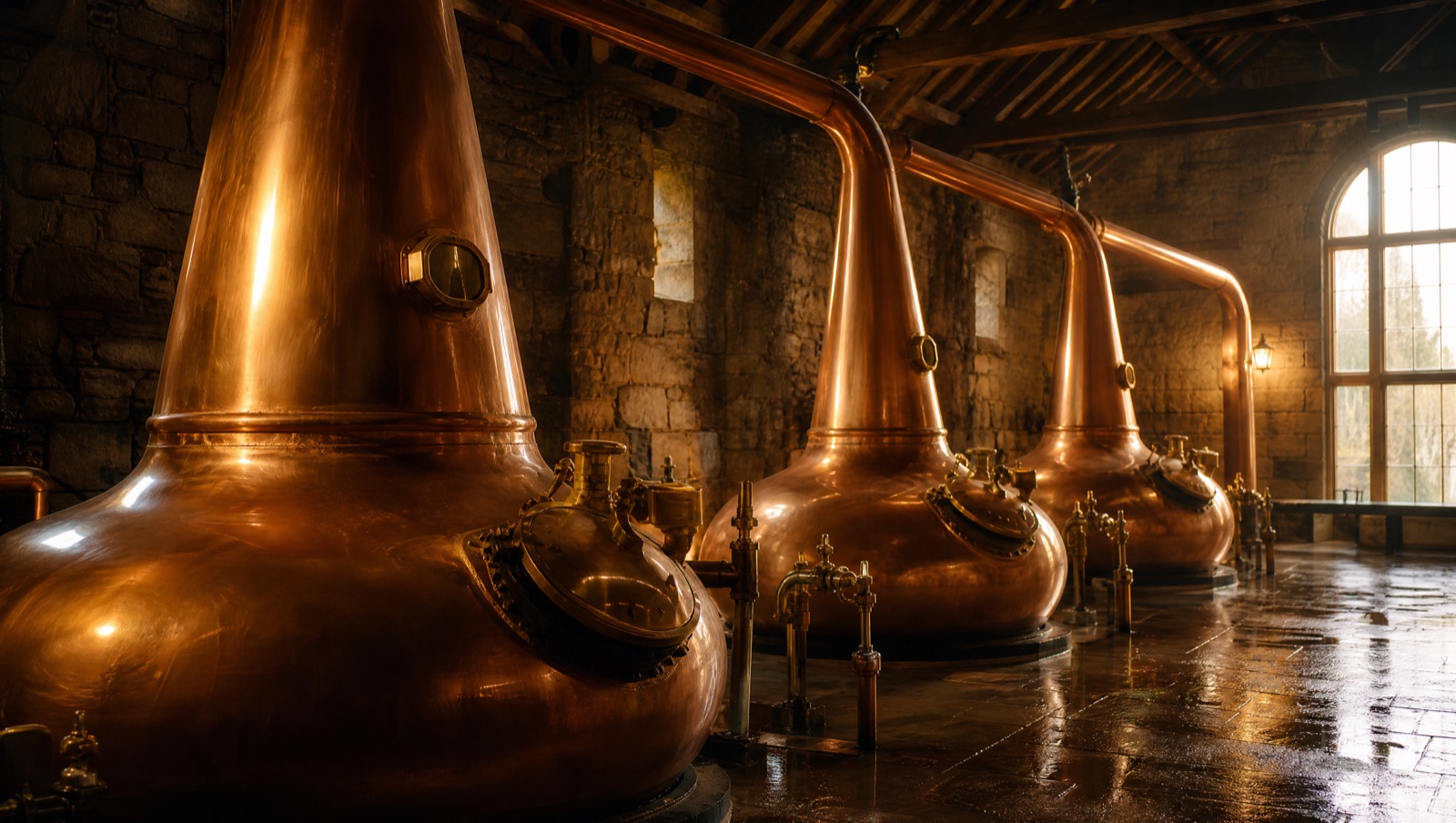
Killarney Brewing & Distilling Co.
Whiskey and gin beneath the Kerry mountains

Glendalough Distillery
Wild botanical spirits from the Wicklow hills

Sliabh Liag Distillers (The Ardara Distillery)
Donegal's first distillery in 175 years
About gin distilleries in Ireland
Ireland's gin story is younger than its whiskey heritage, but no less compelling. When a wave of craft distilleries opened across the country through the 2010s, gin became the spirit that introduced many of them to the world: unlike whiskey, it could be distilled, bottled and sold while the casks slept in the warehouse. The result is a lively national scene where roughly seventeen distilleries pour gin for visitors, from the Atlantic edge of West Cork and Kerry to the lakes of Leitrim and the hills of Donegal.
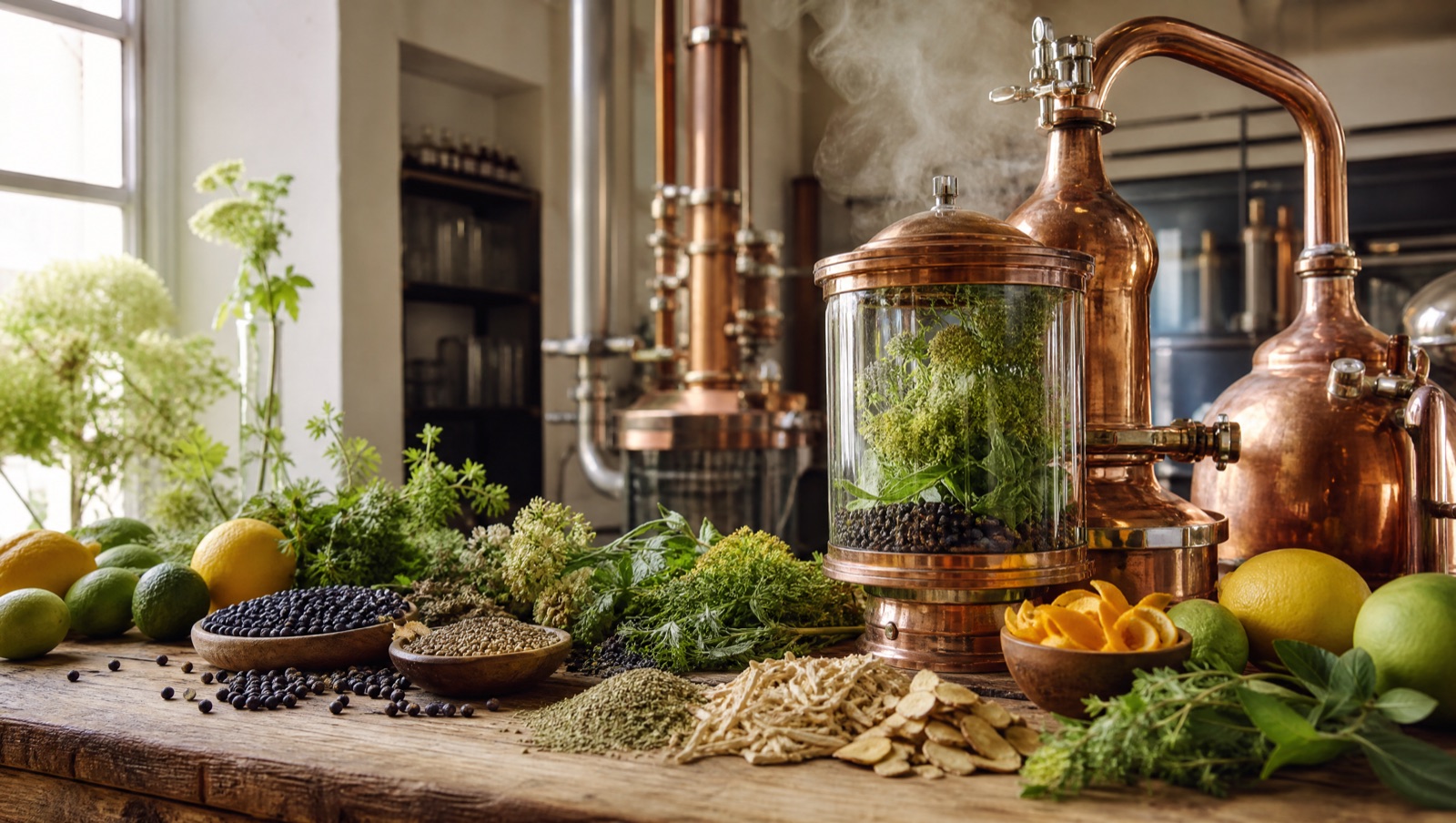
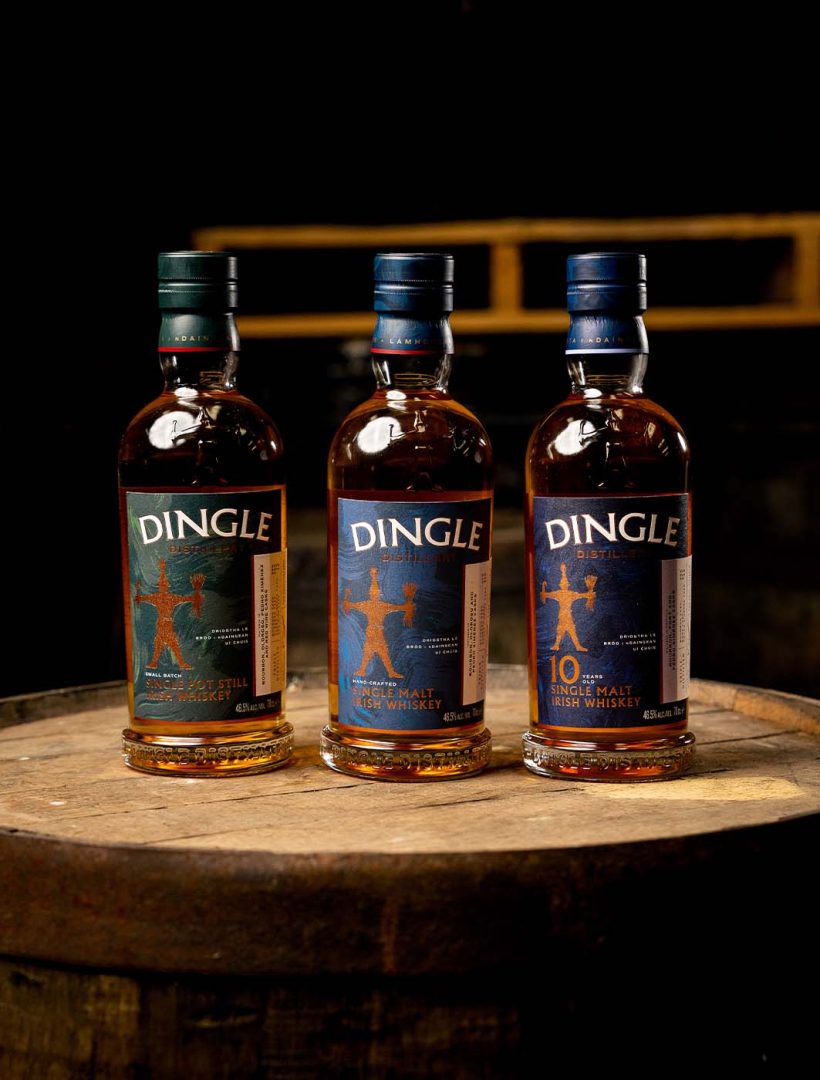
What sets Irish gin apart is a fondness for native botanicals. Distillers forage along the coast and across the bogs for ingredients such as dillisk and other seaweeds, heather, bog myrtle, gorse and wild herbs, layering them over the classic juniper backbone. The Shed Distillery in Leitrim helped define this character with its Drumshanbo Gunpowder gin, while Skellig Six18 in Kerry sits close enough to the ocean to gather its own shoreline botanicals, and Dingle Distillery built an early reputation on its peninsula spirit.
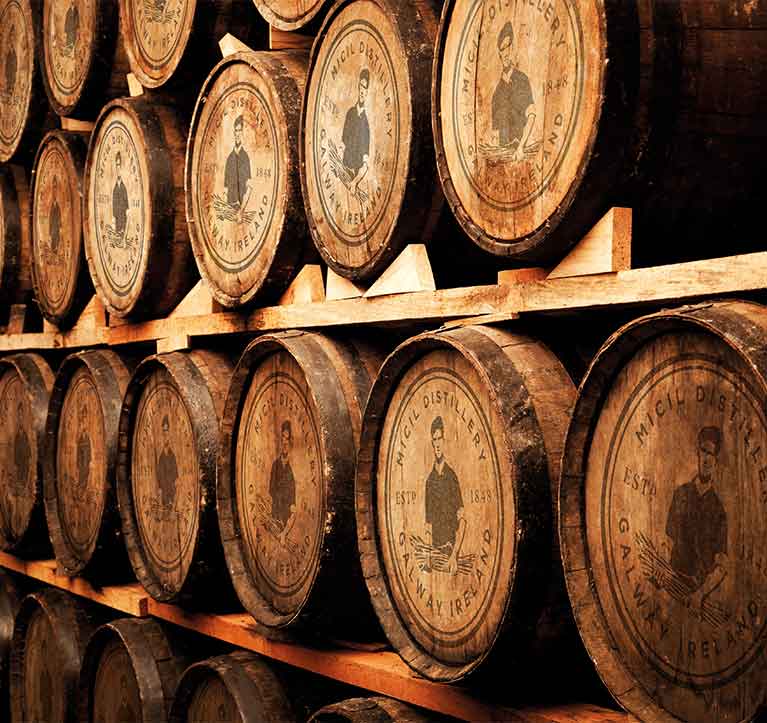
Visits range widely. You might join a short guided tour and tasting at Clonakilty or Rebel City in Cork, Micil in Galway, Ahascragh or Blackwater, or commit to a hands-on gin school such as Listoke in County Louth, where you blend and bottle your own recipe to take home.
What to expect on a tour
A standard Irish gin tour usually runs around 45 minutes to an hour and walks you through the journey from grain or neutral spirit to the finished bottle. Guides explain the role of juniper and the supporting botanicals, often passing around jars to smell and, at coastal distilleries like Skellig Six18, describing how seaweed and shoreline plants are foraged and dried. You'll see the copper pot stills, hear how each botanical is introduced, and finish with a guided tasting of the house range, sometimes alongside a signature gin and tonic served with the recommended garnish.
If you want something more involved, several distilleries run gin schools. Listoke in County Louth and The Shed in Drumshanbo are among the best known, and these half-day sessions let you choose your own botanicals, run a small tabletop still, and bottle, seal and label a personalised gin to take away. They are part lesson, part workshop, and a memorable way to understand how subtle changes in botanicals reshape a spirit.
Getting there & around
Ireland's gin distilleries are spread across the island, so geography shapes any itinerary. The southwest clusters conveniently: Clonakilty and Rebel City sit in and around Cork, with Killarney Brewing & Distilling, Skellig Six18 and Dingle within reach along the Kerry coast and the Wild Atlantic Way. Galway anchors the west with Micil, while Connacht Whiskey Company lies further north in Mayo, and Sliabh Liag's distilleries reach up into Donegal. The midlands and east hold Ahascragh, Ballykeefe, Blackwater and Listoke.
A hire car gives the most freedom, particularly for rural and coastal sites that public transport reaches only patchily. Intercity trains and buses link the main cities and towns well, so city-based distilleries are easy without a car. Because tastings are central to the experience, plan a designated driver, build in an overnight, or use local taxis rather than driving after sampling.
Frequently asked
- Do I need to book a gin distillery tour in advance?
- For standard tours it is wise, and for gin schools it is essential, as places are limited and small sessions fill quickly. Many distilleries run tours only at set times each day, and rural sites may have reduced hours out of season, so booking ahead avoids a wasted journey.
- How much does a tour or gin school cost?
- Prices vary by distillery, but a guided tour with a tasting typically falls in the lower tens of euro, while hands-on gin schools where you blend and bottle your own gin cost considerably more, generally in the region of around a hundred euro because they last several hours and include the bottle you take home. Always check the current price when booking.
- How many distilleries can I realistically visit in a day?
- Two is a comfortable maximum if they are close together, such as a pair in or near Cork or Galway. Tours include tastings, distilleries are often rurally spaced, and you'll need time to travel between them, so trying to cram in three usually means rushing and, for drivers, a tasting problem.
- Can I drink at the tastings if I'm driving?
- Ireland has strict drink-driving limits, so you should not drink and drive. Most distilleries will happily offer samples to take away in sealed containers, or arrange a soft alternative, so the practical solutions are a designated driver, a taxi, or staying overnight nearby. Always ask the distillery what they can do for drivers.
- Are children and families welcome?
- Policies differ. Some distilleries welcome families and provide non-alcoholic options for younger visitors, while gin schools and certain tours are restricted to those of legal drinking age. If you're travelling with children, contact the distillery beforehand to confirm whether they can join and what's suitable for them.
- Are the distilleries accessible for visitors with limited mobility?
- Many newer purpose-built visitor centres offer good step-free access, but some distilleries occupy older or working industrial buildings with stairs, raised walkways or uneven floors. If accessibility matters, ring ahead and the team can describe the route and arrange any assistance.
- What makes Irish gin different from other gins?
- Alongside the essential juniper, Irish distillers lean heavily on native and foraged botanicals, including coastal seaweeds, heather, bog myrtle, gorse and wild herbs, which give many Irish gins a distinctive sense of place. Tours are a good way to taste how these local ingredients shape the spirit.
- When is the best time to visit?
- Distilleries open year-round, but spring through early autumn brings longer daylight and more reliable weather for the often scenic drives, especially along the western and southern coasts. Summer and weekends are busiest, so if you prefer a quieter, more personal tour, consider visiting midweek or in the shoulder seasons and book ahead either way.