
Irish Whiskey · Ireland
Irish Whiskey Distilleries in Ireland
Tour 29 irish whiskey distilleries in Ireland. Each offers visits, tastings or experiences you can book directly — including Sliabh Liag Distillers (The Ardara Distillery), Jameson Distillery Bow St., Ballykeefe Distillery.
29distilleries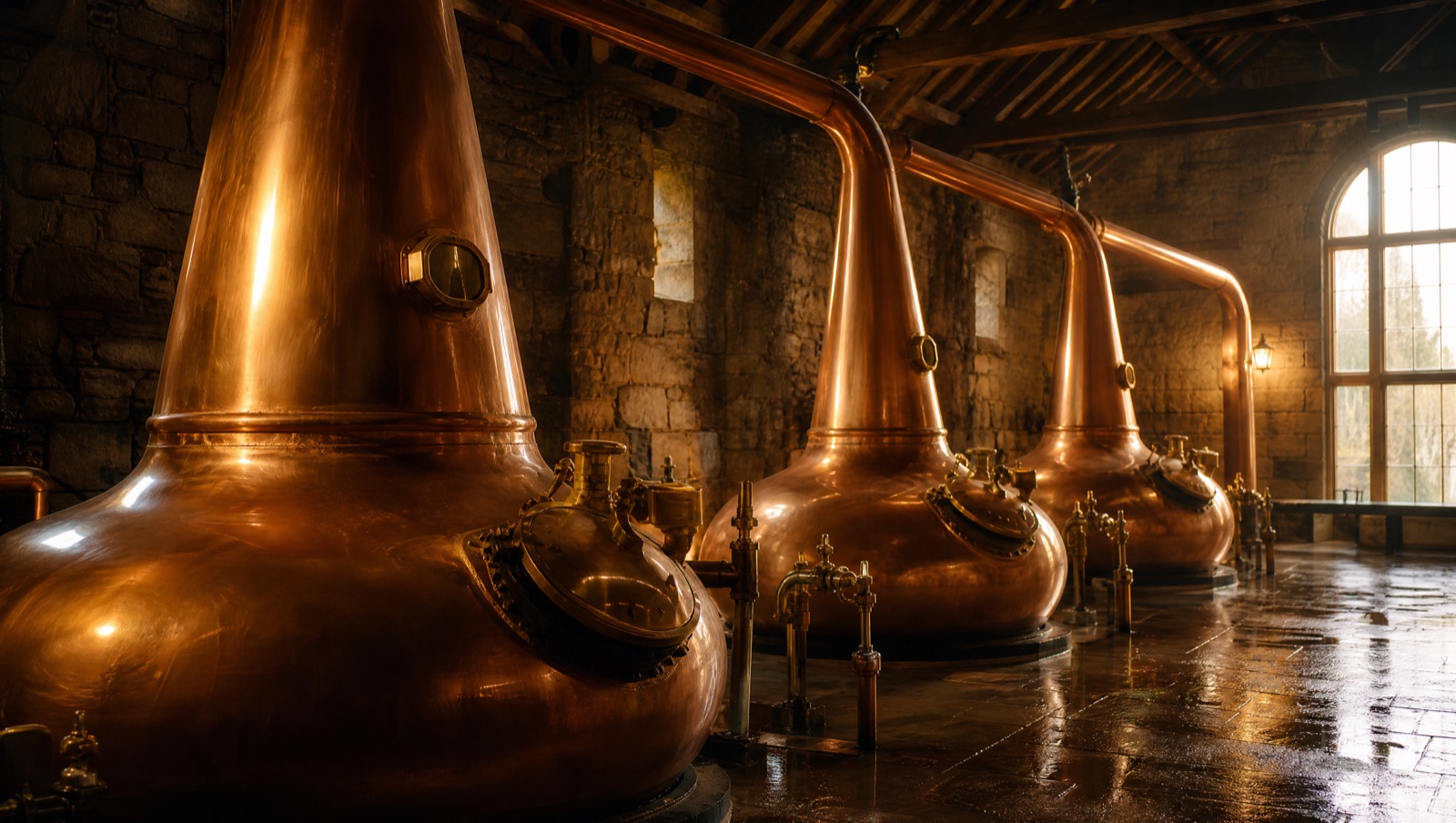
Sliabh Liag Distillers (The Ardara Distillery)
Donegal's first distillery in 175 years

Midleton Distillery (Jameson Experience)
Historic home of Jameson and Irish whiskey
Killarney Brewing & Distilling Co.
Whiskey and gin beneath the Kerry mountains

Glendalough Distillery
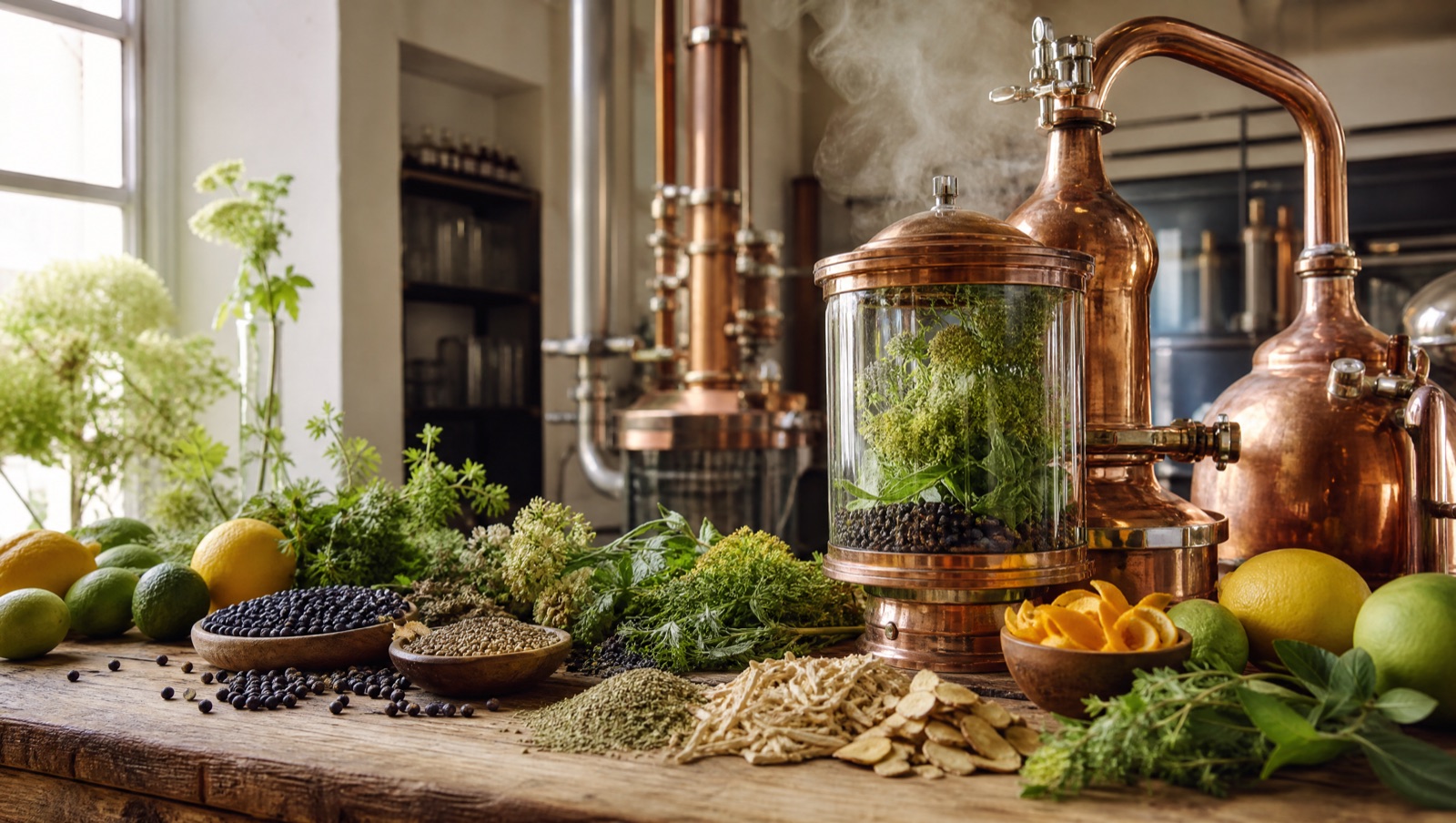
Wild botanical spirits from the Wicklow hills

About irish whiskey distilleries in Ireland
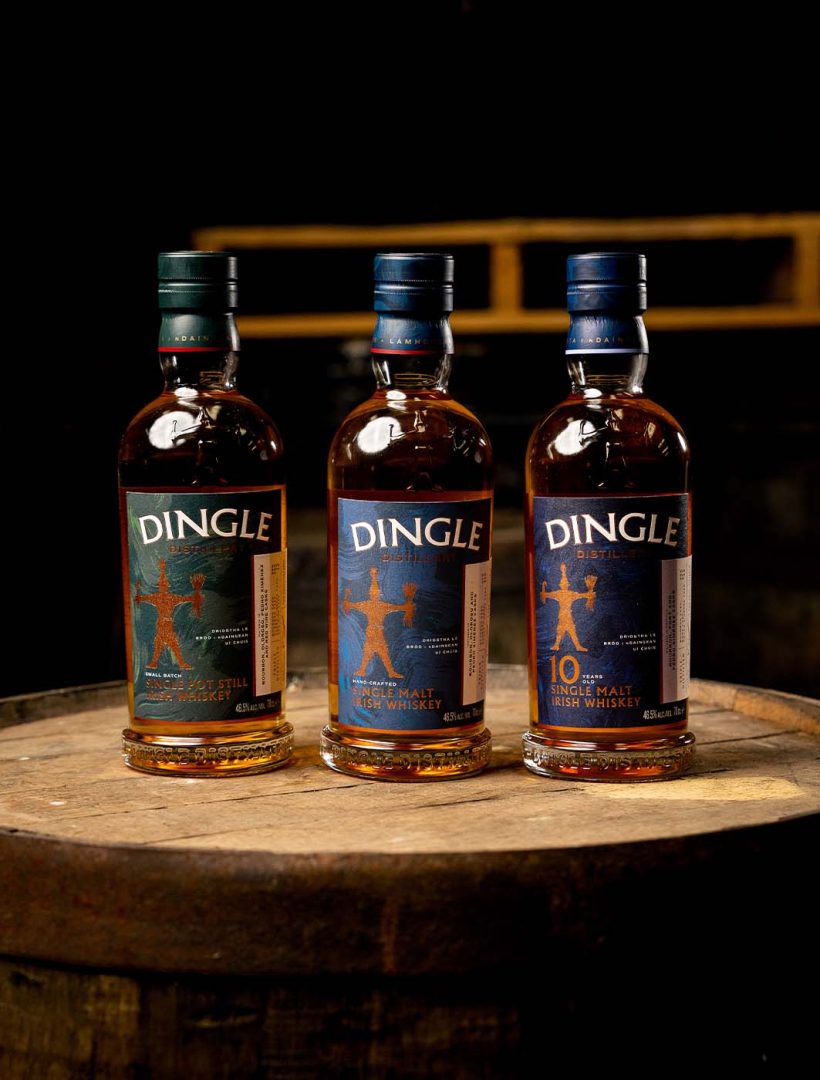
Ireland gave the world the word whiskey, and uisce beatha — the "water of life" — has been distilled here since the early monastic centuries. Once the most popular spirit on earth, Irish whiskey collapsed through the twentieth century to a mere handful of working distilleries, only to stage one of the great comebacks in drinks history. Today the island has dozens of distilleries open to visitors, and the names on this list trace that revival across the country, from Cork's historic Midleton Distillery (home to the Jameson Experience) to pioneering independents such as Dingle Distillery on the Kerry peninsula and Sliabh Liag Distillers in the wilds of Donegal.
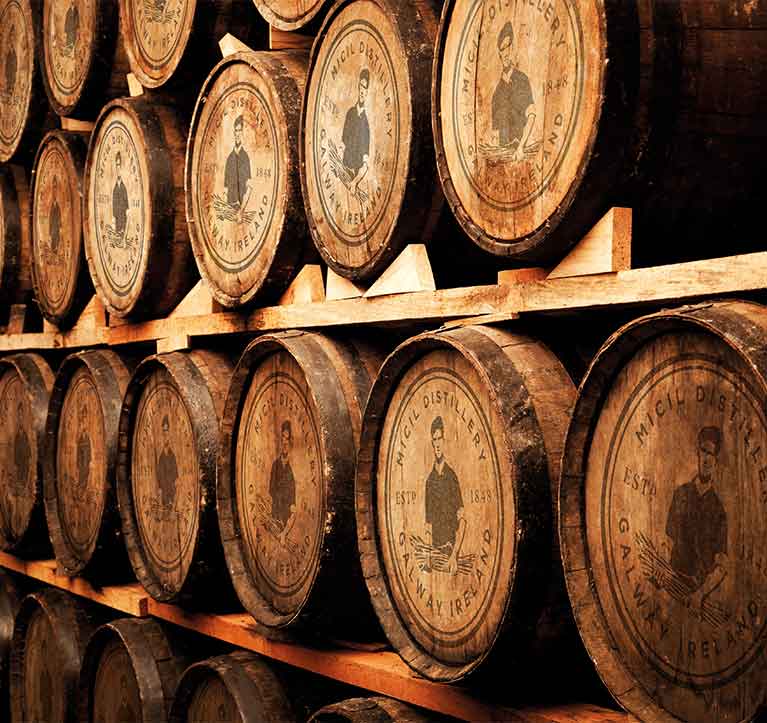
What unites Irish whiskey is its reputation for smoothness, often the result of triple distillation, alongside the country's signature single pot still style — made from a mash of malted and unmalted barley that gives a spicy, oily, full-bodied character found nowhere else. Newer producers like Boann Distillery in the Boyne Valley, The Shed Distillery in Leitrim, Ahascragh Distillery in Galway and Clonakilty Distillery in West Cork bring fresh energy, while Skellig Six18 and Micil Distillery root themselves firmly in their local landscapes.
Tours range from polished heritage experiences to intimate, founder-led visits, almost always finishing with a guided tasting and the chance to compare grain, malt and pot still expressions.
What to expect on a tour
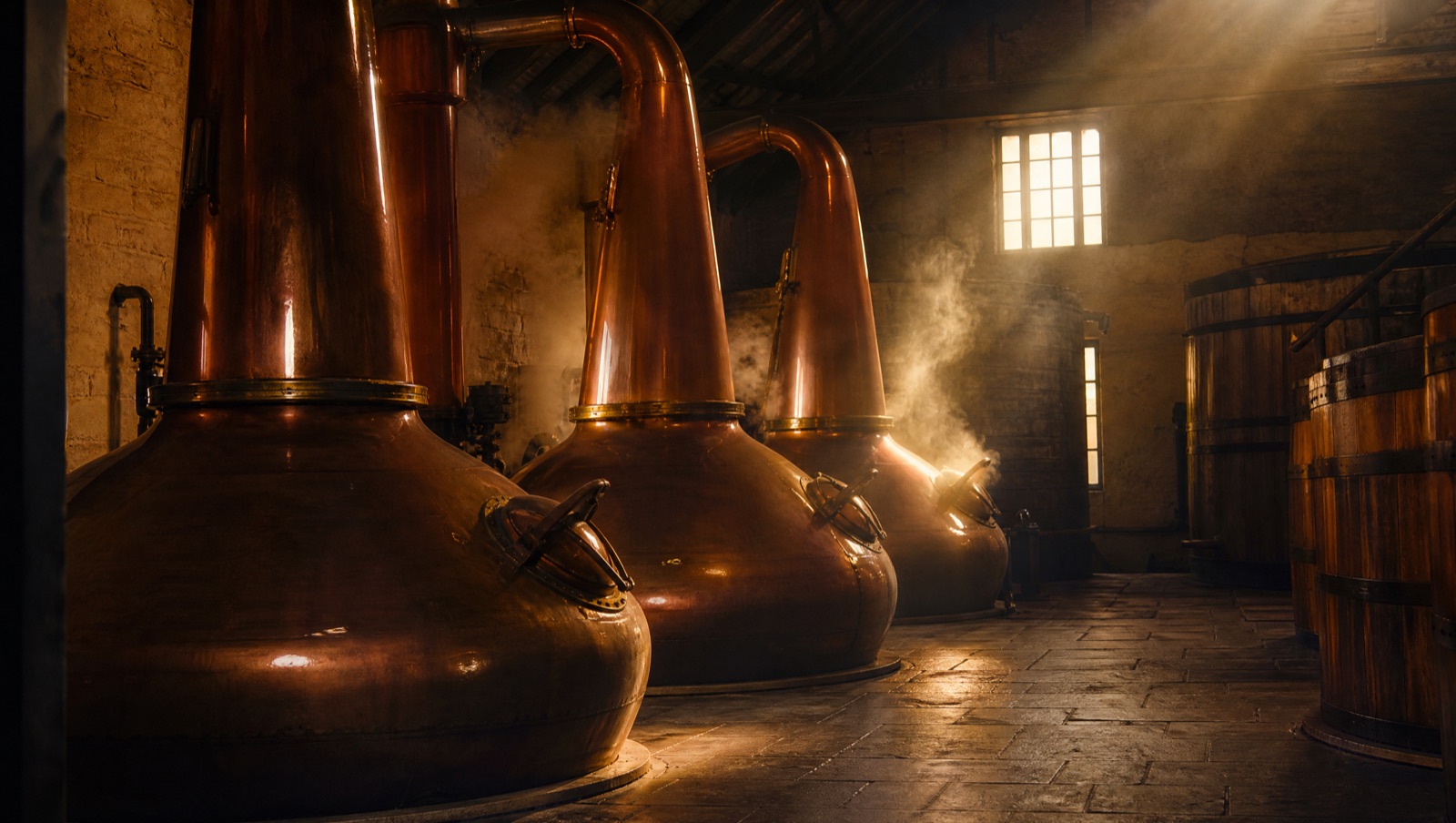
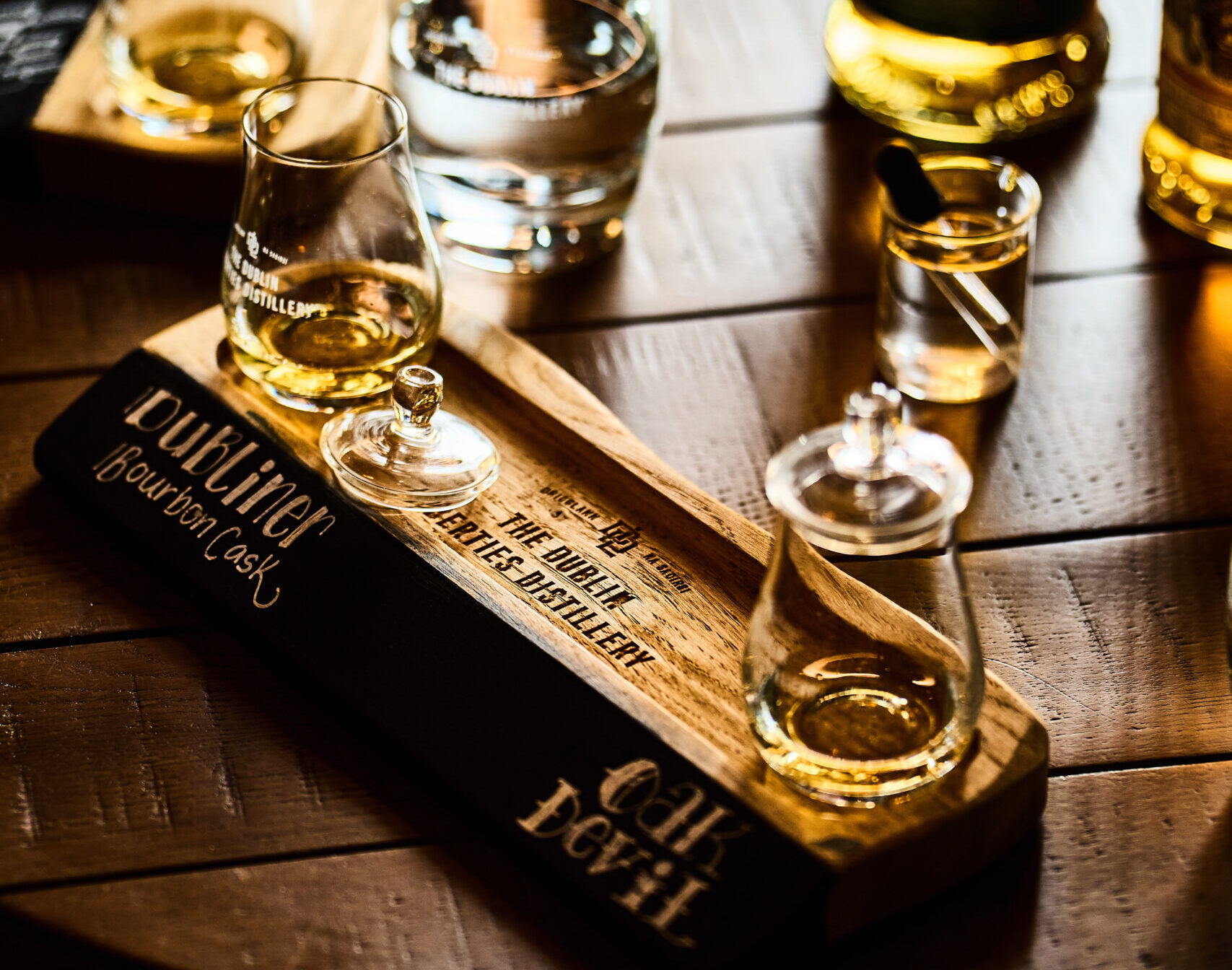
Most Irish distillery tours follow the spirit from grain to glass. A guide walks you through milling, mashing and fermentation, then into the still house to stand beside the gleaming copper pot stills where the magic — and much of the smoothness — happens. You'll usually finish in a maturation warehouse, breathing in the heady aroma of whiskey resting in oak, before a seated tasting. Expect to sample two or three expressions, frequently a comparison across grain, malt and single pot still styles, and at larger sites such as the Jameson Experience at Midleton you may be offered a side-by-side of Irish, Scotch and American whiskey to illustrate what triple distillation does.
The character of the visit varies enormously. Heritage distilleries can feel slick and group-heavy in high season, while smaller independents like Ballykeefe, Lough Mask or Connacht Whiskey often deliver something more personal, sometimes guided by the founders themselves. Standard tours typically last around an hour; deeper experiences add cask sampling, blending workshops or premium flights and can run two to three hours. It pays to read recent reviews rather than going on reputation alone.
Getting there & around
Ireland's distilleries are spread right across the island, and many of the most atmospheric sit along the Wild Atlantic Way, the coastal route curling from West Cork up to Donegal. Dingle Distillery rewards the drive out onto the Kerry peninsula; Sliabh Liag Distillers and its Ardara Distillery anchor the far northwest; Micil and Killarney Brewing & Distilling serve the southwest; and Boann, Ahascragh, The Shed and Connacht dot the midlands and west. A hire car gives you the freedom to string several together, though the open road and a tasting room are an obvious tension.
If you intend to taste, plan around it: nominate a designated driver, build in an overnight, or join an organised whiskey tour that handles transport. Several distilleries will hold back your measures as a take-home sample (a "driver's dram") so you don't miss out. City-centre sites are easily reached on foot or by public transport, but rural distilleries usually need a car or a pre-arranged transfer, so check access before you set off.
Frequently asked
- Do I need to book a distillery tour in advance?
- For most distilleries, yes. Tours frequently sell out weeks ahead in peak season, and walk-in availability is unreliable, particularly at popular sites like the Jameson Experience at Midleton. Booking online also lets you choose between standard and premium experiences. Smaller independents may have fewer daily slots, so reserve ahead even if they seem quieter.
- How much does an Irish whiskey tour cost?
- As a general guide, a standard hour-long tour with a tasting tends to cost in the region of €20–30 per person. More in-depth experiences — cask sampling, blending workshops or premium tasting flights — run higher, and full-day packages that include lunch, premium pours and a bottle to take home can reach a few hundred euros. Prices vary by distillery, so check current rates when booking.
- How many distilleries can I visit in a day?
- Realistically two, perhaps three if they are close together and you keep tours short. Each visit takes an hour or more, plus travel, and tasting at multiple stops means you'll need a non-drinking driver or organised transport. Ireland's distilleries are widely dispersed, so cluster your choices geographically rather than crossing the country.
- Can I drive between distilleries if there are tastings?
- Only if you are not the one drinking. Ireland enforces strict drink-driving limits, so either nominate a designated driver, stay overnight nearby, or book a tour with transport included. Many distilleries will package your tasting measures as a sealed take-home sample so a driver can still enjoy them later. Never attempt to drive after a tasting flight.
- Are the tours suitable for children and families?
- Policies differ. Some distilleries welcome families and offer soft drinks or non-alcoholic alternatives for younger visitors and non-drinkers, while others restrict tours to those of legal drinking age, especially experiences centred on tasting. Check each distillery's age policy before booking, and expect to show ID for any tasting.
- Are distillery tours accessible for visitors with limited mobility?
- Many modern visitor centres are designed with accessibility in mind, but older and rural distilleries can involve stairs, uneven floors and warehouse settings. Accessibility varies considerably from site to site, so contact the distillery directly in advance to confirm step-free routes, lift access and any arrangements they can make.
- What is single pot still whiskey, and where can I try it?
- Single pot still is Ireland's signature style, made from a mash of both malted and unmalted barley distilled in copper pot stills, giving a spicy, oily, full-bodied character unique to Ireland. Tastings at distilleries such as Dingle and Midleton are a good place to compare it against lighter grain and malt whiskeys.
- When is the best time to visit?
- Distilleries are open year-round, but late spring through early autumn brings the most reliable weather for road trips along routes like the Wild Atlantic Way. That is also the busiest period, so for a quieter, more intimate tour aim for a weekday morning slot rather than a summer weekend afternoon.