
Distillery tours
Distillery Tours in Ireland
Plan a distillery tour in Ireland: 32 distilleries to visit, with tastings and experiences you can book directly. Expect Irish Whiskey, Gin, Craft Spirits and more. Highlights include Sliabh Liag Distillers (The Ardara Distillery), Jameson Distillery Bow St., Ballykeefe Distillery.
32distilleries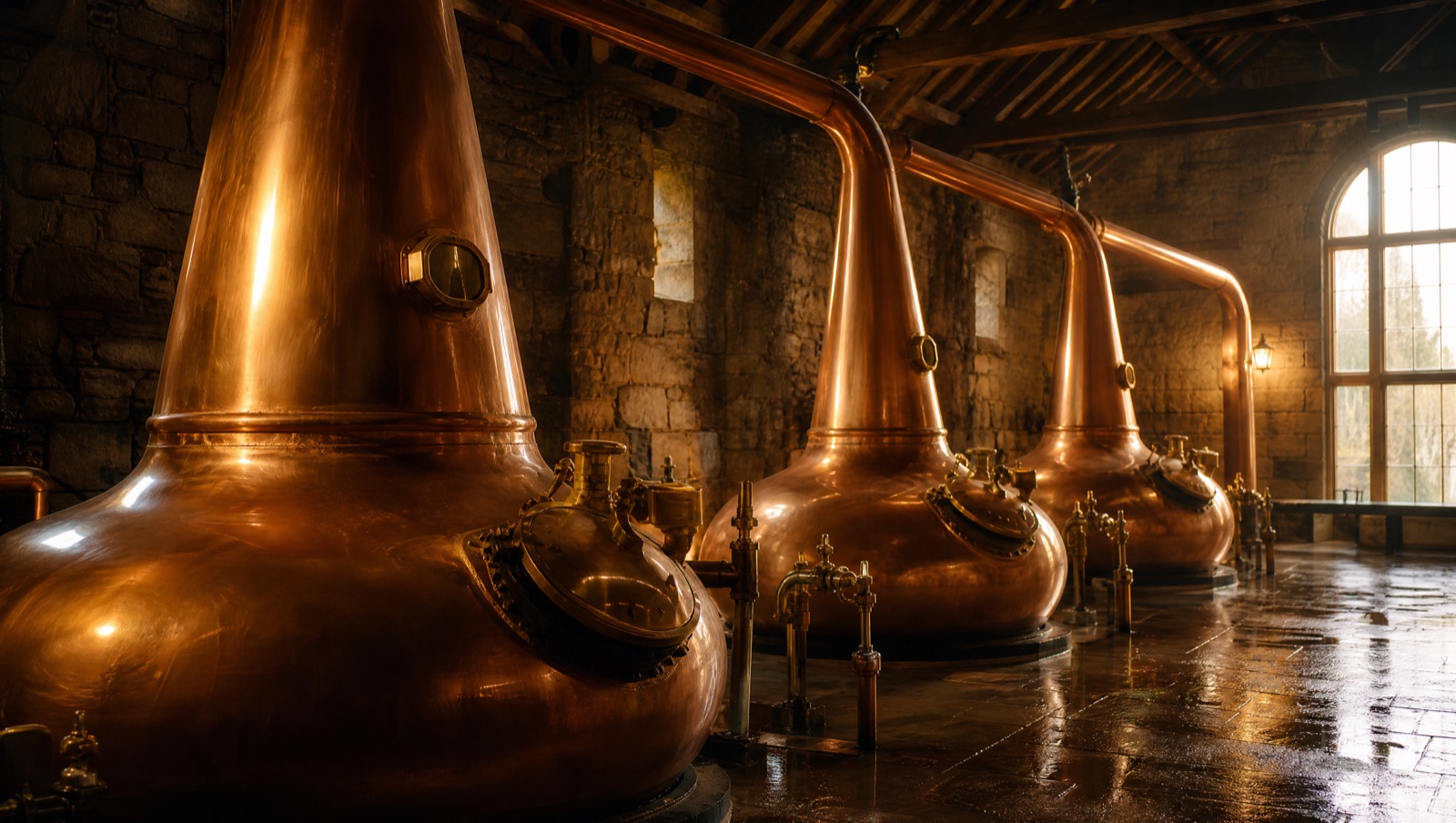
Sliabh Liag Distillers (The Ardara Distillery)
Donegal's first distillery in 175 years

Midleton Distillery (Jameson Experience)
Historic home of Jameson and Irish whiskey
Killarney Brewing & Distilling Co.
Whiskey and gin beneath the Kerry mountains

Glendalough Distillery
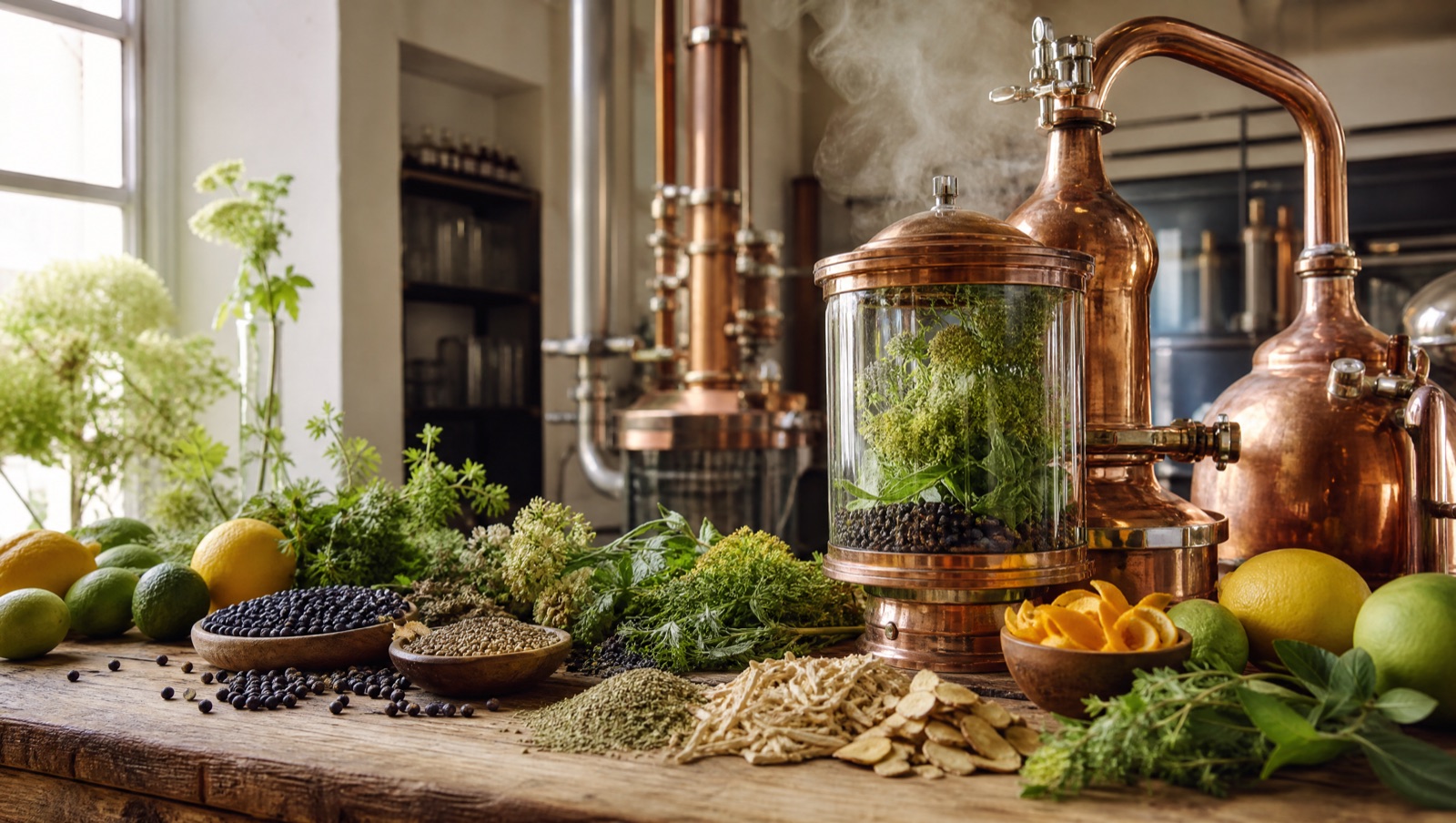
Wild botanical spirits from the Wicklow hills

About distillery tours in Ireland
Ireland gave the world the word "whiskey" — from the Irish uisce beatha, the water of life — and for a stretch of the nineteenth century it dominated the global trade, with more than a hundred working distilleries. That heritage all but vanished in the twentieth century, leaving a mere handful of producers by the early 2000s. What has happened since is one of the great drinks revivals: dozens of new and reawakened distilleries now spread from Cork to Donegal, and visiting them has become one of the most rewarding ways to travel the island.
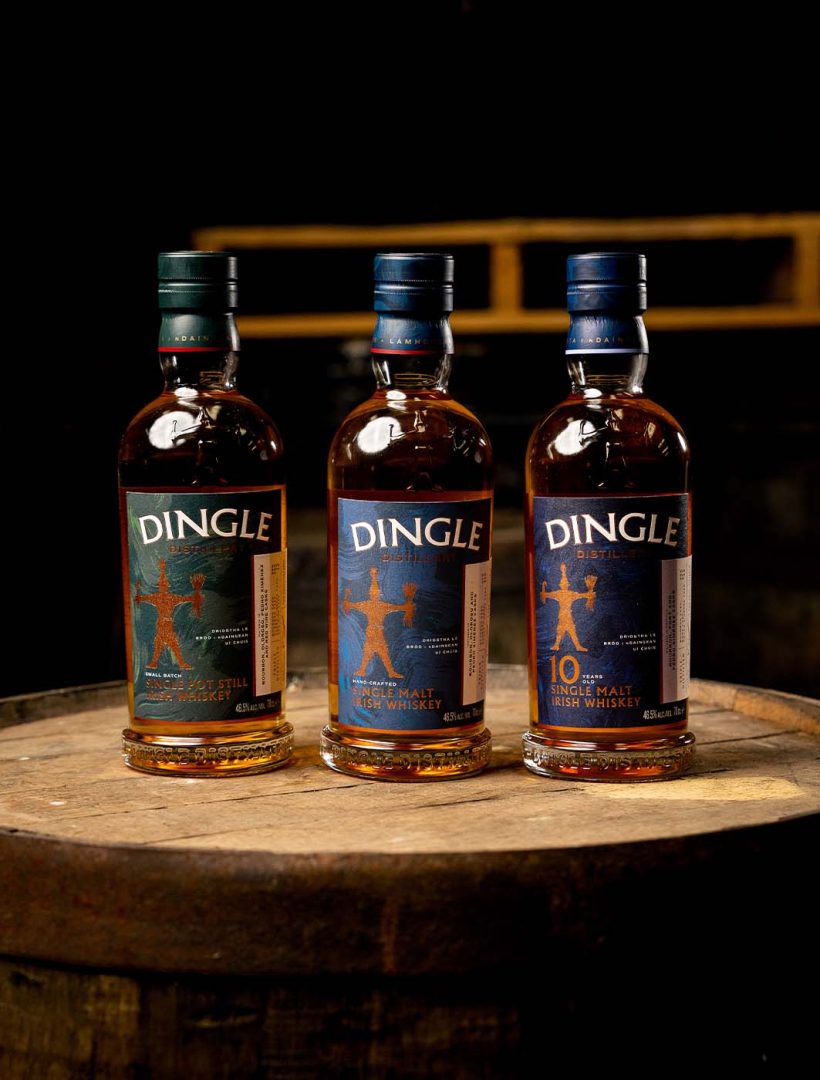
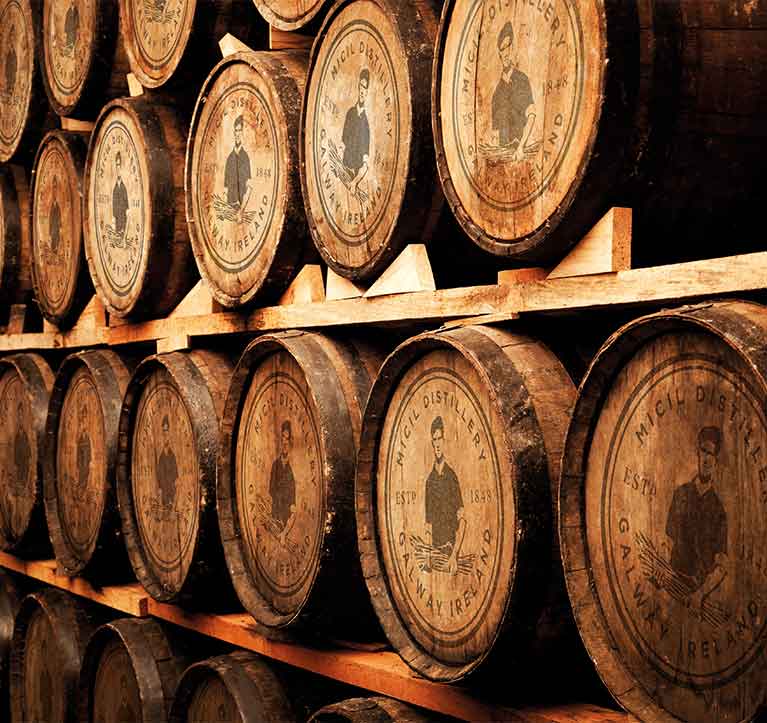
Irish whiskey is best known for its smooth, approachable character, traditionally triple-distilled and frequently built around the native single pot still style, which uses both malted and unmalted barley for a creamy, gently spiced spirit. You can taste that tradition at the vast Midleton Distillery in Cork, home of the Jameson Experience, then see how a new generation interprets it at the seaside Dingle Distillery in Kerry, the six-generations-deep Micil Distillery on Galway Bay, or the smoke-leaning Sliabh Liag Distillers in Donegal.
Tours range across the spectrum, from polished visitor centres with guided tastings and cask-comparison flights to intimate family-farm operations like Ballykeefe Distillery in Kilkenny and hands-on sessions such as the gin school at Listoke Distillery near Drogheda. There is genuinely something for every palate, budget and level of curiosity.
What to expect on a tour
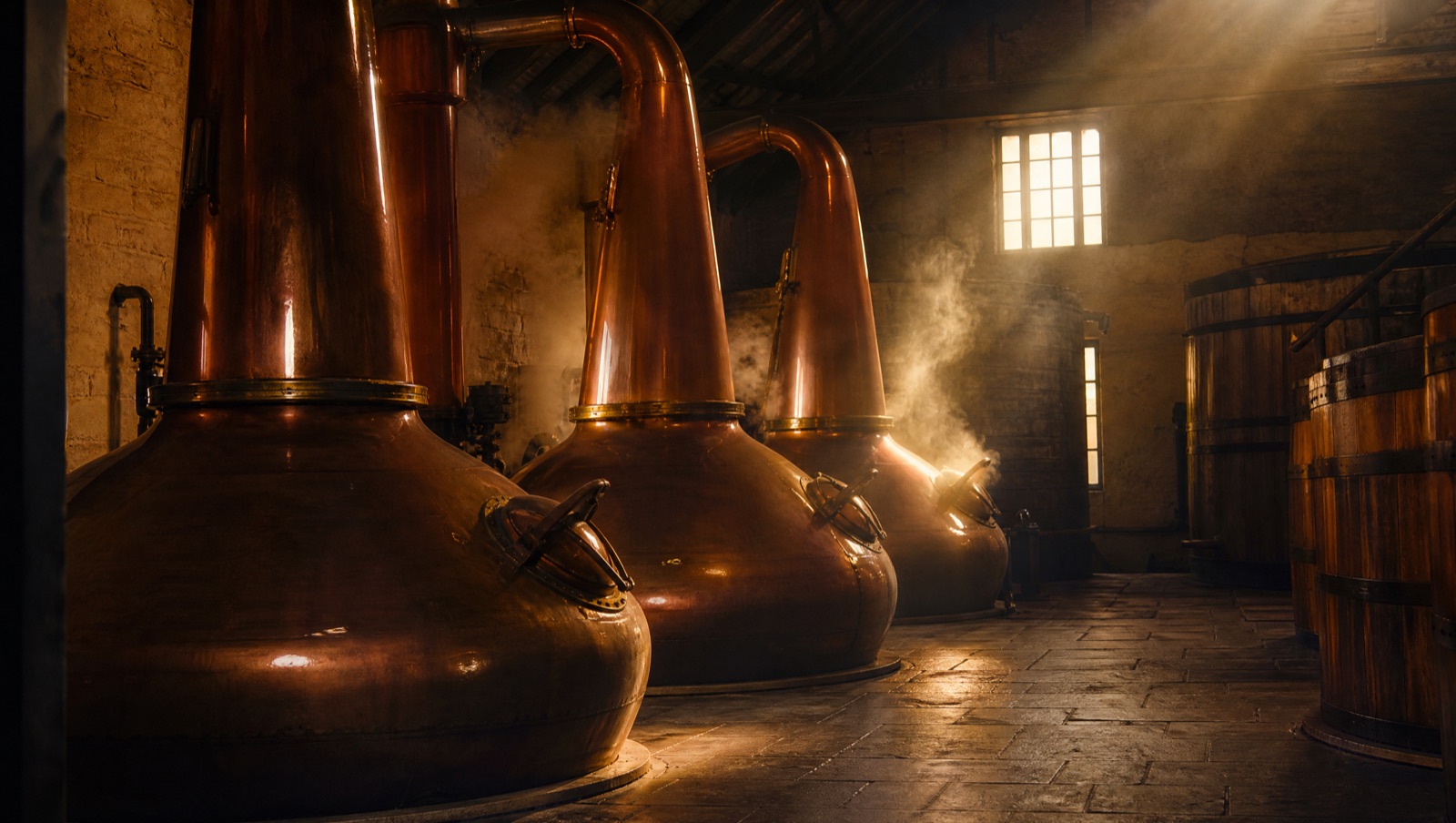
Most Irish distillery tours follow a similar arc: a walk through the production process — mashing, fermentation, the gleaming copper pot stills and the maturation warehouse — followed by a guided tasting. At larger sites such as Midleton's Jameson Experience or Skellig Six18 in Cahersiveen you will find purpose-built visitor centres, café-bars and interactive exhibits, while smaller producers like Clonakilty Distillery, Rebel City Distillery in Cork or Ballykeefe in Kilkenny offer a more personal, founder-led feel where you often meet the people doing the distilling.
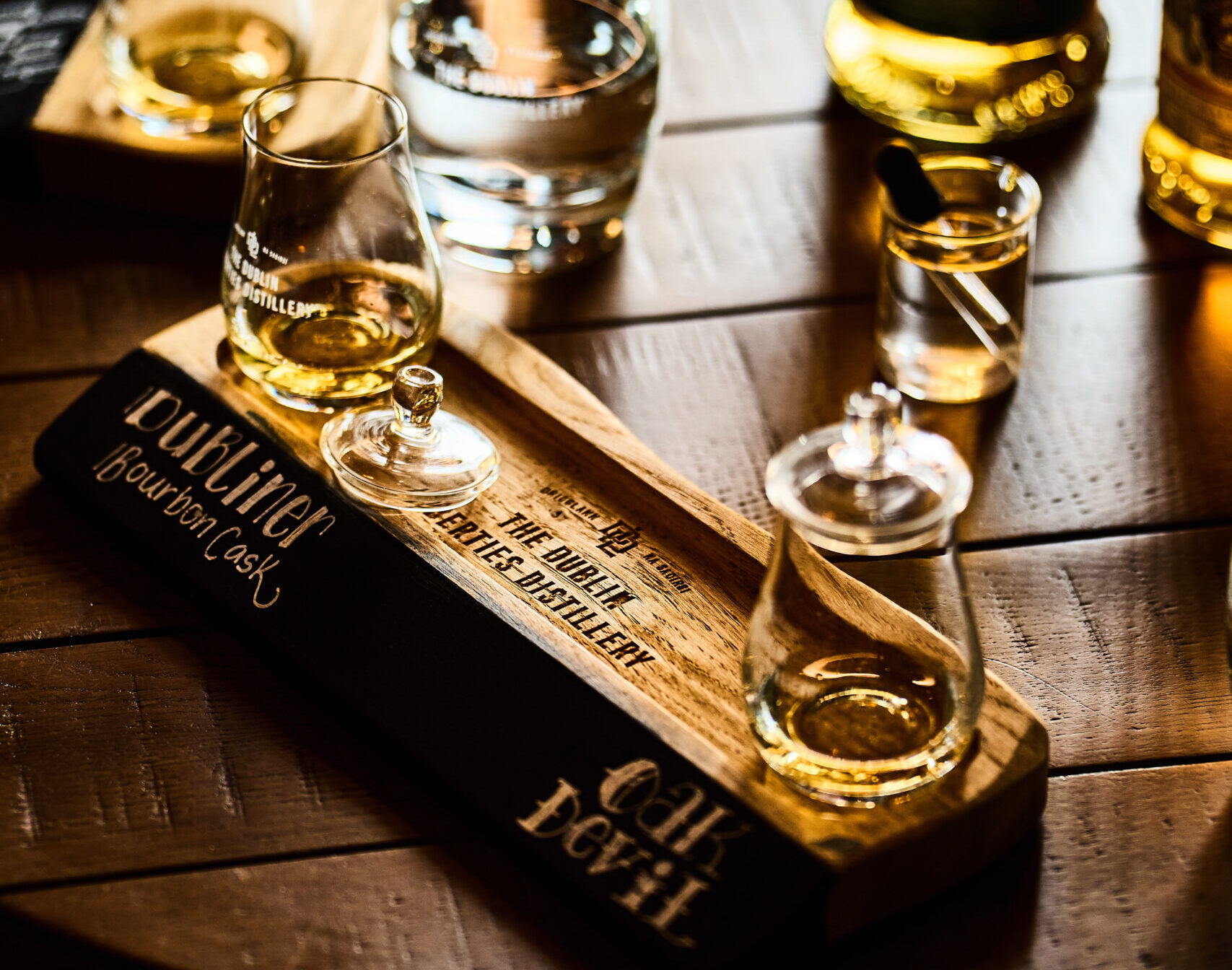
Tastings typically include a small flight comparing the house range, and many distilleries also make gin, poitín or other spirits, so a visit is rarely whiskey-only. Some sites lean into the experience: Listoke runs a popular gin school where you blend your own bottle, and several distilleries that are also breweries — Killarney Brewing & Distilling Co. among them — pair spirits and beer tasting under one roof. Premium tastings, cask draws and food pairings are usually available at extra cost if you want to go deeper.
Getting there & around
Ireland's distilleries are scattered across the country, with notable clusters along the Wild Atlantic Way on the west coast — Donegal's Sliabh Liag (including The Ardara Distillery), Galway's Micil and the inland Ahascragh Distillery, and Kerry's Dingle and Skellig Six18 — alongside a strong concentration in and around Cork. A car gives you the most freedom, but Ireland enforces a strict 50mg blood-alcohol limit (20mg for learner and professional drivers), so the driver should treat any tasting as off-limits and ask for drivers' measures to take away instead.
For that reason many visitors plan around a designated driver, organised whiskey tours with transport included, or by basing themselves in a town such as Cork, Galway, Dingle or Drogheda and reaching nearby distilleries by taxi. Public transport reaches the cities reliably but rural distilleries can be awkward without a car, so check connections in advance and book taxis ahead in quieter areas.
Frequently asked
- Do I need to book a distillery tour in advance?
- It is strongly recommended, especially for the bigger names and at weekends or during summer. Larger visitor centres like the Jameson Experience at Midleton run scheduled tours that can sell out, and smaller family distilleries may only open by appointment or on set days, so booking online ahead avoids disappointment.
- How much does a distillery tour cost?
- Prices vary widely. A standard guided tour with a tasting typically falls in the lower tens of euro per person, while premium experiences — cask comparisons, reserve tastings, blending or gin-school sessions — cost more. Always check each distillery's current pricing directly, as rates change and some offer family or group tickets.
- How many distilleries can I realistically visit in a day?
- Two is comfortable, three is busy. Tours usually run from around an hour to ninety minutes plus tasting time, and Irish distilleries are often spread out, particularly along the Wild Atlantic Way. Factor in driving distances and the fact that whoever is driving cannot taste, and a relaxed pace of one or two per day tends to be more enjoyable.
- Can I drink at a tasting if I'm driving?
- No. Ireland's drink-driving limits are low and strictly enforced — 50mg of alcohol per 100ml of blood for most drivers, lower for learners and professionals — so even a single tasting measure can put a driver over. Most distilleries will happily provide the driver's samples in a take-away bottle to enjoy later, or you can nominate a non-drinking driver or join a tour with transport.
- Are distillery tours suitable for children and families?
- Many distilleries welcome families and offer non-alcoholic alternatives for under-18s, and several sites that combine brewing, dining or visitor attractions are particularly child-friendly. That said, policies differ and some intimate tastings are adults-only, so check the age policy of each distillery before you go.
- What's the best time of year to visit?
- Distilleries are open year-round, but late spring through early autumn brings the best weather, longest days and fullest tour schedules — handy when you are also driving scenic routes. Winter visits are quieter and more atmospheric, though rural opening hours can be reduced, so confirm times before travelling.
- Are the distilleries accessible for visitors with limited mobility?
- Modern purpose-built visitor centres such as those at Midleton and Skellig Six18 generally offer good accessibility, while older buildings, working production floors and warehouse stairs can be harder to navigate. If accessibility matters, contact the distillery in advance — staff can usually advise on step-free routes or adapt the tour.