
Distillery tours
Distillery Tours in Speyside
Plan a distillery tour in Speyside: 22 distilleries to visit, with tastings and experiences you can book directly. Expect Single Malt and more. Highlights include Tomintoul Distillery, Glen Spey / Knockando area distilleries, Aberlour Distillery.
22distilleries
Glen Spey / Knockando area distilleries
Speyside single malt in the heart of the region


About distillery tours in Speyside
Speyside is the beating heart of Scotch whisky, a fertile wedge of the north-east Highlands tucked between Inverness and Aberdeen and laced by the fast, clear River Spey. No other corner of Scotland comes close to its density of distilleries: more than fifty work the glens here, drawing on soft mineral water, local barley and a distilling tradition that stretches back to the days of illicit farm stills and smugglers slipping casks south. The 1823 Excise Act and, later, the arrival of the railway turned a clandestine trade into an industry, and a remarkable building boom in the 1890s gave the region many of the names whisky lovers still chase today.
Visitors come for the chance to taste that history at source. Speyside malts are famously approachable and varied, ranging from honeyed, fruity and sherried styles to lightly peated drams, and the distilleries open to the public run the full spectrum of experiences. You might tour grand, much-visited estates such as Glenfiddich, Glen Grant or Aberlour, the family-owned warehouses of Glenfarclas, or the photogenic stone courtyard of Strathisla. Smaller and revived names like Benromach, Speyburn, Ballindalloch and the recently established Dunphail offer a quieter, more personal welcome, while Dallas Dhu survives as a preserved historic distillery rather than a working one.
Most distilleries pair a walk through the mash house, still room and dunnage warehouses with a guided tasting; many also run premium tastings, cask experiences and tutored flights for those who want to dig deeper.
What to expect on a tour
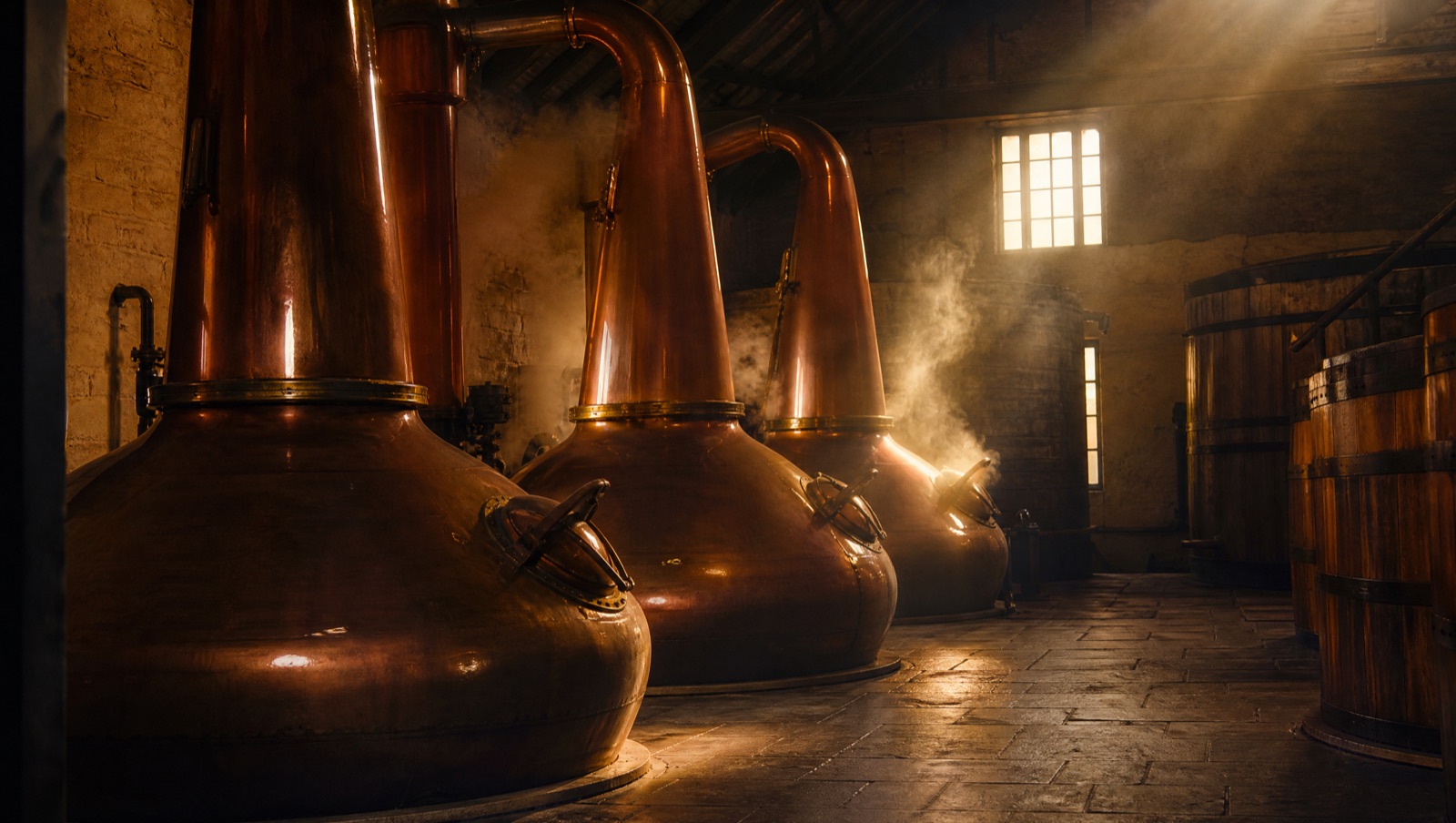
A standard Speyside distillery tour follows the whisky from grain to glass: the malt store and mill, the mash tun where hot water draws sugars from the grist, the washbacks where fermentation bubbles away, and finally the gleaming copper stills that give each distillery its character. Most tours end in a dunnage or racked warehouse, where the smell of maturing spirit hangs in the air, before a seated tasting of two or three drams. Expect roughly an hour to ninety minutes for a classic tour.
Beyond the standard experience, many Speyside distilleries offer something more involved. Glenfarclas is known for its family-run warehouse tastings, Aberlour and Glenfiddich run in-depth tasting and cask experiences, and several sites let you draw and bottle your own dram straight from the barrel. Photography is sometimes restricted in production areas for safety reasons, so it is worth checking each distillery's policy when you arrive. If you are driving, ask about driver's drams, which are small samples bottled to take away and enjoy later.
Getting there & around
Speyside is most easily reached via Inverness, around an hour west, which has the nearest major airport and good rail links. Train stations at Aviemore, Elgin and Keith put you on the edge of whisky country, and from there local buses connect the larger towns. The Stagecoach 36 runs roughly hourly (Monday to Saturday) between Elgin, Aberlour, Craigellachie and Dufftown, with several distilleries within a short walk of the stops, making a car-free day genuinely feasible around that corridor.
That said, many distilleries sit out in the glens, so a car gives you the most freedom. The catch is obvious: if you are tasting, you should not be driving. Plenty of visitors solve this with a designated driver, a guided minibus tour from Elgin, Dufftown, Aberlour or Inverness, or by basing themselves in a town such as Dufftown or Aberlour and walking between nearby sites. Dufftown alone has a cluster of distilleries within easy reach on foot. The signposted Malt Whisky Trail links a string of well-known sites, including Glenfiddich, Cardhu, Glen Grant, Glenfarclas, Strathisla, Benromach and the historic Dallas Dhu, if you want a ready-made route.
Best time to visit
Late spring through early autumn (roughly May to September) is the most reliable window, with longer daylight, milder weather and the fullest tour schedules. The headline event is the Spirit of Speyside Whisky Festival, held each May, when distilleries across the Malt Whisky Trail open up for hundreds of special tastings, dinners and rare cask events; it is wonderful but extremely popular, so book accommodation and festival tickets months ahead.
Outside the festival, summer brings warm welcomes but also crowds at the biggest names, so reserve tours in advance. Autumn offers golden glens and a quieter pace, while winter is atmospheric and uncrowded, though some smaller distilleries reduce their hours or close to visitors, and a few schedule annual maintenance (the silent season) when production stops. Always confirm opening times directly before travelling out of season.
Frequently asked
- Do I need to book Speyside distillery tours in advance?
- For the well-known names such as Glenfiddich, Aberlour, Glen Grant and Strathisla, yes, book ahead, especially in summer and during the May festival when tours sell out. Smaller distilleries may take walk-ins, but reserving online still guarantees a slot and a particular tour type. During the Spirit of Speyside festival, booking weeks or months ahead is essential.
- How many distilleries can I realistically visit in one day?
- Two or three is sensible. Each tour runs around an hour to ninety minutes, and you will want time to travel between sites, taste properly and perhaps stop for lunch. Trying to squeeze in more tends to blur the experience, and tasting at several distilleries adds up quickly. A relaxed pair of morning and afternoon tours usually makes for a better day than a rushed marathon.
- What do tours cost?
- Prices vary widely by distillery and experience. Standard tours with a tasting typically sit in the modest single-to-low-double-figure range per person, while premium tastings, cask experiences and behind-the-scenes tours cost considerably more. Many distilleries deduct the tour fee from any bottle you buy afterwards. Check each distillery's website for current pricing, as these change over time.
- Can I visit if I'm driving and still taste the whisky?
- You can visit, but you should not drink and drive; Scotland's drink-drive limit is low. Most distilleries offer driver's drams, small sealed samples you take away to enjoy later, so you needn't miss out. Better still, join a guided minibus tour or designate a non-drinking driver so everyone can taste freely on the day.
- Is it possible to do Speyside without a car?
- Yes, with planning. Base yourself in Dufftown, Aberlour or Elgin, all reachable by train and bus, and use the hourly Stagecoach 36 along the Elgin to Dufftown corridor, where several distilleries are a short walk from the stops. Guided tours departing from Elgin, Inverness and the main towns are the easiest car-free option for reaching distilleries out in the glens.
- Are distillery tours suitable for children and families?
- Policies differ. Some distilleries welcome families and offer soft drinks or non-alcoholic tastings for younger visitors, while others set a minimum age for production areas on safety grounds, and a few do not admit under-18s on certain tours at all. If you are travelling with children, check the individual distillery's age policy before booking.
- Are the distilleries accessible for visitors with limited mobility?
- Many newer or recently refurbished visitor centres have step-free access and accessible facilities, but older distilleries often involve stairs, uneven cobbles and warehouse floors that can be difficult to navigate. Accessibility varies considerably from site to site, so it is worth contacting the distillery directly in advance to discuss your needs and confirm what they can accommodate.