
Single Malt · Speyside
Single Malt Distilleries in Speyside
Tour 22 single malt distilleries in Speyside. Each offers visits, tastings or experiences you can book directly — including Ballindalloch Distillery, BenRiach Distillery, Benromach Distillery.
22distilleries

Glen Spey / Knockando area distilleries
Speyside single malt in the heart of the region

About single malt distilleries in Speyside
Speyside is the beating heart of Scotch single malt. Tucked into the fertile valley of the River Spey in the north-east, between the Moray coast and the Cairngorm foothills, this compact pocket of countryside holds the greatest concentration of malt whisky distilleries anywhere in the world, around fifty in all, and produces a large share of Scotland's single malt. The style it is famous for tends toward elegance rather than the smoke and seaweed of the islands: ripe orchard fruit, honey, malt and gentle sherry-cask richness, drawn from the soft, mineral water of the Spey and its tributaries.
The roster of distilleries here reads like a who's-who of the category. Visitors can stand in the still house at Glenfiddich, one of the most-visited distilleries in Scotland, sample family-made drams at the long-established Glenfarclas, or admire the storybook pagodas and waterwheel of Strathisla in Keith, among Scotland's oldest working distilleries. Aberlour, Benromach near Forres, Cardhu, Glen Grant in Rothes, Cragganmore and Benromach each have their own character and welcome.
Tours range from straightforward production walks with a tutored tasting of three expressions to in-depth warehouse and cask sessions for keen enthusiasts. Many of these names sit on the official Malt Whisky Trail, making it easy to string several visits into a memorable few days.
What to expect on a tour
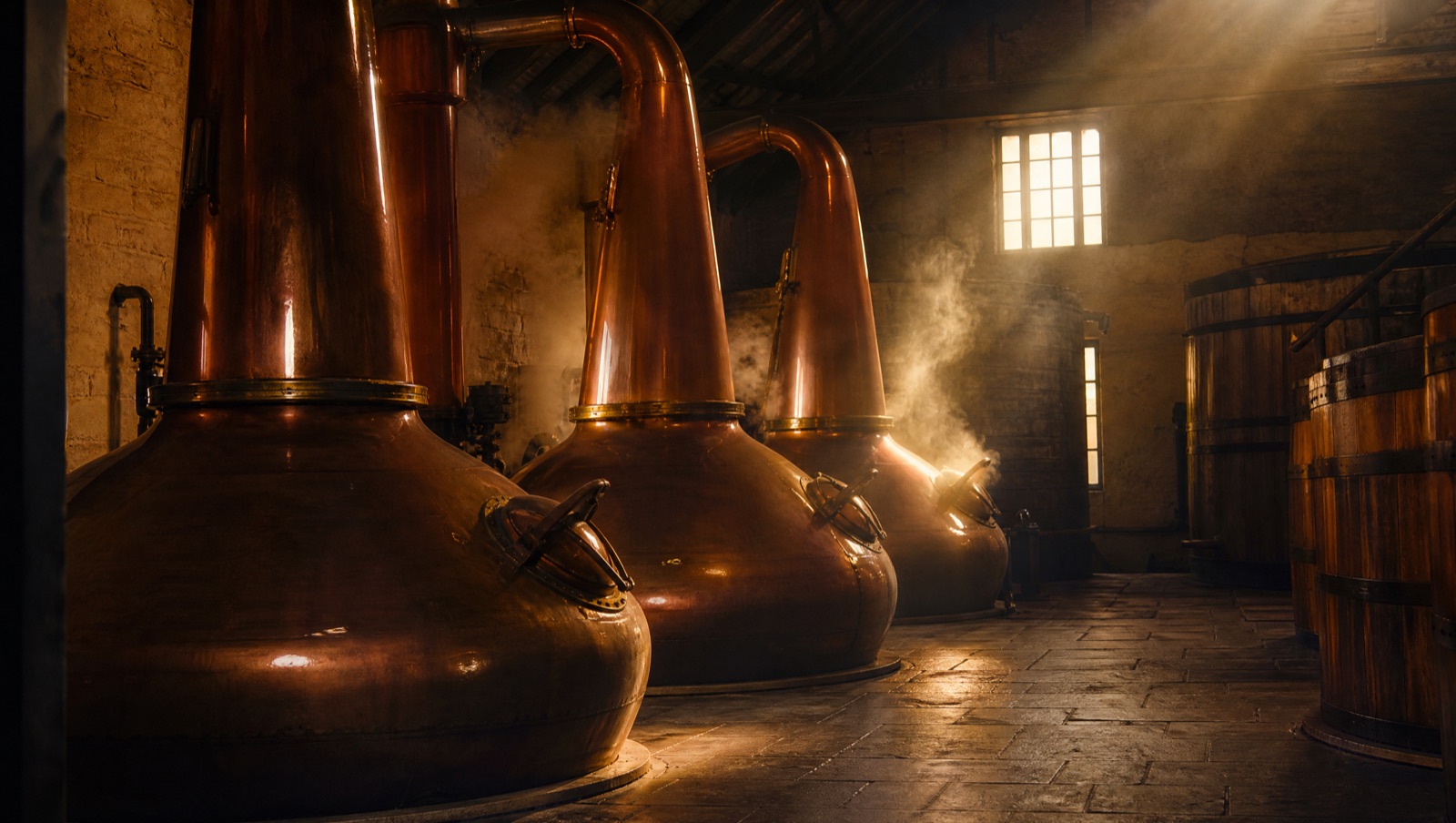
A typical Speyside distillery tour follows whisky from grain to glass. A guide walks you through milling, mashing in the mash tun, fermentation in the washbacks and the gleaming copper pot stills, before finishing in a dunnage warehouse where casks sleep for years. The visit usually ends with a tutored tasting, with entry-level tours generally pouring around three expressions and explaining how cask type and age shape flavour.
Beyond the standard tour, several distilleries offer more involved experiences: warehouse tastings drawn straight from the cask, vertical flights spanning different ages, and bottle-your-own sessions. Glenfarclas, an early pioneer of distillery visiting, and the architecturally striking visitor centres of the region are worth seeking out, while smaller operations such as Benromach offer a more intimate, hands-on feel. Photography is often restricted inside production areas for safety reasons, so check on arrival.
Getting there & around
Speyside centres on the towns of Dufftown, Aberlour, Craigellachie, Rothes, Elgin, Forres and Keith. The quickest gateway is Inverness, roughly an hour and a quarter away by road, with its own airport and rail links; Aberdeen sits a similar distance to the east. Driving from Edinburgh or Glasgow takes around three hours via the A9 and A96.
A car gives the most freedom, but it forces a decision about who drives, since tasting and driving do not mix. Many distilleries offer drivers' drams to take away in small bottles. Public transport is workable along the core route: Stagecoach buses run from Elgin through Aberlour and Craigellachie to Dufftown, passing close to several distilleries. For tasting freely, the simplest options are a guided minibus tour, a local taxi, or basing yourself in a walkable town such as Dufftown or Aberlour and choosing distilleries within strolling distance.
Planning your visit
Book ahead, especially for the best-known names and for premium or warehouse experiences, which sell out in peak months. Allow around two hours per distillery including travel between sites, and resist the temptation to cram in too many; two or three thoughtful visits in a day is far more rewarding than a rushed dash. Note that opening days and hours vary, with some distilleries closed on Sundays or during the autumn silent season, so confirm before travelling.
The Malt Whisky Trail provides a ready-made self-guided route linking eight distilleries and the Speyside Cooperage, a sensible backbone for a first trip. Accommodation books up early given the region's popularity, so reserve well in advance. Pack for changeable Highland weather whatever the season.
Frequently asked
- Do I need to book Speyside distillery tours in advance?
- For the most popular distilleries and for premium, warehouse or cask experiences, yes, booking ahead is strongly advised and they can sell out in summer and during the spring whisky festival. Smaller distilleries sometimes take walk-ins on quieter days, but a quick check or reservation saves disappointment, particularly on weekends and Sundays when some sites have reduced hours.
- How much do tours cost?
- Standard tours typically start at a modest entry price that usually includes a tasting of around three drams, with most general tours falling into a low-to-mid range. More in-depth experiences, premium tastings, vertical flights and cask sessions cost considerably more. Prices vary by distillery and change over time, so check the official websites for current figures when you book.
- How many distilleries can I realistically visit in a day?
- Two or three is a comfortable, enjoyable maximum. Each tour runs roughly an hour to ninety minutes, and you need travel time and breaks between them. Trying to fit in more leaves little room to absorb what you taste, and if you are driving, the responsible driver will not be drinking at all. Quality over quantity makes for a far better day.
- Can I drink at tastings if I'm driving?
- No, you should not drink and drive. Scotland has strict drink-driving limits and even a single dram can put you over them. Most distilleries are happy to provide drivers' drams, small sealed bottles of the samples to enjoy later. If you want to taste freely, take a guided minibus tour, use taxis, or base yourself somewhere you can reach distilleries on foot.
- Are the distilleries suitable for children and families?
- Policies vary. Some distilleries welcome older children on tours when accompanied by an adult, often with a soft-drink alternative to the tasting, while others set minimum ages and restrict access to certain production areas for safety. If you are travelling with younger children, contact the distillery in advance to confirm its policy and any age limits.
- How accessible are the distilleries for visitors with mobility needs?
- Accessibility differs from site to site. Newer or recently refurbished visitor centres tend to offer step-free access, lifts and accessible parking and toilets, whereas older distilleries with historic buildings and stairs can be harder to navigate, and some tours involve steps into warehouses. Cardhu, for example, is well regarded for wheelchair access. Contact the distillery beforehand to discuss your needs.
- When is the best time to visit Speyside?
- Late spring through early autumn offers the longest daylight, the most open distilleries and the liveliest atmosphere, including the annual Spirit of Speyside whisky festival in spring. Summer is busiest, so book early. Some distilleries close or reduce tours during the autumn silent season and over winter, and Highland weather is changeable year-round, so pack layers and waterproofs whenever you come.