
Single Malt · England
Single Malt Distilleries in England
Tour 13 single malt distilleries in England. Each offers visits, tastings or experiences you can book directly — including Circumstance Distillery, The Forest Distillery, The Lakes Distillery.
13distilleries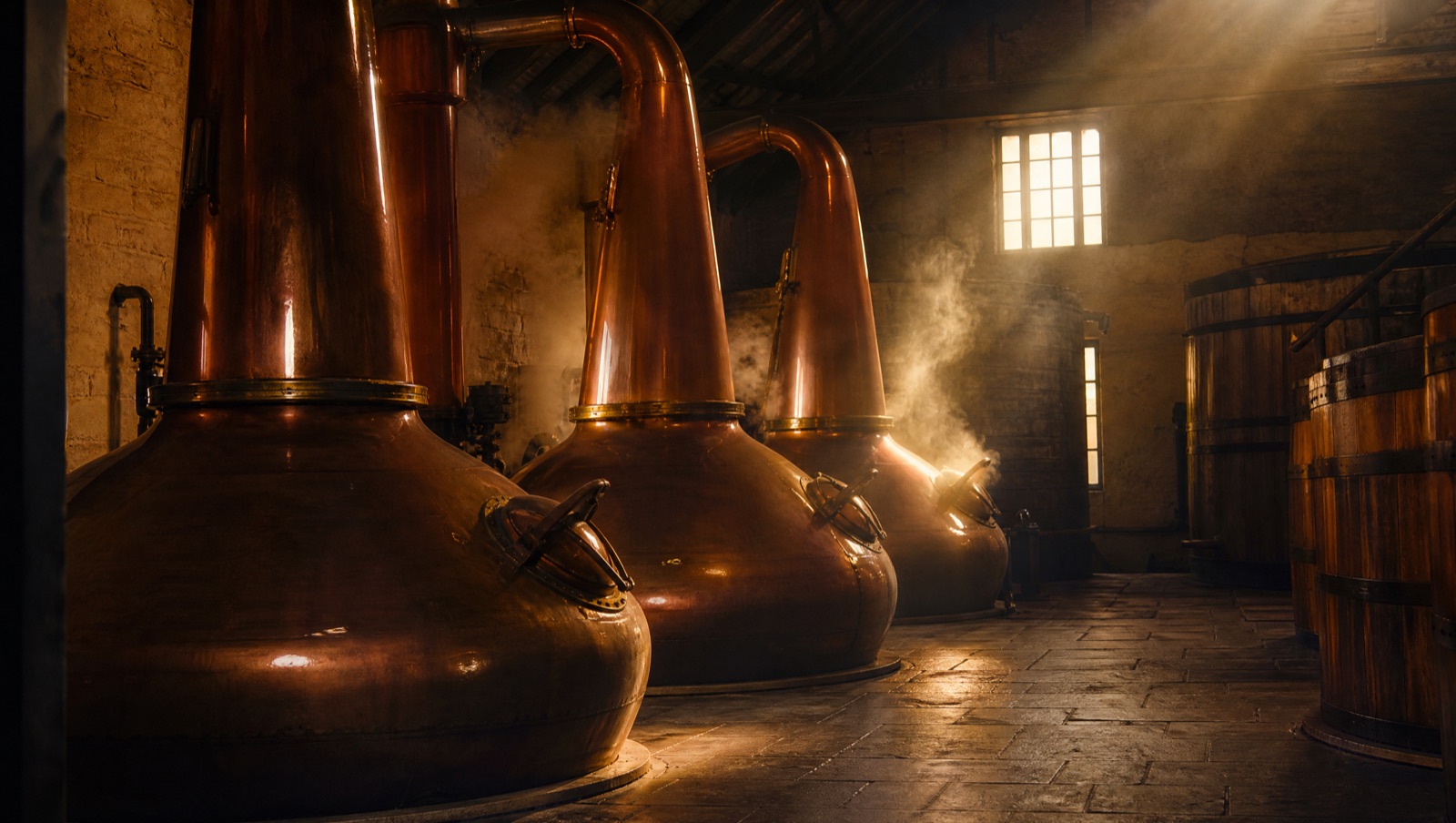
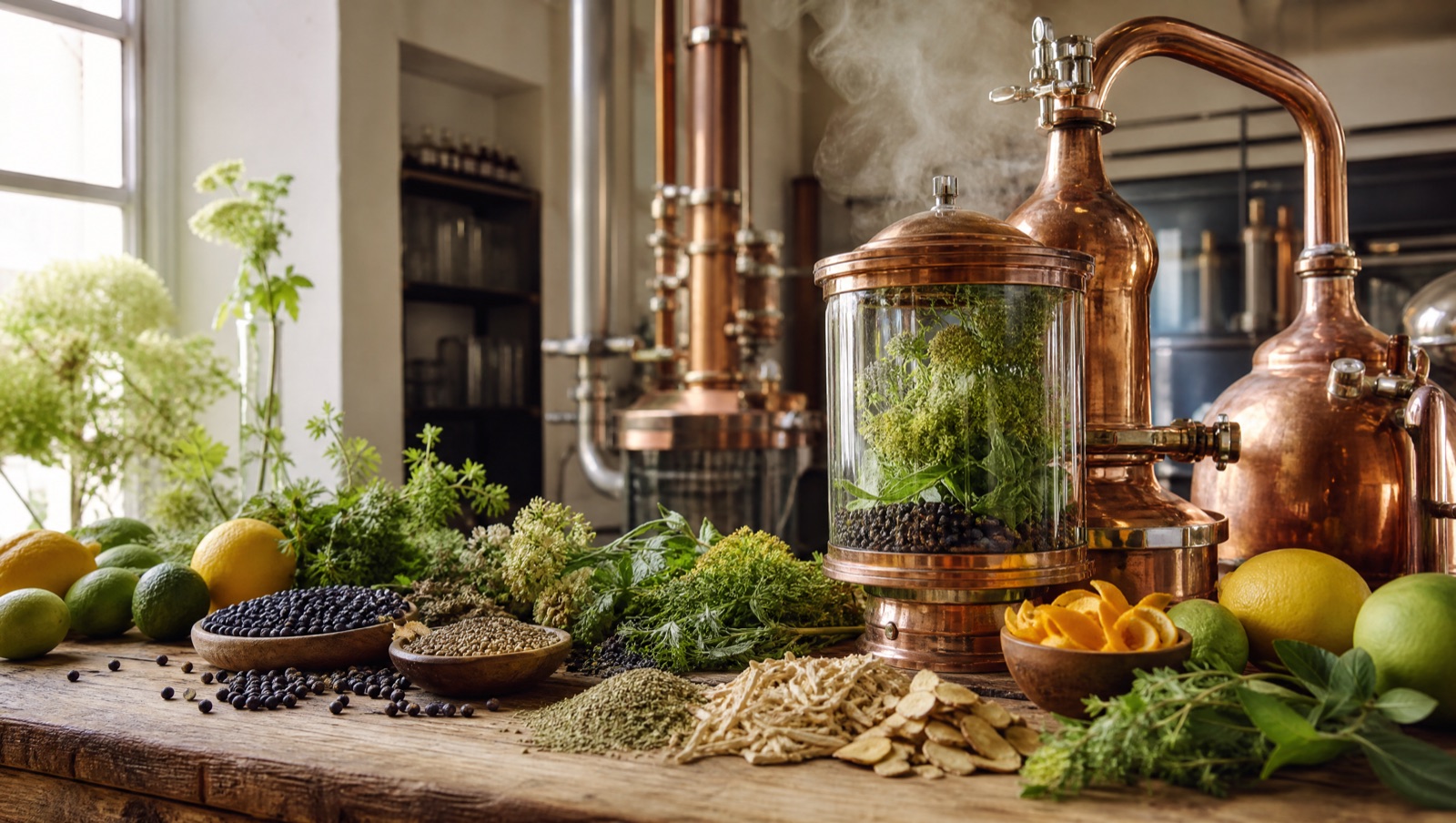

The Lakes Distillery
Victorian farmstead distillery in the Lake District
Cooper King Distillery
Self-built sustainable distillery near York

Spirit of Yorkshire Distillery
Single-estate farm distillery on the Yorkshire coast



Cotswolds Distillery
Cotswolds whisky and gin amid rolling hills
About single malt distilleries in England
England's single malt story is a young one, and that is precisely what makes it so compelling to follow. Malt whisky distilling all but vanished from the country by the early 1900s, eclipsed by Scotch and the gin boom, and only flickered back to life in 2006 when The English Distillery in Norfolk fired its copper stills for the first time in over a century. Two decades on there are more than sixty licensed whisky distilleries scattered across the country, and visiting them feels less like touring an industry and more like watching a craft being reinvented in real time.
What unites this loose family of producers is a spirit of experimentation rather than centuries of fixed tradition. With no strict regional template to follow, English makers play freely with local barley, unusual cask finishes and varied climates, from the cool, damp warehouses of The Lakes Distillery in Cumbria to the chalk-and-water terroir behind Cotswolds Distillery and the riverside maturation at White Peak in the Derwent Valley. You will find everything here, from the highly regarded craft single malts of Bimber in London to the field-to-bottle ethos of Spirit of Yorkshire near Filey, and the heritage-led Ad Gefrin in Northumberland, which reawakened a distilling tradition that had slept for two hundred years.
Tours tend to be intimate and unhurried. Most walk you from malt and mash through fermentation and the still house to the warehouse, finishing with a guided tasting of several drams, and many sites add cafés, shops and food to make a half-day of it. Other names worth seeking out include The Forest Distillery, Dartmoor, Henstone, Cooper King and Circumstance.
What to expect on a tour
English distillery tours are typically small-group, guide-led affairs lasting roughly an hour to ninety minutes, often followed by or built around a seated tasting. A standard visit follows the spirit's whole journey: the arrival and milling of malted barley, mashing and fermentation, the theatre of the copper pot stills, and finally the cask warehouse where the new-make spirit slowly becomes whisky. Because most of these distilleries are young and hands-on, you are frequently shown round by people directly involved in production, which makes for a more candid and detailed experience than you might expect at a large, polished visitor centre.
Tastings usually include three or more samples, and several distilleries pour gin and other spirits alongside the whisky, since many began with gin to fund the long wait for maturing malt. Expect plenty of variation in format. Spirit of Yorkshire runs short, frequent tours finishing with three drams; Ad Gefrin pairs its distillery tour with an Anglo-Saxon museum; and Cotswolds Distillery encourages you to linger over a tour, a tasting and lunch at its on-site café. It is worth setting aside two to three hours at the larger sites to enjoy everything rather than rushing off.
Getting there & around
English distilleries are spread widely and most sit in rural or semi-rural settings, so a car is usually the easiest way to reach them, with free parking common on site. Cotswolds Distillery near Shipston-on-Stour, for example, is roughly two hours from London by road, while The Lakes Distillery sits within the Lake District National Park and Spirit of Yorkshire lies near the coast at Hunmanby. That said, many are reachable by train plus a short taxi: Cotswolds is about half an hour by cab from Banbury station, and several Yorkshire, Cumbrian and Northumberland distilleries are within reasonable reach of regional rail hubs.
If tasting is part of the plan, do not plan to drive yourself afterwards. The sensible options are a designated non-drinking driver, a local taxi booked in advance, or one of the small-group tour operators who run distillery day trips in regions such as the Cotswolds, the Lakes and Yorkshire. Most distilleries will happily hold back your tasting samples in labelled driver's miniatures so a designated driver can enjoy them safely at home.
Frequently asked
- Do I need to book an English distillery tour in advance?
- Yes, almost always. These are mostly small, working distilleries with limited tour slots, and popular sites such as Cotswolds, The Lakes and Spirit of Yorkshire can sell out at weekends and during school holidays. Book online ahead of your trip rather than turning up, and check the day's schedule, as some distilleries run tours only on certain days or a few times daily.
- How much does a tour and tasting usually cost?
- Prices vary by distillery and format, but a standard tour with a tasting of a few drams typically falls in the lower-to-mid range of attraction pricing, often somewhere around the cost of a good lunch out. More involved experiences, such as tours bundled with a museum visit, cask tastings or food pairings, cost more. Always check the current price on the distillery's own website, as rates change and reduced-price children's tickets are common.
- How many distilleries can I realistically visit in a day?
- Because English distilleries are geographically dispersed, one or two in a day is realistic for most regions, and you should not bank on more than two if tastings and travel are involved. Within a cluster, such as parts of Yorkshire or the area around the Cotswolds, a well-planned pair is achievable. Allow two to three hours per visit if you want to enjoy the tour, tasting and any café or shop without rushing.
- Can I drive after a tasting?
- No, you should not drive after sampling whisky, even a few small drams can put you over the limit. Bring a designated non-drinking driver, arrange a taxi, or join an organised distillery day tour. Most distilleries can provide driver's miniatures so anyone behind the wheel can take their tasting samples home to enjoy later.
- Are the tours suitable for children and families?
- Many are, though policies differ. Several distilleries, including Spirit of Yorkshire and Ad Gefrin, offer reduced-price tickets for older children and have cafés and additional attractions that make for a family-friendly visit, while the tasting portion is naturally adults-only. Younger children may not be permitted on certain production-area tours for safety reasons, so check each distillery's age policy before booking.
- What is English single malt like compared with Scotch?
- English single malt is made the same way, from malted barley distilled in pot stills, but because the category is new there is no fixed house style. Producers experiment widely with barley varieties, cask types and finishes, so you will encounter a broad spectrum of flavours, from light and fruity to richer, peated and sherry-influenced drams. The variety is part of the appeal, and tasting across several distilleries is the best way to discover the range.
- Are the distilleries accessible for visitors with limited mobility?
- Accessibility varies. Purpose-built visitor centres such as Ad Gefrin and Cotswolds tend to have good facilities, while older converted buildings and warehouses may involve steps, narrow passages or uneven floors. If you have specific access needs, contact the distillery directly before booking, as staff can usually advise on step-free routes or adapt the tour where possible.