
Rum · England
Rum Distilleries in England
Tour 9 rum distilleries in England. Each offers visits, tastings or experiences you can book directly — including Henstone Distillery, Treguddick Distillery, Bristol & Bath Rum Distillery.
9distilleries



Libations Rum Distillery & Blending House
Yorkshire's pioneering rum distillery and blending house

About rum distilleries in England
England might seem an unlikely home for rum, with no sugar cane fields and a climate that bears little resemblance to the Caribbean, yet a wave of craft producers has built one of the most inventive rum scenes in Europe. Rather than simply importing, blending and finishing spirit, the distilleries gathered here ferment imported molasses and distil from scratch on home soil, then mature their rum in England's cooler, slower-ageing conditions. The result is a category defined less by tradition than by experimentation. You will find everything from clean, vibrant white rums to richly spiced and barrel-aged expressions, often made by people who came to rum from gin, whisky or even chemistry. Names such as Bristol & Bath Rum Distillery, Two Drifters Distillery in Devon, White Peak Distillery in Derbyshire and Cornwall's Treguddick Distillery sit alongside Revival Rum, DropWorks, Henstone, Wharf Distillery and Libations Rum Distillery & Blending House. Touring them offers a window into a young, fast-moving craft where sustainability, provenance and a willingness to break rules matter as much as heritage.
Rum styles and how it's made in England
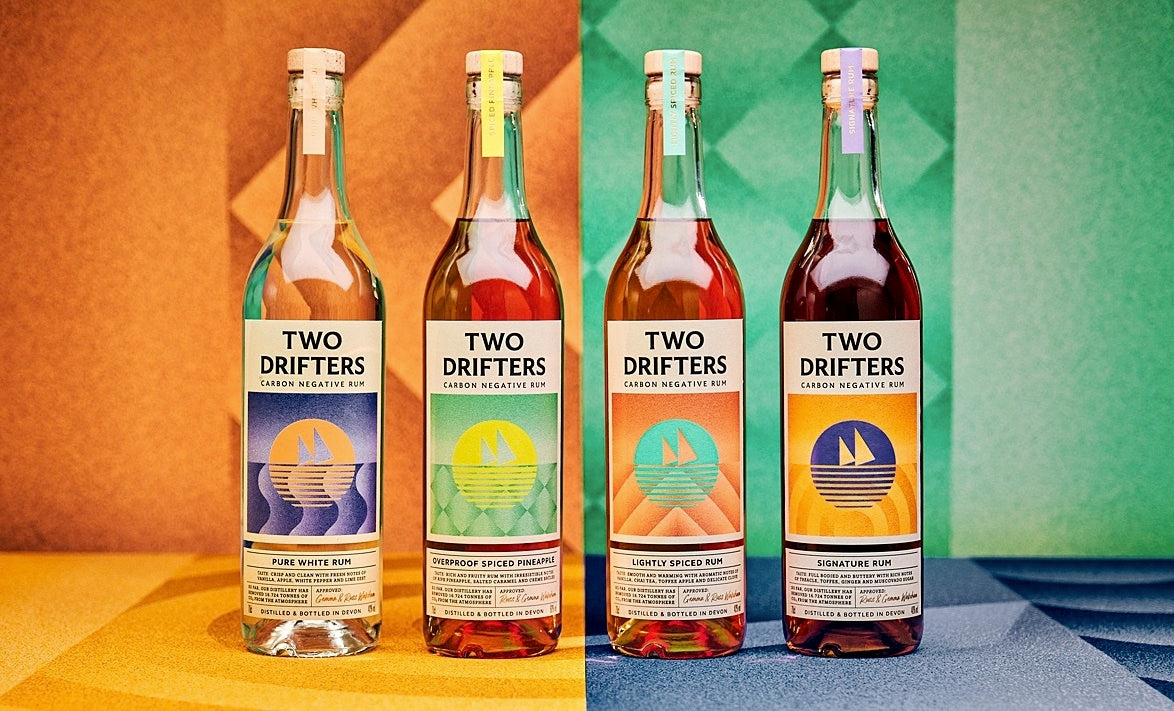
English rum almost always begins with molasses, a by-product of sugar refining that is imported and then fermented and distilled in the UK. Because there is no cane to grow, producers focus their energy on fermentation character, yeast selection and still design, which is where much of the flavour is shaped. Some distilleries, including Two Drifters in Devon, run their entire process in-house from fermentation through to bottling and have made carbon-negative production a defining mission. Others lean on heritage equipment or whisky know-how, as at White Peak Distillery, whose roots lie in single malt. You will encounter unaged white rums prized for clarity and mixability, gently rested rums, spiced rums built around botanical blends, and oak-aged expressions that mature more slowly in England's temperate climate than they would in the tropics. The diversity is the point: with little orthodoxy to follow, each distillery defines its own house style.
Where to taste English rum on a tour
England's rum producers are spread across the country, so a tour often doubles as a regional journey. The West Country is a natural starting point, with Bristol & Bath Rum Distillery in the South West and Two Drifters near Exeter in Devon, while Cornwall offers Treguddick Distillery. Head to the Midlands and the Peak District for White Peak Distillery in Derbyshire, alongside DropWorks, Wharf Distillery and Libations Rum Distillery & Blending House. Shropshire's Henstone Distillery and Revival Rum round out a list that rewards travellers willing to explore beyond the obvious. Many of these are small operations, so the experience tends to be hands-on and personal, with the founders or distillers often leading the way. Always check ahead, as tour days and tasting slots at compact craft sites can be limited and frequently need booking.
What to expect on a tour
A visit to an English rum distillery is usually intimate and educational rather than slick and corporate. Expect to see fermentation vessels, copper pot or hybrid stills and maturation casks within a single, often modest, building, with the distiller explaining how molasses becomes spirit. Tastings typically run through a range that might include a bright white rum, a spiced version and any aged releases, with guidance on nosing and how each style suits different serves. Because many founders came from other fields, the storytelling can be unusually rich, touching on chemistry, sustainability or whisky heritage. Several sites pair tours with a bar or shop where you can try cocktails and buy bottles direct.
Frequently asked
- Is English rum made from sugar cane grown in England?
- No. England cannot grow sugar cane, so producers import molasses, a by-product of cane sugar refining, and then ferment and distil it here. The craft and character come from the fermentation, distillation and maturation carried out in the UK.
- How is English rum different from Caribbean rum?
- The biggest difference is climate and approach. England's cooler conditions mean aged rum matures more slowly and gently, while the relative lack of tradition gives distillers freedom to experiment with yeast, fermentation and botanicals, producing a wide spread of styles.
- Which English rum distilleries can I visit?
- Listed producers include Bristol & Bath Rum Distillery, Two Drifters Distillery in Devon, Treguddick Distillery in Cornwall, White Peak Distillery in Derbyshire, plus Revival Rum, DropWorks, Wharf Distillery, Henstone Distillery and Libations Rum Distillery & Blending House. Tour availability varies, so book ahead.
- What styles of rum will I find on a tour?
- Expect unaged white rums, spiced rums, gently rested expressions and oak-aged rums. Many distilleries make several styles, so tastings often move from a clean white through to richer, barrel-influenced bottlings.
- Do English rum distilleries focus on sustainability?
- Several do, and it is a notable feature of the scene. Two Drifters in Devon, for example, has built its identity around carbon-negative production, handling fermentation through to bottling in-house and addressing emissions directly.
- Do I need to book a rum distillery tour in advance?
- Usually yes. Many English rum producers are small craft operations with limited tour days and tasting slots, so booking ahead is strongly recommended to avoid disappointment.