
Craft Spirits · England
Craft Spirits Distilleries in England
Tour 12 craft spirits distilleries in England. Each offers visits, tastings or experiences you can book directly — including Bristol & Bath Rum Distillery, Circumstance Distillery, Treguddick Distillery.
12distilleries
Greensand Ridge Distillery
Carbon-neutral micro-distillery in a Victorian coach house


Tarquin's Cornish Gin (Southwestern Distillery)
Pioneering small-batch gin from the Cornish coast
About craft spirits distilleries in England
England has quietly become one of the most inventive places in the world to make spirits. The modern story begins in London around 2009, when a wave of small copper-pot distillers reopened a craft that had all but vanished from the capital, and it has since spread to almost every corner of the country. Today the English craft-spirits scene takes in far more than gin: rum made from scratch, grain-to-glass vodka, single malt whisky and a growing roster of liqueurs and experimental spirits, often produced by tiny teams who do everything on site.
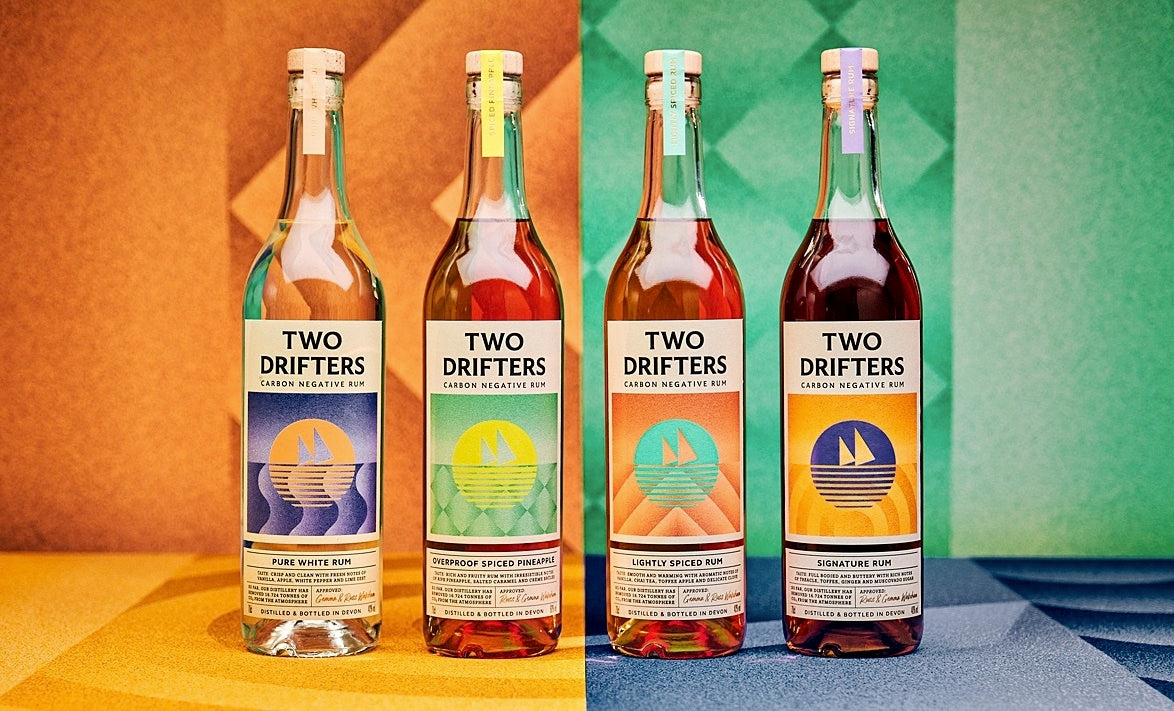
The distilleries gathered here capture that range. In London you can trace the gin revival at Sipsmith and the all-rounder approach of East London Liquor Company. The West Country is a particular stronghold: Bristol & Bath Rum Distillery and Circumstance Distillery in Bristol, Tarquin's Cornish Gin and Treguddick in Cornwall, and Devon's carbon-negative Two Drifters, which ferments and distils its rum entirely from molasses. Further afield sit Chase in Herefordshire, Greensand Ridge in Kent, Wharf in Buckinghamshire, The English Distillery in Norfolk and Adnams Copper House on the Suffolk coast.
Most welcome visitors for guided tours and tastings, and because so many are independent and small, you tend to meet the people who actually make the spirit. It is an unusually personal way to drink and learn.
What to expect on a tour
English craft distilleries tend to be intimate operations, so a typical tour is led by a distiller or a member of a small team rather than a scripted guide. You will usually walk the production floor, see the copper pot or column stills up close, and hear how the house spirit is made, whether that means smelling the botanicals that go into a London Dry gin, watching molasses ferment for rum, or learning how grain becomes whisky. At places that genuinely distil from scratch, such as Two Drifters and Treguddick, the tour often covers the full journey from raw ingredient to bottle, which is a useful thing to ask about when comparing visits.
A tasting almost always follows. Expect to sample several spirits, frequently including limited or experimental releases you cannot easily buy elsewhere, sometimes finished with a paired tonic or a simple serve. Many distilleries also run cocktail masterclasses or gin-making experiences where you blend your own botanicals and take home a bottle. Visits commonly last between one and two hours, and most have a shop where you can buy direct.
Getting there & around
The distilleries here are spread across England, so the practicalities vary. London venues like Sipsmith and East London Liquor Company are easiest reached on public transport, which conveniently sidesteps the question of driving after a tasting. The Bristol pair, Bristol & Bath Rum Distillery and Circumstance, sit within a walkable, well-connected city, while Adnams Copper House is in the seaside town of Southwold on the Suffolk coast, best paired with a longer trip.
The more rural distilleries, including Tarquin's and Treguddick in Cornwall, Chase in Herefordshire, Greensand Ridge in Kent and Wharf in Buckinghamshire, generally need a car or a taxi from the nearest town or station. If you intend to taste, plan a designated driver, a taxi, or a local stay, and ask the distillery in advance about parking and the nearest rail links when you book.
Planning your visit
Because these are working distilleries with small teams, tours run on set dates and times rather than continuously, and spaces are limited, so booking ahead is strongly advised rather than turning up on spec. Check each distillery's own website for its current schedule, as some open only on certain days or seasonally. If you are building a day around several visits, group them by region, the Bristol distilleries or the Cornish ones make natural pairings, and allow generous travel time between rural sites.
It is worth flagging any specific interests when you book: whether you want a deep technical tour, a cocktail class, a gin-blending experience, or step-free access. Confirm the minimum age, food options nearby and whether the tasting can be adjusted for drivers or non-drinkers, and you will get far more from the day.
Frequently asked
- Do I need to book a distillery tour in advance?
- Almost always, yes. English craft distilleries are typically small operations running tours on fixed dates with limited places, so they fill up and rarely accommodate walk-ins. Book directly through the distillery's website, and check the schedule, as some open only on selected days or seasonally.
- How much does a distillery tour cost?
- Prices vary by distillery and by the type of experience, but as a general guide a standard tour with a tasting usually falls in the lower tens of pounds per person, while cocktail masterclasses or make-your-own-gin sessions cost more because they often include a bottle to take home. Always check the current price on the distillery's own booking page.
- How many distilleries can I realistically visit in a day?
- Two is comfortable, three is possible if they are close together, such as the Bristol distilleries or a cluster in Cornwall. Each tour runs roughly one to two hours, and you need to factor in travel and tasting time. In a single city you can do more on foot; in rural areas, stick to one or two.
- Can I drive between distilleries if there are tastings?
- You can drive, but you should not drink and drive. UK drink-driving limits are strict and tastings add up quickly. The simplest options are a designated driver, a taxi, or choosing distilleries reachable by public transport, which is why London venues are popular for tasting days. Most distilleries are happy to offer drivers smaller measures or samples to take away, so ask when booking.
- Are the tours suitable for children and families?
- It depends on the venue. Some distilleries welcome families and offer soft drinks or non-alcoholic alternatives, while others set a minimum age, often 18, particularly for tastings or masterclasses. Check each distillery's policy before booking if you are bringing under-18s.
- Are distilleries accessible for visitors with mobility needs?
- Accessibility varies widely. Newer or purpose-built visitor centres are more likely to offer step-free access, while distilleries in historic barns, cellars or older industrial buildings may have stairs or uneven floors. Contact the distillery ahead of your visit to discuss step-free routes, accessible toilets and parking so they can advise honestly.
- What is the difference between distilleries that make spirits from scratch and those that don't?
- Some English producers, including Two Drifters and Treguddick, distil their spirit from raw ingredients on site, ferment to bottle, while others blend, redistil or finish spirit sourced elsewhere, which is especially common in rum. Neither approach is inherently better, but if seeing the full production process matters to you, ask the distillery what happens under their own roof before you book.
- What kinds of spirits can I expect to taste in England?
- Far more than gin. Although gin led the revival and remains widespread, the listed distilleries between them produce rum, vodka, single malt whisky and a variety of liqueurs and experimental spirits. Many tastings include limited or seasonal releases that are hard to find outside the distillery itself.