
Single Malt · Lowlands
Single Malt Distilleries in Lowlands
Tour 13 single malt distilleries in Lowlands. Each offers visits, tastings or experiences you can book directly — including Auchentoshan Distillery, Bladnoch Distillery, Glenkinchie Distillery.
13distilleries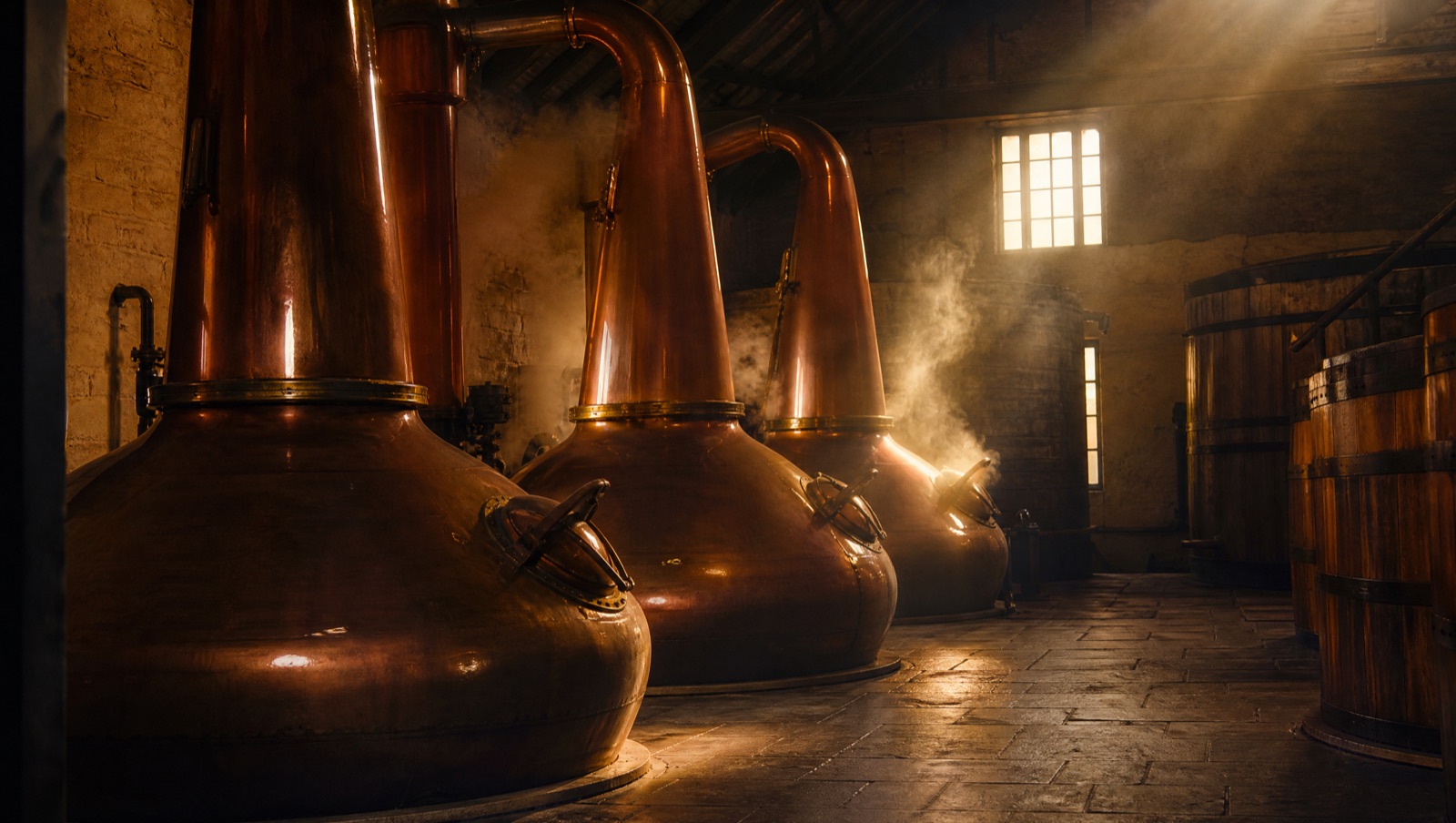
Auchentoshan Distillery
Triple-distilled single malt on Glasgow's doorstep
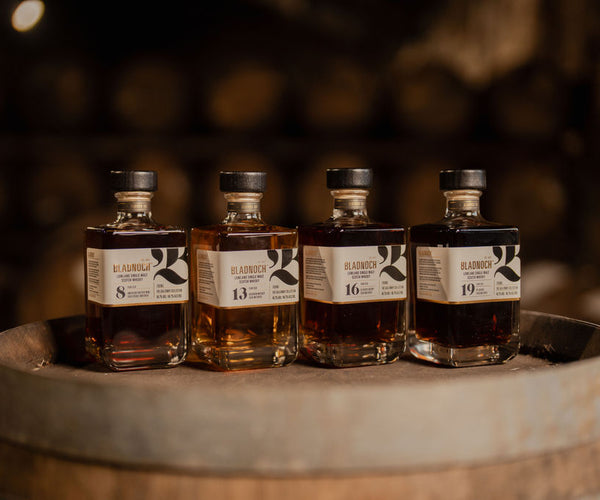
Bladnoch Distillery
Scotland's most southerly malt by the River Bladnoch


The Borders Distillery
The Borders' first Scotch distillery in generations


Annandale Distillery
Revived Lowland malt at Scotland's southern edge
About single malt distilleries in Lowlands
The Lowlands are the gentlest corner of Scotch whisky country, the broad belt of land south of an old line drawn between the Firth of Tay and the River Clyde. Lowland single malts have long been prized for a soft, approachable character: grassy and floral, with notes of fresh-cut hay, lemon zest, light vanilla and clean malt sweetness. Some of that delicacy traces back to the region's historic fondness for triple distillation, a practice introduced by Irish settlers around Glasgow and still followed in full at Auchentoshan, near the Clyde. For travellers, this is the most accessible whisky region in Scotland, threading between Glasgow, Edinburgh, Fife and the rolling Borders.
Once the powerhouse of Scottish distilling, the Lowlands withered to a mere handful of working malt distilleries by the 1990s. Today the region is in the middle of a remarkable revival. Glenkinchie, "the Edinburgh malt," sits in a quiet valley southeast of the capital, while long-silent Bladnoch in Galloway and Rosebank on the Forth and Clyde canal have been brought back to life. A new generation has joined them, including Holyrood and the striking nine-storey Port of Leith in Edinburgh, The Clydeside and The Glasgow Distillery Company in Glasgow, the Borders distillery in Hawick, and a cluster in Fife at Kingsbarns, Eden Mill, Lindores Abbey and Annandale.
Tours range from polished heritage experiences to hands-on visits in working farm steadings and modern urban distilleries, almost all finishing with a guided tasting. It is an easy, rewarding region for a day or two of exploring.
What to expect on a tour
Lowland distilleries offer a wide spread of experiences, partly because the region mixes long-established sites with brand-new arrivals. At classic distilleries such as Glenkinchie you can expect a guided walk through the mash house and still house, an explanation of the malting, fermentation and distillation process, and a seated tasting at the end. Newer urban distilleries like Holyrood, Port of Leith and The Clydeside lean into design and storytelling, often with rooftop or canal-side bars, while Fife sites such as Kingsbarns and Lindores Abbey occupy converted farm buildings and historic abbey grounds, blending whisky-making with a real sense of place.
Most standard tours run between roughly 45 minutes and 90 minutes and conclude with a tasting of one or more drams. Many distilleries also offer longer premium experiences, warehouse or cask tastings, and gin or spirit tastings, since several Lowland producers (notably Eden Mill and The Glasgow Distillery Company) make gin alongside their maturing single malt. Photography is usually welcome in the visitor areas, though it may be restricted inside production rooms for safety reasons.
Getting there & around
The Lowlands are unusually convenient for visitors, with most distilleries within easy reach of Glasgow or Edinburgh. Inside the cities, Holyrood, Port of Leith and The Clydeside are reachable on foot or by short taxi and bus rides, making them ideal if you are not driving. Glenkinchie lies about 15 miles southeast of Edinburgh, roughly half an hour by car, and several operators run dedicated tours to it. The Fife cluster around St Andrews, Kingsbarns, Eden Mill at Guardbridge and Lindores Abbey near Newburgh works best by car, as does Bladnoch in rural Dumfries and Galloway and the Borders distillery in Hawick.
If you intend to taste, plan your transport carefully. Scotland has a strict drink-driving limit that is lower than in England, so a designated driver, organised tour, taxi or train is the safe choice. Many distilleries will happily provide drivers' samples in small take-home bottles so you do not miss out. Edinburgh and Glasgow both have good rail links, and several guided day tours bundle two or three distilleries with transport included.
Frequently asked
- Do I need to book a distillery tour in advance?
- Booking ahead is strongly recommended, especially in summer and at popular sites like Glenkinchie, Holyrood and the city-centre Glasgow and Edinburgh distilleries. Tours run at set times and smaller-group or premium experiences sell out. Quieter rural distilleries may take walk-ins, but reserving online avoids disappointment and lets you check seasonal opening days.
- How much does a Lowland distillery tour cost?
- Prices vary by distillery and experience. A standard guided tour with a tasting typically falls in the lower tens of pounds per person, while premium, cask or extended tastings cost more. Always check the individual distillery's website for current pricing, as rates change and some offer a discount or refund against a bottle purchase.
- How many distilleries can I visit in a day?
- Two is comfortable and three is achievable if they are close together, such as the city distilleries in Edinburgh or Glasgow, or the Fife cluster near St Andrews. Allow time for travel, the tour itself and the tastings. Trying to fit in more usually means rushing and, if you are tasting, you will want to pace yourself.
- Can I do a tasting if I am driving?
- You can take the tour, but you should not drink and drive. Scotland's drink-driving limit is lower than England's, and even one dram can put you over it. Most distilleries offer drivers' sample bottles so you can take your drams home, or you can use a designated driver, taxi, train or an organised tour with transport included.
- Are the tours suitable for children and families?
- Policies differ. Some distilleries welcome accompanied children on the production tour with a soft-drink alternative at the tasting, while others have a minimum age, particularly for tasting-focused experiences. Urban distilleries with cafes and bars can be more family-friendly. Check each distillery's age policy before booking if you are travelling with children.
- Are Lowland distilleries accessible for visitors with limited mobility?
- Accessibility varies widely. Modern city distilleries such as Port of Leith, Holyrood and The Clydeside tend to have lifts and step-free access, whereas historic sites and converted farm steadings or abbey grounds may involve stairs, uneven ground or narrow walkways. Contact the distillery directly in advance to discuss your needs; most will do their best to accommodate visitors.
- What makes Lowland single malt different from other Scotch regions?
- Lowland malts are generally lighter, softer and more floral than the rich Speysiders or smoky Islay whiskies, with grassy, citrus and gentle malt notes. The region has a tradition of triple distillation, most famously at Auchentoshan, which adds to that delicate character. This makes Lowland whisky a friendly starting point for newcomers as well as a refreshing change for seasoned drinkers.
- When is the best time to visit?
- The distilleries are open year round, but spring through early autumn offers the longest opening hours, more frequent tours and the best weather for exploring the countryside and cities. Some rural distilleries reduce their days in winter, so check ahead. Visiting midweek and outside the summer peak generally means smaller groups and easier booking.