
Single Malt · USA
Single Malt Distilleries in USA
Tour 55 single malt distilleries in USA. Each offers visits, tastings or experiences you can book directly — including Spirit of Texas, Stonecutter Spirits, Blue Ridge Distilling Co..
55distilleries



Sons of Liberty Spirits Co.
American single malt with live music and food trucks
.jpg)

Alley 6 Craft Distillery
Grain-to-glass rye in Sonoma wine country
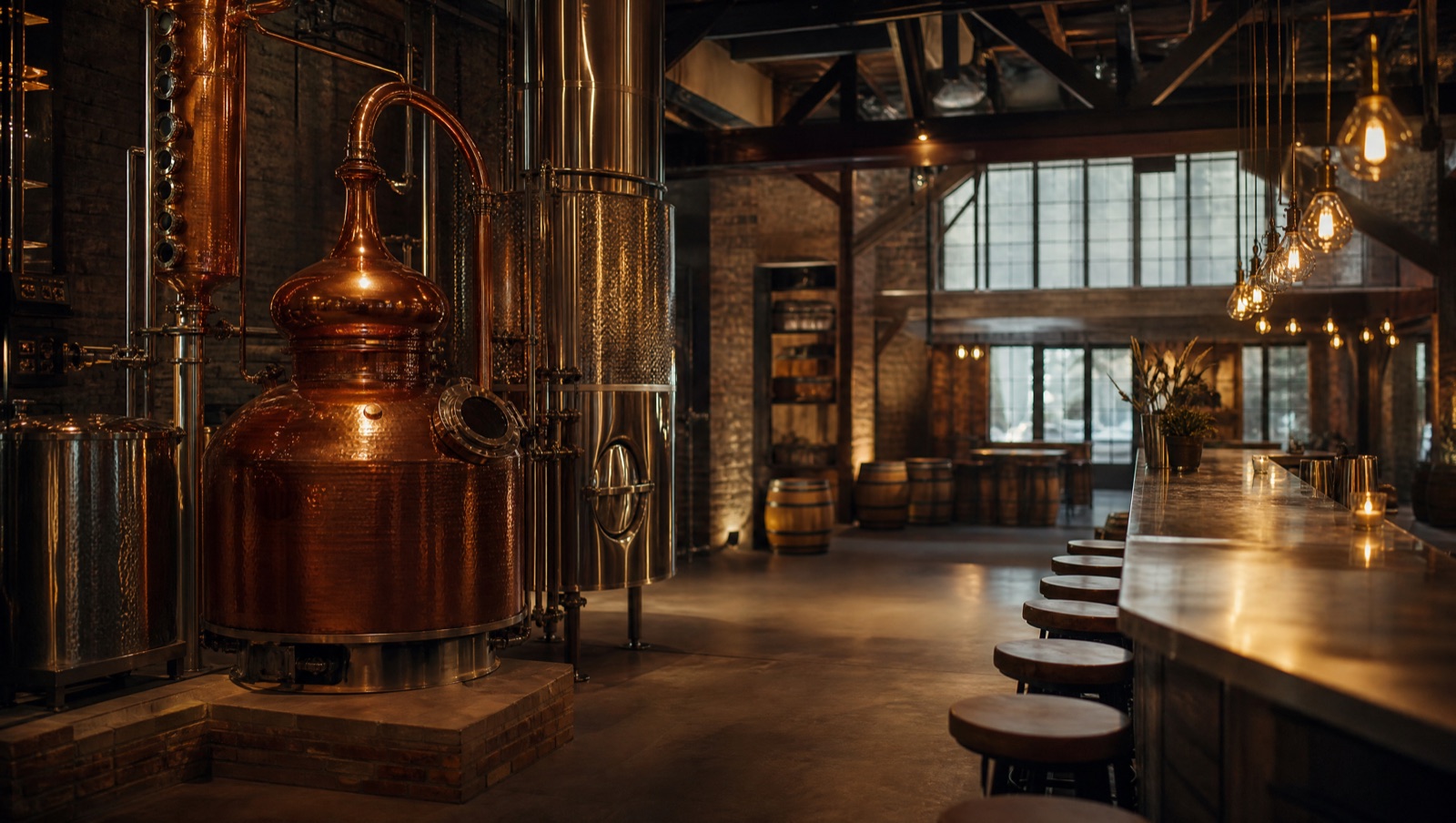


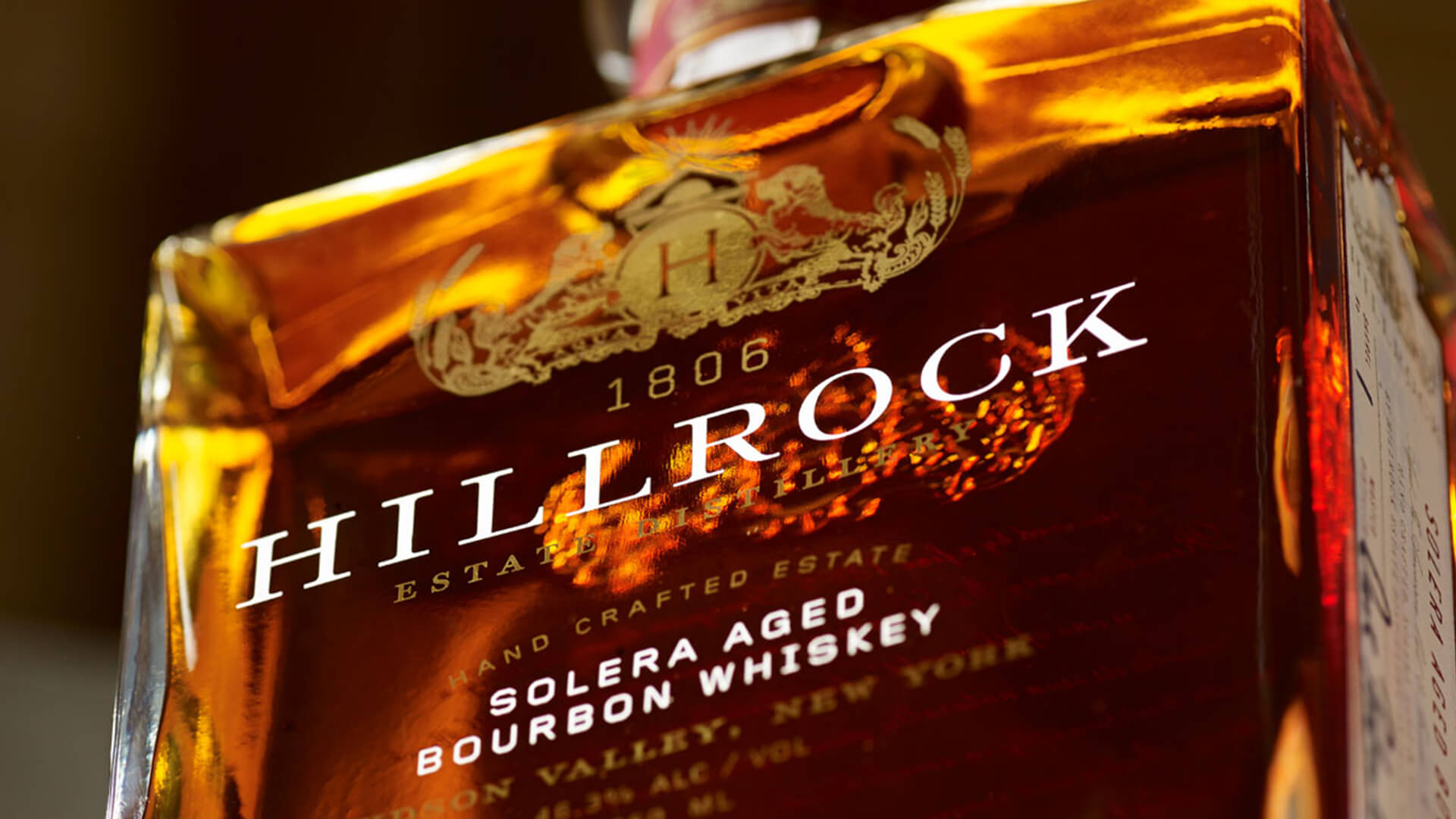
Hillrock Estate Distillery
Estate-grown single malt in the Hudson Valley

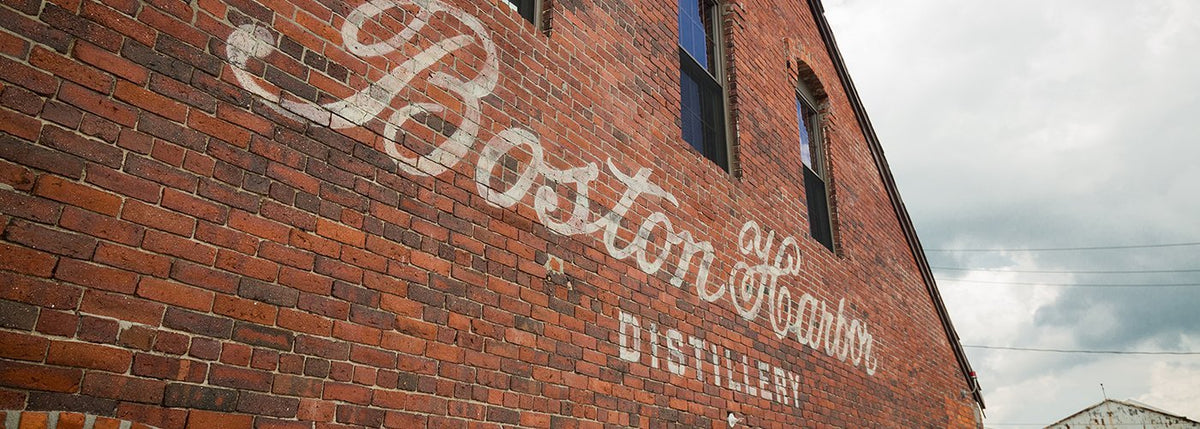



Brother Justus Whiskey Company
American single malt distillery in Minneapolis


Stranahan's Colorado Whiskey
Colorado's pioneering single malt whiskey
Triple Eight Distillery
Island single malt alongside Cisco Brewers


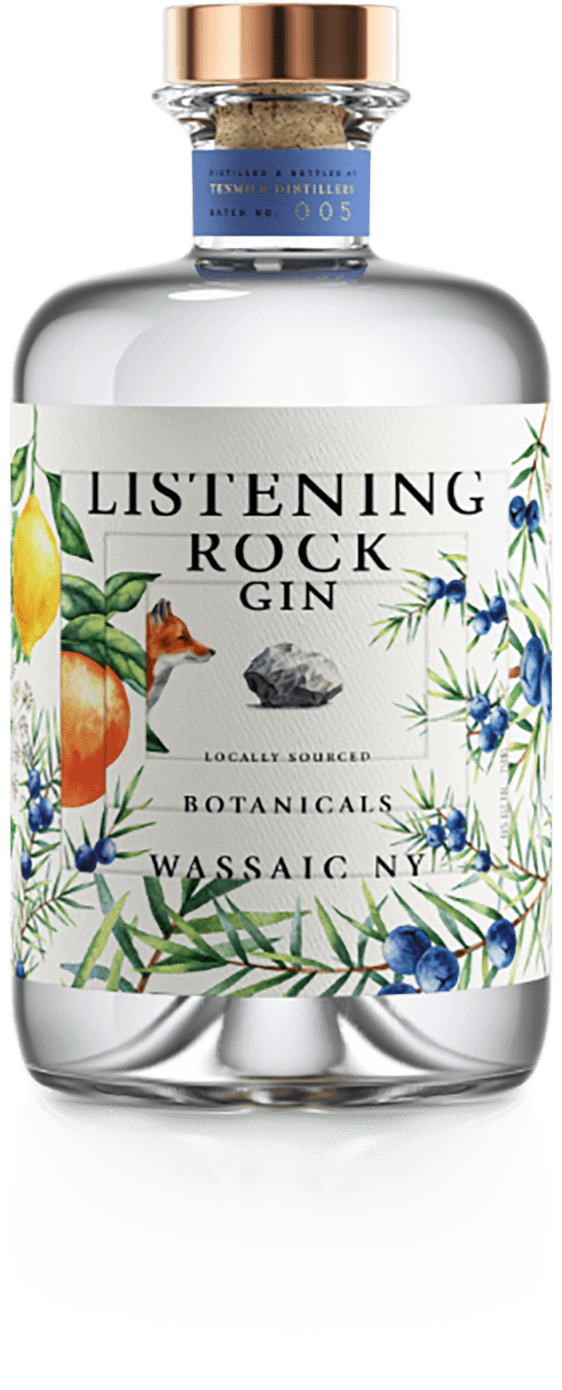
Blue Ridge Distilling Co. (Defiant Whisky)
Defiant single malt in the Blue Ridge Mountains
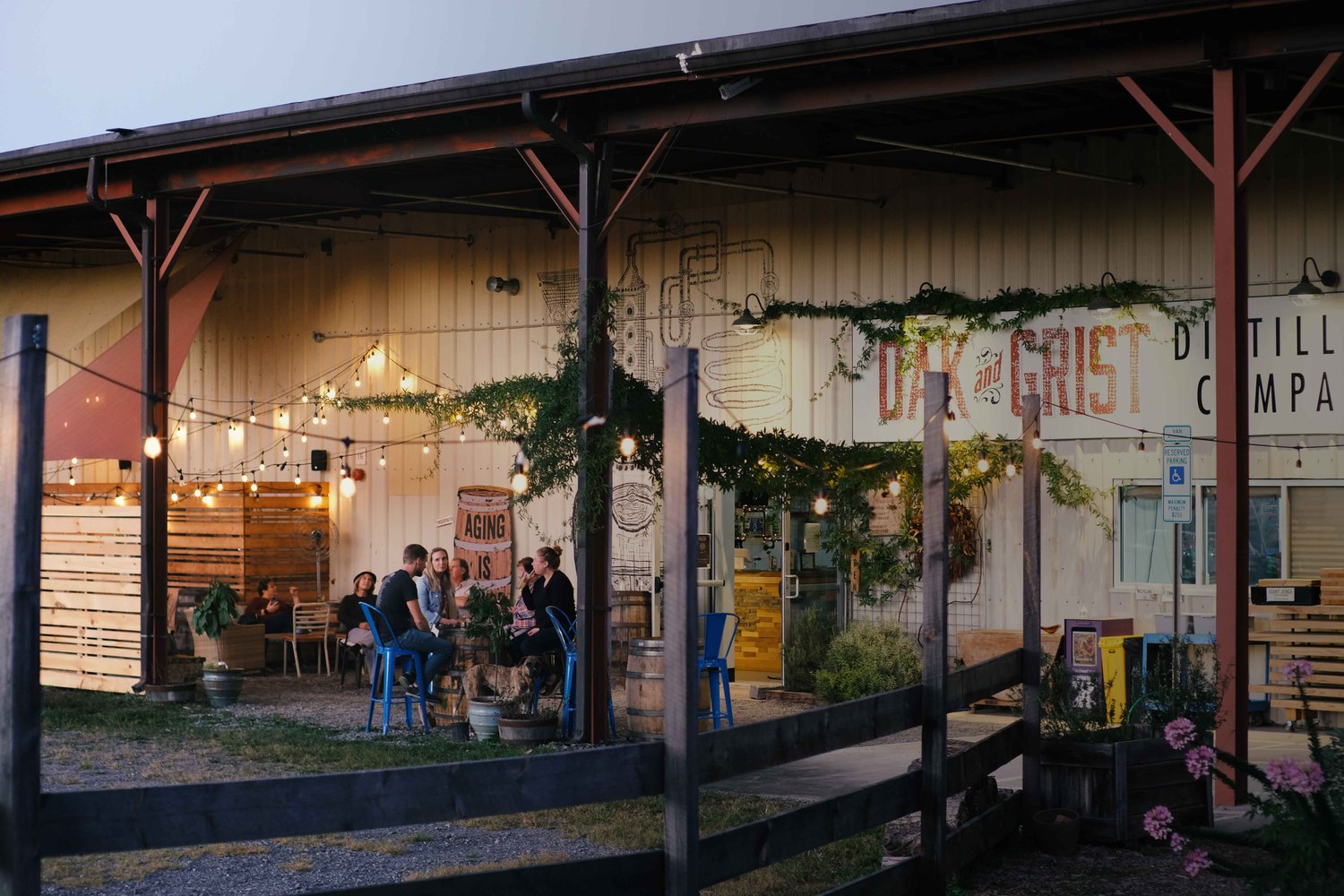
Oak & Grist Distilling Company
Scratch-made whiskey and gin near Asheville
Oak and Grist Distilling Company
Grain-to-glass single malt in the Blue Ridge


Copperworks Distilling Co.
Waterfront single malt from malted barley




Bainbridge Organic Distillers
Washington's pioneering organic island distillery
About single malt distilleries in USA
American single malt is one of the youngest and most exciting whisky styles in the world, and the United States has become its proving ground. Made from a fermented mash of 100 percent malted barley, distilled and aged at a single American distillery, the category finally won an official federal standard of identity in early 2025 after years of campaigning by craft producers. That long-awaited recognition simply formalised what visitors had already discovered on the ground: a generation of independent distillers has been reinterpreting the malt whisky tradition through a distinctly American lens, with local grain, regional climates and a willingness to experiment that older whisky nations rarely permit.
What makes touring these distilleries so rewarding is how different each one is. In the Sonoran Desert, Whiskey Del Bac (Hamilton Distillers) malts and smokes its own barley over mesquite, while California's St. George Spirits has been making single malt since the turn of the millennium from a brandy-maker's perspective. Colorado's high country gives you Deerhammer in Buena Vista and Dry Land and Talnua near Denver, and the Hudson Valley's Hillrock Estate runs a rare floor-malting, field-to-glass operation.
Tours typically pair a walk through the malting, mashing, fermentation and pot-still rooms with a guided tasting, and many sites add cocktail lounges, bottle shops and seasonal events. Because the producers here include names such as ASW Distillery in Atlanta, Koenig in Idaho, Chicago Distilling Company and John Emerald in Alabama, you can build an itinerary almost anywhere in the country.
What to expect on a tour
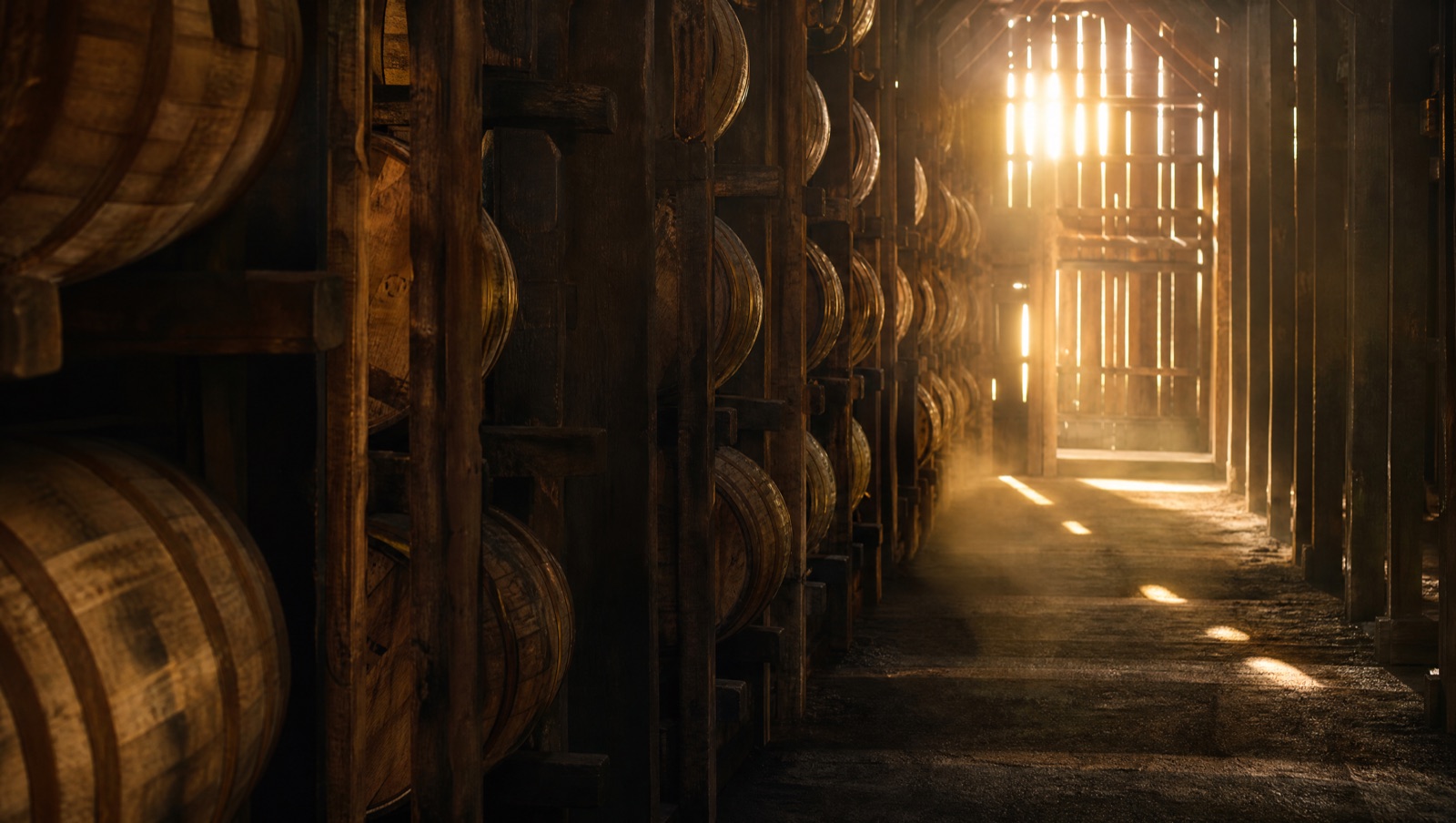
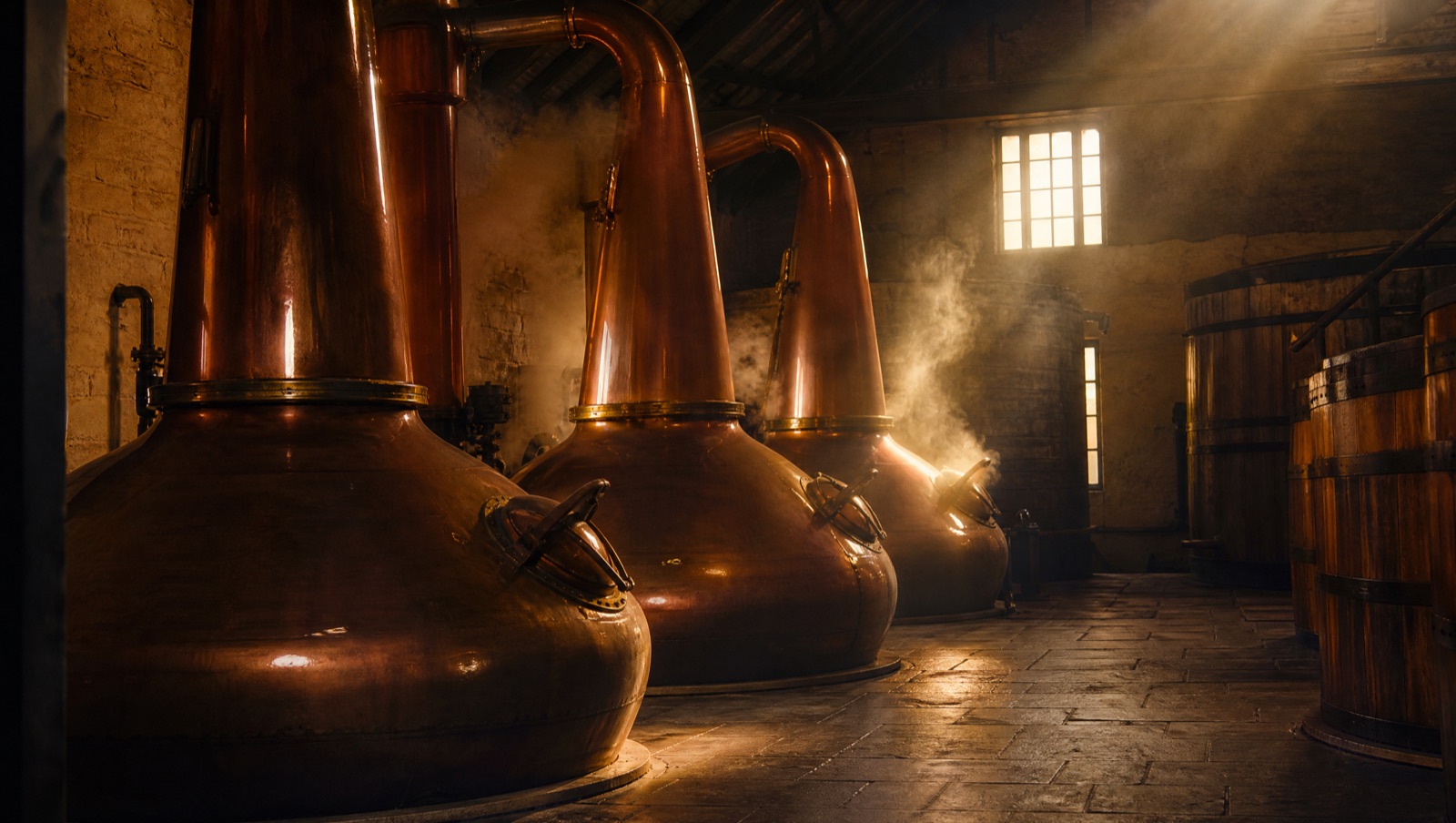
Most American single malt distilleries are small, owner-run craft operations, which means tours tend to be hands-on and personal rather than slickly industrial. A typical visit walks you through the whisky's journey from grain to glass: the malted barley and, at a handful of estates such as Hillrock, the floor-malting itself; the mash tun and open or closed fermenters where flavour begins to build; the copper pot stills that give the spirit its character; and the warehouse, where you'll often hear how the local climate shapes maturation. Desert producers like Whiskey Del Bac talk about aggressive temperature swings and low humidity, while Rocky Mountain distilleries such as Deerhammer point to altitude and dry mountain air.
Nearly every tour ends in a tasting, and this is where the breadth of the category shines. Expect to sample flagship malts alongside experimental releases: mesquite-smoked spirit in Arizona, brandy-cask and house-style expressions at St. George, and single-cask oddities elsewhere. Many distilleries pour gins, brandies or other spirits too, and most have a bottle shop for take-home purchases as well as a tasting room or cocktail bar where you can linger after the formal portion ends.
Getting there & around
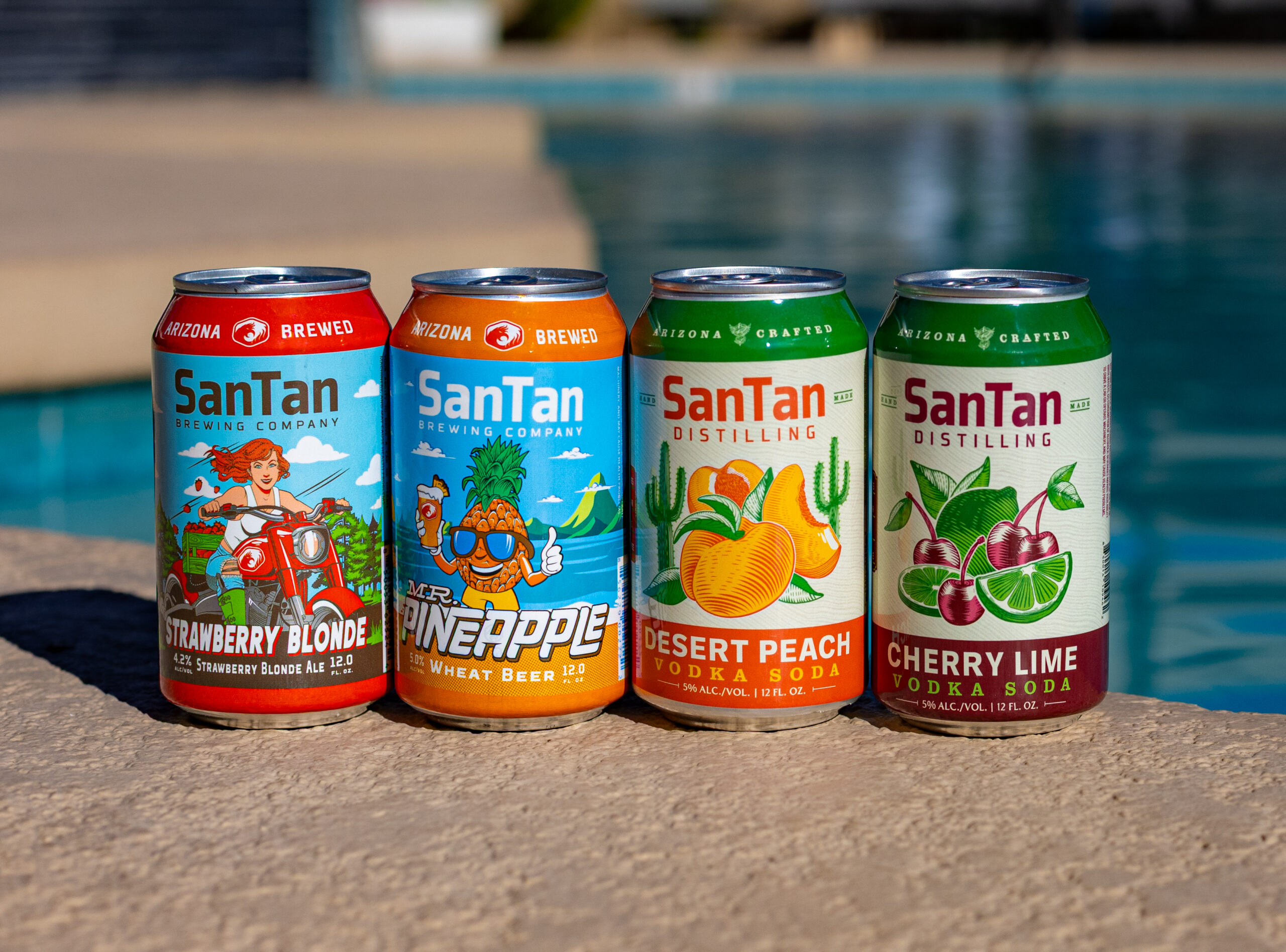
American single malt distilleries are scattered across the country rather than clustered in one whisky region, so planning usually starts with picking a base. Several states give you enough density for a genuine day out. In Arizona, Whiskey Del Bac sits in Tucson while Outlaw Distillery and SanTan Spirits are in the Phoenix metro around Tempe and Chandler, an easy pairing by car. The San Francisco Bay Area anchors California, with St. George Spirits on Alameda and other malt makers such as Hanson of Sonoma to the north in wine country. Colorado's Front Range puts Dry Land and Talnua near Denver and Boulder, with Deerhammer a scenic mountain drive away in Buena Vista.
A hire car is the most practical way to link rural distilleries, but driving and drinking obviously don't mix. If you intend to taste fully rather than spit, plan a designated driver, use a rideshare service in metro areas, or book a guided whisky tour. Urban distilleries such as Chicago Distilling Company and ASW in Atlanta are reachable by public transport or taxi, which makes them well suited to a tasting-led visit without a car.
Frequently asked
- Do I need to book a distillery tour in advance?
- For most American single malt producers, yes. Many are small craft operations that run scheduled tours with limited capacity, and weekend slots fill quickly. Tasting rooms and bottle shops are often walk-in friendly, but a guided behind-the-scenes tour usually needs a reservation. Check the individual distillery's website before you travel, as hours and tour availability vary widely and some open only a few days a week.
- How much does a tour and tasting cost?
- Prices vary by distillery and by how much the experience includes. A standard guided tour with a tasting commonly falls in the low-to-mid tens of dollars per person, with premium or reserve tastings and longer experiences costing more. Some distilleries waive or credit the fee against a bottle purchase. Treat any figure as a guide only and confirm current pricing directly, since craft distilleries adjust their offerings often.
- How many distilleries can I realistically visit in a day?
- Two to three is a comfortable, enjoyable pace, especially if you want to take in full tours and tastings rather than rush. In a metro area like Phoenix or the Bay Area you might manage three that are close together; in mountain or rural country, travel time between sites usually means two. Building in a meal and not over-tasting will make the day far more pleasant than trying to tick off more.
- Can I drink at tastings if I'm driving?
- You should not. Even a few tasting pours can put you over the legal limit, and drink-driving laws in the United States are strict. The safest approach is a designated driver, a rideshare or taxi in cities, or a booked tour with transport included. Some distilleries will let you spit rather than swallow, and most are happy to sell you bottles to enjoy responsibly later if you'd rather not drink while driving.
- Are these distilleries suitable for families and children?
- It depends on the venue. Many craft distilleries welcome families for the educational tour portion, and some have food, cocktail lounges or event spaces that are family-friendly during the day. However, anyone tasting must be of legal drinking age (21 in the US), and a few sites are 21-and-over only. If you're bringing children, contact the distillery ahead to confirm their policy.
- What makes American single malt different from Scotch single malt?
- Both are made from 100 percent malted barley and distilled at a single distillery, but the American category, formalised by a federal standard in early 2025, gives producers far more freedom with oak and cask sizes. That has encouraged distinctive local twists, from mesquite-smoked barley in Arizona to native-oak maturation and regional grain elsewhere. The wide range of climates across the US also shapes how the whisky matures, so expect more variety in style than a single Scotch region typically offers.
- Are the distilleries wheelchair accessible?
- Accessibility varies considerably. Newer, purpose-built tasting rooms and urban distilleries tend to be more accessible, while historic estates, farm distilleries and sites with stairs to stillhouses or warehouses may have limitations on the tour route. If step-free access or other accommodations matter to you, it's best to ring the distillery in advance so they can advise on what parts of the experience you'll be able to enjoy.