
Craft Spirits · Japan
Craft Spirits Distilleries in Japan
Tour 4 craft spirits distilleries in Japan. Each offers visits, tastings or experiences you can book directly — including The Kyoto Distillery (Ki No Bi Gin), Osuzuyama Distillery (Kuroki Honten), Okayama Distillery (Miyashita Shuzo).
4distilleries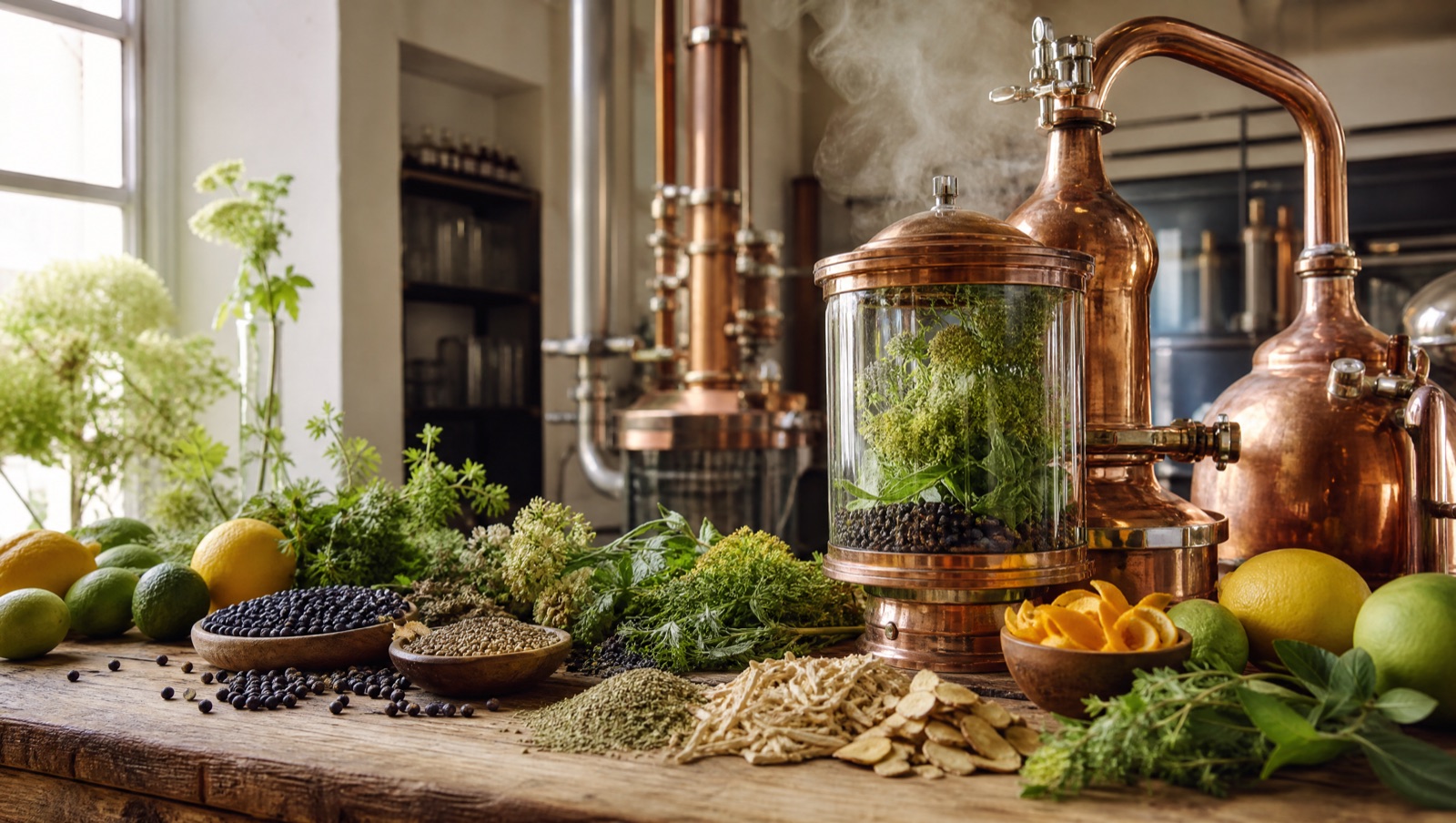
The Kyoto Distillery (Ki No Bi Gin)
Japan's first dedicated craft gin distillery
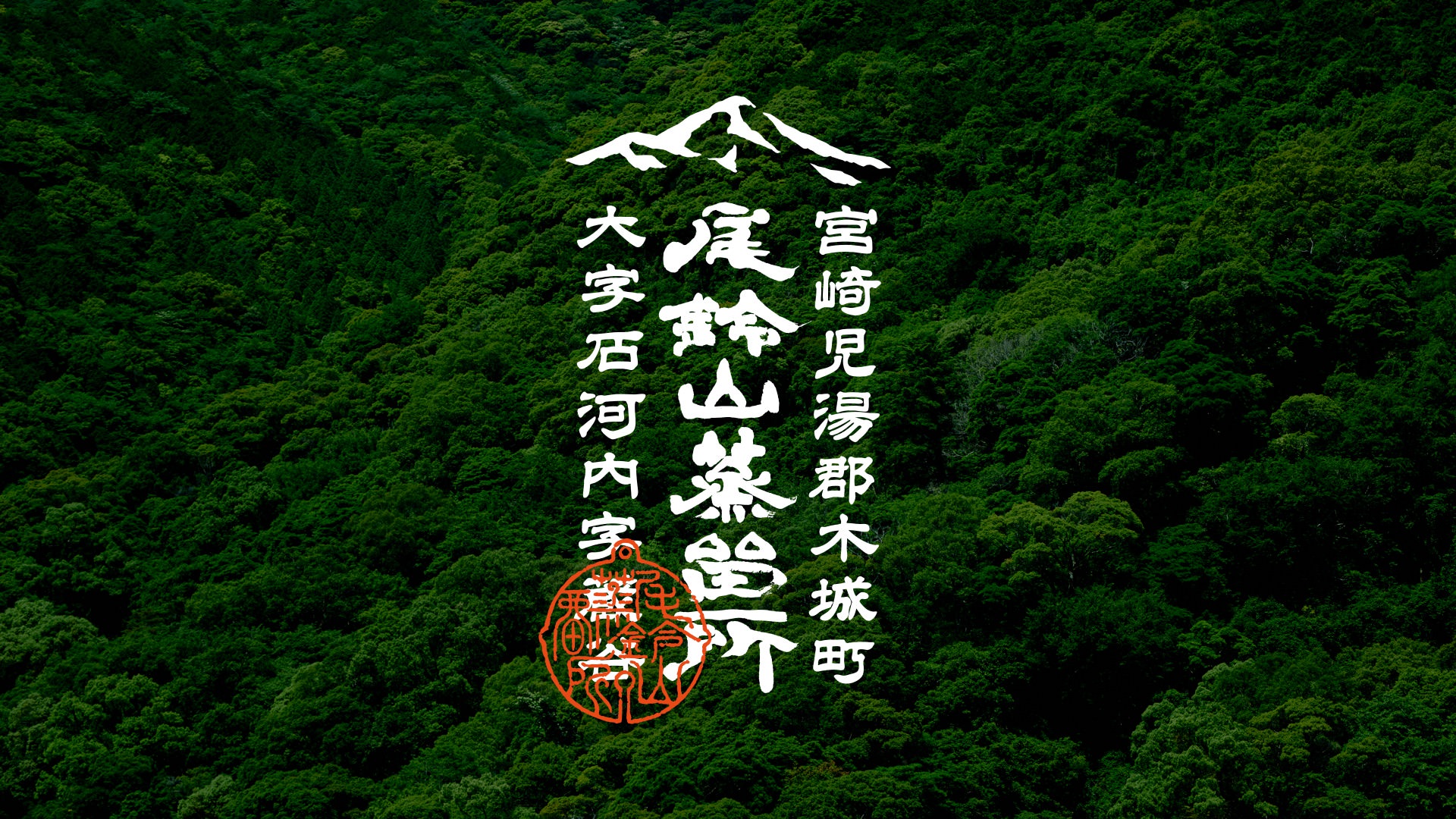
Osuzuyama Distillery (Kuroki Honten)
From renowned shochu to Kyushu malt whisky
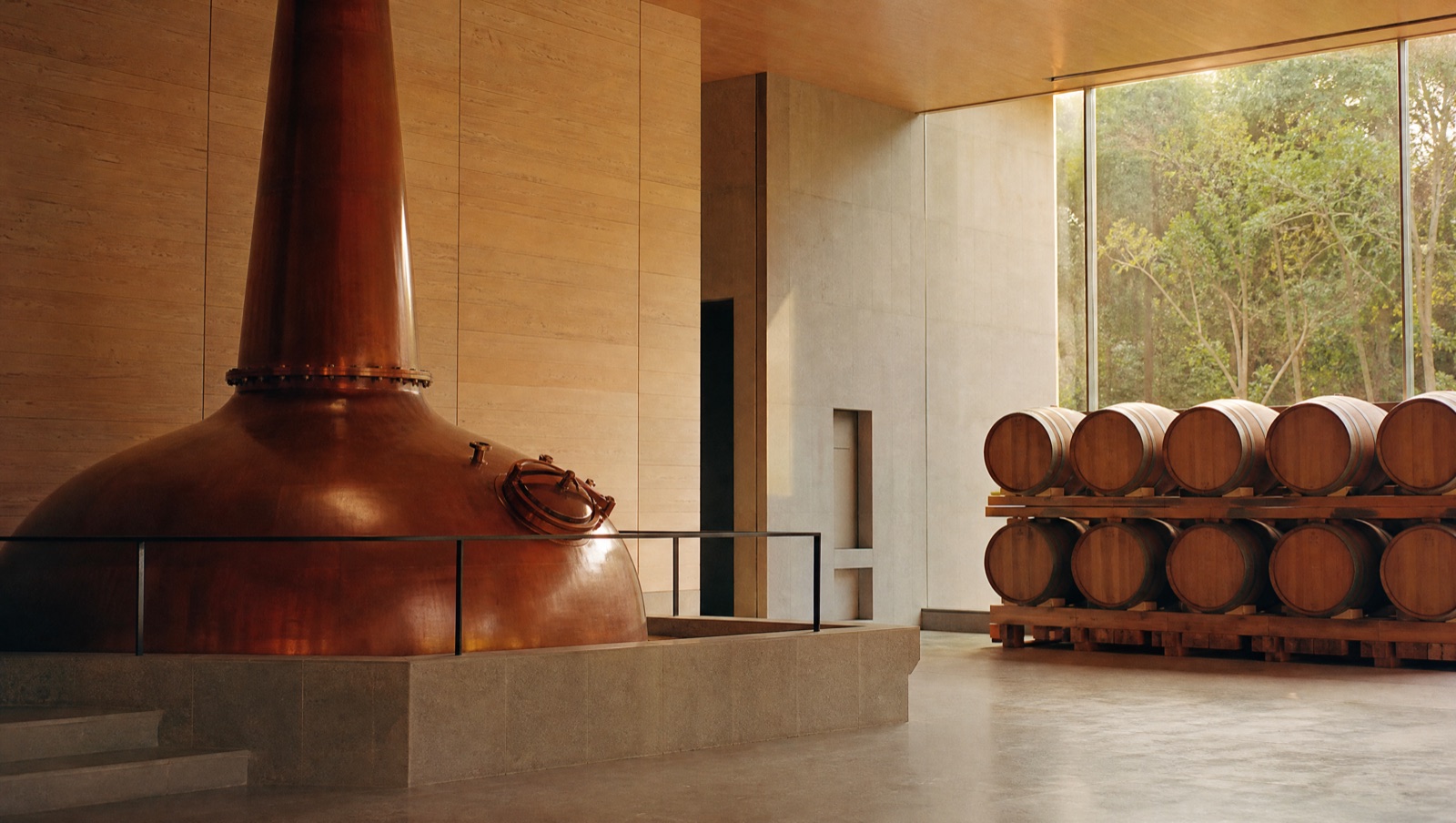
Okayama Distillery (Miyashita Shuzo)
Single malt, shochu, gin and beer in Okayama
Nagahama Distillery (Nagahama Roman Beer)
Tiny lakeside distillery and brewery
About craft spirits distilleries in Japan
Japan's craft-spirits scene runs far deeper than its celebrated whisky, taking in gin, shochu, beer-led distilling and a culture of growing your own ingredients. Many of the most interesting producers are not standalone gin makers but established sake breweries, shochu houses or brewers who have expanded into spirits, bringing decades of fermentation and agricultural know-how with them. The Kyoto Distillery, maker of Ki No Bi gin, helped spark the modern craft movement from 2016. In Miyazaki, Osuzuyama Distillery grew out of Kuroki Honten, a shochu house operating since 1885 whose guiding belief is that 'shochu-making is agriculture', and which grows almost all its own ingredients on its own land. In Okayama, Miyashita Shuzo, a sake brewery, has branched into gin, whisky and vodka using local fruit such as peaches and grapes. And in Shiga, Nagahama Distillery emerged from a craft-beer brewery. Together they show a scene defined by terroir, fermentation skill and a willingness to experiment, which makes for tours that feel rooted in place.
Craft Spirits: styles & how they're made
Japanese craft spirits cover a wide spectrum. Gin is the most visible internationally, led by The Kyoto Distillery's botanical-driven, individually distilled approach. But shochu is the deeper tradition: at Osuzuyama and its parent Kuroki Honten in Miyazaki, barley and other crops are grown on around 20 hectares without chemical fertilisers or pesticides, distilled into characterful shochu under the motto that distilling is really a form of agriculture; the house is known for brands such as the oak-aged barley shochu Hyakunen no Kodoku. Many producers blur categories: Okayama Distillery, run by the sake brewery Miyashita Shuzo, makes gin from a rice-shochu base with more than ten botanicals including local peaches and grapes, and also turns its hand to whisky and vodka. Nagahama Distillery in Shiga came from craft beer before moving into spirits. The shared logic is that fermentation and agriculture come first, and the still is simply the next step, which is why so many of these spirits taste rooted in a particular landscape.
Where to taste craft spirits in Japan
Because Japan's craft producers are scattered, geography shapes any trip. Kyoto is the obvious cultural anchor, home to The Kyoto Distillery and easily combined with the city's sake and food heritage. For shochu, the southern island of Kyushu is the heartland, and Miyazaki's Osuzuyama Distillery, tied to the historic Kuroki Honten, rewards travellers willing to venture south to understand the farm-to-bottle philosophy first-hand. In Okayama, Miyashita Shuzo's Okayama Distillery sits within a working sake brewery and showcases the fruit-led, multi-spirit approach of a producer comfortable across gin, whisky and vodka. Up by Lake Biwa in Shiga, Nagahama Distillery pairs naturally with a beer-and-spirits visit thanks to its brewing origins. None of these sits on a single tidy route, so most visitors fold one or two into a broader Japanese itinerary built around regions they're already exploring.
What to expect on a tour
Touring a Japanese craft-spirits producer often means visiting a working sake brewery, shochu house or brewery rather than a purpose-built gin distillery, so you'll see fermentation and distilling side by side. Expect strong emphasis on ingredients and provenance, from Kuroki Honten's self-grown, chemical-free crops to Miyashita's use of Okayama peaches and grapes, and on the water and craft that underpin everything. Tastings may move across categories, gin, shochu, whisky and more, giving a genuine feel for how versatile these producers are. Settings vary enormously, from Kyoto's refined district to rural Miyazaki and lakeside Shiga, and hospitality is warm and detailed. As with much of Japan, availability and language support differ between producers, and some experiences require advance reservation, so it's sensible to confirm tour details before you travel.
Frequently asked
- What counts as Japanese craft spirits beyond whisky?
- Plenty. The category spans gin, shochu, vodka and more, often made by sake breweries, shochu houses or brewers who have expanded into distilling. Producers like Kuroki Honten, Miyashita Shuzo and The Kyoto Distillery show just how varied the scene is.
- What is shochu?
- Shochu is a traditional Japanese distilled spirit, often made from barley, sweet potato, rice or other crops. At Osuzuyama and its parent Kuroki Honten, the producers grow their own ingredients and treat shochu-making as a form of agriculture, even ageing some expressions in oak.
- Why do so many craft spirits come from sake breweries?
- Sake breweries already master fermentation, water sourcing and ingredient quality, so moving into gin, whisky or vodka is a natural step. Miyashita Shuzo in Okayama, for example, makes gin from a rice-shochu base alongside its sake.
- Can I taste several types of spirit on one tour?
- Often yes. Many Japanese producers are multi-category, so a single visit might cover gin, shochu and sometimes whisky or vodka, which is a great way to understand a producer's full range and philosophy.
- Where is the heartland of Japanese shochu?
- The southern island of Kyushu is the traditional shochu heartland. Miyazaki's Osuzuyama Distillery, linked to Kuroki Honten which has operated since 1885, is a strong example for travellers wanting to understand the tradition.
- How should I plan a Japanese craft-spirits trip?
- Because producers are spread from Kyoto and Shiga down to Okayama and Miyazaki, most visitors include one or two distilleries within a wider regional itinerary. Confirm availability, language support and booking requirements in advance, as these vary by producer.