
Japanese Whisky · Japan
Japanese Whisky Distilleries in Japan
Tour 24 japanese whisky distilleries in Japan. Each offers visits, tastings or experiences you can book directly — including Mars Komagatake (Shinshu) Distillery, Sakurao Distillery, Nagahama Distillery.
24distilleries
Mars Komagatake (Shinshu) Distillery
High-altitude single malt in the Central Alps
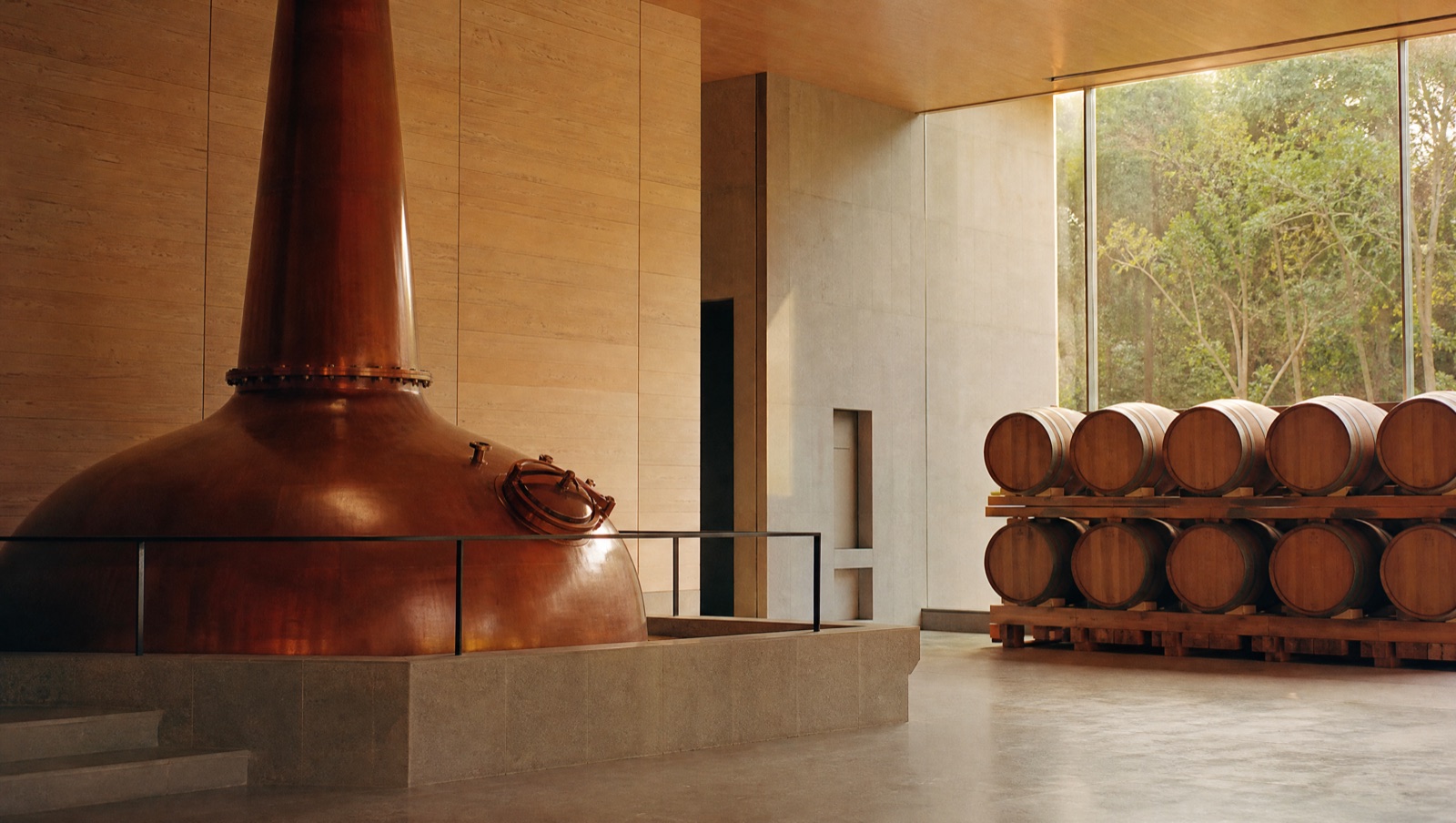

Okayama Distillery (Miyashita Shuzo)
Single malt, shochu, gin and beer in Okayama

Mars Tsunuki Distillery (Hombo Shuzo)
Hombo Shuzo's Kyushu whisky birthplace
Mars Komagatake Distillery (Hombo Shuzo)
Japan's highest whisky distillery in the Alps
Osuzuyama Distillery (Kuroki Honten)
From renowned shochu to Kyushu malt whisky

Suntory Yamazaki Distillery
Japan's first and oldest malt whisky distillery

Nagahama Distillery (Nagahama Roman Beer)
Tiny lakeside distillery and brewery
Saburomaru Distillery (Wakatsuru Shuzo)
Toyama's only whisky distillery and the ZEMON still
About japanese whisky distilleries in Japan
Japanese whisky is barely a century old, yet it has reshaped the spirits world. The story begins in 1923, when Shinjiro Torii built the country's first malt distillery at Yamazaki, in the misty valley where three rivers meet south of Kyoto, with Masataka Taketsuru, fresh from studying the craft in Scotland, at his side. Taketsuru later went north to found Nikka, and the two houses set the template Japan still follows: Scottish technique married to a distinctly local pursuit of balance, subtlety and harmony. Decades of quiet refinement gave way to global acclaim around the turn of the millennium, and a wave of younger craft distilleries has followed since.
For visitors, that history is wonderfully spread out. You can stand beneath the towering copper stills at the Suntory Yamazaki Distillery, breathe the cold sea air at the coal-fired Nikka Yoichi Distillery on Hokkaido, or trace fruitier malt at the elegant Nikka Miyagikyo Distillery near Sendai. Newer names tell the rest of the tale: the high-altitude Mars Komagatake (Shinshu) Distillery in Nagano and its warm-climate sibling Mars Tsunuki Distillery in Kagoshima, the three-still Kanosuke Distillery on the Kyushu coast, the historic Eigashima Distillery (White Oak) near Akashi, and the Sakurao Distillery in Hiroshima.
Tours range from free walk-through visits with a tasting counter to ticketed guided experiences explaining mashing, fermentation, distillation and long maturation, almost always ending with a comparative tasting.
What to expect on a tour
Most Japanese distillery tours follow the whisky in the order it is made, beginning at the mash tuns, moving past the wooden or stainless fermentation washbacks, then into the still house where the shape of the pot stills is explained, before finishing in the cool, dark warehouses where casks rest for years. Guides tend to dwell on the details that make Japanese whisky distinctive, from the variety of still shapes and yeasts to the use of Japanese Mizunara oak. At Yoichi you will see comparatively rare coal-fired distillation; at Kanosuke, three differently shaped stills used to build a broad palette of spirit.
Virtually every visit ends with a guided tasting that walks you through how to nose and enjoy single malts, often alongside the brand's signature highball. Where places like Yamazaki run paid guided tours, others such as Yoichi and Miyagikyo offer a free guided walk plus a self-paced area with a gift shop and a pay-as-you-go tasting bar, so even casual visitors can sample without committing to a full tour.
Getting there & around
Japan's distilleries are scattered across the archipelago, so plan around the regions you are already visiting rather than trying to see them all. Yamazaki sits between Kyoto and Osaka and is reachable in minutes from Yamazaki or Oyamazaki stations, making it the easiest major name to fold into a Kansai trip. Eigashima near Akashi and Sakurao in Hiroshima also suit a western-Japan itinerary. Miyagikyo lies a short ride from Sendai in the north, while Yoichi is reached by train or car from Sapporo on Hokkaido.
The craft distilleries reward a little more effort. Mars Komagatake (Shinshu) is high in the Nagano mountains and is far simpler to reach by car, as are the Kyushu pair of Mars Tsunuki and Kanosuke, which sit roughly forty minutes apart by road in Kagoshima. Japan's rail network is superb, but for the rural sites a hire car or a local taxi makes the day far less stressful, especially if tasting is involved.
Frequently asked
- Do I need to book a Japanese distillery tour in advance?
- Yes, almost always. Reservations are essential for guided tours, and the most sought-after visits, including the Suntory Yamazaki Distillery, allocate a portion of tickets by lottery during set entry windows. English-language tours are usually limited to one or two slots a day, so apply or book as early as you can, often weeks ahead. Some distilleries also keep a free, walk-in tasting area and gift shop that do not require a booking.
- How much do tours and tastings cost?
- It varies widely. Several Nikka sites, including Yoichi and Miyagikyo, offer free guided tours, with a pay-as-you-go counter where you buy individual drams. Suntory's guided tours are ticketed, typically a few thousand yen for a standard tour and considerably more for a premium experience, with the tasting included. At free-tour distilleries, budget a little extra cash for the tasting bar, where rare or aged expressions are poured by the glass.
- How many distilleries can I realistically visit in a day?
- Usually one, occasionally two if they are close together. Tours run 60 to 120 minutes, and travel between sites in different regions can eat a whole day. The Kyushu pairing of Mars Tsunuki and Kanosuke, about forty minutes apart by car, is one of the few combinations that works comfortably in a single day. Elsewhere, treat each distillery as its own outing and avoid rushing through the tasting.
- Can I visit if I'm not drinking or I'm driving?
- Yes. Japan enforces a strict zero-tolerance drink-driving law, so if you are behind the wheel you must not taste at all. Many distilleries provide soft drinks, water or non-alcoholic options at the tasting, and the museums, grounds and shops are well worth the trip regardless. If you want to taste, take the train where possible or arrange a designated driver or taxi for the rural sites.
- Are the distilleries suitable for families and children?
- Generally yes, though it depends on the format. Children are typically welcome on the tour itself and in the museum and shop areas, but they cannot take part in the tasting, and a few premium tastings are adults-only. Check each distillery's age policy when booking. Sites such as Yamazaki and the Nikka distilleries have visitor centres and grounds that make for an interesting outing even for non-drinkers.
- What's the best time of year to go?
- Japanese distilleries are open year-round and each season has its appeal. Spring and autumn bring mild weather and beautiful surroundings, particularly at scenic sites like Mars Komagatake in the Nagano highlands or Yoichi on Hokkaido, where autumn colour and winter snow are striking. Summer can be hot and humid in the south and west. Whenever you go, secure tour reservations early, as popular slots fill regardless of season.
- Is there an entry fee just to look around without a tour?
- Often not. Many distilleries let you enter the grounds, museum and shop free of charge, and pay only for any drinks at the tasting counter. The guided production tour is the part that may carry a fee or require a lottery booking. If your schedule is tight or tickets are gone, the free areas still give a real sense of the place and its whiskies.