
Craft Spirits · Mexico
Craft Spirits Distilleries in Mexico
Tour 9 craft spirits distilleries in Mexico. Each offers visits, tastings or experiences you can book directly — including Casa Herradura, Casa Sauza, Jose Cuervo - La Rojena (Mundo Cuervo).
9distilleries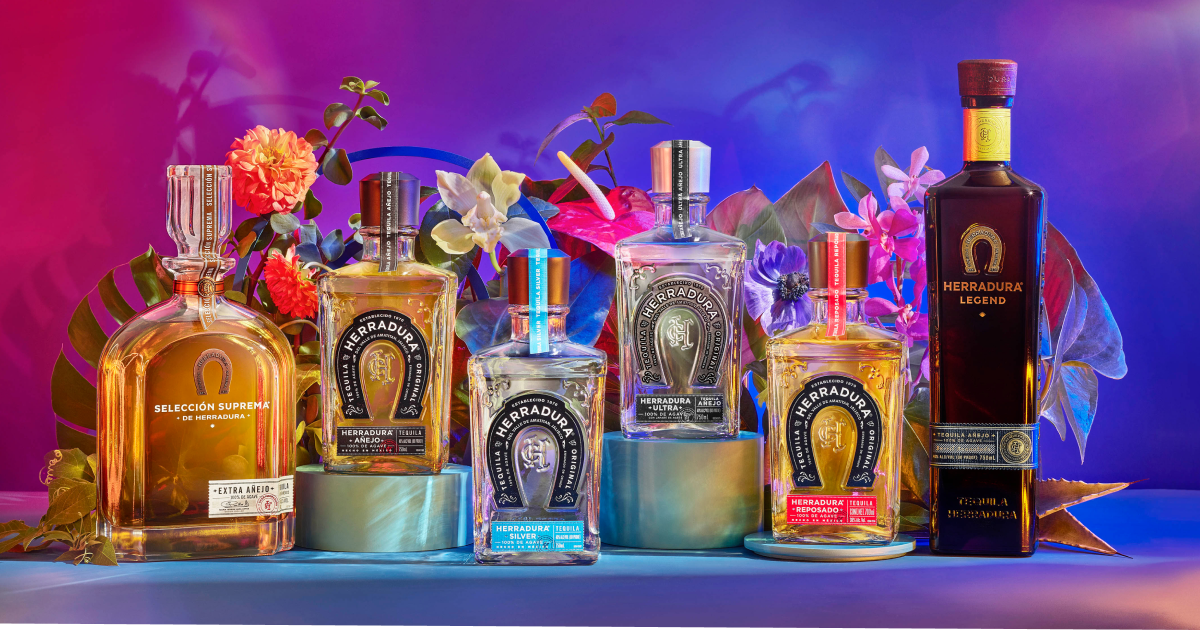
Jose Cuervo - La Rojena (Mundo Cuervo)
Latin America's oldest active distillery

El Rey Zapoteco (Mezcal)
Traditional Oaxacan mezcal in the spirit's heartland
Real Minero (Mezcal)
Four generations of clay-pot mezcal distillation
About craft spirits distilleries in Mexico
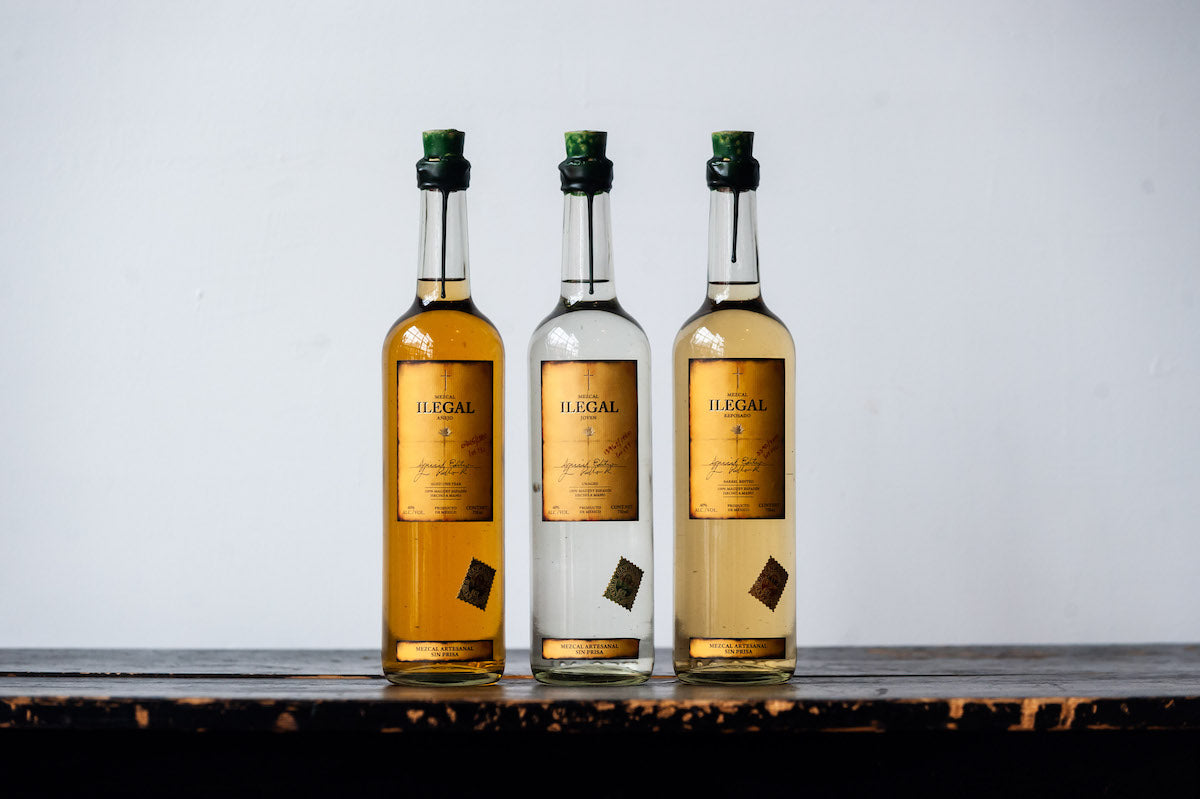
Mexico is the spiritual home of agave distillation, and a craft-spirits trip here is really a tour through two great traditions running in parallel. In the highlands and valleys of Jalisco, blue agave is harvested, roasted and distilled into tequila, the spirit that has carried the country's name around the world. Several hundred kilometres south, in the rugged hills of Oaxaca, smaller family palenques turn a far wider range of agaves into mezcal, a spirit defined by smoke, terroir and the hand of the maker. The directory's listings span both worlds, from the heritage houses of the tequila country such as Casa Herradura, Casa Sauza and Jose Cuervo's La Rojena, through ambitious independents like Tequila Cascahuin, to the Oaxacan mezcaleros behind El Rey Zapoteco, Los Danzantes, Real Minero and Ilegal Mezcal. Visiting them means walking among agave fields, peering into roasting pits and stone tahona mills, and tasting spirits at the source. Whether you lean towards the polished cellar-door experience or the dusty back-road palenque, Mexico rewards the curious traveller with a deeper understanding of how these celebrated spirits are actually made.
Craft spirits: styles & how they are made
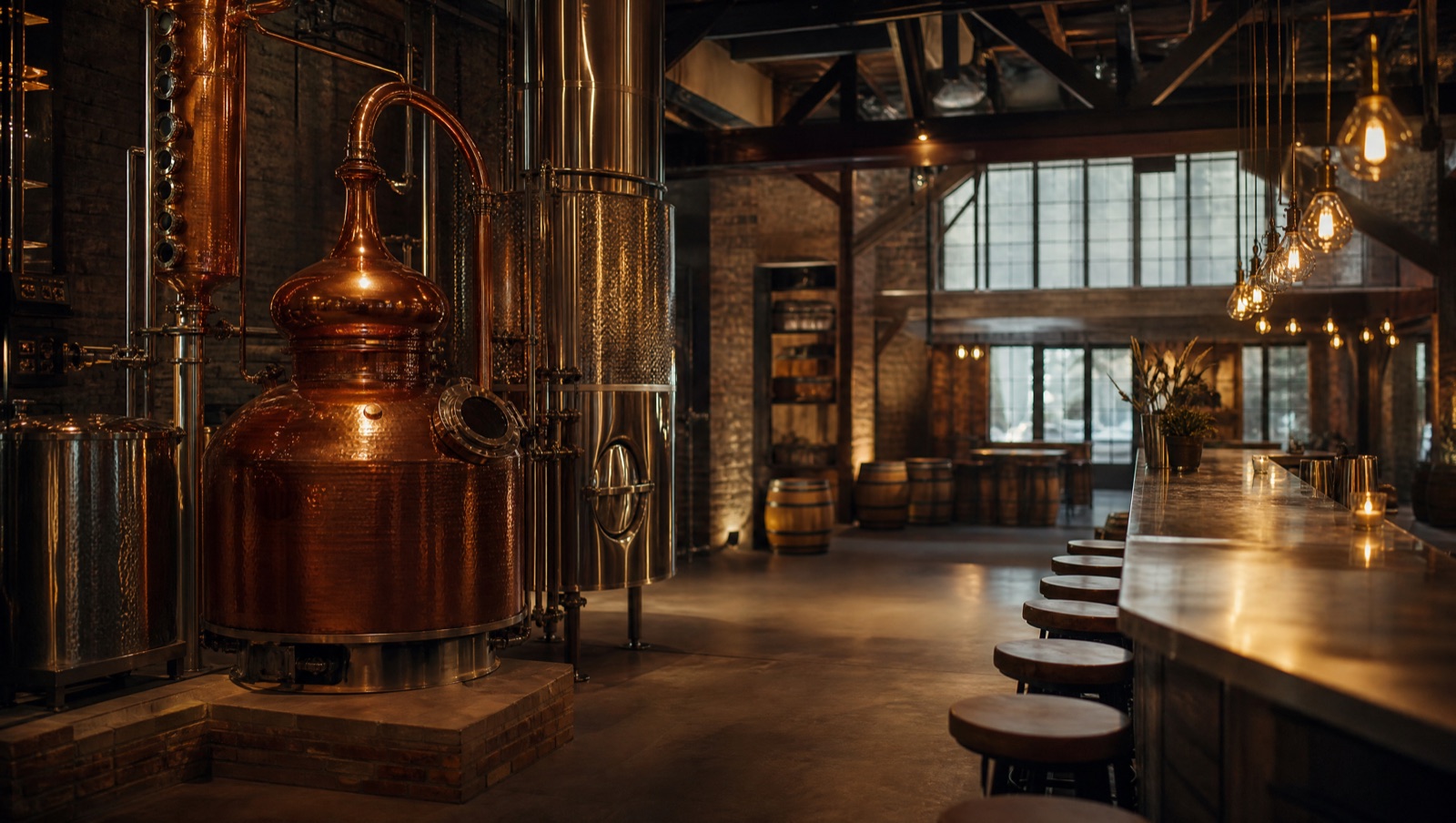
Tequila and mezcal are cousins, both distilled from agave, but the differences run deep. Tequila is made only from blue Weber agave, mostly within Jalisco, where the piñas (the plant's heart) are cooked in ovens or autoclaves, milled, fermented and twice distilled. The results range from clear, vegetal blanco through oak-rested reposado to amber añejo. Mezcal, by contrast, can be made from dozens of agave species, many of them wild. Its signature smokiness comes from roasting the piñas in earth-filled, wood-fired pits before they are crushed, traditionally by a stone tahona wheel, then fermented in open vats and distilled in small copper or clay stills. Houses such as Casa Herradura and Casa Sauza work at scale with refined house styles, while Oaxacan producers like Real Minero and El Rey Zapoteco lean into ancestral methods that capture the character of a single village or agave. Tasting both side by side is the quickest way to grasp how method, place and plant shape the glass.
Where to taste craft spirits in Mexico
Two regions anchor any trip. Jalisco's town of Tequila, a UNESCO World Heritage site, is the obvious base: the historic estates of Jose Cuervo's La Rojena, Casa Sauza and, just outside in Amatitán, Casa Herradura all welcome visitors, while independents such as Tequila Cascahuin offer a more intimate look at family production. Oaxaca is the heartland of mezcal, with the Valles Centrales and the self-styled world capital, Santiago Matatlán, dotted with palenques. Here the experience is smaller and earthier: Los Danzantes, Real Minero, El Rey Zapoteco and the modern Casa Silencio give a sense of the range, from craft cooperatives to design-led visitor sites, while brands like Ilegal Mezcal have helped put Oaxacan agave on the global map. Bear in mind that of the many distilleries in each region, only a portion are set up to receive guests, so it pays to plan.
What to expect on a tour
A tequila tour at one of the larger Jalisco houses tends to be polished and well-organised: a walk through the agave fields, a look at the ovens and stills, an explanation of ageing, and a guided tasting flight comparing blanco, reposado and añejo. Several estates pair the visit with food or a short train or shuttle ride out from Guadalajara. A mezcal palenque visit is usually more rustic and personal. You may meet the maestro mezcalero directly, see the roasting pit and tahona in action, and taste straight from the still, often outdoors. Both experiences reward an unhurried pace and a designated driver or organised transport. Tastings can be generous, so go easy, ask questions, and treat the maker's time as the highlight rather than the spirits alone.
Planning a trip
For tequila, fly into Guadalajara and base yourself there or in the town of Tequila itself, allowing a full day or two to combine a heritage estate with a smaller producer. For mezcal, Oaxaca City is the natural hub, with day trips out to the surrounding villages and Santiago Matatlán. Many travellers visit the larger houses independently but use a guide for the rural palenques, where booking ahead and a Spanish-speaking driver smooth the way. The dry season, roughly autumn to spring, makes for easier road travel. Bring cash for small producers, pace your tastings, and consider shipping bottles home rather than carrying fragile purchases. Above all, build in time to simply sit with a glass and the people who made it.
Frequently asked
- What is the difference between tequila and mezcal?
- Both are agave spirits, but tequila is made only from blue Weber agave, mostly in Jalisco, and is typically oven-cooked and twice-distilled for a cleaner profile. Mezcal can be made from many agave species, often roasted in earth pits, which gives it its characteristic smoky flavour. All tequila is technically a type of mezcal, but the two have separate traditions and regions.
- Which regions should I visit for craft-spirit tours?
- Jalisco, especially the town of Tequila and nearby Amatitán, is the centre of tequila production and home to estates such as Casa Herradura, Casa Sauza and Jose Cuervo's La Rojena. Oaxaca, particularly the Valles Centrales and Santiago Matatlán, is the heartland of mezcal, with palenques behind names like Real Minero, Los Danzantes and El Rey Zapoteco.
- Can I just turn up, or do I need to book a tour?
- The larger tequila estates run scheduled tours and often accept walk-ins, though booking ahead is wise in busy periods. Mezcal palenques are smaller and more rural, so it is best to arrange visits in advance, frequently through a local guide who can also drive you between villages.
- What is a tasting like at a Mexican distillery?
- At a Jalisco tequila house you can expect a guided flight comparing blanco, reposado and añejo after a tour of the fields and stills. At an Oaxacan palenque you often taste straight from the still alongside the maestro mezcalero, sampling different agaves. Tastings can be generous, so pace yourself and arrange transport.
- When is the best time to go?
- The drier months from roughly autumn through spring make rural roads and field visits more comfortable, particularly in Oaxaca where many palenques sit on unpaved tracks. Agave harvesting and production happen year-round, so you can see working distilleries in any season.
- How do I get around between distilleries?
- For tequila, Guadalajara is the gateway, with shuttles, tour buses and even tequila trains running out to the town of Tequila. For mezcal, Oaxaca City is the base, and most travellers hire a guide or driver to reach the scattered village palenques safely, especially given the tastings involved.
- Which distilleries are good for first-time visitors?
- Heritage houses such as Casa Herradura, Casa Sauza and Jose Cuervo's La Rojena offer well-structured introductions to tequila. For mezcal, design-led sites like Casa Silencio and established makers such as Los Danzantes provide an accessible window into Oaxacan production before you venture to smaller family palenques.