
Distillery tours
Distillery Tours in Mexico
Plan a distillery tour in Mexico: 9 distilleries to visit, with tastings and experiences you can book directly. Expect Craft Spirits and more. Highlights include Real Minero (Mezcal), Casa Herradura, Casa Sauza.
9distilleries
Real Minero (Mezcal)
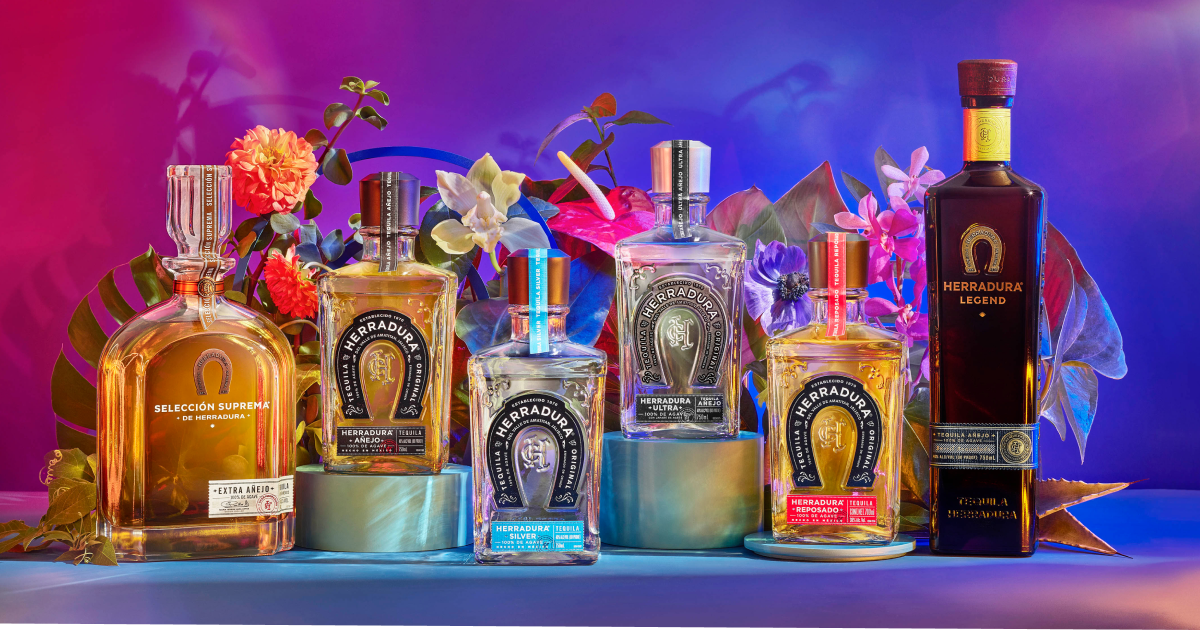
Four generations of clay-pot mezcal distillation

Jose Cuervo - La Rojena (Mundo Cuervo)
Latin America's oldest active distillery
El Rey Zapoteco (Mezcal)
Traditional Oaxacan mezcal in the spirit's heartland
About distillery tours in Mexico
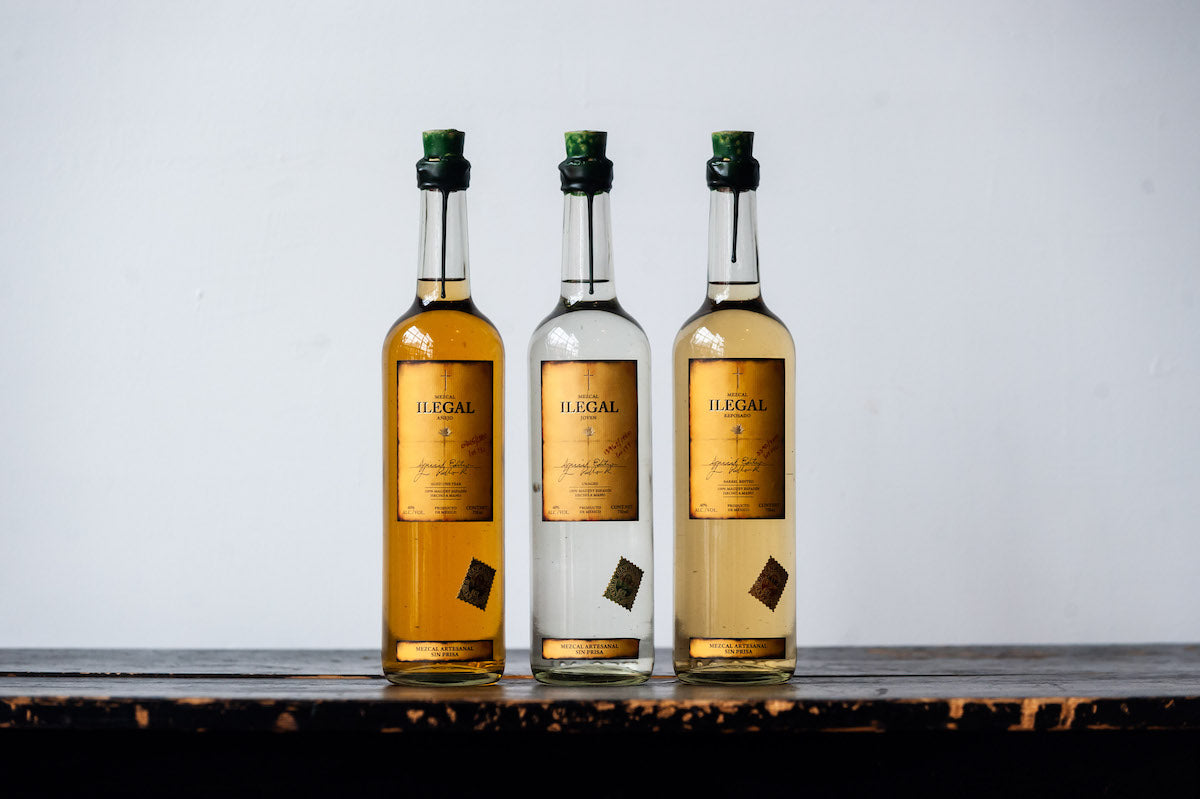
Mexico offers two of the world's most captivating spirits journeys, and they sit at opposite ends of the country in mood as much as in geography. In the western state of Jalisco, the blue-agave fields and the UNESCO-listed town of Tequila form the polished heart of tequila country, where landmark houses such as Casa Herradura, Casa Sauza and Jose Cuervo's historic La Rojena have welcomed visitors for generations. Far to the south, in Oaxaca, mezcal tells a wilder, more artisanal story, distilled in small family palenques from a dozen or more agave varieties, often over wood-fired underground pits that give it its signature smoke. The directory spans both worlds, from Tequila Cascahuin and the big Jalisco houses to Oaxacan mezcal names like Los Danzantes, Real Minero, El Rey Zapoteco, Ilegal and Casa Silencio. Tourism to both regions has surged in recent years, yet the experiences remain strikingly different: tequila leans grand and well-organised, mezcal intimate and hands-on. Together they make Mexico one of the most rewarding distilling destinations anywhere, best appreciated as two distinct trips rather than one.
Top regions to explore
Jalisco is the home of tequila, and the town of Tequila itself, a UNESCO World Heritage site ringed by blue-agave fields, is the obvious base. Here the heritage houses run extensive, well-drilled tours: Casa Herradura on its old hacienda estate, Casa Sauza, and Jose Cuervo's La Rojena through the Mundo Cuervo experience, with boutique producers like Tequila Cascahuin adding a smaller-scale counterpoint. Oaxaca, to the south, is the undisputed capital of mezcal. Its Valles Centrales scatter palenques across villages such as Santiago Matatlan, billed as the world capital of mezcal, and Santa Catarina Minas, where producers including Real Minero, Los Danzantes and El Rey Zapoteco work in time-honoured ways, and where modern names like Casa Silencio and Ilegal Mezcal also draw visitors. Two regions, two temperaments: pick based on whether you want grandeur or intimacy, or build separate trips for each.
Planning a distillery trip
How you plan depends entirely on which spirit you're chasing. In Jalisco, the big houses run regular, ticketed tours that you can often book online, frequently including a train or shuttle from Guadalajara and a structured walk through agave fields, ovens, stills and tasting rooms. Oaxaca is the opposite: palenques are smaller, more rural and best reached on a guided day tour from Oaxaca city, where a driver and host introduce you to the mezcaleros, explain multi-generational techniques and pour straight from the source. Booking a small-group tour in Oaxaca is the practical choice, since many palenques are hard to find and don't keep formal hours. In both regions, go easy: these are full-strength spirits meant to be sipped and savoured, and a designated driver or organised tour is strongly advised.
Getting around
For tequila, Guadalajara is your gateway. The town of Tequila lies a comfortable drive away, and several distilleries run their own shuttles or branded trains from the city, which is the most relaxed way to tour given the tastings involved. For mezcal, fly into Oaxaca city and use it as a hub: the palenques of the Valles Centrales, Santiago Matatlan, Santa Catarina Minas and the surrounding villages, are spread across rural roads that are far easier with a local guide than a self-drive hire car. Across both regions, organised tours solve the twin problems of navigation and not driving after a tasting. Treat Jalisco and Oaxaca as separate journeys; they're a long way apart and each deserves its own few days.
Frequently asked
- What's the difference between tequila and mezcal?
- Both are agave spirits, but tequila is made specifically from blue agave, mostly in Jalisco, and is typically distilled in copper stills. Mezcal can be made from many agave varieties, chiefly in Oaxaca, and traditionally roasts the agave hearts in wood-fired underground pits, which gives it its characteristic smokiness.
- Where should I go for tequila tours?
- Jalisco, and the UNESCO-listed town of Tequila in particular. The major houses, Casa Herradura, Casa Sauza and Jose Cuervo's La Rojena via Mundo Cuervo, run extensive tours, with smaller producers like Tequila Cascahuin offering a more boutique experience. Guadalajara is the gateway city.
- Where should I go for mezcal tours?
- Oaxaca is the capital of mezcal. The Valles Centrales, including Santiago Matatlan and Santa Catarina Minas, are dotted with family palenques such as Real Minero, Los Danzantes and El Rey Zapoteco, best visited on a guided day tour from Oaxaca city.
- Can I combine tequila and mezcal in one trip?
- It's possible but not ideal. Jalisco and Oaxaca are far apart, and the two experiences are very different in pace and style. Most visitors treat them as separate trips, each given its own few days, rather than rushing both.
- Do I need a guided tour, or can I visit independently?
- In Jalisco, the big houses run regular ticketed tours you can often book yourself. In Oaxaca, a guided small-group tour is strongly recommended, as many palenques are rural, hard to find and don't keep formal opening hours.
- How busy are these regions now?
- Both have seen a notable rise in visitors in recent years as agave spirits boom globally. Tequila country is well set up for the crowds; Oaxaca's mezcal scene remains more intimate, though popular palenques can fill up, so booking ahead helps.