
Bourbon · Wisconsin
Bourbon Distilleries in Wisconsin
Tour 4 bourbon distilleries in Wisconsin. Each offers visits, tastings or experiences you can book directly — including 45th Parallel Distillery, J. Henry & Sons, Dancing Goat Distillery.
4distilleries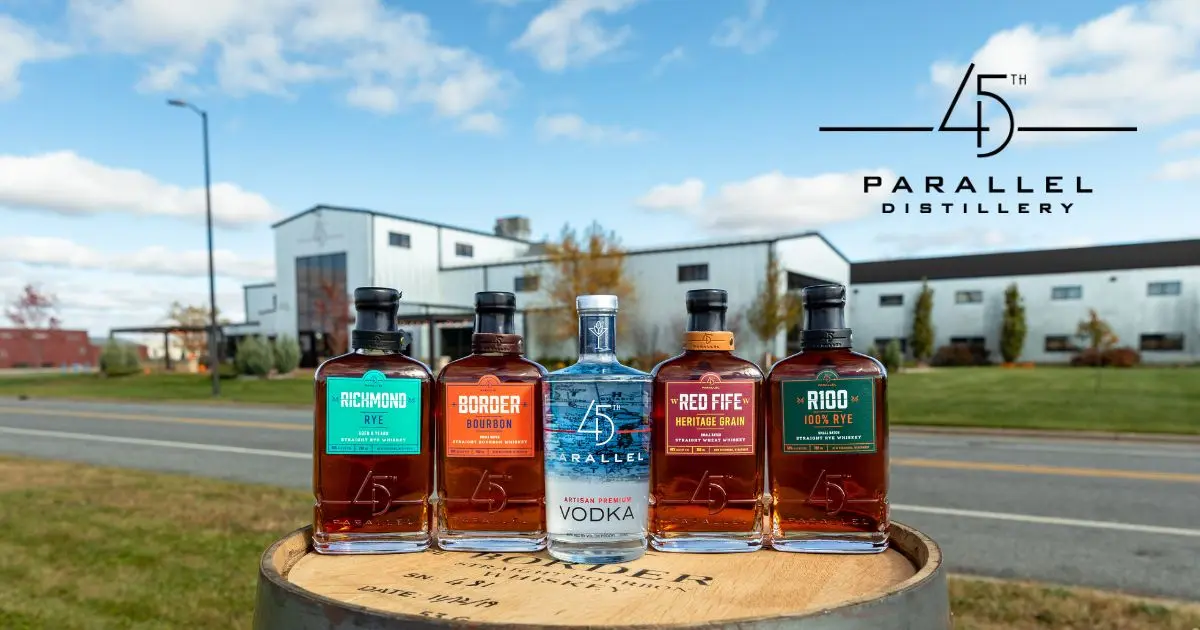


About bourbon distilleries in Wisconsin
Wisconsin is best known for beer and cheese, but over the past two decades it has built a genuine bourbon culture from almost nothing. There were effectively no distilleries in the state in 2001; by the early 2020s there were around two dozen, and a number of them have made bourbon a signature. What gives Wisconsin bourbon its identity is grain. This is a farming state, and many distillers use Wisconsin-grown corn, sometimes distinctive heirloom varieties, to make whiskey that tastes of the place it comes from. The producers on this list are central to that story: J. Henry & Sons in Dane uses heirloom red corn and ages its bourbons for several years; Driftless Glen in Baraboo and Dancing Goat Distillery near Cambridge have both earned strong reputations; and 45th Parallel Distillery in New Richmond is a fixture of the western Wisconsin scene. Touring these distilleries means meeting makers who farm, mash and barrel their own grain, often within sight of the fields it grew in.
What makes Wisconsin bourbon special
Bourbon is an American spirit defined by being at least 51 percent corn and aged in new charred oak, and Wisconsin distillers honour those rules while putting a local stamp on them. The standout is grain provenance: J. Henry & Sons builds its bourbon around heirloom red corn grown on the family farm in Dane, paired with wheat, rye and malted barley, and ages it for a minimum of several years for depth. Other makers experiment within the category, swapping grains or finishing techniques to create their own house style, and many lean on Wisconsin's cold-winter, warm-summer climate, which drives whisky in and out of the wood and shapes maturation. Driftless Glen, Dancing Goat and 45th Parallel each work largely with regional grain, so a tour here is also a window into Wisconsin agriculture. The overall character tends to be grain-forward and honest, reflecting a young but fast-maturing craft scene.
What to expect from a bourbon tasting
A Wisconsin bourbon tasting is usually a relaxed, talkative affair built around a flight of the distillery's expressions. Expect to taste from younger or standard bottlings up to longer-aged or finished releases, so you can follow how time in charred oak builds the classic flavours of caramel, vanilla, baking spice and toasted grain. Because these are small producers, tastings are often led by people directly involved in production, and many distilleries pair the bourbon flight with a look at the mash tuns, stills and barrel warehouse. At a farm distillery like J. Henry & Sons you may also hear about the corn itself, while urban or town-centre rooms tend to fold tastings into a cocktail-bar setting. Ask about single barrels and distillery-only releases, which are a highlight of the Wisconsin scene and frequently sold nowhere else.
Planning your visit
Wisconsin's bourbon distilleries are spread across the southern and western parts of the state, and several are linked informally through the state's bourbon trail. In the south-central area you can pair J. Henry & Sons near Dane and Madison with Dancing Goat Distillery toward Cambridge, and add Driftless Glen in Baraboo to the north as part of a scenic loop. Out west, 45th Parallel anchors the New Richmond area near the Minnesota border. Tasting rooms often have set hours and may run guided tours only at certain times, so check ahead and book where you can. Distances between distilleries can be sizeable, so plan a sensible route, arrange a designated driver, and leave room to buy bottles, the limited and single-barrel releases are the best reason to visit in person.
Frequently asked
- Does Wisconsin really make good bourbon?
- Yes. Although the scene is young, having grown from no distilleries in 2001 to around two dozen by the early 2020s, producers like J. Henry & Sons and Driftless Glen have built strong reputations for grain-forward, well-aged bourbon.
- What makes Wisconsin bourbon distinctive?
- Mostly the grain. Many distillers use Wisconsin-grown corn, with J. Henry & Sons known for heirloom red corn grown on its own farm, giving the bourbon a clear sense of local provenance.
- Is there a Wisconsin bourbon trail?
- Yes, an informal trail links many of the state's bourbon producers, and distilleries such as J. Henry & Sons, Driftless Glen, Dancing Goat and 45th Parallel make natural stops on a self-guided tour.
- How long is Wisconsin bourbon typically aged?
- It varies by producer, but J. Henry & Sons, for example, ages its bourbons for a minimum of several years. The state's cold winters and warm summers encourage active interaction with the charred oak during maturation.
- Can I tour the production areas, not just taste?
- Often, yes. Many Wisconsin distilleries offer guided tours of the mash tuns, stills and barrel warehouses, and farm distilleries like J. Henry & Sons can show you the connection between the grain fields and the glass.
- How should I plan a multi-distillery bourbon trip?
- Group by region: pair J. Henry & Sons and Dancing Goat in the south-central area with Driftless Glen to the north, and treat 45th Parallel in New Richmond as a western anchor. Distances are real, so plan your route and a designated driver.