
Craft Spirits · Alsace (Grand Est)
Craft Spirits Distilleries in Alsace (Grand Est)
Tour 6 craft spirits distilleries in Alsace (Grand Est). Each offers visits, tastings or experiences you can book directly — including Distillerie Bertrand, Distillerie Hepp, Distillerie Lehmann.
6distilleries

About craft spirits distilleries in Alsace (Grand Est)
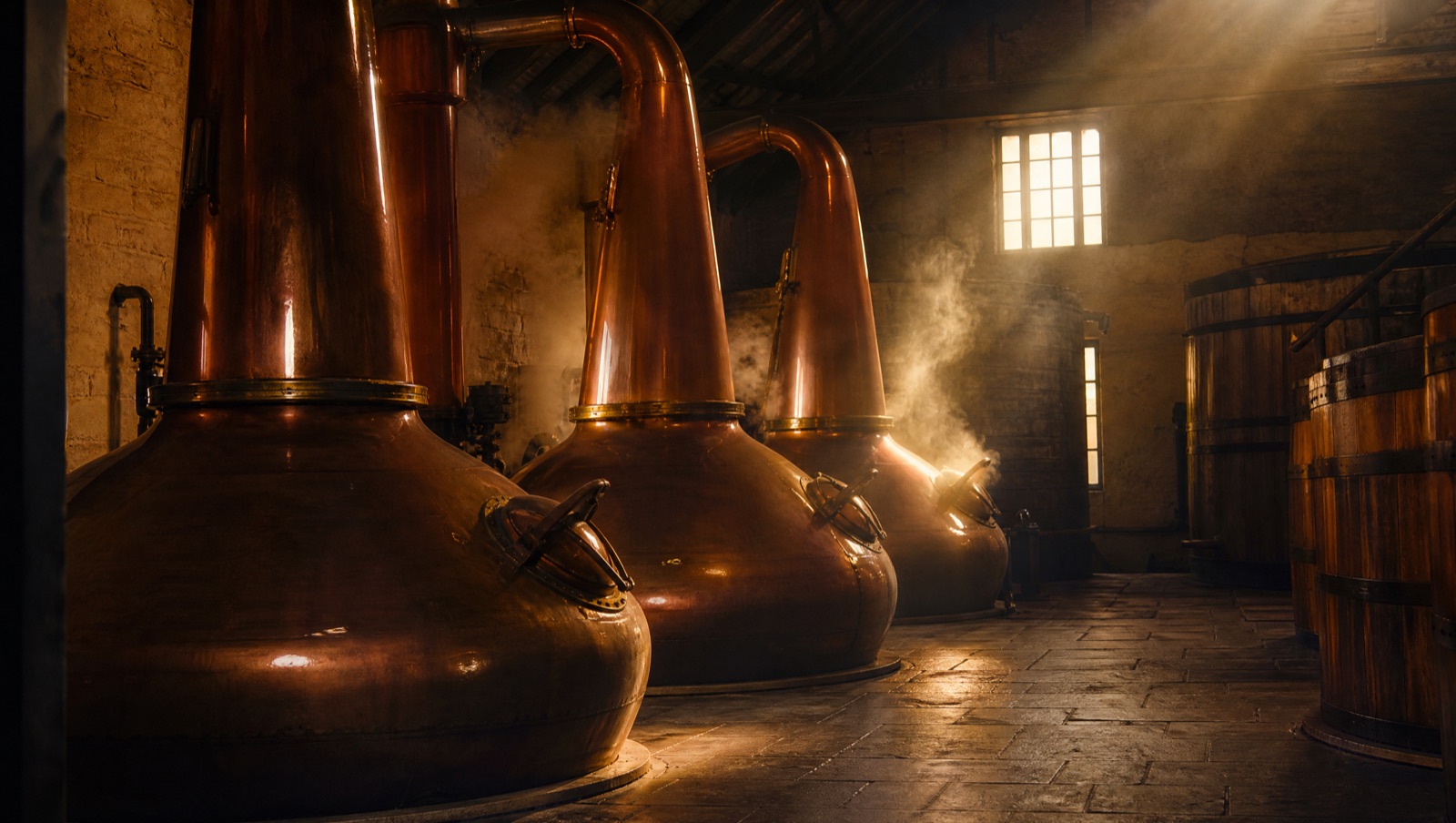
Few regions in France carry as much distilling heritage as Alsace. Tucked between the Vosges mountains and the Rhine, with countless orchards and a tradition of small farm stills, it has produced eaux-de-vie for generations, and that expertise now feeds a thriving craft-spirits scene. Today the region's distilleries make far more than fruit brandy: gin, whisky, vodka, liqueurs, aquavit and aged specialities all emerge from the same family-run houses. Producers such as Distillerie G. Miclo, Distillerie Nusbaumer, Distillerie Bertrand, Distillerie Hepp, Distillerie Lehmann and Distillerie Meyer combine decades of know-how with a willingness to experiment, while keeping a firm grip on quality and provenance. What unites them is a respect for raw material, whether that is a single orchard variety of pear or carefully chosen grain. For visitors, Alsace offers an unusually authentic craft-spirits experience: these are working distilleries where you meet the people who run the stills, taste across a genuinely broad range, and see how a deep regional tradition keeps reinventing itself without losing its roots.
What makes Craft Spirits here special
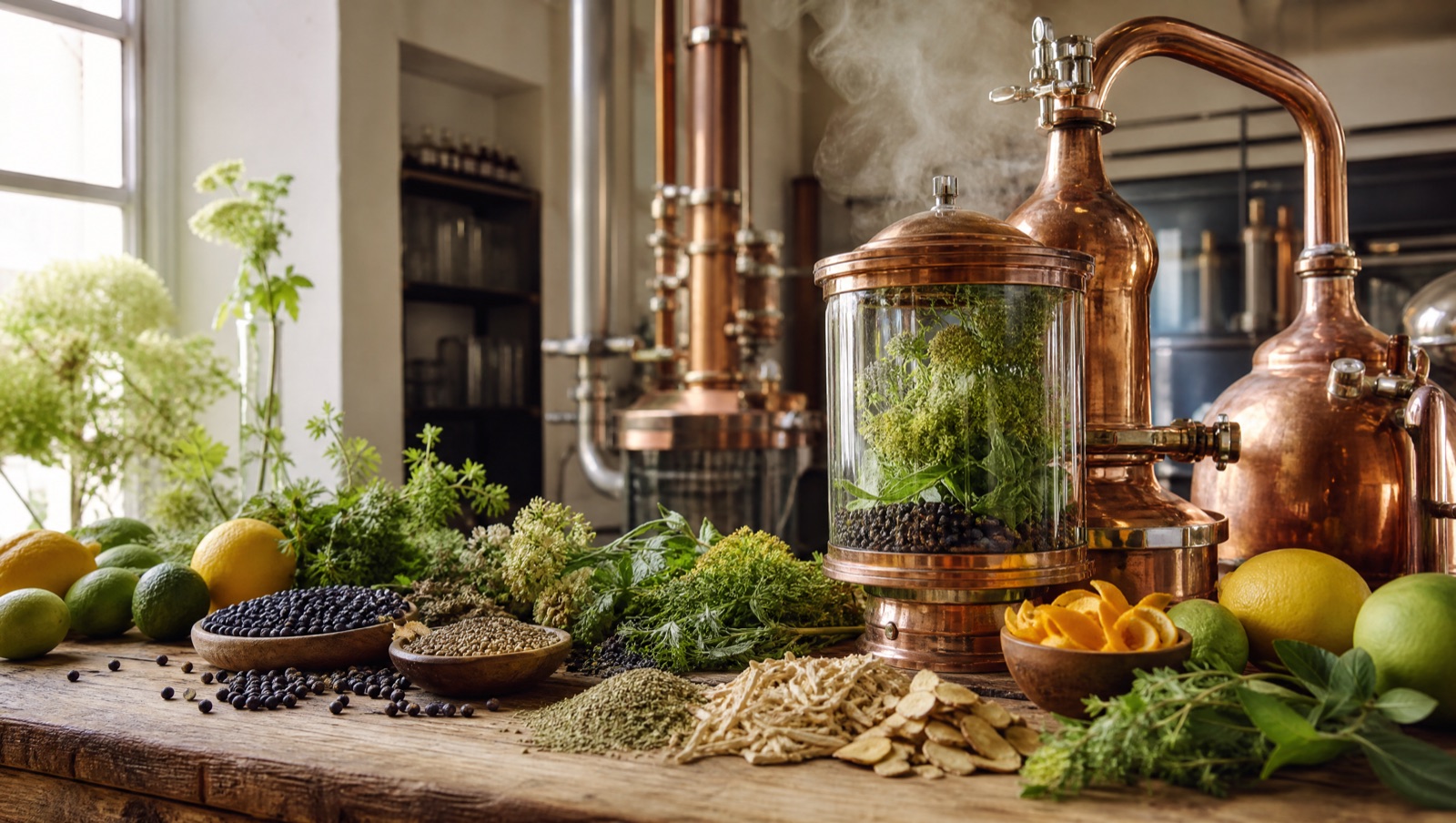
Alsatian craft spirits are defined by terroir and technical mastery. The region's distillers grew up working with fruit, which demands precision, patience and a delicate touch on the still, and they have carried that discipline into newer categories. The base materials are local and varied: orchard fruit such as pears, cherries, mirabelles and quetsch plums; grain for whisky and vodka; and wild botanicals from the Vosges hillsides. Houses like Miclo and Nusbaumer have broadened from classic eaux-de-vie into whisky, gin and even aquavit, while Lehmann, Meyer, Bertrand and Hepp each carry their own family signatures. The scale stays human, which means small batches, hands-on production and a clear sense of who made what. The breadth is the real draw: in one region, and often in one tasting room, you can trace the full arc from traditional fruit brandy to contemporary craft spirit.
What to expect from a Craft Spirits tasting
Expect variety and conversation. A tasting at an Alsatian craft distillery rarely focuses on a single product; instead you are guided through a flight that might run from clear fruit eaux-de-vie to liqueurs, gin and aged whisky. Sessions are usually led by family members or experienced distillers who can explain how the same still and philosophy produce such different spirits. You will often nose and sip neat to appreciate aromatics, with plenty of detail about the fruit varieties or grain behind each bottle. Because these are working sites such as Meyer, Lehmann and Bertrand, you may also see or learn about the distillation process itself. The tone is welcoming and unpretentious, more farmhouse hospitality than corporate brand experience, and there is usually a shop where you can buy the expressions that stood out.
Planning your visit
The craft distilleries are scattered across the Vosges foothills and valleys, broadly south and west of Strasbourg, with clusters around Colmar, the Vallée de Villé and the wine-route villages. A car makes the difference, since these are rural producers rather than city tasting rooms, and it lets you combine two or three visits in a day, perhaps alongside a stretch of the Alsace wine route. Tasting arrangements and opening hours vary, and smaller houses may appreciate a call ahead, especially off-season. Always plan a designated driver given the strength of the spirits on offer. Buying direct from the distillery shop is often the surest way to take home limited fruit eaux-de-vie or single-batch whiskies and gins that have small distribution beyond the region.
Frequently asked
- What counts as craft spirits in Alsace?
- It spans the full range produced by the region's family distilleries: fruit eaux-de-vie, liqueurs, gin, vodka, whisky and even aquavit, all made in relatively small batches with a strong emphasis on local raw materials.
- Which distilleries make more than just fruit brandy?
- Houses such as Miclo and Nusbaumer have expanded well beyond eaux-de-vie into whisky, gin and other spirits, while Lehmann, Meyer, Bertrand and Hepp each offer their own ranges.
- What makes Alsatian craft spirits distinctive?
- The combination of long fruit-distilling expertise, access to local orchard fruit and Vosges botanicals, and human-scale, hands-on production gives the spirits a strong sense of regional identity.
- Are tastings beginner-friendly?
- Very much so. Tastings are typically led by family members or distillers who happily explain the differences between styles, making them ideal for newcomers as well as enthusiasts.
- Do I need to book a tasting?
- It is best to check opening hours and reserve where possible, particularly at smaller distilleries and outside the summer season.
- How do I get around the distilleries?
- A car is strongly recommended, as the producers are spread across rural villages and valleys in the Vosges foothills with limited public transport.
- Can I combine a spirits trip with wine tasting?
- Yes. Many distilleries sit close to the Alsace wine route, so it is easy to pair a craft-spirits visit with the region's celebrated wineries.