
Gin · Alsace (Grand Est)
Gin Distilleries in Alsace (Grand Est)
Tour 4 gin distilleries in Alsace (Grand Est). Each offers visits, tastings or experiences you can book directly — including Distillerie Bertrand, Distillerie Hepp, Distillerie Nusbaumer.
4distilleries

About gin distilleries in Alsace (Grand Est)
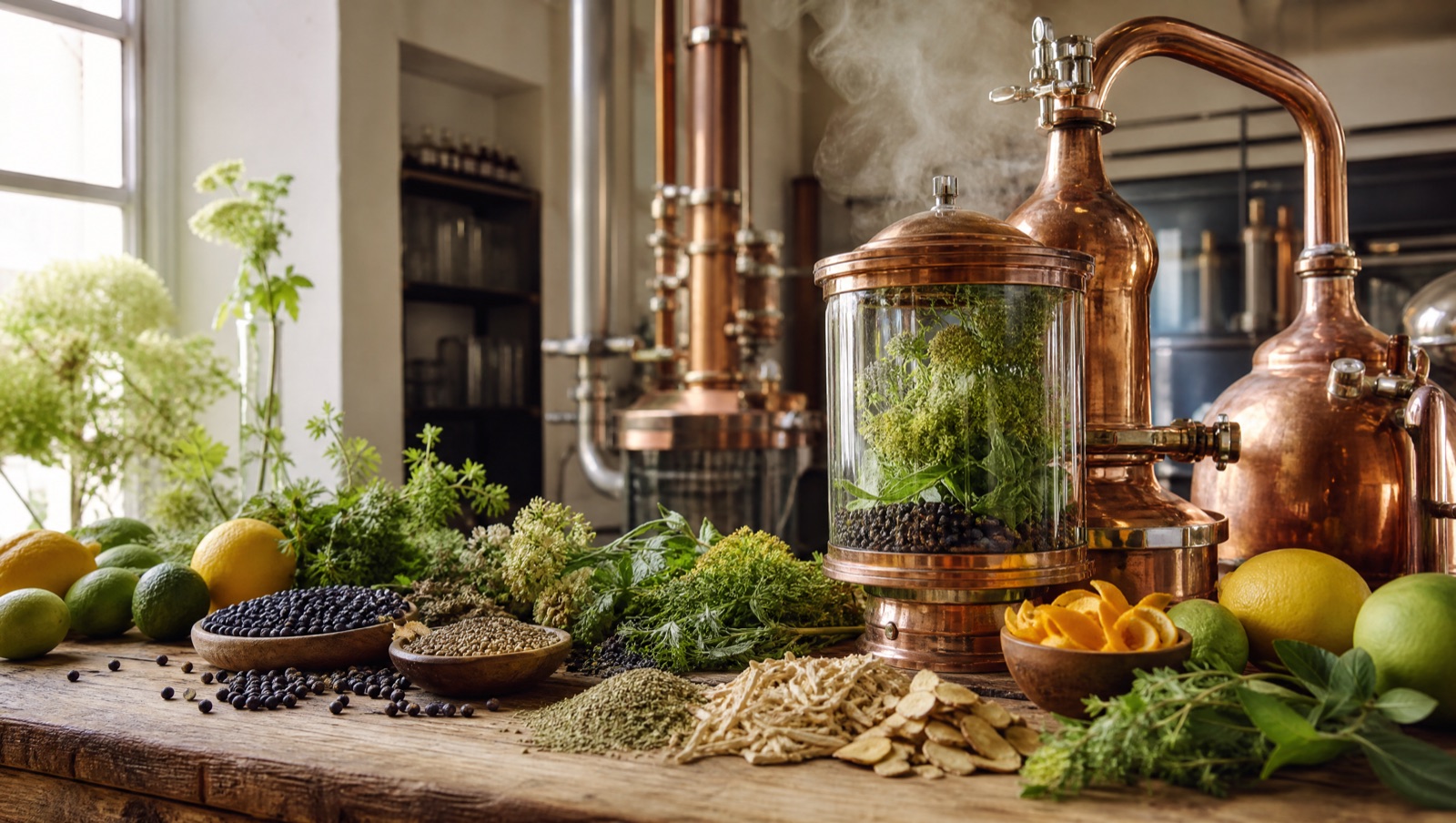
Alsace has long been France's heartland for distilling, but its reputation was built on crystal-clear fruit eaux-de-vie rather than juniper spirit. That deep distilling culture, however, has given the region a natural head start with gin. The same copper stills, the same patient distillers and the same access to orchard fruit and hedgerow botanicals now turn out gins with a distinctly Alsatian character. Producers here tend to approach gin the way they approach everything: as a vehicle for terroir. You will find expressions leaning on the berries, herbs and wild plants that grow along the Vosges foothills, alongside more classic, juniper-forward London-style gins. Houses such as Distillerie G. Miclo, Distillerie Nusbaumer, Distillerie Bertrand and Distillerie Hepp all build on generations of eaux-de-vie know-how, which shows in the clean, precise base spirit and the confident handling of botanicals. Visiting a gin producer in Alsace usually means stepping into a working family distillery rather than a slick brand experience, so expect to taste fruit brandies and liqueurs alongside the gin, and to come away with a sense of how the region's wider distilling heritage shapes its newer creations.
What makes Gin here special
Alsatian gin is shaped by two things: a long mastery of fruit distillation and an unusually rich local larder of botanicals. Distilleries that have spent decades coaxing aromatics out of pears, cherries and plums bring real finesse to the more delicate business of capturing juniper, citrus and herbs. The base spirit tends to be exceptionally clean, and many producers fold in botanicals foraged from the Vosges valleys, including elderberry, rosehip, sloe, bilberry, alisier (wild service berry) and mountain herbs. Distillerie G. Miclo in Lapoutroie, for instance, makes both a more classic style and a 'forestier' gin built around wild Kaysersberg-valley berries and plants, while Distillerie Nusbaumer in the Vallée de Villé draws on the same hillside botanicals it has distilled for liqueurs since the 1940s. The result is gin that feels rooted in a specific landscape rather than chasing a generic contemporary template.
What to expect from a Gin tasting
Tastings in Alsace are typically intimate and informative, often led by a family member or a long-serving distiller in a working production space. Because most of these houses, including Bertrand, Hepp, Miclo and Nusbaumer, are fruit distillers first, a gin tasting rarely stands alone: you will usually sample it as part of a broader flight that runs through eaux-de-vie, liqueurs and sometimes whisky. Expect to nose and sip gin neat to appreciate the botanical balance before any tonic appears, and to hear how the juniper and citrus interact with the wilder local plants. Staff are generally happy to talk through the difference between a classic juniper-led recipe and a more aromatic, foraged style. Many distilleries have a shop attached, so you can compare bottles side by side and pick up the expression that suited your palate.
Planning your visit
The gin producers cluster in the Vosges foothills and valleys south and west of Strasbourg, with Colmar making a convenient base for reaching Miclo near Lapoutroie and other Haut-Rhin distilleries, while the Vallée de Villé and surrounding villages put you close to Nusbaumer. A car is genuinely useful here, as these are rural, scattered sites rather than city-centre tasting rooms; combine a visit with the wine route and you have a full day of Alsatian drinking culture. Opening hours and tasting arrangements vary by house, and smaller producers may prefer you to call ahead, especially outside the summer season. Plan for a designated driver, and remember that buying direct from the distillery shop is often the only way to find the more limited or seasonal botanical expressions.
Frequently asked
- Is Alsace really known for gin?
- Alsace is best known for fruit eaux-de-vie, but its distilling heritage translates naturally to gin. Established houses such as Miclo, Nusbaumer, Bertrand and Hepp now produce gin alongside their traditional brandies and liqueurs.
- What makes Alsatian gin different?
- Many local gins lean on botanicals foraged in the Vosges foothills, such as elderberry, rosehip, sloe, bilberry and wild service berry, giving them a regional, hedgerow-forward character distinct from a standard London-style gin.
- Can I taste gin and other spirits on the same visit?
- Usually, yes. Because these are fruit distilleries at heart, gin tastings are typically part of a wider flight that includes eaux-de-vie and liqueurs, so you can compare styles in one sitting.
- Do I need a car to visit?
- A car is recommended. The distilleries are spread across rural villages and valleys in the Vosges foothills rather than concentrated in one town, so public transport is limited.
- Should I book ahead?
- It is wise to check opening hours and book where possible, particularly with smaller producers and outside the busy summer months. A quick call before travelling avoids disappointment.
- Where is a good base for a gin trip in Alsace?
- Colmar is a central and attractive base for reaching the Haut-Rhin distilleries, including Miclo near Lapoutroie, with other producers accessible in the surrounding valleys.
- Can I buy gin directly from the distilleries?
- Most have an on-site shop, which is often the best place to find limited or seasonal botanical expressions that are harder to source elsewhere.