
Single Malt · Alsace (Grand Est)
Single Malt Distilleries in Alsace (Grand Est)
Tour 6 single malt distilleries in Alsace (Grand Est). Each offers visits, tastings or experiences you can book directly — including Distillerie G. Miclo, Distillerie Hepp, Distillerie Lehmann.
6distilleries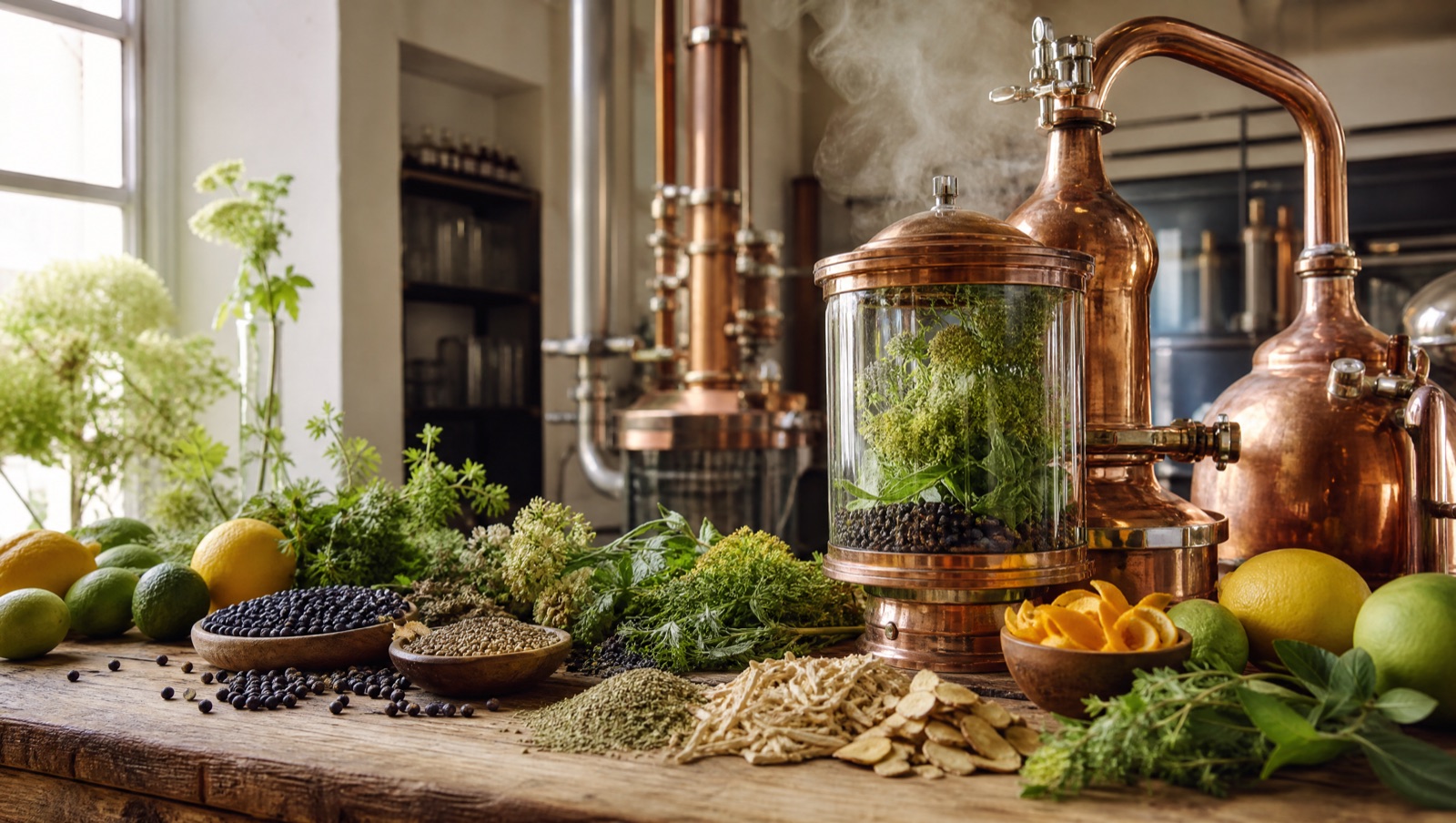


About single malt distilleries in Alsace (Grand Est)
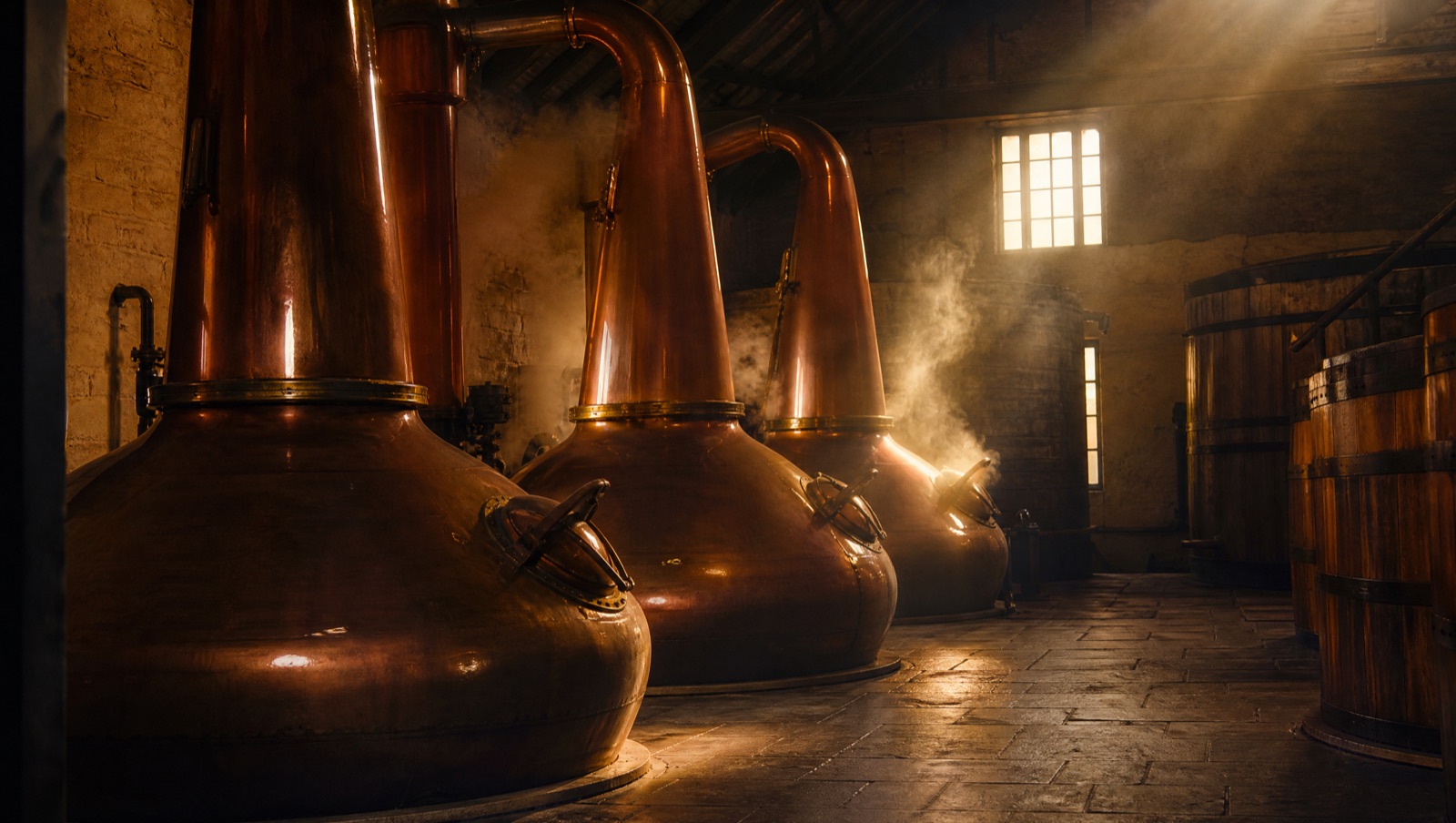
Alsace, in France's Grand Est region, is one of the most natural homes for single malt whisky outside the British Isles, even if many travellers discover it by surprise. The reason is simple: Alsace already had a deep distilling culture long before whisky arrived, built on its famous eaux-de-vie, the crystal-clear fruit brandies that local distilleries have perfected over generations. When those same artisan houses turned their copper stills and barley to whisky from around the early 2010s, they brought centuries of know-how with them. Today the region is home to a cluster of family-run distilleries making genuine Alsatian single malt, often under the protected indication that guarantees local origin and method. Names such as Distillerie Miclo, Distillerie Lehmann, Distillerie Meyer and Distillerie Nusbaumer sit alongside Bertrand and Hepp, each blending Alsatian tradition with single malt craft. For visitors, it is a chance to taste whisky in a landscape of vineyards, forested valleys and storybook villages, made by distillers whose roots run deep into the local terroir.
What makes single malt here special
Alsatian single malt is distinctive precisely because it grows out of an older distilling heritage. The region's distilleries cut their teeth on eaux-de-vie, fruit brandies that demand precision, purity and a delicate hand on the still, and that expertise carries directly into their whisky. Many are long-established family houses: Lehmann in Obernai traces its roots to the mid-nineteenth century, Nusbaumer in Steige was founded in the 1940s, Meyer in the Vallée de Villé in the late 1950s, and Miclo built its reputation on fruit distillation before turning to malt in the 2010s. Several carry recognition for living heritage and craft. The whisky itself benefits from local barley, soft Alsatian water and, in some cases, finishes in casks that nod to the region's wine culture, including sweet Sauternes-style influences. Crucially, much of it qualifies as genuine Alsatian whisky under the protected geographical indication, which guarantees both the origin of ingredients and the production methods, lending real authenticity to what's in the glass.
What to expect from a single malt tasting
Visiting an Alsatian distillery often means tasting across categories, not just whisky. Many houses will introduce you to their eaux-de-vie and liqueurs first, giving useful context for how their distilling style shapes the malt that follows. A whisky tasting here tends to be unhurried and personal, frequently led by the family or distiller themselves, with the chance to compare expressions, from a younger malt to longer-aged or cask-finished bottlings, including releases finished in wine-influenced casks at producers like Miclo. Expect to nose and discuss the spirit before sampling, and to learn how the same skills behind a pristine fruit brandy translate into a smoother, fruit-tinged single malt. Because these are working artisan distilleries rather than visitor mega-sites, the experience is intimate, and the on-site shops are an excellent place to pick up bottles, including expressions that rarely travel far beyond the region.
Best for and planning your visit
Alsace suits travellers who want to combine whisky with a broader gastronomic and scenic trip. The distilleries sit in some of the prettiest parts of the region, the Vallée de Villé, the Welche country and towns like Obernai and Steige, making them easy to weave into a wider Alsace itinerary alongside vineyards, villages and the wine route. A car is the most practical way to reach the more rural houses such as Nusbaumer, Meyer and Miclo, so plan a designated driver or overnight stays to taste freely. Many distilleries welcome visitors to their shops year-round, but it is worth checking ahead for guided tours and tasting sessions, especially outside peak season. Allow time to explore the surrounding countryside between stops, and consider pairing your whisky tasting with the region's celebrated food and wine for a fuller sense of Alsatian craft.
Frequently asked
- Does Alsace really make single malt whisky?
- Yes. Several Alsatian distilleries have made genuine single malt since around the early 2010s, building on the region's long tradition of fruit eaux-de-vie. Much of it qualifies as authentic Alsatian whisky under a protected geographical indication.
- Why is Alsace a natural fit for whisky?
- The region already had deep distilling expertise through its famous fruit brandies. When houses like Miclo, Lehmann, Meyer and Nusbaumer applied that craft to barley, they produced refined, often fruit-tinged single malts.
- What does the protected indication mean for the whisky?
- It guarantees the local origin of the raw materials and the production methods, allowing producers to label their spirit as Alsatian whisky. It is a mark of authenticity rather than a guarantee of a single flavour style.
- Can I taste more than just whisky on a visit?
- Usually yes. Most distilleries also produce eaux-de-vie and liqueurs, and tastings often introduce these alongside the whisky, giving useful context for the house style.
- How should I get around the distilleries?
- A car is the most practical option, as several houses sit in rural valleys like the Vallée de Villé and around Steige. Nominate a driver or stay overnight so everyone can taste, and weave the visits into the wider Alsace wine route.
- Do I need to book ahead?
- For guided tours and tastings, it is wise to check and book in advance, particularly outside peak season. Many on-site shops are open year-round if you simply want to buy bottles.