
Craft Spirits · Belgium
Craft Spirits Distilleries in Belgium
Tour 7 craft spirits distilleries in Belgium. Each offers visits, tastings or experiences you can book directly — including Stokerij De Molenberg, Braeckman Distillery, Stokerij Wilderen.
7distilleries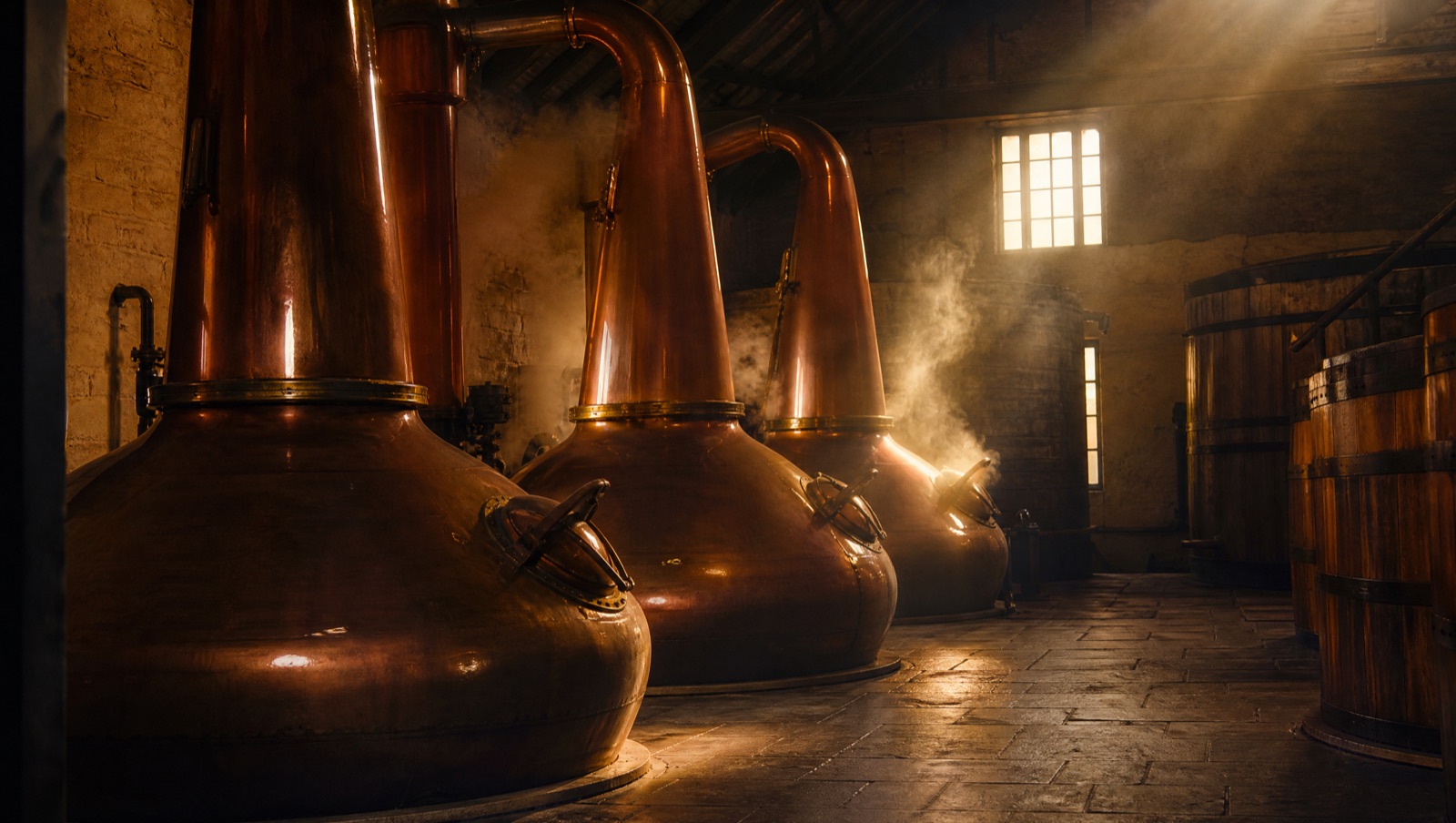

Filliers Distillery
Distilling jenever, gin and whisky since 1792

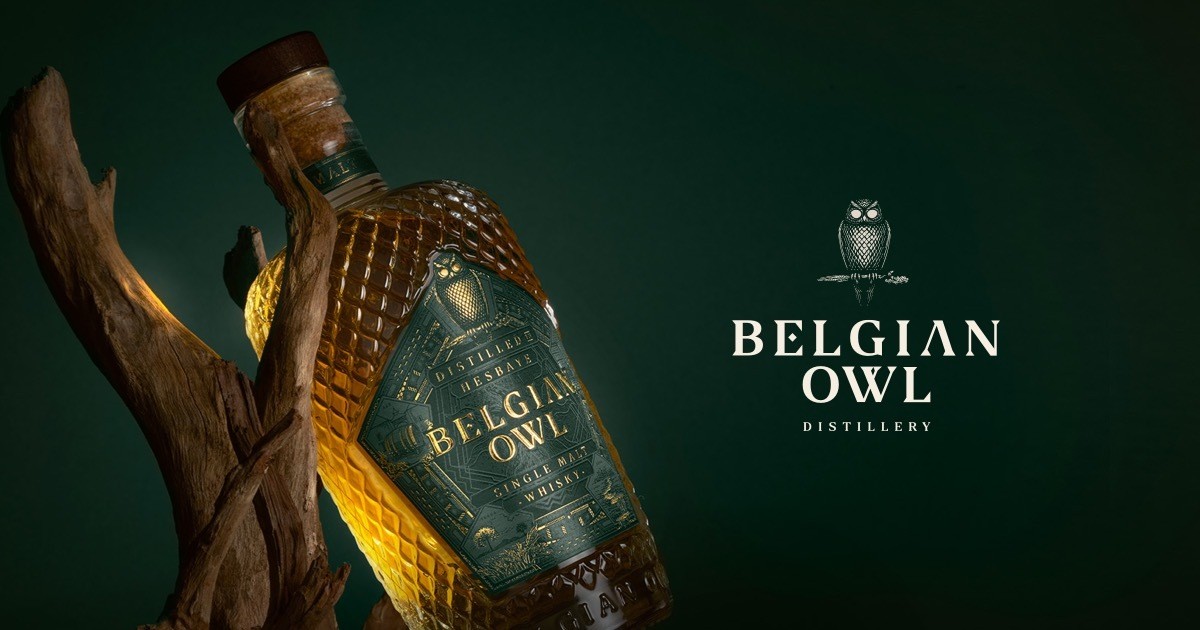
Belgian Owl Distillery
Belgium's pioneering single malt in the Hesbaye
About craft spirits distilleries in Belgium
Belgium's craft spirits scene is one of Europe's quiet pleasures, rooted in centuries of jenever distilling and reinvigorated by a generation of family producers willing to experiment. The result is unusually broad: single malt whisky, gin, genever, fruit eaux-de-vie, liqueurs, vodka and rum all share the same compact map. Filliers, licensed since 1880 and now in its fifth generation, is the largest handcraft distillery in the country and makes the lot, from gin and whisky to barrel-aged genever. Stokerij Radermacher, founded in 1836 near Raeren, is reckoned to be Belgium's oldest distillery and produces bio-certified brandies, fruit genevers and a wide spirits range under the German-speaking community's 'Made in Ostbelgien' label. Add Stokerij De Molenberg with its beer-to-whisky pedigree, Braeckman's traditional grain jenevers, Stokerij Wilderen's brewery-and-distillery hybrid, Brouwerij-Stokerij De Graal and the pioneering Belgian Owl, and you have a craft scene that rewards curiosity. These are largely family businesses, so visits feel personal, often a conversation with the maker rather than a scripted tour.
Craft spirits: styles & how it's made
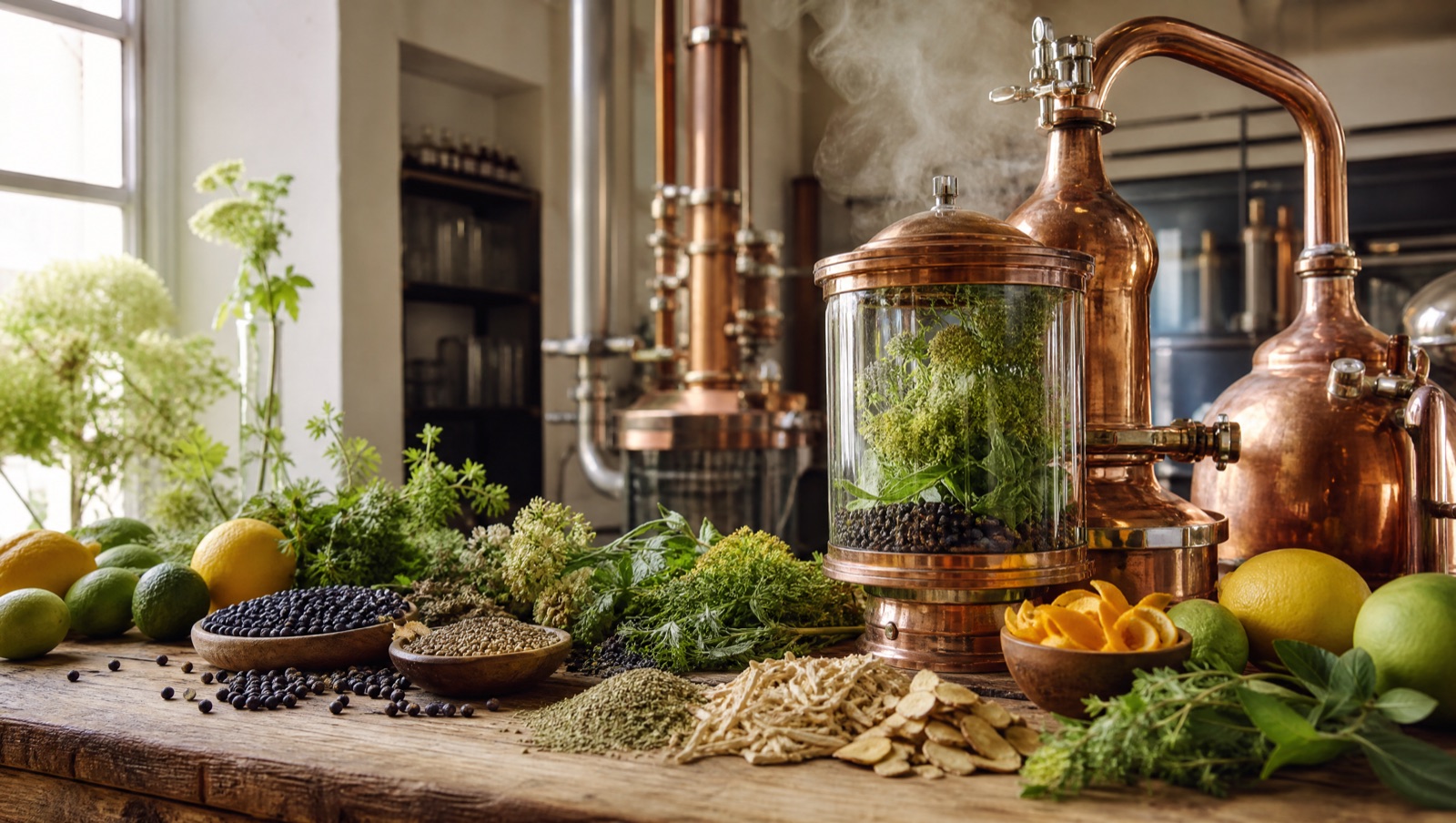
What unites Belgian craft spirits is heritage rather than a single style. The backbone is grain distilling, the tradition behind jenever, which gives producers the malty base spirit that flavours much of their work. From there the range fans out. Filliers makes gin, whisky, vodka, liqueurs and is noted for its barrel-aged genevers; Radermacher leans into bio-certified brandies and fruit genevers; Braeckman keeps the traditional grain-jenever flame alive in Oudenaarde while branching into flavoured styles. Several distilleries are also breweries, most visibly Stokerij Wilderen, which distils grain jenever, eau-de-bière and whisky from its own brewing operation. Methods stay deliberately traditional, with copper pot stills, slow fermentation and patient cask ageing common across the board. The through-line is craft in the literal sense: small batches, family recipes and a willingness to show visitors exactly how each spirit is made.
Where to taste craft spirits in Belgium
A craft-spirits tour can be built to taste. For breadth, Filliers in East Flanders is hard to beat, covering gin, whisky and genever in one visit. For history, Stokerij Radermacher near Raeren claims the title of Belgium's oldest distillery and offers an unusually wide range to sample. Stokerij De Molenberg at Blaasveld pairs whisky with a visitor centre and museum on a centuries-old site near Mechelen. Braeckman in Oudenaarde is the place for traditional grain jenever, while Stokerij Wilderen in Limburg rolls brewery, distillery and a tasting cafe into a single 18th-century barn complex. Brouwerij-Stokerij De Graal and Belgian Owl extend the trail with beer-led and whisky-focused stops respectively. Because these straddle Flanders and eastern Belgium, planning around a regional base, Ghent, Hasselt or Liège, keeps travel manageable.
Planning a trip
Belgium's small footprint makes a multi-distillery weekend easy, but the spread across language communities is worth noting: Flanders is Dutch-speaking, Wallonia French, and Radermacher's corner German, with English used on most tours. Trains link the cities efficiently, but rural distilleries such as Wilderen, Molenberg and Radermacher are far simpler to reach by car. As ever, decide on a designated driver before any tasting. Book in advance, since many of these are working family operations with limited visitor slots rather than large attractions. Pair distilleries with the towns around them, the historic centres of Ghent, Oudenaarde or Mechelen reward a wander, and finish at a tasting room where you can buy bottles, particularly fruit genevers and barrel-aged styles, that are hard to find outside Belgium.
Frequently asked
- What counts as craft spirits in Belgium?
- Broadly, small-batch spirits made by independent, usually family-run distilleries. In Belgium that spans single malt whisky, gin, jenever, fruit eaux-de-vie, liqueurs, vodka and rum, often all from the same producer, with grain distilling as the common heritage.
- Which Belgian distillery makes the widest range?
- Filliers is the largest handcraft distillery in Belgium and makes gin, whisky, vodka, liqueurs and genever. Stokerij Radermacher also offers an unusually broad range, including bio-certified brandies and fruit genevers.
- What is Belgium's oldest distillery?
- Distillerie Radermacher, founded in 1836 in Raeren in the German-speaking community, is generally regarded as Belgium's oldest distillery. It still produces a wide range of spirits today.
- Are these distilleries open to visitors?
- Many are, including Filliers, Stokerij De Molenberg, Stokerij Wilderen and Radermacher. Because most are family businesses, tours are personal but slots can be limited, so book ahead.
- What unusual spirits should I look out for?
- Barrel-aged genevers, fruit genevers and eau-de-bière are distinctive Belgian specialities. Filliers is noted for long-aged genever, Radermacher for fruit genevers, and Wilderen for eau-de-bière distilled from beer.
- How should I plan the route?
- Group distilleries by region around a city base such as Ghent, Hasselt or Liège. Trains connect the cities, but a car is best for rural sites, and a designated driver is essential if you plan to taste.