
Gin · Belgium
Gin Distilleries in Belgium
Tour 5 gin distilleries in Belgium. Each offers visits, tastings or experiences you can book directly — including Filliers Distillery, Stokerij Wilderen, The Bassets Craft Distillery.
5distilleries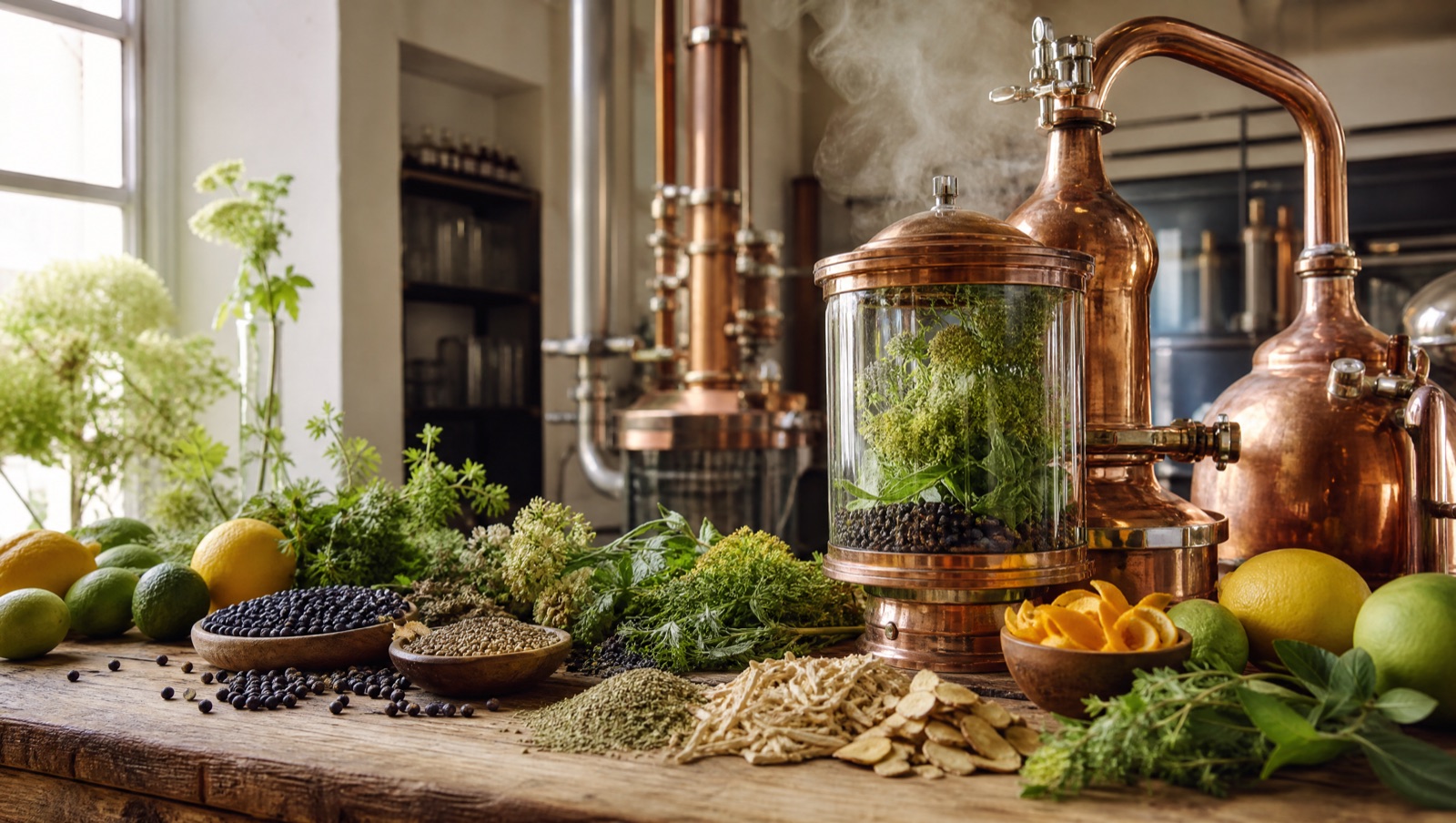
Filliers Distillery
Distilling jenever, gin and whisky since 1792


About gin distilleries in Belgium
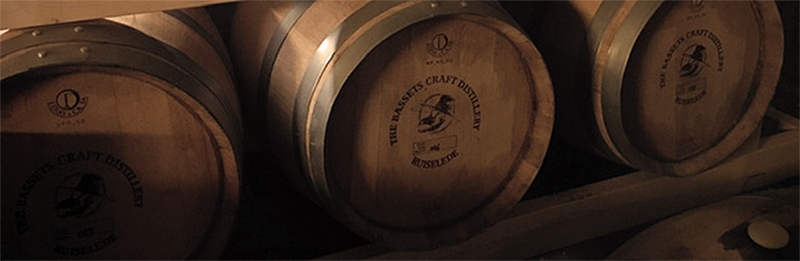
Gin in Belgium can't be told without its older cousin, jenever. The juniper spirit known as jenever or genever is the historic liquor of the Low Countries, and its name shares a root with the English word gin, both tracing back to juniper. Belgium's distillers have made juniper-led spirits for centuries, so the modern gin boom landed on unusually fertile ground here. The country's flagship producer, Filliers, has been licensed since 1880 and is now run by the fifth generation; its small-batch Dry Gin 28, first created by Firmin Filliers in 1928 using 28 botanicals, remains in production today. Around it sits a varied cast: Braeckman in Oudenaarde, a family grain distillery since 1918 that exports widely, especially to the UK; Stokerij Wilderen in Limburg, whose Double You gin layers more than twenty botanicals; The Bassets Craft Distillery; and Stokerij Radermacher in the German-speaking east, whose range spans gins, liqueurs and fruit genevers. Tasting Belgian gin means tasting a country that helped invent the genre rediscovering it on its own terms.
Gin: styles & how it's made
Belgian gin sits at a crossroads between the international London Dry tradition and the country's own jenever heritage. The defining botanical is, of course, juniper, and many Belgian distillers prize berries from Tuscany for their aromatics. Beyond that, recipes range from the classic and citrus-forward to richly herbal. Filliers Dry Gin 28 is the touchstone, built on 28 botanicals around a closely guarded family formula, while Stokerij Wilderen's Double You uses more than twenty herbs and spices. Grain houses such as Braeckman and Filliers have the advantage of distilling their own base spirit, giving them control from grain to glass. Methods vary from straightforward maceration and pot distillation to vapour infusion, and several distillers blur the line between gin and jenever, the latter retaining more of the malty grain character. That overlap is part of what makes a Belgian gin flight so distinctive.
Where to taste gin in Belgium
The gin trail runs across the country's distilling regions. Filliers, the largest distillery in Belgium, anchors East Flanders and is the natural starting point for understanding both gin and genever under one roof. Nearby in Oudenaarde, Braeckman pairs traditional and flavoured styles in a long-established family setting. East in Limburg, Stokerij Wilderen combines its distillery with a microbrewery and a tasting cafe set in an 18th-century barn, making it an easy half-day. The Bassets Craft Distillery offers a smaller-batch perspective, while Stokerij Radermacher, founded in 1836 and the country's oldest distillery, sits in the German-speaking community near Raeren and produces gin alongside an unusually wide spirits range. Because these are spread across Flanders and eastern Belgium, it's worth grouping visits by region rather than trying to cover everything in one trip.
Planning a trip
Belgian gin tasting is best approached city by city. Filliers and Braeckman are within reach of Ghent, Wilderen is close to Sint-Truiden and Hasselt in Limburg, and Radermacher lies out near the eastern border, an easy add-on if you're exploring the Ardennes or crossing from Germany. Book tours ahead, as many sites are working family distilleries rather than high-volume tourist venues. A car gives the most flexibility for the rural locations, so settle on a designated driver before the tasting begins. If you only have a weekend, choosing a single region and pairing two distilleries with a city base, Ghent for the west or Hasselt for Limburg, gives a relaxed, satisfying itinerary. Many tasting rooms also sell bottles you won't easily find abroad.
Frequently asked
- What is the difference between Belgian gin and jenever?
- Both are juniper spirits and share a common ancestry, but jenever retains more malty grain character from its base, while gin is typically lighter and more botanical-led. Many Belgian distillers, including Filliers, make both, so a side-by-side tasting is a great way to learn the difference.
- Which is the most famous Belgian gin?
- Filliers Dry Gin 28 is the best-known, built on 28 botanicals from a recipe created by Firmin Filliers in 1928 and still used today. Filliers is also the largest distillery in Belgium.
- Can I visit Belgian gin distilleries?
- Yes. Filliers, Stokerij Wilderen and Stokerij Radermacher among others welcome visitors, often with tasting rooms or cafes attached. Wilderen even has its own microbrewery and a tasting cafe in a converted 18th-century barn. Book ahead, as slots can be limited.
- What botanicals are typical in Belgian gin?
- Juniper leads, with many distillers favouring aromatic berries from Tuscany. Beyond that, recipes range widely, from citrus and classic London Dry profiles to richly herbal blends using twenty or more botanicals.
- How do I get around the Belgian gin trail?
- Group visits by region. Filliers and Braeckman are near Ghent, Wilderen is in Limburg near Hasselt, and Radermacher is out east near the German border. A car is most practical for the rural sites; arrange a designated driver if you intend to taste.
- Is Belgium really part of gin's history?
- Very much so. The Low Countries, including Belgium, are the home of jenever, the juniper spirit whose name shares a root with the word gin. Belgian distillers have made juniper-led spirits for centuries, which gives the modern gin scene unusually deep foundations.