
Distillery tours
Distillery Tours in Belgium
Plan a distillery tour in Belgium: 8 distilleries to visit, with tastings and experiences you can book directly. Expect Single Malt, Craft Spirits, Gin and more. Highlights include Brouwerij-Stokerij De Graal, Filliers Distillery, Stokerij Wilderen.
8distilleries
Filliers Distillery
Distilling jenever, gin and whisky since 1792

Belgian Owl Distillery
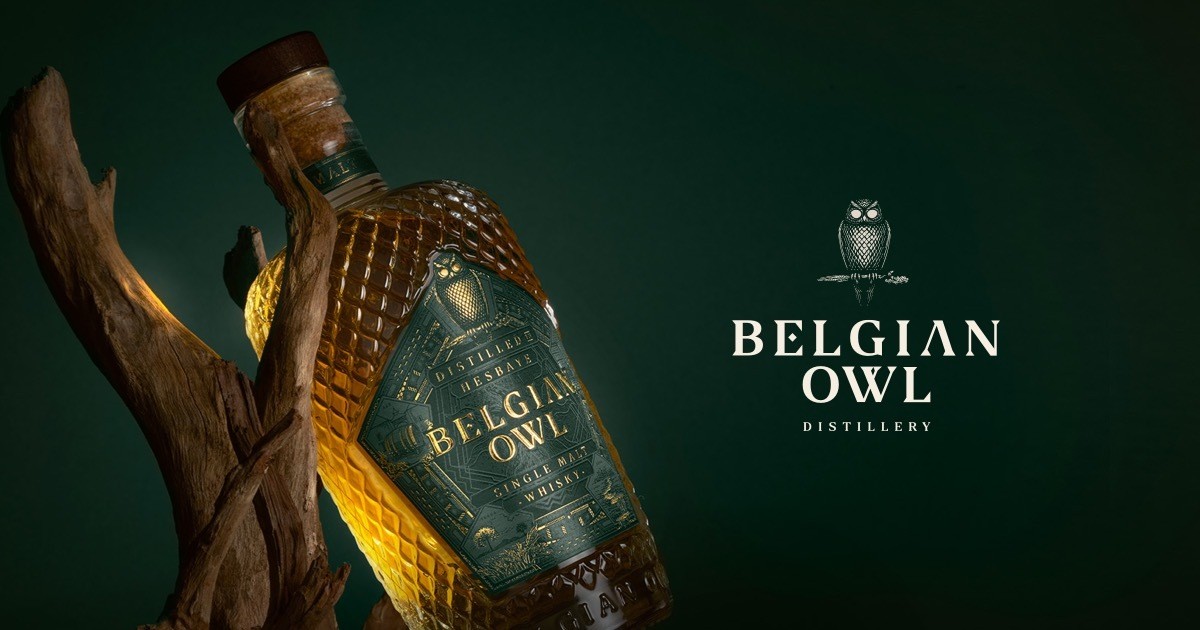
Belgium's pioneering single malt in the Hesbaye

About distillery tours in Belgium
Belgium's distilling story begins with jenever, the juniper-led grain spirit that is the ancestor of gin and the beating heart of the country's drinking culture. Centuries ago Belgium counted thousands of distilleries, and cities such as Hasselt, Aalst and Liège earned their reputation as jenever towns, their warehouses fragrant with malt wine and botanicals. Though wars and changing tastes thinned those ranks dramatically, a proud core of producers carried the tradition forward, and today Belgium offers one of Europe's most rewarding and underrated spirits scenes. The Filliers family, distilling since the late eighteenth century in Deinze, embodies that continuity, while Stokerij Wilderen and Stokerij De Molenberg occupy beautifully preserved historic sites that double as living museums of the craft. Alongside the jenever heritage, a confident craft movement has taken root: producers such as Braeckman, Stokerij Radermacher, The Bassets Craft Distillery and Brouwerij-Stokerij De Graal blur the line between brewing and distilling, while Belgian Owl has made a genuine name for single malt whisky. The result is a compact country where you can travel from a 17th-century farmhouse still to a cutting-edge whisky operation in a single, easy day, with excellent beer and food never far away.
Top regions to explore
Flanders is the spiritual home of Belgian jenever, and East Flanders in particular rewards exploration. Deinze is synonymous with Filliers, whose family has distilled there for generations, while nearby producers such as Braeckman and Brouwerij-Stokerij De Graal showcase the close kinship between Belgian brewing and distilling. Limburg, to the east, is anchored by Hasselt, long styled as the country's jenever capital and home to a dedicated jenever museum; the region also hosts Stokerij Wilderen, set in one of Western Europe's most intact pre-war distilleries. Antwerp province offers Stokerij De Molenberg at Blaasveld, one of the oldest distilling sites in the country. Cross into Wallonia and the character shifts: Stokerij Radermacher in the east near the German border and the pioneering Belgian Owl whisky distillery demonstrate the French-speaking south's distinct contribution. With distances short across Belgium, it is realistic to sample several of these regions over a long weekend.
Planning a distillery trip
Belgium's great advantage is compactness: nowhere is far, and you can combine historic jenever houses with modern craft distilleries in a tightly woven itinerary. Several of the larger producers, including Filliers and Wilderen, offer regular visitor experiences with tours, tastings and on-site bars or restaurants, making them reliable anchors for a day out. Smaller operations such as Braeckman, The Bassets Craft Distillery and Stokerij Radermacher are best approached by checking opening times and booking ahead. Because jenever ranges from clean young styles to richly aged oude jenever, and because Belgian Owl and others produce serious whisky, it is worth pacing your tastings and planning around lunch. Belgium's renowned beer culture pairs naturally with a distilling tour, and many towns make excellent overnight bases with strong food scenes.
Getting around
Belgium has one of the densest rail networks in Europe, and cities such as Hasselt, Ghent and Liège are easily reached by train, making car-free trips feasible for distilleries close to urban centres. That said, several producers sit in rural countryside, including Wilderen in Limburg and The Bassets on the edge of the Vorte Bossen in West Flanders, where a car offers far more flexibility. Distances between distilleries are modest, so a hire car lets you link three or four sites comfortably in a day. If you plan to taste extensively, arrange a designated driver or rely on trains and local transport to and from a regional base. Cycling is also a pleasant option in flatter Flemish areas for travellers wanting to slow the pace.
Frequently asked
- What spirit is Belgium most famous for?
- Jenever, the juniper-flavoured grain spirit and forerunner of modern gin. Belgium and the Netherlands share this heritage, and Belgian towns such as Hasselt, Aalst and Liège were historic centres of jenever production. Today the country also makes excellent gin and single malt whisky.
- Can I visit Belgian distilleries without a car?
- Often, yes. Belgium's excellent rail network connects cities like Hasselt, Ghent and Liège, so distilleries near urban centres are reachable by train. Rural producers such as Wilderen or The Bassets, however, are much easier to reach by car.
- Are Belgian distillery tours suitable for a single day?
- Very much so. Belgium is compact, with short distances between producers, so you can comfortably combine several distilleries, from historic jenever houses to modern craft operations, in a single well-planned day.
- Is Belgian whisky any good?
- Yes. Belgian Owl in particular has earned a strong reputation for its single malt, and multi-spirit producers such as Wilderen and Stokerij De Molenberg also bottle whisky, reflecting a confident and growing craft category.
- What is the difference between young and old jenever?
- Jonge (young) jenever is lighter and more neutral, while oude (old) jenever contains more malt wine, giving it a richer, maltier, sometimes barrel-aged character. The terms refer to style rather than literal age.
- Should I book tours in advance?
- For larger producers with regular visitor programmes, walk-ins may be possible, but booking is always safer. Smaller distilleries frequently operate by appointment, so checking opening times and reserving ahead is recommended.