
Gin · Finland
Gin Distilleries in Finland
Tour 4 gin distilleries in Finland. Each offers visits, tastings or experiences you can book directly — including Kyrö Distillery, The Helsinki Distilling Company, Teerenpeli Distillery.
4distilleries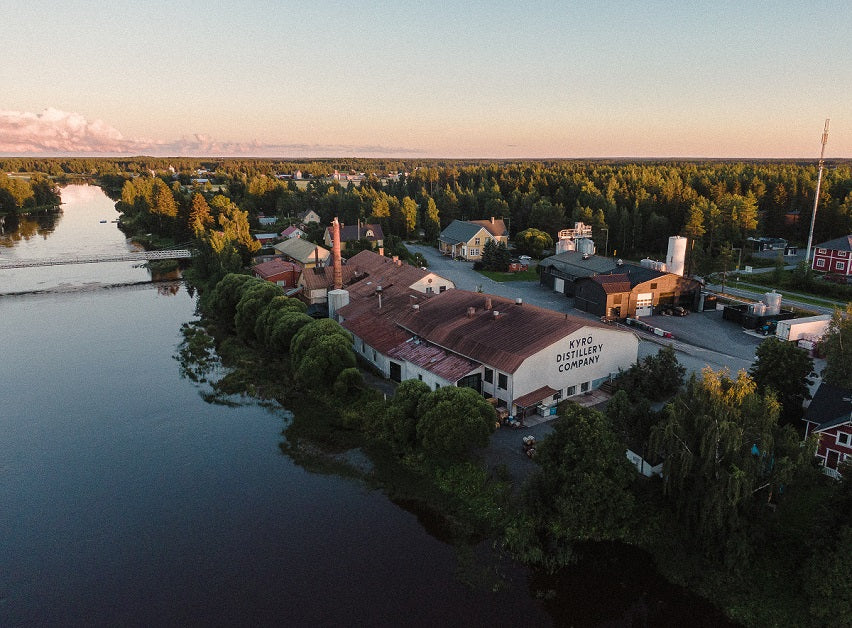


About gin distilleries in Finland
Finnish gin punches well above the country's size, driven by a small but ambitious group of distilleries that lean hard into local ingredients and the dramatic Nordic landscape. The defining moment came when Kyrö Distillery's rye-based gin was named the world's best gin for gin and tonic by the IWSC in 2015, putting Finland firmly on the spirits map. What unites Finnish gin is a strong sense of place: rye as a base grain, water from clean Nordic sources, and foraged botanicals such as birch leaves, meadowsweet, lingonberries and sea buckthorn that capture the brief, intense Finnish summer. The distilleries here each interpret that idea differently. Kyrö in Isokyrö built its reputation on 100% Finnish whole-grain rye; The Helsinki Distilling Company, the capital's first distillery in over a century, makes a dry gin with local botanicals; Teerenpeli in Lahti distils gin alongside its well-known whisky; and Nagu, in the Turku archipelago, draws on its coastal island setting. Together they offer a compact, characterful gin trail.
Finnish gin: styles and how it's made
Two ideas shape Finnish gin: a distinctive grain base and aggressively local botanicals. Kyrö Distillery is the clearest example, distilling its gin from 100% Finnish whole-grain rye, a crop cultivated in Finland for thousands of years and central to the national diet. That rye lends a soft, peppery, full-bodied texture beneath the juniper. Across the scene, distillers reach for ingredients that grow in or near their own surroundings, from birch leaves and meadowsweet to lingonberries and sea buckthorn, with some, like Kyrö, distilling individual botanical concentrates so they can work year-round despite the short foraging season. The Helsinki Distilling Company builds its dry gin around local botanicals, while archipelago producer Nagu draws on its island environment. The common thread is restraint and clarity rather than novelty for its own sake, with juniper kept central.
Where to taste Finnish gin
Finland's gin distilleries cluster around a few accessible areas, making a short tour realistic even on a city break. The Helsinki Distilling Company sits in Teurastamo, a former abattoir turned food and drink district in the capital, and is the easiest to reach for most visitors. From Helsinki, Teerenpeli's brewery and distillery in Lahti is a straightforward trip north and combines gin with its whisky story. For the rye-driven flagship of the scene, Kyrö Distillery lies in Isokyrö in Ostrobothnia, further from the capital but central to Finland's gin identity. Nagu, in the Turku archipelago, rewards travellers heading to the south-western islands. Because Finnish spirits are sold through the state retailer Alko, distillery visits and on-site tastings are a particularly good way to engage directly with the makers.
What to expect on a tour
A Finnish gin tour tends to emphasise ingredients and landscape. Expect the distillers to talk through their base spirit, whether rye-led as at Kyrö or grain-neutral, and to explain how foraged botanicals are gathered and processed during the narrow Nordic season. Tastings often pair the flagship dry gin with other expressions, such as barrel-aged or fruit-forward versions, and frequently include a properly built gin and tonic, a serve Finnish gin has become especially celebrated for. Visitor centres at the larger sites, such as Teerenpeli and The Helsinki Distilling Company, may combine the tour with a bar or restaurant, while smaller producers offer a more personal, founder-led experience. Sauna culture and Finnish hospitality often colour the welcome.
Frequently asked
- What makes Finnish gin distinctive?
- Finnish gin is defined by local ingredients and a strong sense of place: rye as a base grain at producers like Kyrö, clean Nordic water, and foraged botanicals such as birch leaves, meadowsweet, lingonberries and sea buckthorn that reflect the short, intense Finnish summer.
- Why is Kyrö gin so well known?
- Kyrö Distillery's rye gin was named the world's best gin for gin and tonic by the IWSC in 2015, which brought it international fame. It is distilled from 100% Finnish whole-grain rye, giving it a soft, peppery character.
- Which Finnish gin distilleries can I visit?
- Listed distilleries include Kyrö Distillery in Isokyrö, The Helsinki Distilling Company in Helsinki, Teerenpeli Distillery in Lahti, and Nagu Distillery in the Turku archipelago. Helsinki and Lahti are the easiest to reach for most visitors.
- Is Finnish gin made from rye?
- Some of it is. Kyrö is the standout, distilling its gin from 100% Finnish rye. Other producers use different base spirits, but rye is one of the signature features that sets parts of the Finnish gin scene apart.
- Can I buy Finnish gin to take home after a tour?
- Distilleries typically have shops where you can buy bottles directly. Note that everyday retail of spirits in Finland goes through the state retailer Alko, so a distillery visit is a good way to buy direct and discover limited releases.
- Is a Finnish gin tour suitable on a short trip?
- Yes. The Helsinki Distilling Company is in the capital itself, and Teerenpeli in Lahti is an easy onward trip, so you can experience Finnish gin without travelling far, though reaching Kyrö or Nagu requires more planning.