
Craft Spirits · Italy
Craft Spirits Distilleries in Italy
Tour 11 craft spirits distilleries in Italy. Each offers visits, tastings or experiences you can book directly — including Distilleria Marolo, Distillerie Berta, Distillery Bordiga.
11distilleries
About craft spirits distilleries in Italy
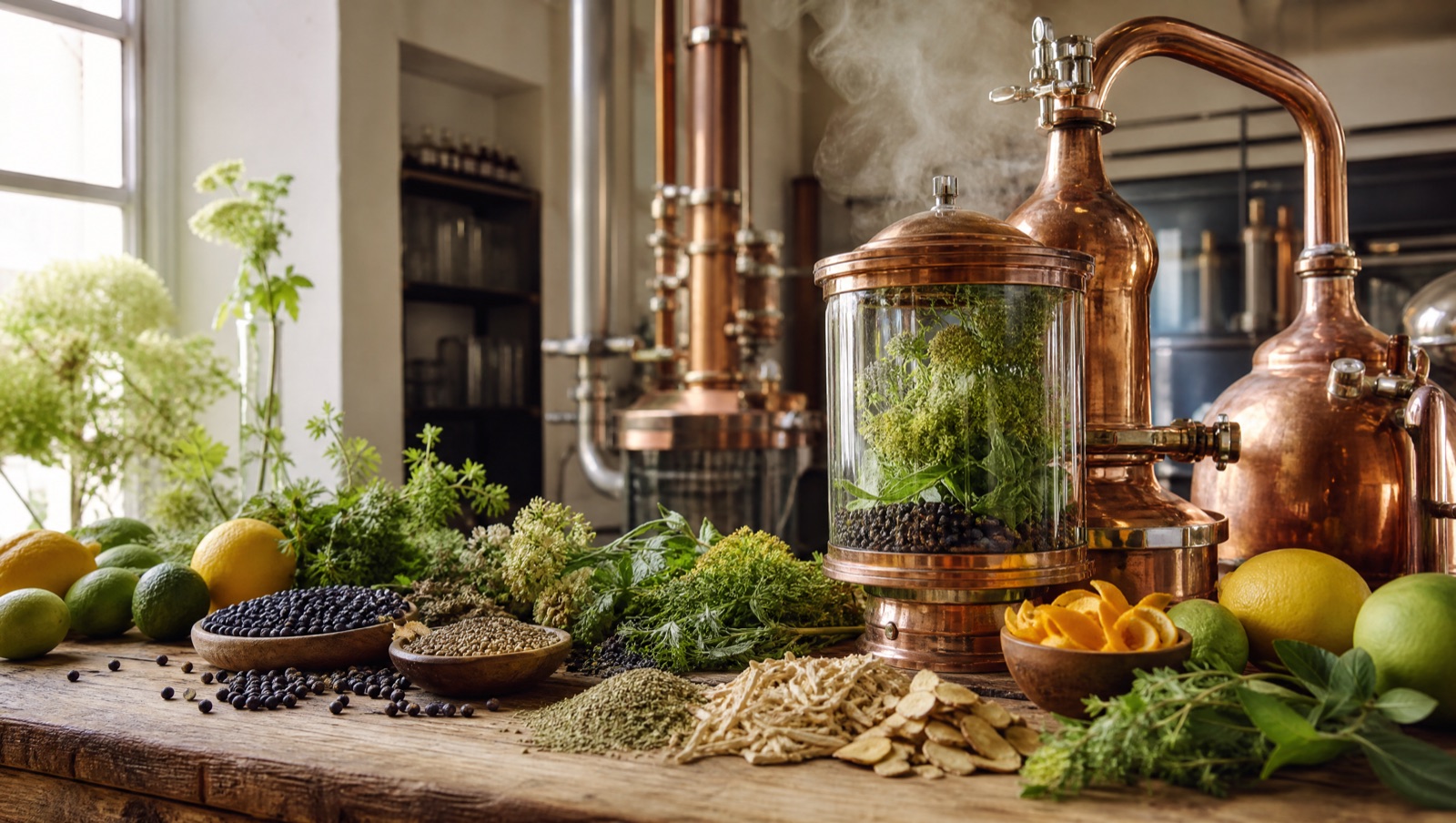
Italy's craft-spirits story is, above all, the story of grappa: the fiery, fragrant distillate pressed from grape pomace, the skins and stalks left behind after winemaking. It is a spirit of the alpine north, and its heartland runs from Friuli and the Veneto across Trentino-Alto Adige into Piedmont, with outliers such as Sardinia adding their own character. The town of Bassano del Grappa lends the drink its name and remains a place of pilgrimage, but the craft is alive in farmhouse stills and gleaming modern distilleries alike.
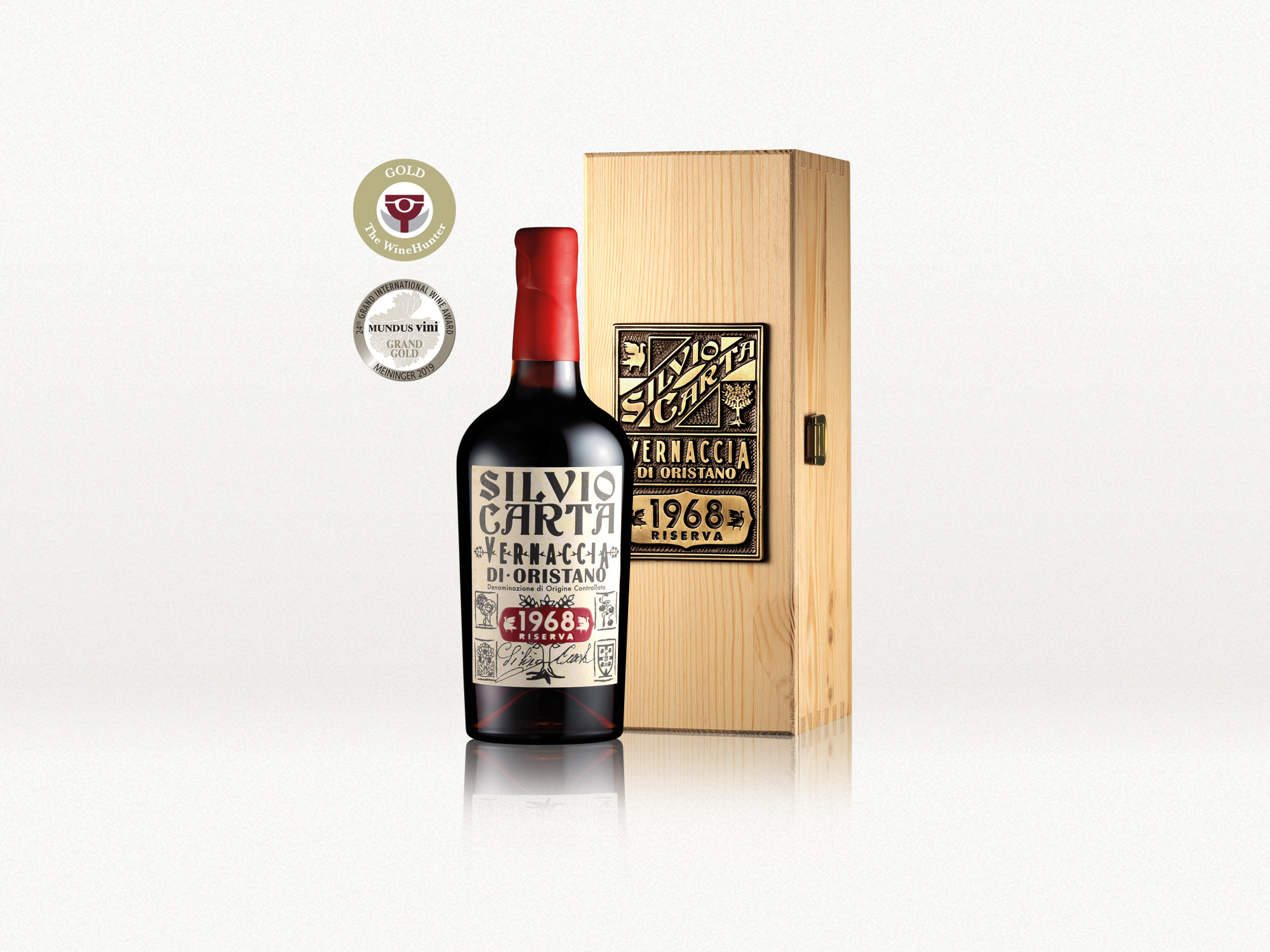
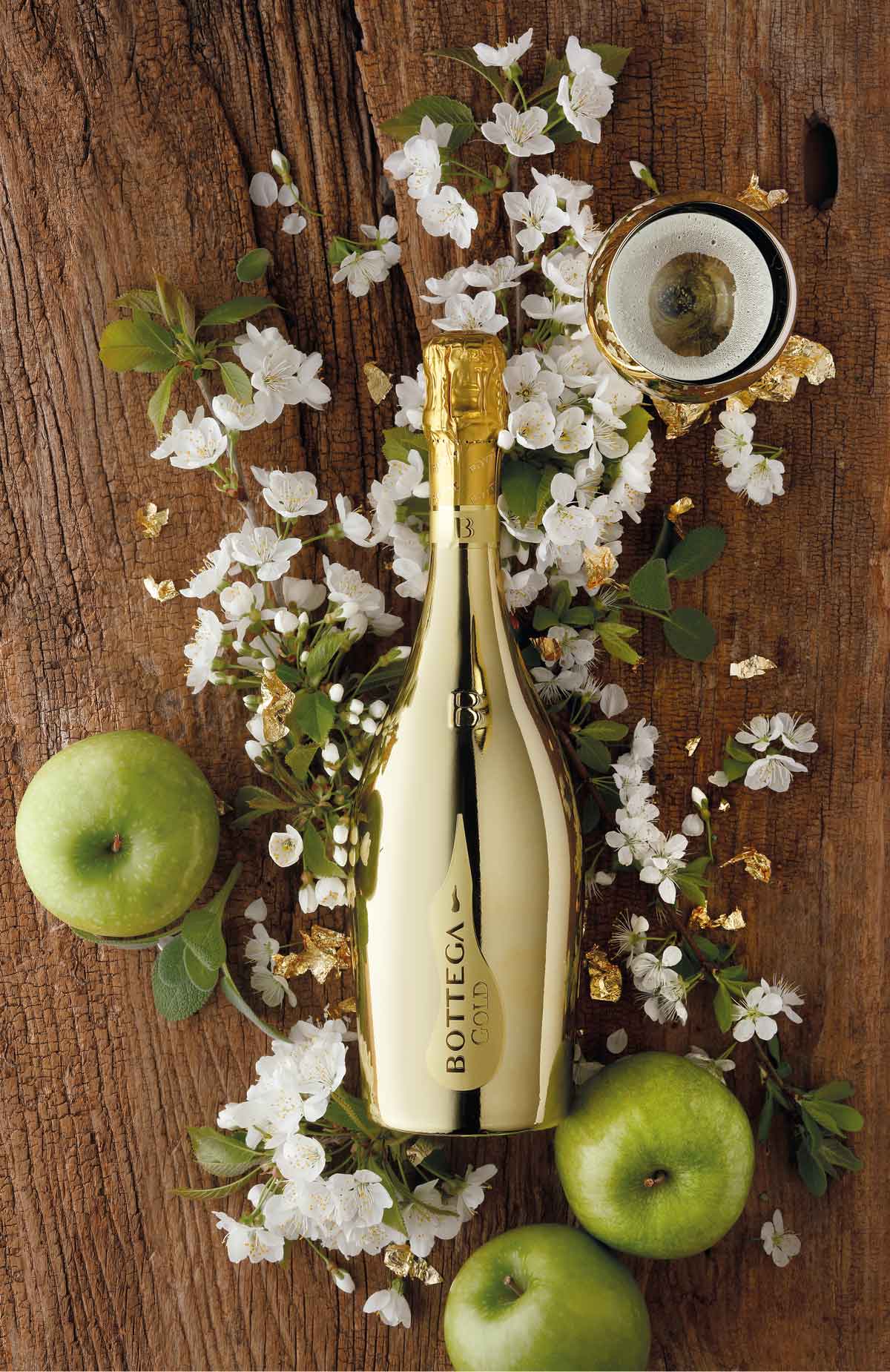
The eleven producers gathered here span that whole landscape. In Friuli, Nonino Distillatori (at Borgo Nonino) is credited with reinventing grappa as a refined, single-variety spirit. Across the Veneto sit two of the oldest names in Italian distilling, Distilleria Nardini in Bassano and Poli Distillerie at Schiavon, alongside Bottega and Bonaventura Maschio. The mountain distilleries of Trentino and South Tyrol, Distilleria Marzadro and Roner, prize clean, aromatic spirit, while Piedmont's Distillerie Berta, Distilleria Marolo and Bordiga lean into structured grappas and classic vermouths. Sardinia's Silvio Carta brings myrtle liqueur and gin into the mix.
Visits range from quick cellar walk-throughs to two-hour journeys through pomace, copper alembic and ageing barrel, almost always ending in a guided tasting.
What to expect on a tour
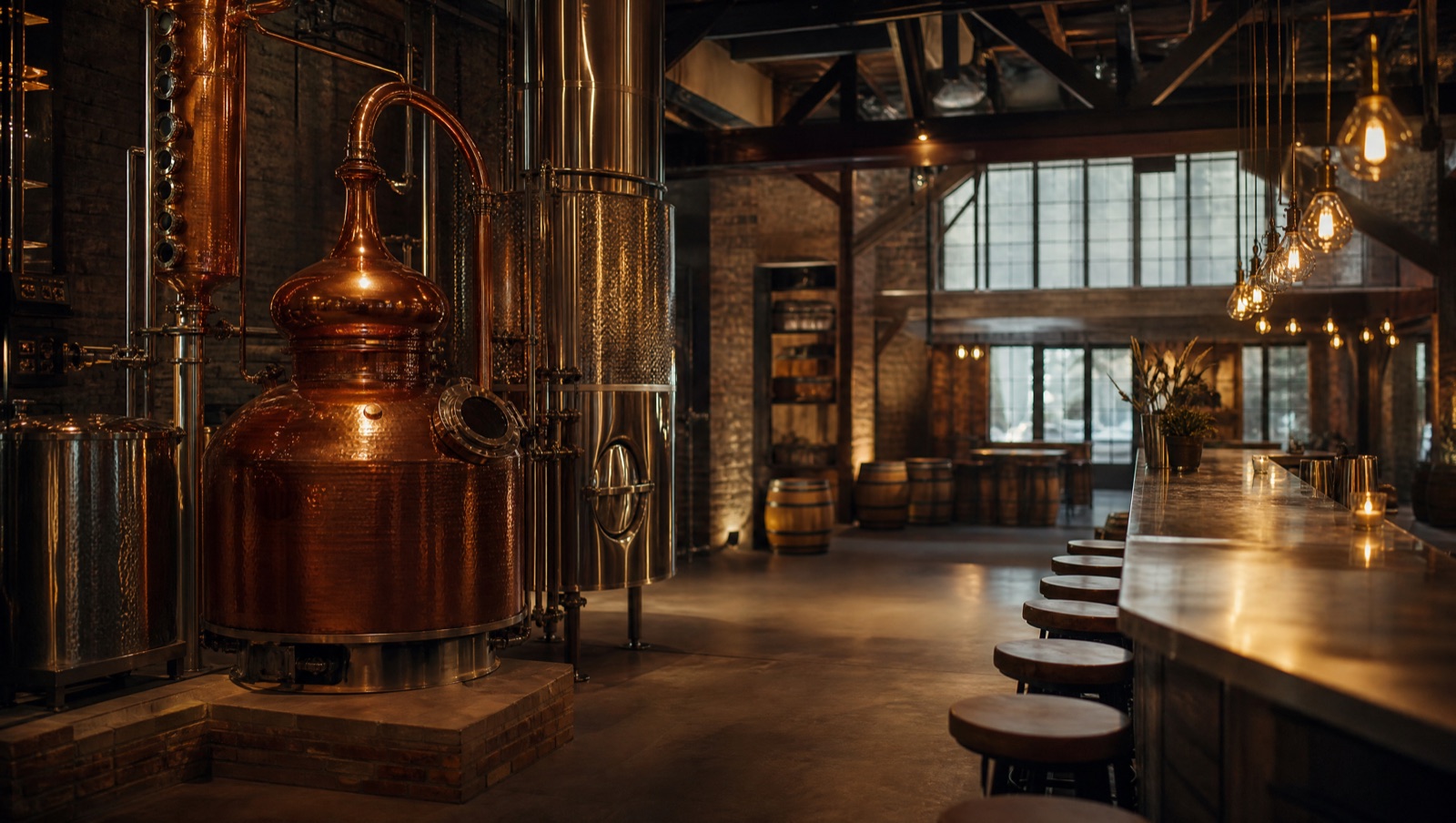
Most Italian distillery visits follow the spirit from raw material to glass. You will usually begin with the vinaccia, the fresh grape pomace that arrives during and after the autumn harvest, before moving through the still room. This is where the differences between producers become vivid: some, such as Nonino, work with batteries of small artisanal batch stills, while others combine copper alembics with continuous columns, and the family at Marzadro famously arranges its copper stills in a circle beneath a domed skylight. Guides explain the distinction between single-variety grappas, aged 'riserva' or 'barrique' expressions rested in wood, and infused liqueurs.
A tasting almost always rounds things off. Expect to sample a young, clear grappa alongside a longer-aged or wood-finished one, and often a flavoured liqueur, a vermouth from the Piedmontese houses, or a herbal amaro. Several producers, including Poli and Nardini in Bassano, also run historic grapperie or bars and small museums, so a 'visit' can mean anything from a self-guided museum stop to a full sit-down hosted tasting.
Getting there & around
The grappa heartland is well connected by Italy's northern rail and motorway network. Bassano del Grappa, home to Nardini and close to Poli at Schiavon, sits in the province of Vicenza and is reachable by train from Venice, Padua or Vicenza, all of which have good onward connections. Nonino lies near Udine in Friuli, easiest with a car or a regional train plus a short taxi. The Trentino and Alto Adige distilleries, Marzadro near Rovereto and Lake Garda, and Roner in South Tyrol, sit along the Brenner corridor between Verona and Bolzano.
Piedmont's producers, Berta, Marolo and Bordiga, are spread across the wine country around Asti, Alba and Cuneo, where a car is genuinely useful for combining a distillery with a vineyard or two. Silvio Carta is on Sardinia and best reached by flying into Cagliari or Olbia and driving. Because tastings are central to the experience, plan a designated driver, a hired driver, or rail-based days if you intend to sample fully.
Frequently asked
- Do I need to book a distillery tour in advance?
- For the larger and more historic producers it is wise to book ahead, as many run guided visits only at set times and on certain days, often Tuesday to Saturday with morning and afternoon slots. Some, such as the museums and grapperie in Bassano, allow walk-ins or self-guided visits, but reserving by email or through the distillery's website guarantees a place and an English-speaking guide where available.
- How much does a distillery visit cost?
- Costs vary widely. Some cellar visits or museum stops are free or only a few euros, while a longer hosted tour with a structured tasting is typically a modest set fee per person, often in the region of twenty to thirty-something euros. Always check the producer's current pricing when booking, as rates change and premium tastings of aged reserves cost more.
- How many distilleries can I realistically visit in a day?
- Because tours run an hour or two and include tastings, two visits in a day is a comfortable, enjoyable pace; three is possible only if they are close together, such as Nardini and Poli around Bassano. In spread-out areas like Piedmont or Friuli, plan one distillery per half-day and build in time for lunch and travel.
- Can I drive between distilleries if there are tastings?
- Italy enforces drink-driving limits strictly, and grappa is a high-strength spirit, so do not drive if you intend to taste properly. Either nominate a non-drinking driver, hire a driver or taxi, use regional trains where possible, or simply taste in small measures and spit. Many tasting hosts are happy to let you sample lightly rather than finish each pour.
- Are distillery visits suitable for children and families?
- Families are generally welcome at the production and museum parts of a visit, and children can often join the tour itself, though tastings are reserved for adults. Soft drinks or non-alcoholic samples are sometimes offered. If you are travelling with children, mention it when booking so the distillery can advise on what is appropriate.
- When is the best time to visit?
- Late spring through early autumn is the most comfortable for travel in the alpine north, and the harvest season, roughly September into October, is the most atmospheric time as fresh pomace arrives and distilling is in full swing. Summer can be busy and warm in the lowlands; winter visits are quieter but check reduced opening days in advance.
- Are the distilleries accessible for visitors with limited mobility?
- Modern facilities such as Marzadro and Poli's production site tend to be more accessible, while historic premises and old cellars may involve stairs or uneven floors. Accessibility varies considerably between producers, so contact the distillery directly before visiting to confirm step-free access, parking and seated tasting arrangements.