
Gin · Italy
Gin Distilleries in Italy
Tour 6 gin distilleries in Italy. Each offers visits, tastings or experiences you can book directly — including Distillery Bordiga, Silvio Carta, Roner Distillerie.
6distilleries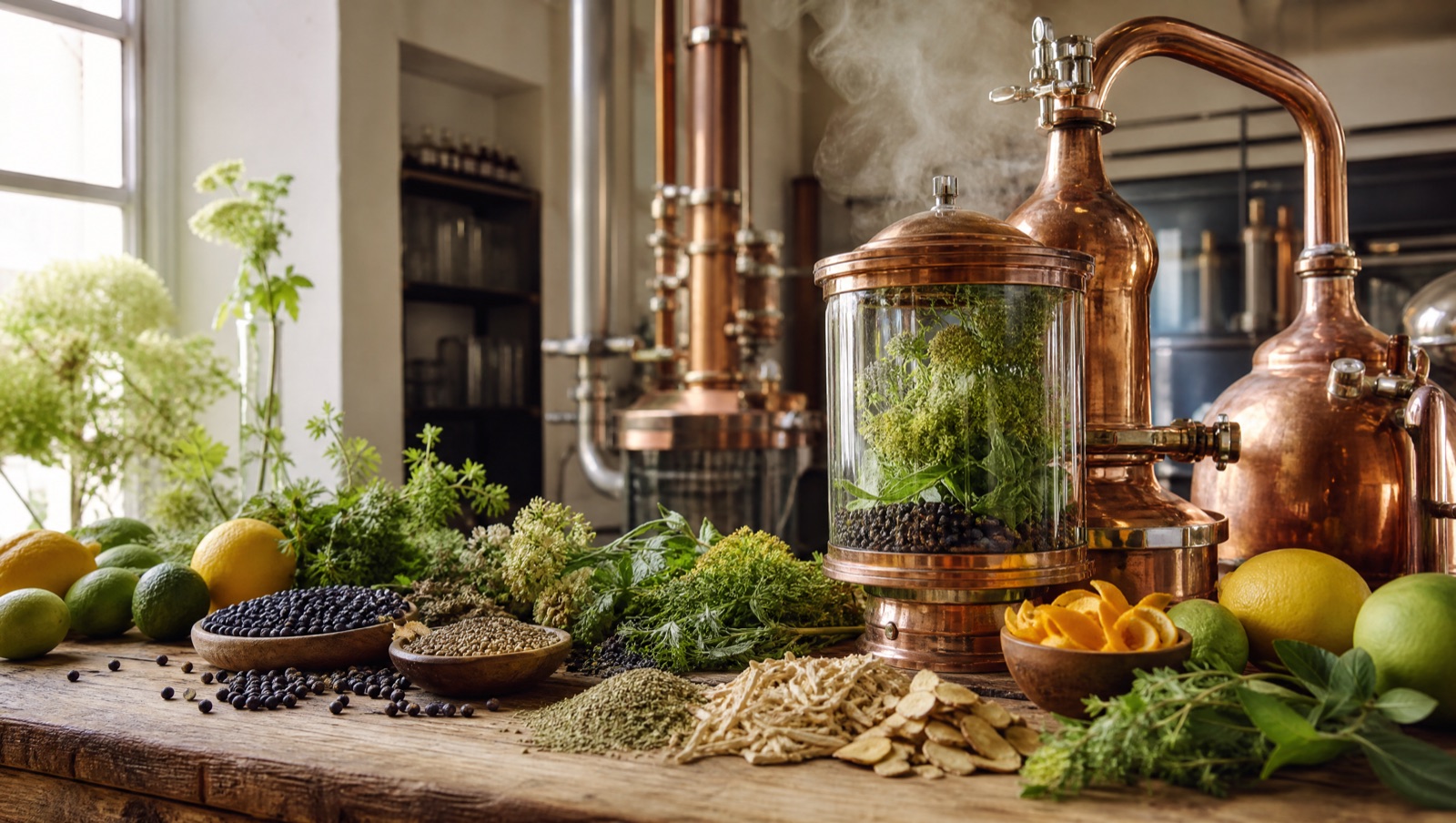

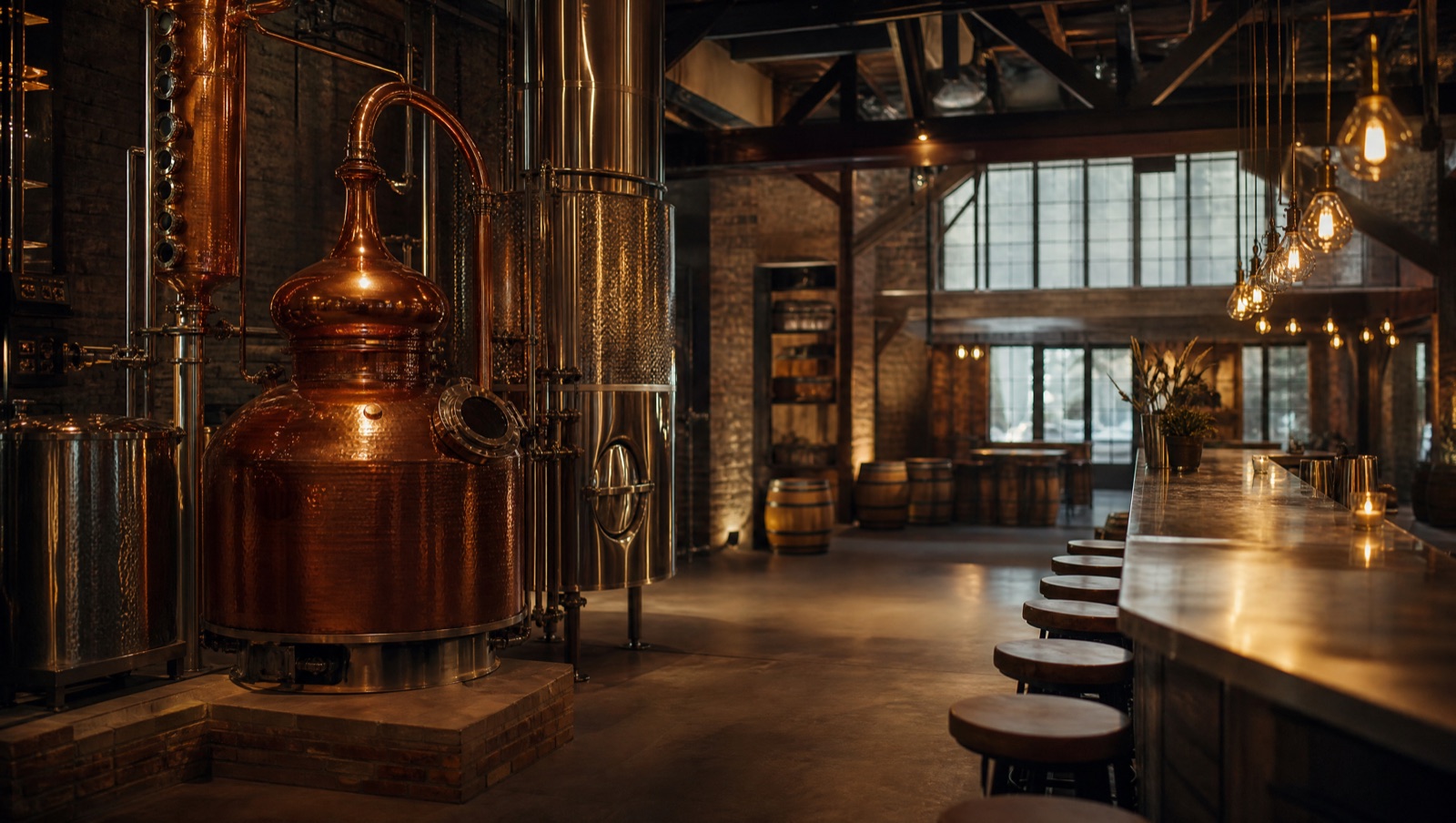
About gin distilleries in Italy
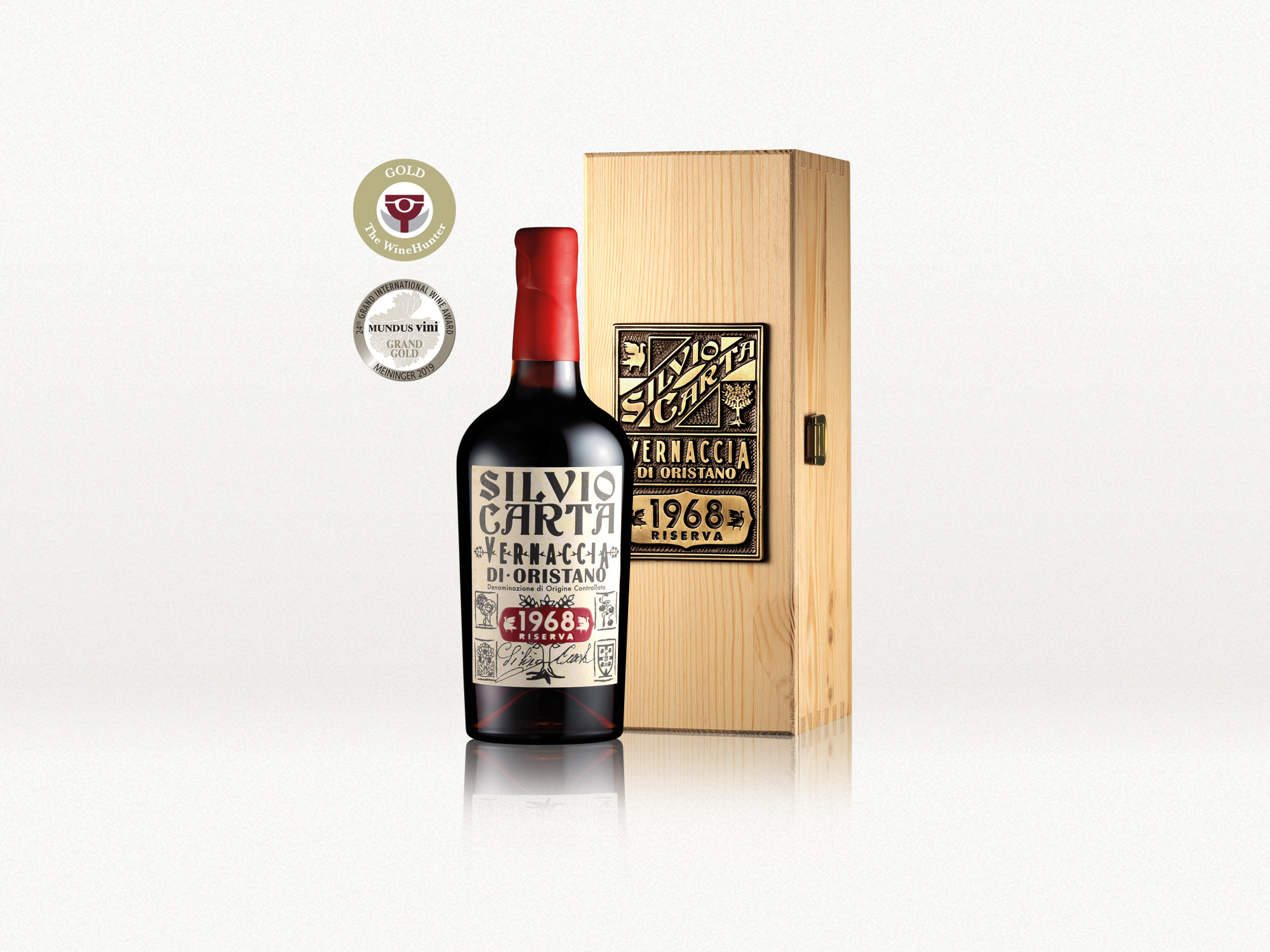
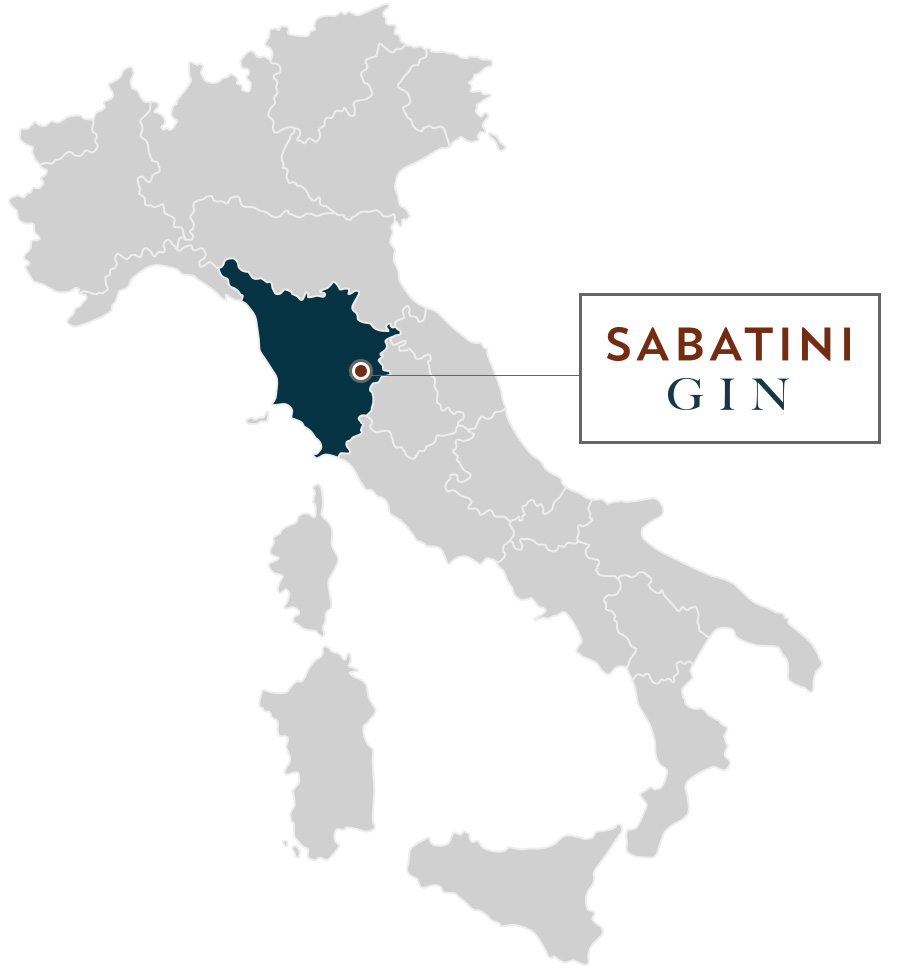
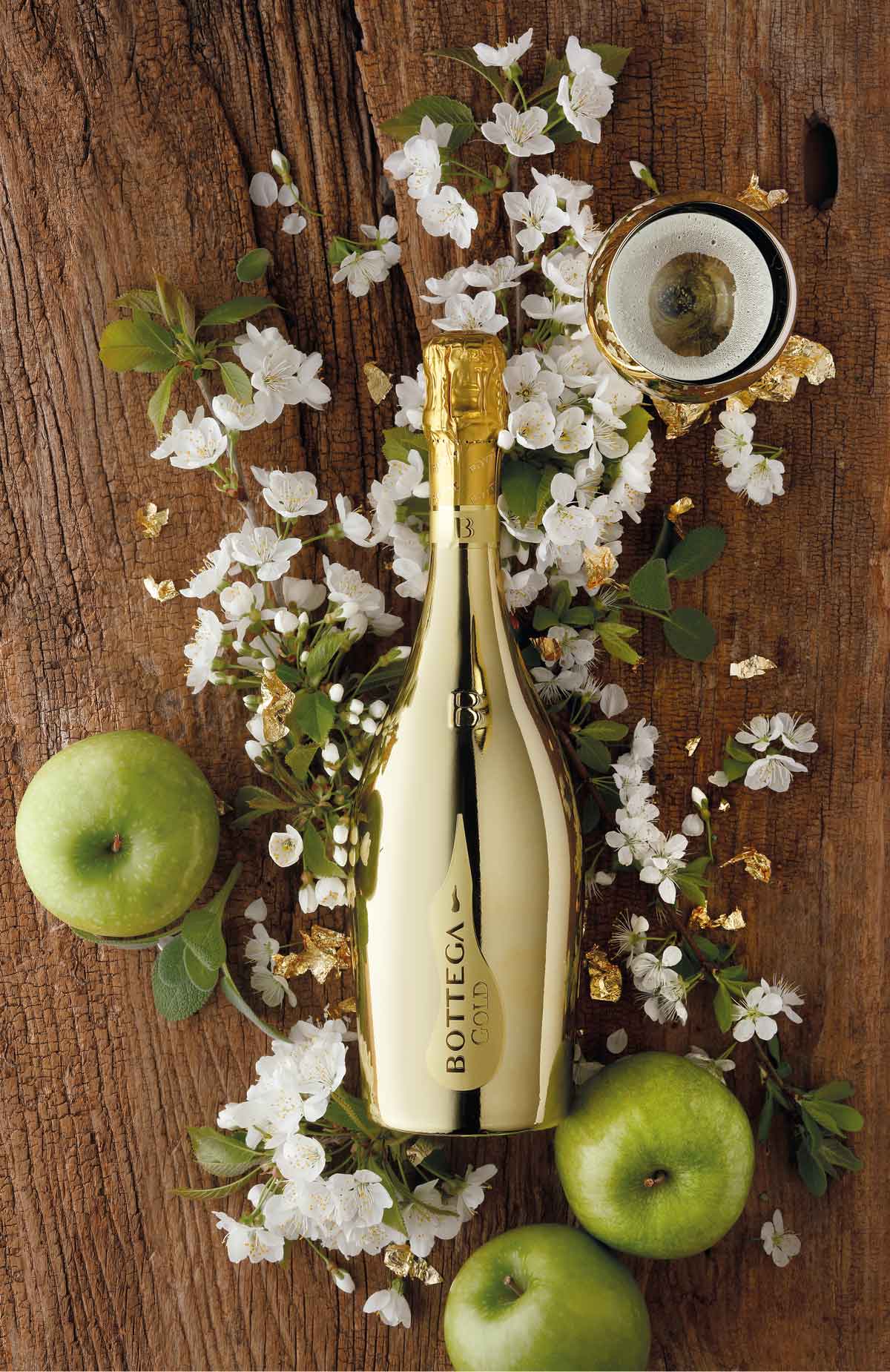
Italy may be best known for vermouth, amaro and grappa, but its gin scene has grown into one of the most distinctive in Europe, built on a deep national fluency with botanicals. Many of the country's gins come from producers who have spent generations working with herbs, roots and citrus, so the spirit feels like a natural extension of an existing craft rather than a trend. In the Maritime Alps near Cuneo, Distillery Bordiga, founded in 1888, draws on wild Alpine juniper and a herbalist heritage that reaches back to its founder's vermouth work in Turin. In Tuscany, Sabatini Gin built its name on botanicals foraged from the family's own land, while in the Veneto, Bottega SPA distils with pure Alpine water. Sardinia's Silvio Carta, the Trentino-Alto Adige producer Roner Distillerie and the family-run Distilleria Bonaventura Maschio each bring their own regional accent. For visitors, an Italian gin trail is really a tour through landscape and terroir, expressed one botanical at a time.
Gin: styles & how it's made
Italian gin is defined by place. Producers tend to start from a clean base spirit, then build a botanical bill that reflects their region, and crucially, many treat each botanical individually rather than macerating everything together. Bordiga's Occitan gin is a fine example: juniper, angelica and coriander gathered around Elva in the mountains, cardamom, and lemon and orange peel from the coast, with the wild Alpine juniper enriched by altitude and maritime air. The botanicals are handled through traditional maceration and distillation without centrifuges, ultrasound or solvents. Sabatini in Tuscany leans entirely on local plants, juniper, iris, wild fennel, lavender, olive leaves, thyme, verbena and sage, many of them foraged from the family estate. In the Veneto, Bottega macerates botanicals in Alpine water before double distillation. Grappa houses such as Bonaventura Maschio and Roner bring decades of distilling know-how to the category, while Silvio Carta layers in Sardinian character. The common thread is precision and a strong sense of origin.
Where to taste gin in Italy
Italy's gin map spreads from the Alps to the islands, so geography shapes any trip. In Piedmont, Distillery Bordiga near Cuneo offers a chance to understand mountain botanicals and a long family distilling history in one of the country's most scenic corners. Tuscany makes an obvious gin pilgrimage thanks to Sabatini, whose Cortona-area roots tie the gin to the Tuscan countryside. The Veneto, easily reached from Venice, is home to Bottega, while the Trentino-Alto Adige producer Roner sits amid the Dolomites and the historic Bonaventura Maschio distillery anchors the north-east's grappa-and-gin tradition. For something quite different, Sardinia's Silvio Carta brings island botanicals and Mediterranean light into play. Because these producers are dotted across very different regions, most visitors build gin tasting into a wider Italian itinerary rather than attempting a single dedicated route.
What to expect on a tour
Visiting an Italian gin producer often means stepping into a working distillery with deep roots in vermouth, grappa or herbal liqueurs, so you'll learn as much about Italian distilling heritage as about gin itself. Expect to see traditional stills, hear how botanicals are sourced, often foraged locally or grown on family land, and understand why many producers distil each botanical separately for control and clarity. Tastings usually move through the house range and may include vermouth, grappa or amaro alongside the gin, giving useful context. Settings range from Alpine valleys to Tuscan hills, and the welcome tends to be warm and unhurried. As with much of Italy, opening hours can be seasonal and tours may need arranging in advance, so it's wise to confirm before travelling.
Frequently asked
- What makes Italian gin different?
- Italian gin draws on the country's deep botanical tradition, built up through centuries of vermouth, amaro and grappa making. Producers often forage or grow their own herbs and citrus and distil botanicals individually, giving the gins a strong sense of regional origin, from Alpine juniper to Tuscan wild fennel.
- Which Italian distilleries are best for gin?
- Bordiga in Piedmont, Sabatini in Tuscany and Bottega in the Veneto are among the most celebrated, while Silvio Carta in Sardinia, Roner in the Dolomites and Bonaventura Maschio in the north-east each offer distinctive regional styles.
- Is Italian gin made from grapes like grappa?
- Not necessarily. Many Italian gins use a neutral base spirit, though some producers come from a grappa background and bring that expertise to the still. What unites them is the botanical approach rather than a single base ingredient.
- Can I visit Italian gin distilleries on one trip?
- It depends on your route. The producers are spread from the Alps to Sardinia, so most travellers fold a gin visit into a broader regional trip, such as Piedmont, Tuscany or the Veneto, rather than attempting a single dedicated gin tour.
- What botanicals are typical in Italian gin?
- Juniper is the constant, often wild and Alpine, joined by Mediterranean citrus, coriander, angelica and a wide range of herbs. Tuscan gins may use iris, wild fennel, lavender, olive leaves and sage, reflecting whatever grows in the producer's home region.
- Do Italian gin tours include other spirits?
- Often yes. Because many producers also make vermouth, grappa or amaro, tastings frequently span the full range, which gives helpful context for understanding how gin fits into Italy's wider distilling culture.