
Distillery tours
Distillery Tours in Italy
Plan a distillery tour in Italy: 13 distilleries to visit, with tastings and experiences you can book directly. Expect Craft Spirits, Gin, Single Malt and more. Highlights include Nonino Distillatori (Borgo Nonino), Roner Distillerie, Distillery Bordiga.
13distilleries

About distillery tours in Italy
Italy's distilling story is older and richer than many travellers expect, and almost all of it begins with the grape. Across the cool northern foothills, distillers have long taken the pomace left over from winemaking and turned it into grappa, a spirit with roots reaching back to medieval Padua and the physician Michele Savonarola, who wrote one of the earliest treatises on distilling. The craft developed its own dialect in each region: in the Veneto, where Bortolo Nardini opened what is widely considered Italy's oldest distillery in Bassano del Grappa in 1779; in Friuli-Venezia Giulia, home to the celebrated Nonino family; and in Piedmont's Langhe and Monferrato hills, where houses such as Marolo, Berta and Bordiga prize small-batch, single-grape distillation over volume.
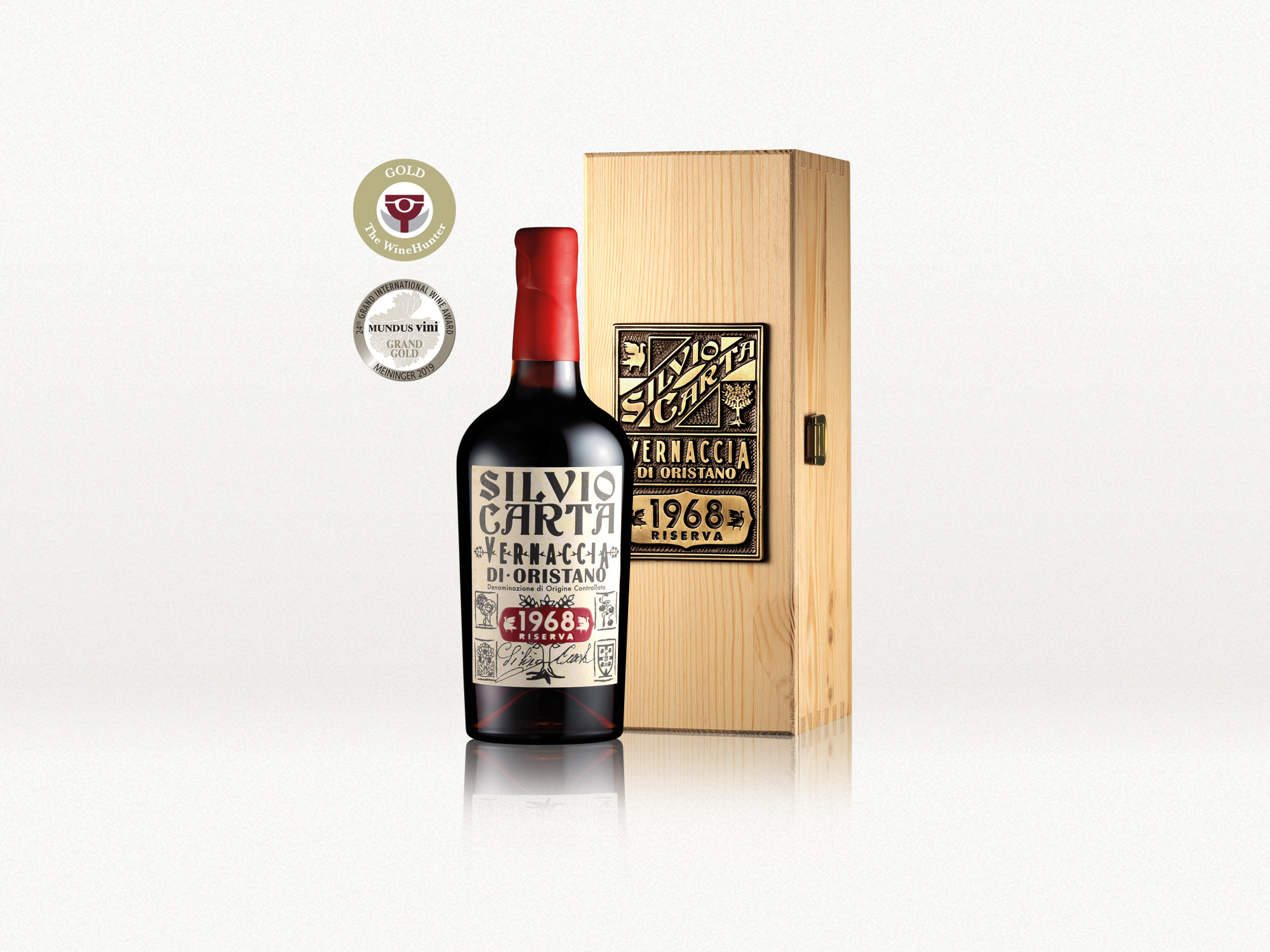
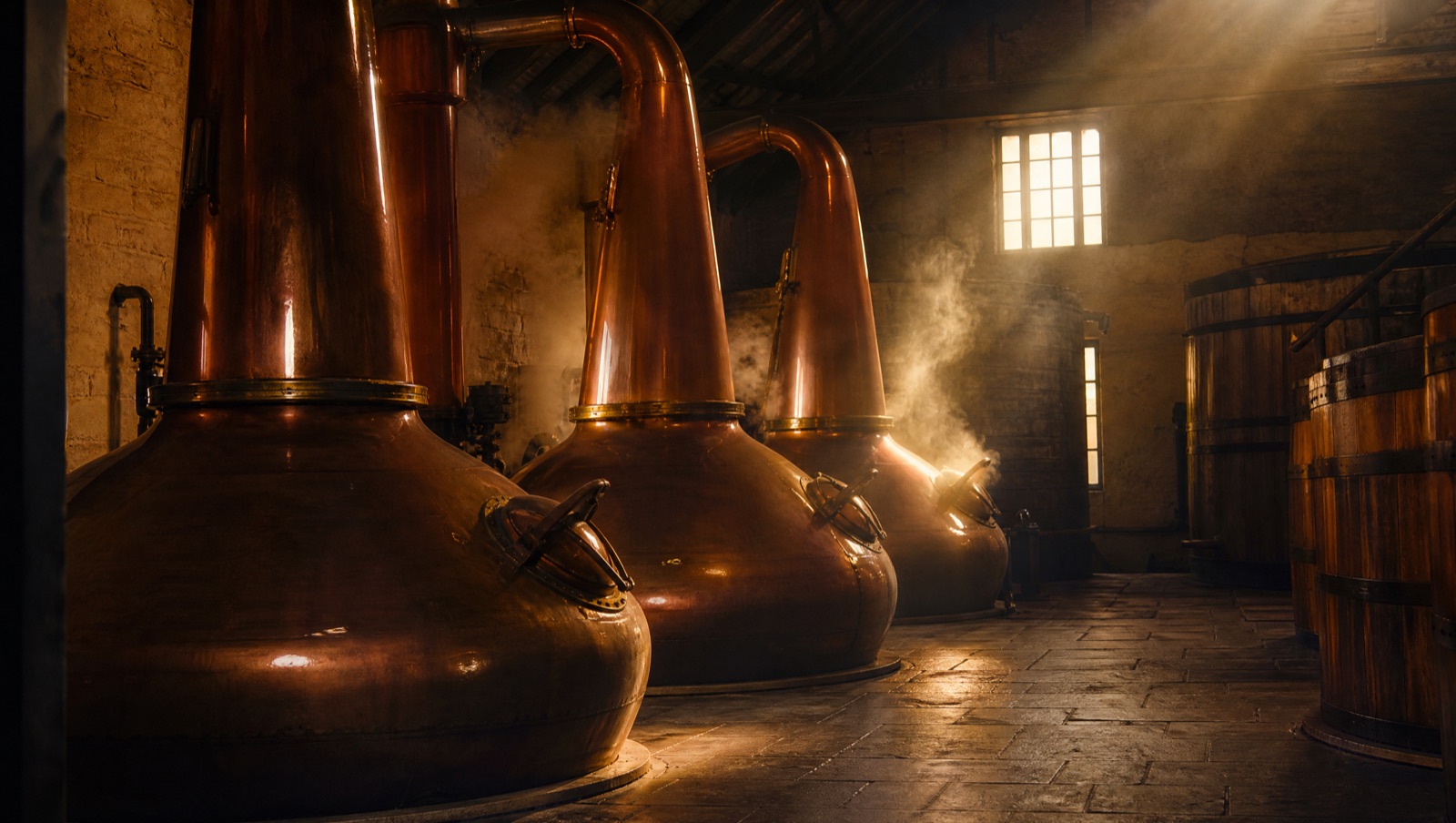
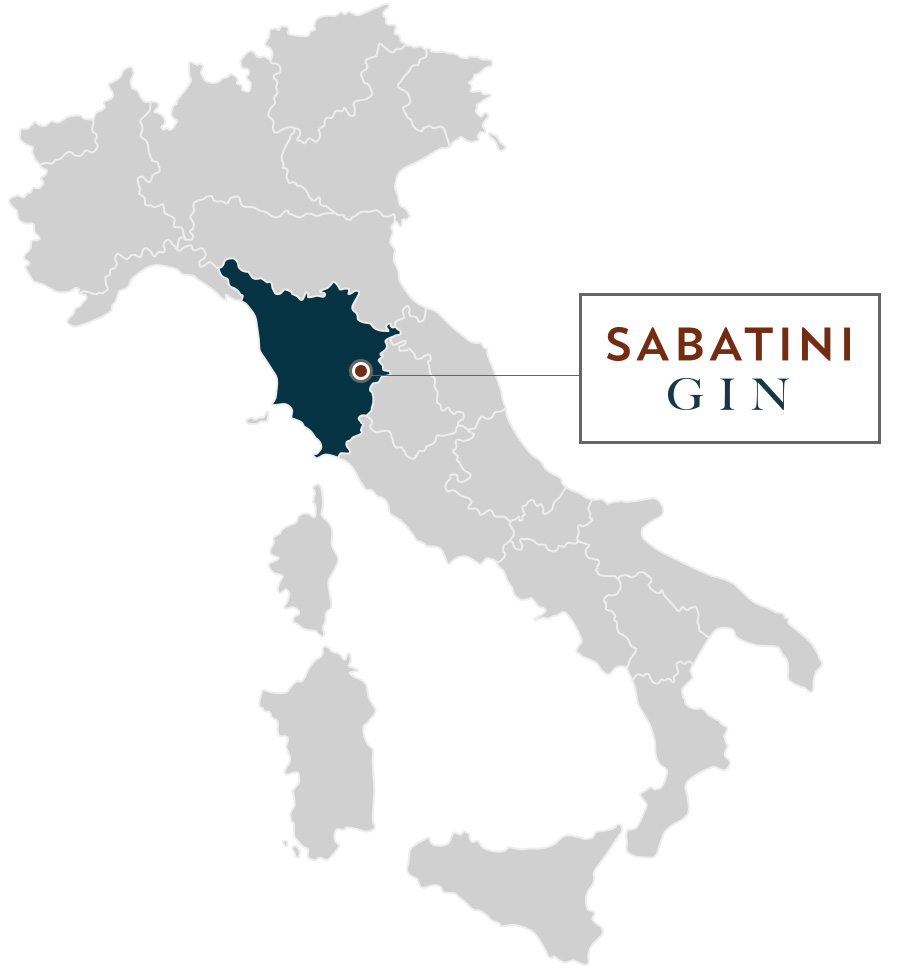
Visiting these distilleries is a genuinely rewarding way to understand Italian wine country from another angle. A tour might lead you through gleaming copper bain-marie stills, candlelit ageing cellars and, at Poli in Bassano, a dedicated grappa museum with olfactometers for sampling aromas. The country's spirit world reaches well beyond grappa, too: PUNI in South Tyrol makes Italy's pioneering single malt whisky, Sabatini distils a Tuscan-botanical gin near Cortona, and Silvio Carta carries the herbal flavours of the Sardinian maquis into gin, grappa and myrtle liqueur. Expect warm, family-run welcomes and unhurried tastings.
What to expect on a tour
Italian distillery visits tend to be intimate and personal rather than industrial set-pieces, often led by a family member or long-serving distiller. You will usually see the heart of the operation: the stills (many northern grappa houses still favour traditional discontinuous bain-marie or steam stills over continuous columns), the fermentation and ageing areas, and the cellars where spirits rest in oak or, at Silvio Carta in Sardinia, century-old chestnut casks. Tours typically last around an hour and finish with a guided tasting.
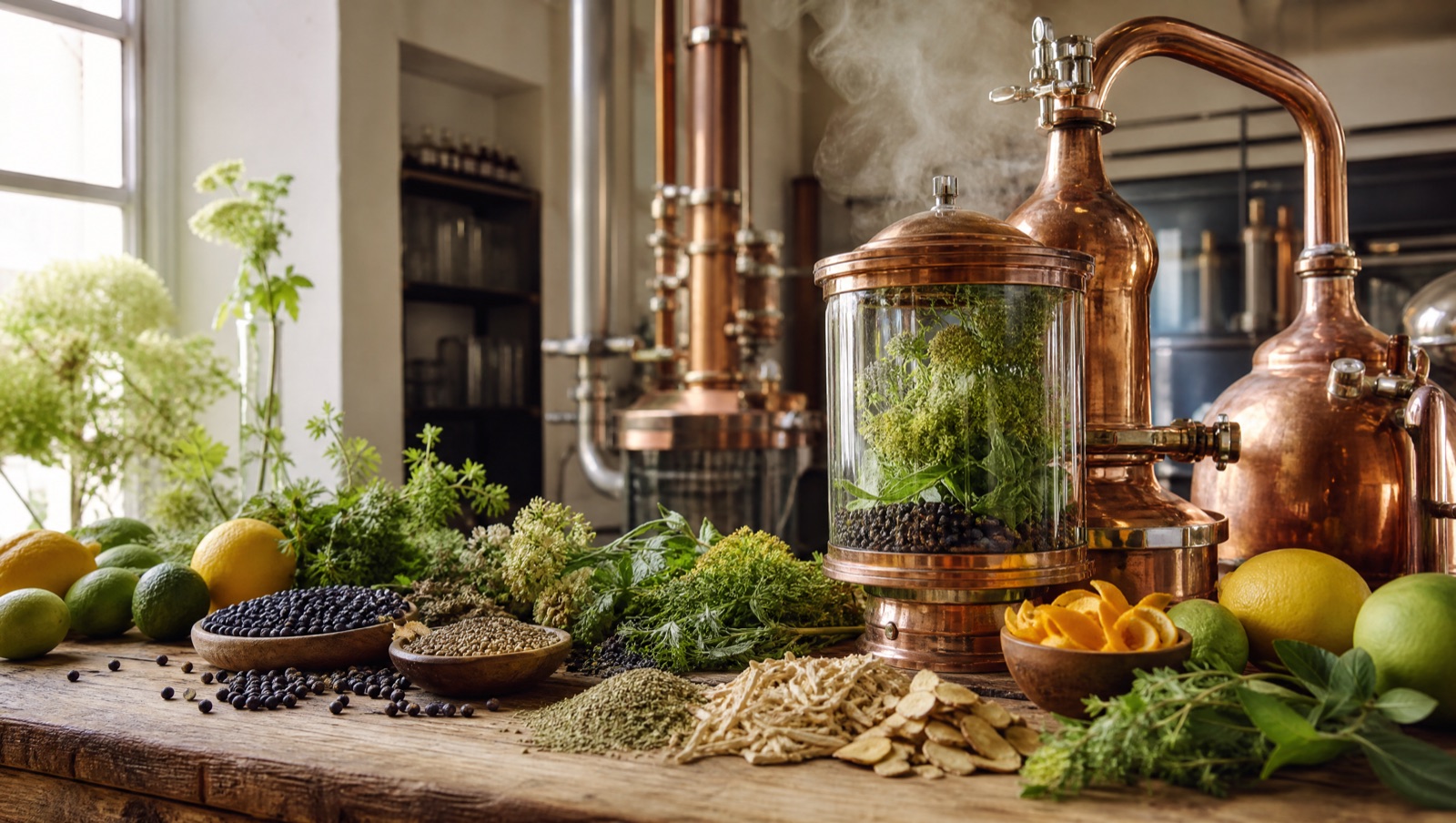
The tasting is where the regional character comes alive. At a Piedmont house like Marolo or Berta you might compare single-varietal grappas from Nebbiolo, Moscato or Barolo pomace; at Nardini or Poli in the Veneto you can taste the lighter, aromatic styles alongside aged riserve. Beyond grappa, PUNI offers structured whisky flights, Sabatini pairs its gin with its nine Tuscan botanicals laid out in garden beds, and many producers also pour amari and liqueurs. Tastings are unhurried, and there is no pressure to buy.
Getting there & around
Italy's distilleries are spread across very different corners of the country, so plan around the region you are exploring rather than trying to cover them all. The Veneto cluster around Bassano del Grappa (Nardini, Poli) is easily reached from Venice, Padua or Vicenza, with Bassano on the regional rail network. The Piedmont houses (Marolo near Alba, Berta near Asti, Bordiga in the Cuneo area) sit in the Langhe and Monferrato wine hills, best explored by car from Turin. Nonino and other Friulian distillers lie near Udine in the north-east.
Further afield, PUNI is in Glorenza in South Tyrol's Val Venosta, a scenic Alpine drive from Bolzano or Merano; Sabatini is near Cortona in eastern Tuscany; and Silvio Carta is at Baratili San Pietro near Oristano on Sardinia's west coast, reached via the island's airports and a hire car. A car is genuinely useful for all the rural sites, which makes arranging a designated driver or a guided tour important if you intend to taste.
Frequently asked
- Do I need to book a distillery tour in advance?
- Yes, for almost all of them. These are small, often family-run operations, and guided tours and tastings are usually arranged for set times or by appointment, so it is best to email or book online ahead of your visit. The Poli Grappa Museum in Bassano is a notable exception: it is open daily and self-guided, with free admission, making it an easy drop-in.
- How much does a distillery visit cost?
- It varies widely by producer and what is included. Some museums and basic visits are free or very low cost, while guided tours with a structured tasting, a cellar walk or extras such as custom labelling or food pairings cost more. As a rough guide, expect a modest per-person fee for a standard tour-and-tasting, rising for premium experiences. Always check the producer's website for current prices, as we don't quote fixed figures here.
- How many distilleries can I realistically visit in a day?
- Within a single cluster, two is comfortable and sensible. Tours run around an hour plus tasting, and Italian producers are spread across rural areas, so travel time adds up. Pairing two nearby houses, for example Nardini and Poli around Bassano, or Marolo and another Langhe distillery, leaves time to enjoy each properly. Trying to cram in more usually means rushing the tastings.
- Can I drink at the tasting if I'm driving?
- You should not. Italy has strict drink-driving limits and grappa is a high-strength spirit, so if you are behind the wheel either nominate a non-drinking driver, taste only sparingly and spit, or join a tour with transport included. Many rural distilleries are only practical to reach by car, which makes planning your transport around the tasting essential.
- Are children and families welcome?
- Generally yes for the tour and the surroundings, though tastings are obviously for adults only. Several producers sit in beautiful settings, with gardens, museums or estate grounds, that families can enjoy, and many also offer soft drinks, juices or food. It is worth contacting the distillery in advance to confirm their policy and whether they can accommodate younger visitors.
- Is it only grappa, or are other spirits on offer?
- Italy is far more than grappa. PUNI in South Tyrol makes the country's pioneering single malt whisky; Sabatini near Cortona distils a London-dry-style gin with Tuscan botanicals; and Silvio Carta in Sardinia produces gin, grappa and the island's herbal myrtle liqueur. Even traditional grappa houses such as Nardini, Poli and Berta typically also pour liqueurs, amari and aperitivi.
- Are the distilleries accessible for visitors with limited mobility?
- It depends on the building. Modern, purpose-built sites like PUNI are generally well set up, but many distilleries occupy historic premises with cellars, stairs or uneven floors that can be harder to navigate. If accessibility matters, contact the producer directly before booking so they can advise on step-free routes and adapt the visit where possible.