
Gin · New Hampshire
Gin Distilleries in New Hampshire
Tour 4 gin distilleries in New Hampshire. Each offers visits, tastings or experiences you can book directly — including Tamworth Distilling & Mercantile, New England Sweetwater Farm & Distillery, Flag Hill Distillery & Winery.
4distilleries
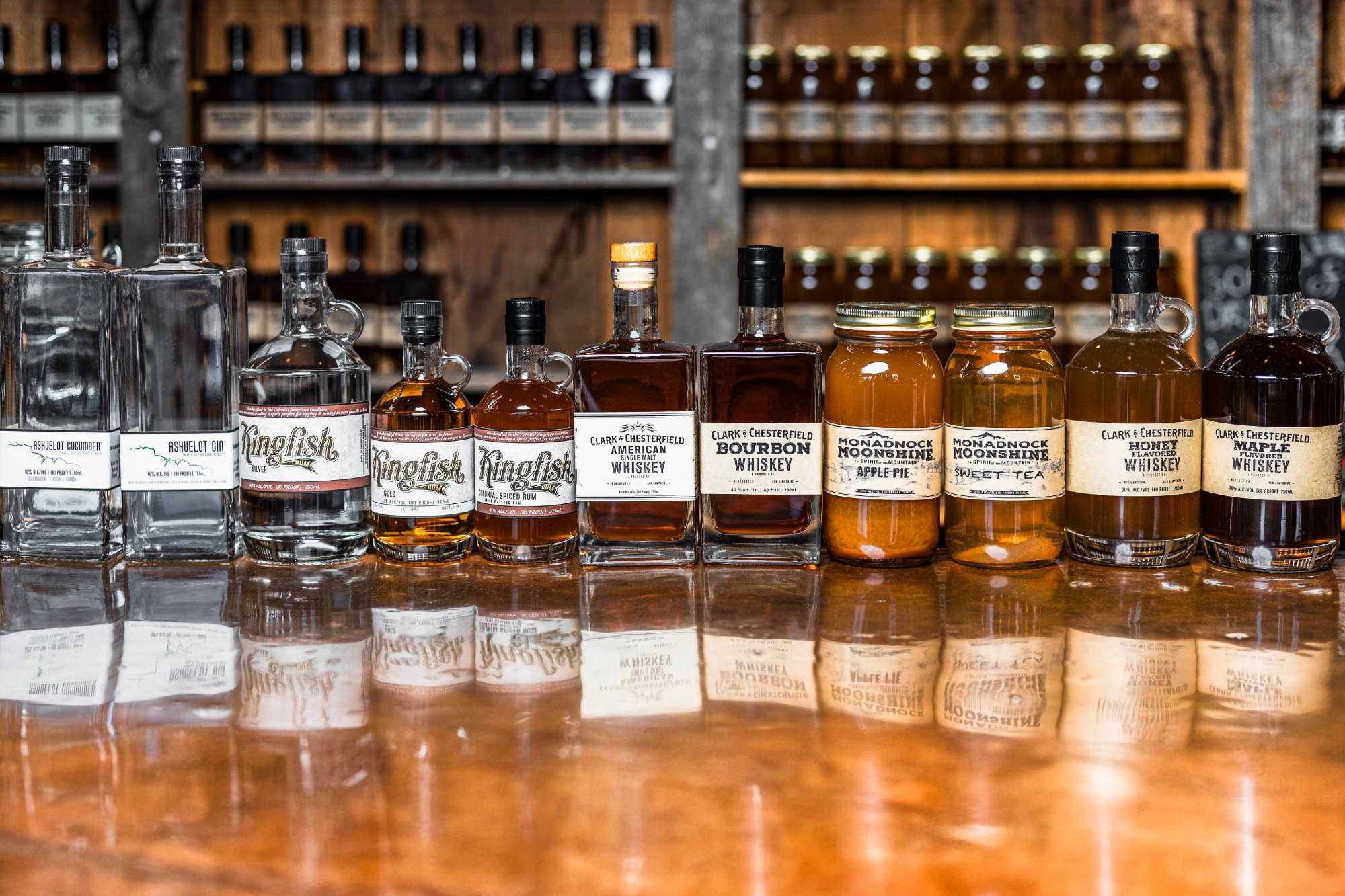
New England Sweetwater Farm & Distillery
Family-owned New Hampshire small-batch spirits

About gin distilleries in New Hampshire
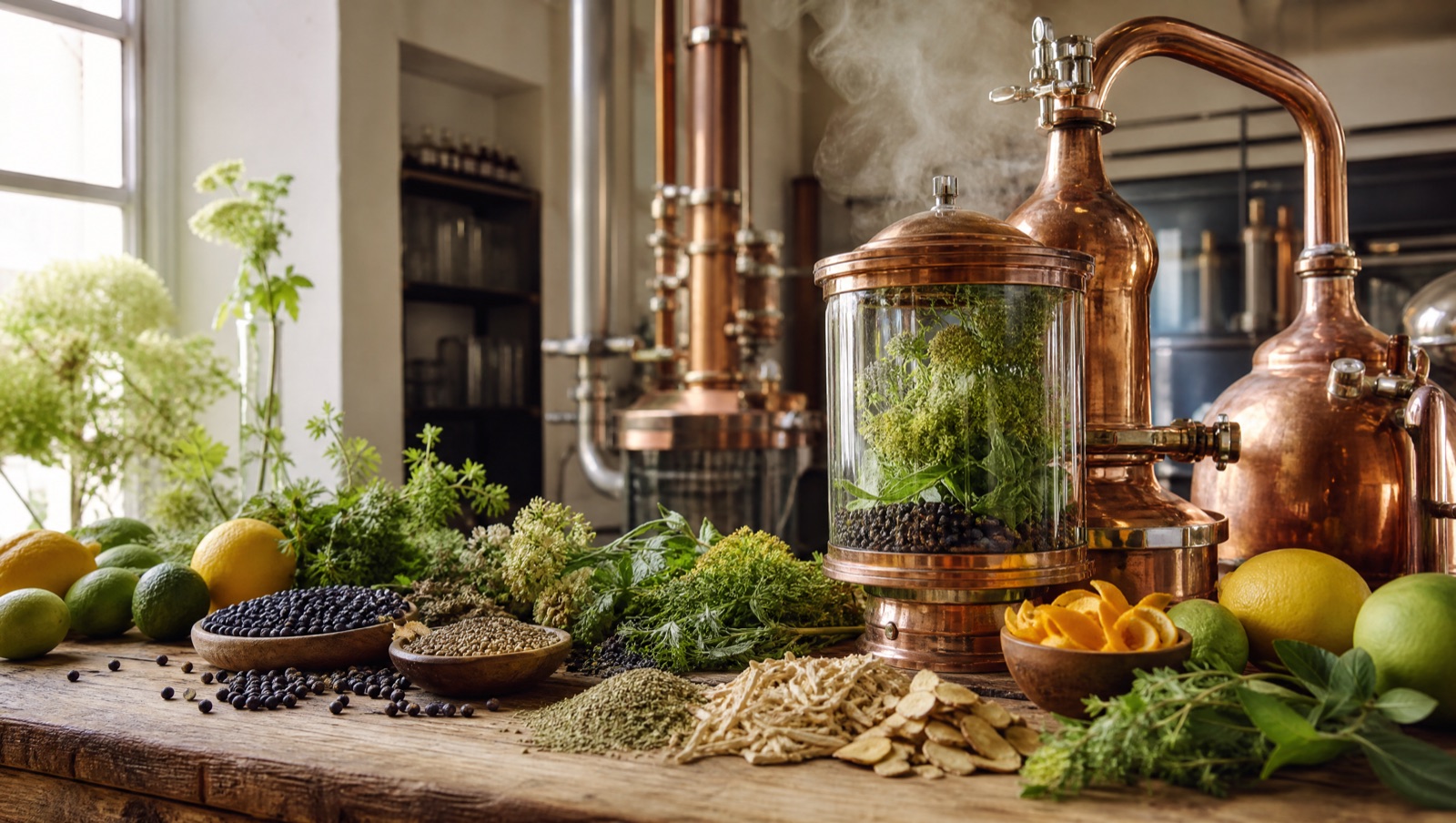
New Hampshire has quietly become one of New England's most interesting places to drink gin, thanks to distillers who treat the surrounding forests, farms and gardens as a botanical larder. The state's reputation rests heavily on Tamworth Distilling & Mercantile, launched in 2015 in Tamworth Village by Steven Grasse, the creative force behind Hendrick's Gin. Tamworth's gins lean on foraged and home-grown botanicals such as elderflower, angelica root, lemon balm and wild mint, an approach that earned its White Mountain Gin recognition as a state spirit of the year. Elsewhere, Flag Hill Distillery & Winery in Lee, the state's first post-Prohibition distillery, makes Karner Blue Gin, named for New Hampshire's state butterfly and built on juniper plus botanicals including cardamom and citrus peel. Djinn Spirits in Nashua, a family-run operation, rounds out a balanced, well-composed gin, while New England Sweetwater Farm & Distillery in Winchester adds award-winning small-batch character. Tasting gin here means tasting the local landscape, from White Mountain meadows to Seacoast farmland. Expect botanically driven, place-rooted spirits and the chance to meet makers who genuinely forage their own ingredients.
What makes gin here special
New Hampshire gin is shaped by the impulse to forage. The state's distillers draw on local meadows, woodlands and gardens for botanicals, so the gins taste of where they were made rather than of an imported recipe. Tamworth Distilling is the clearest expression of this: founded by the creator of Hendrick's, it experiments with home-grown and wild-gathered ingredients, and its gins fold in elderflower, angelica root, lemon balm and wild mint among others. That commitment helped earn its White Mountain Gin top honours as a New Hampshire spirit of the year. Flag Hill takes a more classic but distinctly local route with Karner Blue Gin, named for the state butterfly and built on juniper alongside cardamom, citrus peel and cinnamon. Djinn Spirits keeps things balanced and approachable with a well-rounded botanical medley, and New England Sweetwater brings award-winning small-batch craft to the mix. The common ground is that juniper here shares the glass with ingredients pulled from the New Hampshire landscape, giving each gin a regional fingerprint.
What to expect from a gin tasting
A gin tasting in New Hampshire is as much a lesson in botany as in spirits. At Tamworth, expect to hear about specific foraged ingredients and the seasons they come from, with flights that show how unusual botanicals reshape the familiar juniper backbone. At Flag Hill in Lee, tastings often sit alongside the winery, so you can taste gin within a broader portfolio and learn the story behind Karner Blue's butterfly name and botanical blend. Djinn Spirits offers a family-run, conversational welcome in Nashua, ideal for understanding how a balanced gin is composed. New England Sweetwater in Winchester pairs its award-winning small batches with a personal tasting-room experience. Across these stops, staff are usually keen to explain why a given botanical was chosen and how it was prepared. Come ready to taste neat or lightly diluted first, before considering it in a serve, and treat each gin as an expression of its maker's relationship with the surrounding land.
Planning your visit
New Hampshire's gin distilleries are spread across the state, so a little routing pays off. The Seacoast and southern tier are the easiest to combine: Flag Hill in Lee and Djinn Spirits in Nashua are both reachable on a southern loop, and New England Sweetwater sits to the southwest in Winchester. Tamworth, by contrast, lies north in the Lakes Region near the White Mountains, a beautiful drive that suits being paired with a scenic day rather than rushed. Because of the distances, pick a cluster and build a day around it, or plan an overnight if you want to reach both the south and Tamworth. Confirm tasting-room hours in advance, as several producers keep limited or weekend-weighted schedules, and always arrange a designated driver given the rural roads and full-strength samples. Autumn adds foliage to the northern routes, while summer is ideal for combining tastings with the Seacoast or the mountains.
Frequently asked
- Which is the best-known gin distillery in New Hampshire?
- Tamworth Distilling & Mercantile, launched in 2015 by the creator of Hendrick's Gin. Its foraged-botanical gins, including White Mountain Gin, have earned state spirit-of-the-year recognition.
- What botanicals define New Hampshire gin?
- Local and foraged ingredients alongside juniper. Tamworth uses elderflower, angelica root, lemon balm and wild mint, while Flag Hill's Karner Blue blends juniper with cardamom and citrus peel.
- What is Karner Blue Gin named after?
- The Karner blue butterfly, New Hampshire's state butterfly. It is made by Flag Hill Distillery & Winery in Lee, the state's first post-Prohibition distillery.
- Can I visit several gin distilleries in one day?
- In the south, yes: Flag Hill in Lee and Djinn Spirits in Nashua sit within a reasonable loop. Tamworth is further north near the White Mountains, so it suits a separate scenic day.
- Are tastings beginner-friendly?
- Very. Family-run Djinn Spirits and the foraging-focused Tamworth both welcome curious newcomers, with staff happy to explain how each botanical shapes the gin.
- Do I need to book ahead?
- It is recommended. Several producers keep limited or weekend-weighted hours, so confirm tasting-room times before travelling, especially for the more rural sites.
- When is the best time to visit?
- Summer suits combining tastings with the Seacoast or mountains, while autumn brings foliage to the northern drive toward Tamworth. Either way, plan a designated driver.