
Gin · New Zealand
Gin Distilleries in New Zealand
Tour 5 gin distilleries in New Zealand. Each offers visits, tastings or experiences you can book directly — including 1919 Distilling, Reefton Distilling Co., Cardrona Distillery.
5distilleries

About gin distilleries in New Zealand
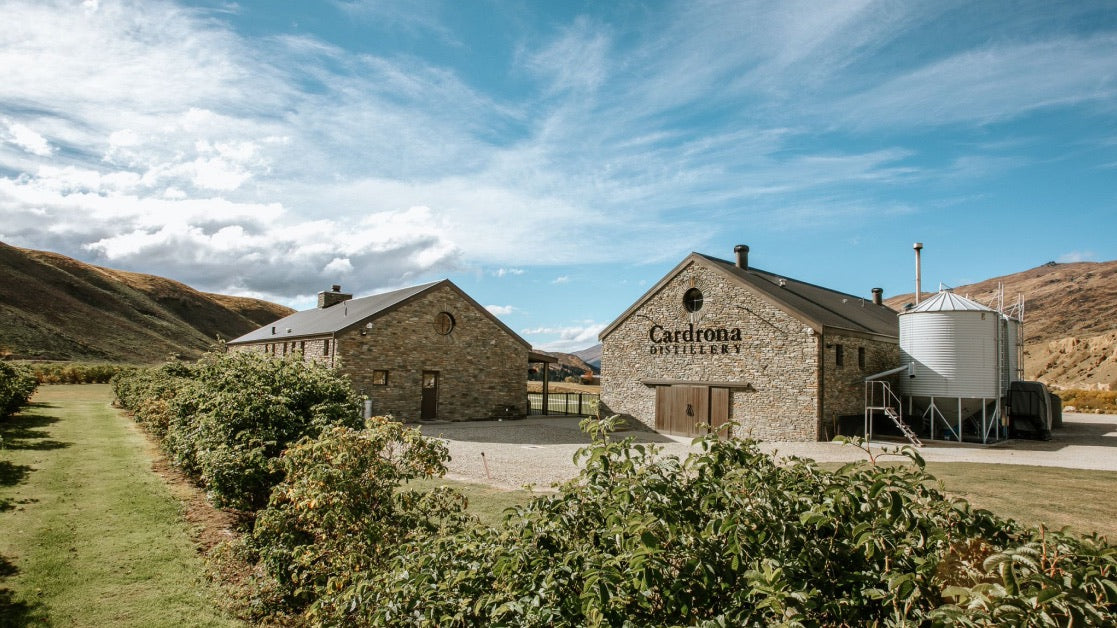
New Zealand has become one of the most exciting gin-making countries in the world, with the count of small-batch producers climbing into the hundreds over the past decade. What sets the scene apart is its embrace of the native bush: distillers reach beyond the classic juniper-and-citrus framework to fold in indigenous botanicals such as horopito (a peppery bush pepper), kawakawa, mānuka leaf and honey, tarata lemonwood and rimu. The result is a national style that leans towards forest herbs, green aromatics and gentle warmth rather than the dry, spice-forward gins often associated with neighbouring Australia. Producers are spread the length of both islands, from alpine Central Otago to the West Coast and the top of the South Island, and many invite visitors in to taste, blend or distil their own bottle. A trail through the listed names here takes in real breadth: Cardrona Distillery high in the Otago mountains, the experimental house behind The Spirits Workshop, Dancing Sands near Golden Bay's clear springs, Reefton Distilling Co. on the rugged West Coast and 1919 Distilling. Each tells a slightly different story about place, water and the plants growing nearby.
Gin in New Zealand: styles and how it's made
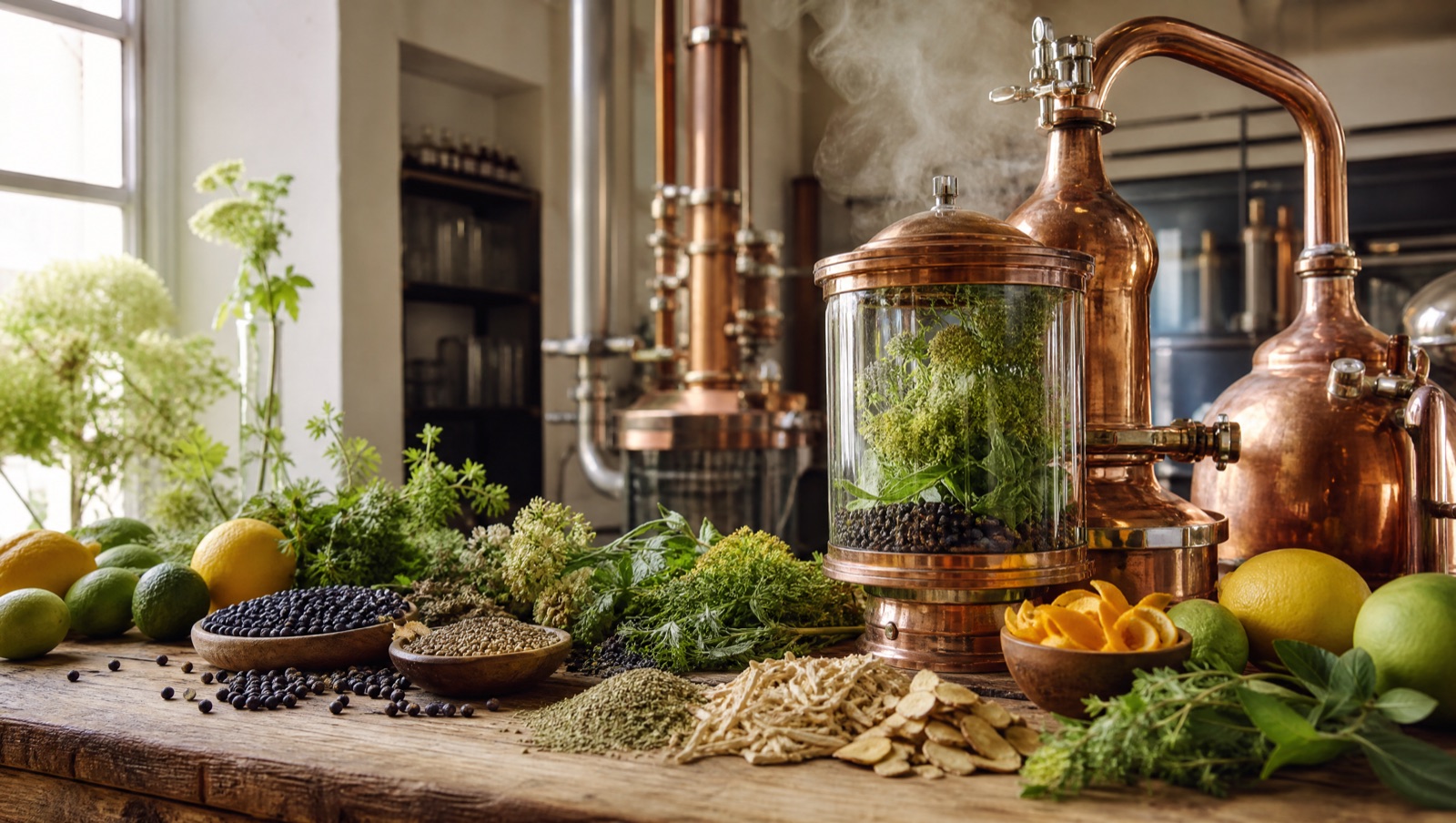
Most New Zealand gin starts from a neutral spirit and a backbone of juniper, then takes a distinctly local turn. Distillers commonly work with copper pot stills, redistilling a botanical charge that pairs imported staples (coriander seed, angelica and orris root, citrus peel, star anise) with foraged or cultivated native plants. Horopito and kawakawa lend a soft pepperiness, mānuka brings honeyed and herbal notes, and lemonwood adds a citrus-floral lift. Because so many of these ingredients are wild-harvested, some houses work with foragers who know the surrounding bush intimately. Water matters too: Dancing Sands draws on the famously pure springs near Golden Bay, while alpine producers like Cardrona benefit from clean mountain sources. Expect everything from clean, classic London Dry interpretations to barrel-aged, navy-strength and distinctly experimental bottlings, the latter a speciality of more boundary-pushing operations such as The Spirits Workshop.
Where to taste gin across New Zealand
The listed distilleries map neatly onto a wider South Island gin journey. Cardrona Distillery, set in the mountains between Wānaka and Queenstown, is a striking destination in its own right and a natural stop for anyone touring Central Otago. Dancing Sands sits near Tākaka at the top of the South Island, handy if you are exploring Abel Tasman and Golden Bay. Reefton Distilling Co. anchors the West Coast, weaving local heritage and surrounding native botanicals into its spirits. The Spirits Workshop and 1919 Distilling round out the picture with their own takes on contemporary Kiwi gin. Many cellar doors offer tutored tastings and, increasingly, hands-on "make your own gin" sessions where you choose botanicals and run a small still yourself.
Planning a trip
New Zealand's distilleries are scattered, so plan around a region rather than trying to see everything. Central Otago pairs Cardrona with vineyards and alpine scenery; the top of the South Island combines Dancing Sands with beaches and national parks; the West Coast suits a longer, scenic drive to reach Reefton. A hire car is essential for the rural cellar doors, and a designated driver or local tour operator is the sensible way to taste responsibly. Book tours and blending experiences ahead, especially over the December–February summer peak, and check seasonal opening hours, as some smaller distilleries run reduced winter schedules.
Frequently asked
- What makes New Zealand gin different?
- The defining feature is the use of native botanicals. Alongside juniper and classic ingredients, distillers fold in plants such as horopito, kawakawa, mānuka and lemonwood, giving many New Zealand gins a green, herbal, gently peppery character rather than the dry, spice-led profile common elsewhere.
- Can I tour gin distilleries in New Zealand?
- Yes. Many producers, including several listed here, welcome visitors for tutored tastings and distillery tours. Some, such as alpine-set Cardrona Distillery, double as scenic destinations, and an increasing number offer blend-your-own or make-your-own-gin sessions.
- Which regions are best for a gin trip?
- Central Otago (home to Cardrona), the top of the South Island around Golden Bay (Dancing Sands) and the West Coast (Reefton Distilling Co.) are all rewarding. Choosing one region rather than crossing the whole country makes for a more relaxed trip.
- Do I need to book ahead?
- For tours, tastings and hands-on gin-making experiences it is wise to book in advance, particularly during the summer holiday season from December to February. Smaller rural distilleries may also run reduced hours in winter.
- How do I get around the distilleries?
- A hire car is the most practical way to reach New Zealand's often rural cellar doors. Because tastings involve alcohol, arrange a designated driver or join a guided distillery tour so you can sample responsibly.
- Are native botanicals used in all New Zealand gins?
- Not all, but they are a strong theme. Some houses make clean, classic London Dry styles, while others build their identity around foraged native plants. Many cellar doors will explain exactly which botanicals go into each expression.