
Gin · Norway
Gin Distilleries in Norway
Tour 5 gin distilleries in Norway. Each offers visits, tastings or experiences you can book directly — including OSS Craft Distillery, Feddie Ocean Distillery, Det Norske Brenneri.
5distilleries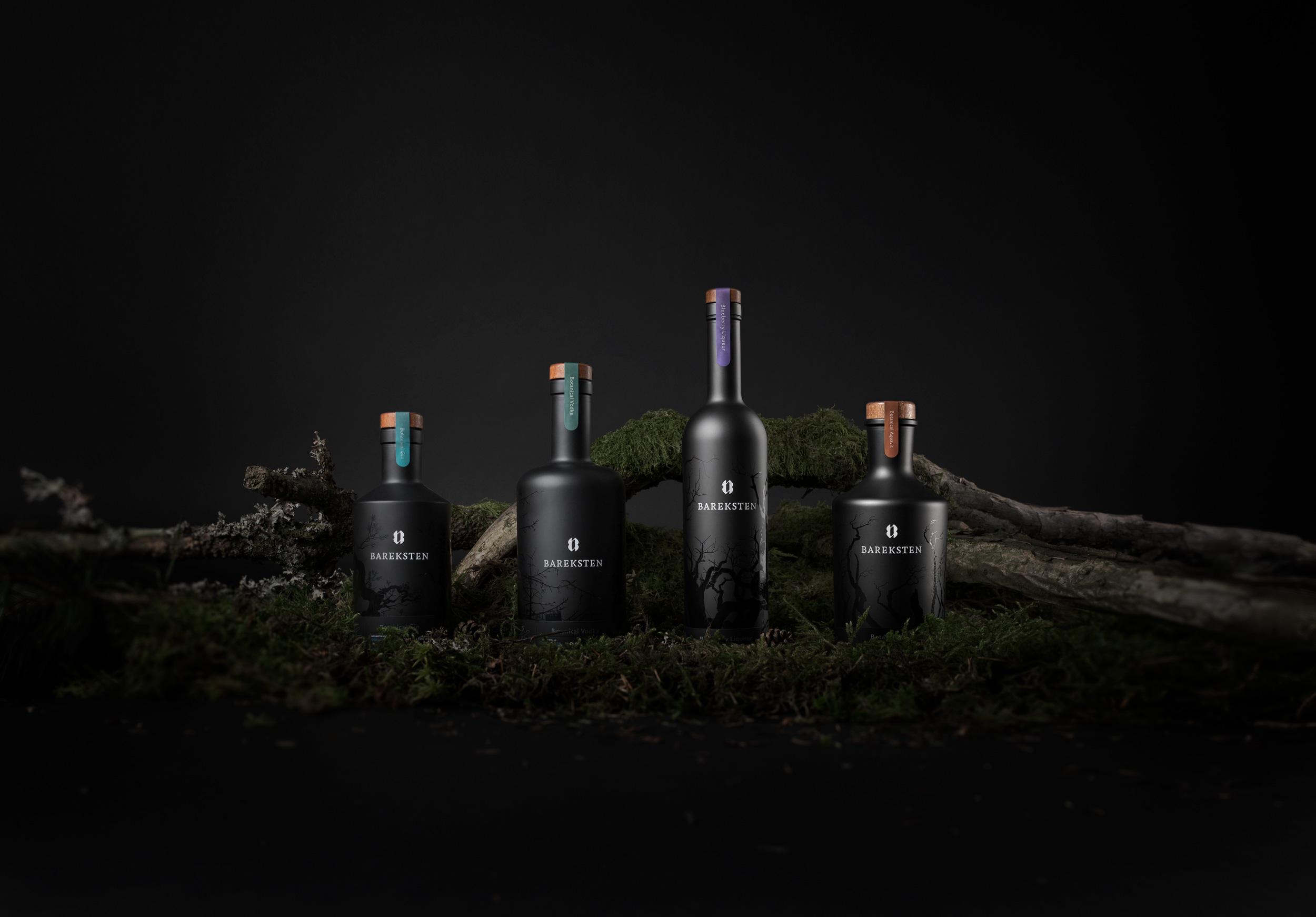
OSS Craft Distillery
Bergen's first legal distillery in centuries



About gin distilleries in Norway
Norwegian gin has emerged from one of Europe's most tightly regulated drinks cultures into something genuinely exciting. For most of the last century, spirits production was a state monopoly; it was only after liberalisation in the mid-2000s that private distillers were free to experiment. What they found was a country almost purpose-built for gin. Juniper grows wild across Norway, and the wider larder of foraged botanicals, from blueberry and crowberry to spruce shoots, birch and Arctic herbs, gives Norwegian gin a distinctly forested, coastal character. Today a small but confident group of producers carries the flag. Det Norske Brenneri in the southern Agder region was among the pioneers, while OSS Craft Distillery near Bergen built an international reputation through its botanical-heavy Nordic style. On remote islands you will find Feddie Ocean Distillery, working entirely with organic spirit, and Myken Distillery, perched on a tiny Arctic outcrop. Inland, Geiranger Brenneri distils beside one of the country's most celebrated fjords. Visiting them means combining a tasting with some of Norway's most dramatic scenery, which is much of the appeal.
Gin in Norway: styles and how it's made
Norwegian gin tends to lean into its surroundings rather than mimic the classic London Dry template. Juniper remains the legal backbone, and conveniently it grows freely across the Norwegian landscape, but distillers build around it with a Nordic palette: wild berries, herbs, roots and the green, resinous notes of spruce and pine. Many producers forage at least some of their botanicals locally, which ties each gin to a specific place and season. Coastal distilleries such as Feddie Ocean Distillery and Myken Distillery often emphasise clean, maritime character, sometimes using exceptionally pure water sources. Feddie works exclusively with organic base spirit, a point of pride for the island operation. Production methods vary from traditional pot-still distillation to vapour infusion, where botanicals are suspended in baskets so the rising alcohol vapour carries their oils. OSS Craft Distillery is known for a particularly generous botanical count, capturing the layered feel of a Nordic forest. The result, across the board, is gin that tastes of where it was made.
Where to taste gin in Norway
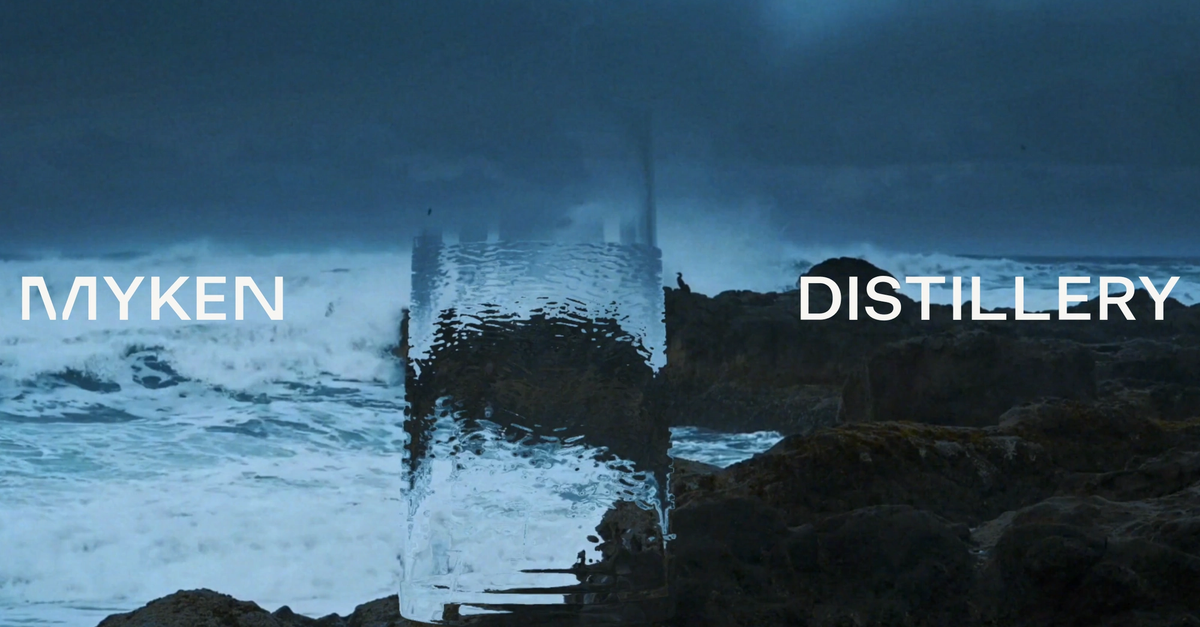
Norway's gin distilleries are scattered, which is part of the adventure. In the south, Det Norske Brenneri sits in the Agder region near Grimstad, an easy addition to a coastal road trip. On the west coast around Bergen, OSS Craft Distillery offers a more urban-accessible base for tasting Nordic-style gin. For something wilder, Geiranger Brenneri is a micro-distillery set beside the UNESCO-listed Geirangerfjord, where the tasting comes with a backdrop few places can match. Feddie Ocean Distillery occupies the island of Fedje off the west coast, reached by ferry, while Myken Distillery lies on a remote islet within the Arctic Circle, very much a destination in its own right. Because several of these are small operations on islands or in fjord country, it is well worth checking opening seasons and booking tours in advance rather than turning up unannounced.
What to expect on a tour
Because Norwegian gin distilleries are mostly small and independent, tours tend to be intimate and hands-on rather than slick corporate affairs. You will usually be guided by someone closely involved in the distilling, often the founder, and shown the stills, the botanical store and the production floor up close. Expect plenty of talk about foraging and the local landscape, since so many Norwegian botanicals are gathered nearby. Tastings typically span a producer's range, which for places like Feddie Ocean Distillery and Berentsens may include aquavit and whisky alongside the gin. Norway's strict alcohol regulations mean tasting formats can be more controlled than in some countries, and on-site sales may be limited, so ask about what you can buy and take home. Dress for the weather, especially at the island and fjord distilleries where conditions can change quickly.
Frequently asked
- What makes Norwegian gin different?
- It is shaped by its environment. Wild juniper grows across Norway, and distillers build on it with foraged Nordic botanicals such as blueberry, crowberry, spruce and Arctic herbs, giving the gin a forested, coastal character distinct from a classic London Dry.
- Why did Norwegian gin only emerge recently?
- Spirits production was a state monopoly for most of the twentieth century. Private distilling became possible only after liberalisation in the mid-2000s, which is why producers like Det Norske Brenneri were among the first independents and the craft scene is still relatively young.
- Can I visit these distilleries year-round?
- Not always. Several, including the island and fjord-side distilleries such as Geiranger Brenneri, Feddie Ocean and Myken, are small operations with seasonal opening hours. Check schedules and book tours in advance.
- Which Norwegian gin distilleries are easiest to reach?
- Det Norske Brenneri in the southern Agder region and OSS Craft Distillery near Bergen are the more accessible options. Geiranger Brenneri is reachable on fjord touring routes, while Feddie and Myken sit on islands requiring ferry travel.
- Is the gin organic?
- Some of it. Feddie Ocean Distillery is notable for producing entirely organic spirits, including its gin. Other producers vary, so it is worth asking each distillery directly about their sourcing and certification.
- Can I buy gin at the distillery?
- Sometimes, but Norway's alcohol regulations can restrict on-site retail sales. Many bottles are sold through Vinmonopolet, the state retailer. Ask at each distillery what you can purchase and take away.
- Will tours cover more than gin?
- Often, yes. Many Norwegian distilleries make aquavit and whisky too, so tastings at places like Feddie Ocean and Det Norske Brenneri frequently include several spirit styles, not just gin.