
Gin · Texas
Gin Distilleries in Texas
Tour 5 gin distilleries in Texas. Each offers visits, tastings or experiences you can book directly — including Maverick Whiskey, Elk Store Winery & Distillery, Dripping Springs Distilling.
5distilleries
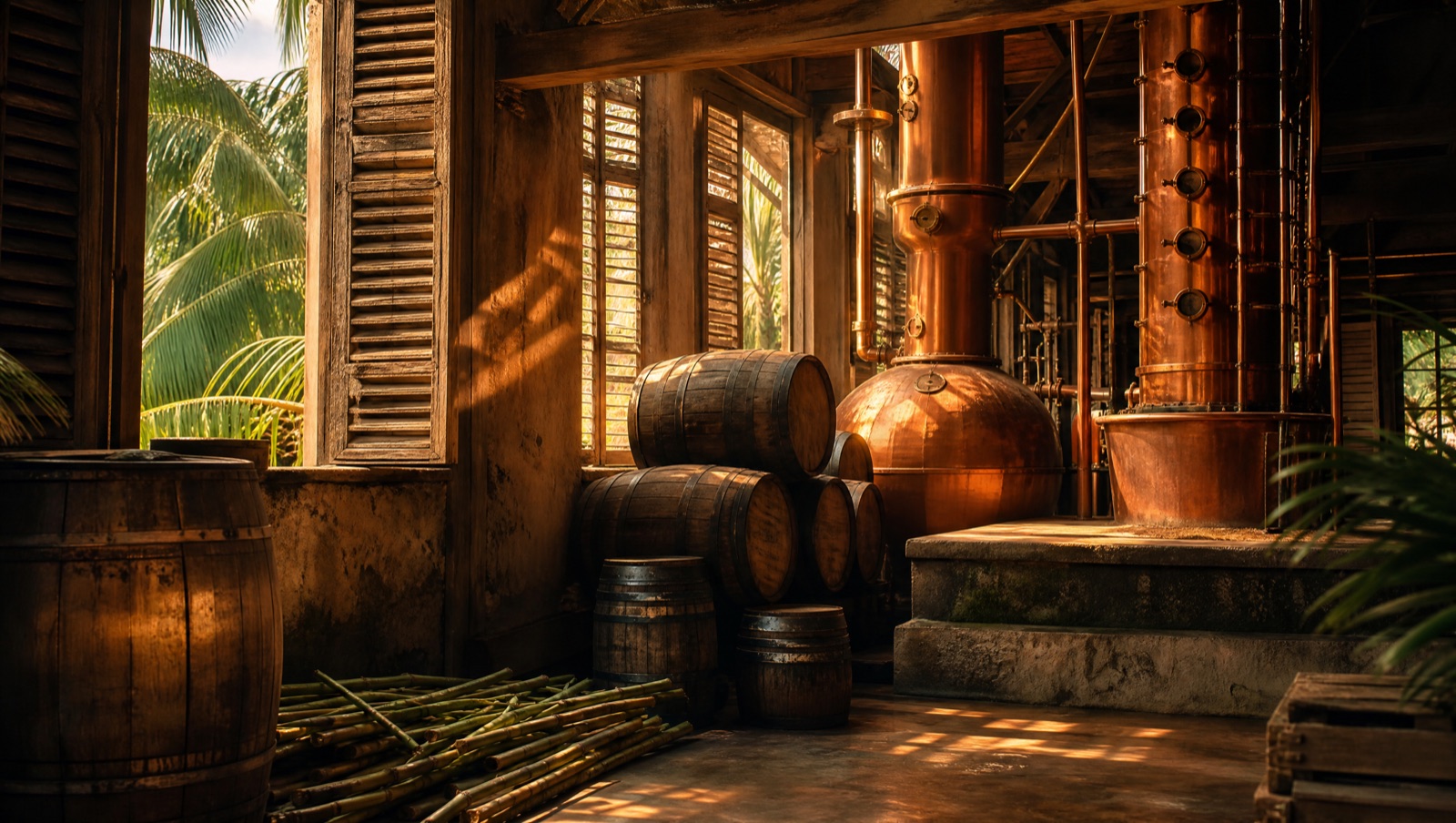
Elk Store Winery & Distillery
Small-batch copper-still spirits in Texas Hill Country
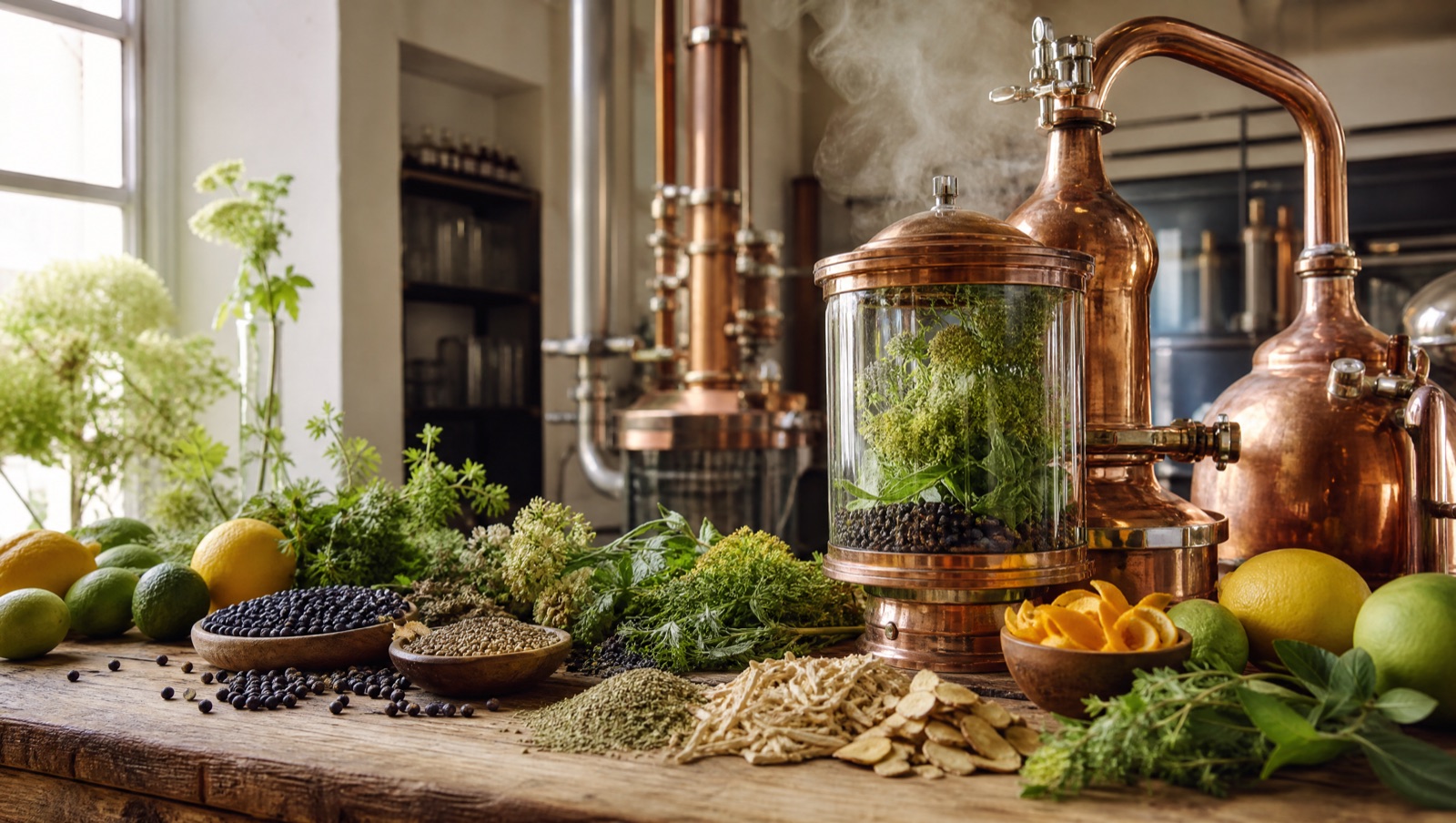
Dripping Springs Distilling
Small-batch vodka and gin in Dripping Springs

About gin distilleries in Texas
Gin has become one of the most expressive corners of the Texas craft scene, and it suits the state's independent streak. Where a classic London dry leans hard on juniper, Texas distillers tend to build around grain they can stand behind and botanicals that echo the local landscape, from Hill Country lavender and herbs to grapefruit, citrus peel and warm baking spice. The result is a category that ranges from juniper-forward traditional styles to looser, more aromatic contemporary gins. In Fort Worth, Blackland Distillery works from a Texas grain base and a generous spread of botanicals, while around the Hill Country, Dripping Springs Distilling has long built floral, layered gins alongside its other spirits. You'll also find gin made on multi-spirit sites such as Elk Store Winery & Distillery, Maverick Whiskey in San Antonio, and William Price Distilling Company, where gin sits beside whiskey, rum and more. For visitors, that variety is the appeal: a short tour and tasting tells you a lot about how a distiller thinks, and Texas gin makers are rarely shy about their point of view.
What makes Gin here special
The Texas signature is a grain-forward base spirit paired with botanicals that nod to the surrounding country. Many distillers source local wheat or corn rather than buying neutral spirit, so the gin carries a faint texture and sweetness beneath the juniper. Botanical bills often pull in regional and warm-climate flavours, lavender, citrus peel, herbs and gentle spice, giving these gins a sunnier, more aromatic character than a strict London dry. Blackland Distillery in Fort Worth is a good example of the grain-led approach, layering a dozen botanicals over a Texas spirit. Others, like Dripping Springs Distilling, run both a juniper-led traditional style and a softer, more floral expression, so you can taste two philosophies side by side. Because so many of these are multi-product sites, gin frequently shares a roof with whiskey, vodka and rum, and tasting flights reflect that range.
What to expect from a Gin tasting
Most Texas distillery visits pair a short walk through the still house with a seated tasting. With gin specifically, expect to talk about the base spirit first, then the botanical bill, since both shape the glass. Tasting rooms commonly pour a flight that sets a traditional juniper-forward gin against a contemporary, citrus- or herb-led one, sometimes alongside a barrel-rested version. At sites such as Maverick Whiskey, Elk Store Winery & Distillery and William Price Distilling Company, gin is usually one stop on a broader flight, so you can compare it with the house whiskey or rum. Many tasting rooms double as cocktail bars, which is the best way to see how a gin behaves in a Tom Collins or a Negroni rather than neat. Check days and hours before you go, as smaller distilleries often open Thursday to Sunday.
Best for and planning your visit
Gin in Texas is best for travellers who want range in a single afternoon: a typical multi-spirit distillery lets you taste gin, whiskey and rum without driving across the state. Pairs and small groups do well here, and cocktail-focused tasting rooms make it an easy evening out. Fort Worth and San Antonio give you walkable, city-centre options like Blackland and Maverick, while the Hill Country around Dripping Springs rewards a slower drive between stops. Build your day around two or three distilleries at most, leave time for food, and always arrange a designated driver or rideshare, distances between rural distilleries can be long. If you want to buy bottles to take home, confirm the tasting room sells retail, as not every site does.
Frequently asked
- What makes Texas gin different from London dry gin?
- Texas gins are typically built on a local grain base rather than bought-in neutral spirit, and botanical bills often feature regional and warm-climate flavours such as lavender, citrus and gentle spice. They range from juniper-forward traditional styles to softer, more aromatic contemporary gins.
- Which Texas distilleries make gin?
- Listed gin producers include Blackland Distillery in Fort Worth, Dripping Springs Distilling, Elk Store Winery & Distillery, Maverick Whiskey in San Antonio and William Price Distilling Company. Many are multi-spirit sites where gin sits alongside whiskey and rum.
- Can I taste gin on a Texas distillery tour?
- Yes. Most distilleries pair a short tour with a seated tasting, and many tasting rooms also operate as cocktail bars. Gin is often poured as part of a wider flight alongside the house whiskey or rum.
- Do these distilleries make more than gin?
- Frequently, yes. Sites such as Elk Store Winery & Distillery, Maverick Whiskey and William Price Distilling Company produce several spirits, so gin is usually one stop on a broader tasting rather than the only thing on offer.
- When are Texas distilleries open for tours?
- Hours vary by site. City-centre distilleries tend to keep longer hours, while smaller rural ones often open Thursday to Sunday. Always check the distillery's own schedule and book ahead for tours where possible.
- Can I buy bottles to take home?
- Many tasting rooms sell bottles for takeaway, but not all do, and rules vary. Confirm retail availability with the distillery before your visit if buying a bottle is part of the plan.
- Are Texas gin distilleries good for a cocktail-focused visit?
- Very much so. A number of tasting rooms double as bars, which is the best way to see how a gin performs in a Negroni or Collins rather than tasting it neat. Always arrange a designated driver or rideshare.