
Gin · United Kingdom
Gin Distilleries in United Kingdom
Tour 5 gin distilleries in United Kingdom. Each offers visits, tastings or experiences you can book directly — including Copeland Distillery, Hinch Distillery, Rademon Estate Distillery (Shortcross).
5distilleries
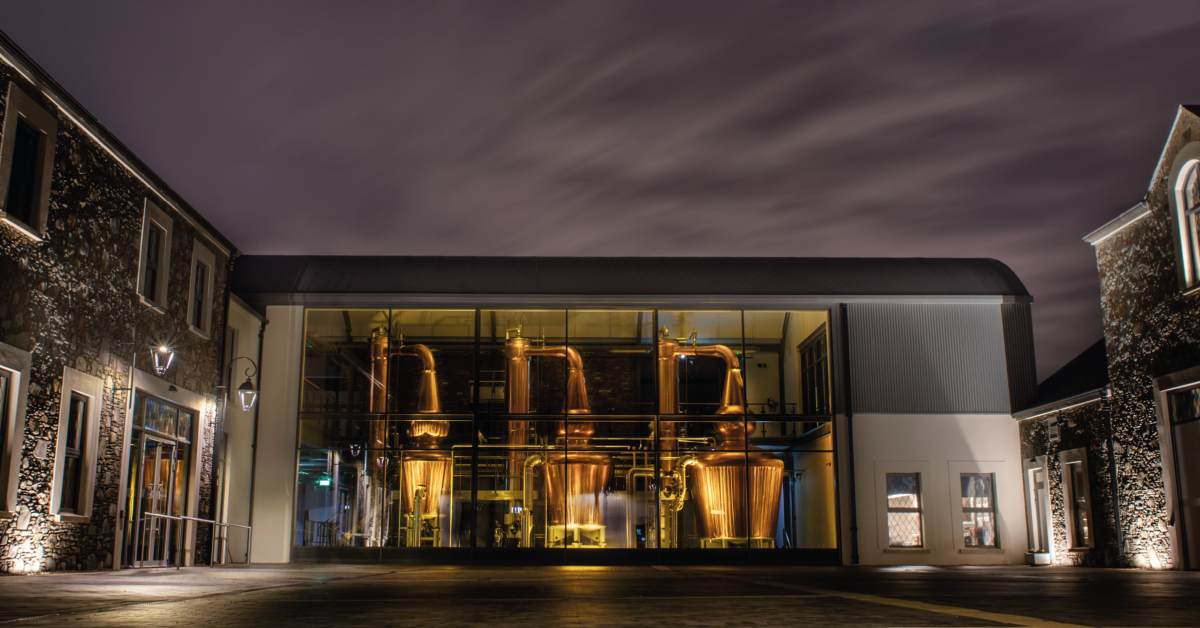
Rademon Estate Distillery (Shortcross)
Shortcross gin and whiskey on a historic estate

About gin distilleries in United Kingdom
Gin has been one of the quiet success stories of Northern Ireland's drinks renaissance, and several of the same distilleries that put Irish whiskey back on the map cut their teeth on gin first. Within the United Kingdom, this corner of County Down, County Antrim and County Fermanagh has developed a distinctive, place-driven style: gins built around foraged and homegrown botanicals, coastal influences from Strangford Lough and Lough Erne, and a strong sense of terroir. Rademon Estate's Shortcross is widely regarded as Northern Ireland's pioneering craft gin, distilled on a country estate from botanicals drawn out of its own gardens and woodland. Around it sits a cluster of producers who have made gin central to their visitor experience: Echlinville, with its single-estate pot still gin; Hinch near Ballynahinch; Copeland on the Donaghadee coast; and Boatyard on the shores of Lough Erne. This guide looks at how these gins are made, where you can taste them, what a tour involves and how to plan a visit around them.
Gin: styles & how it's made
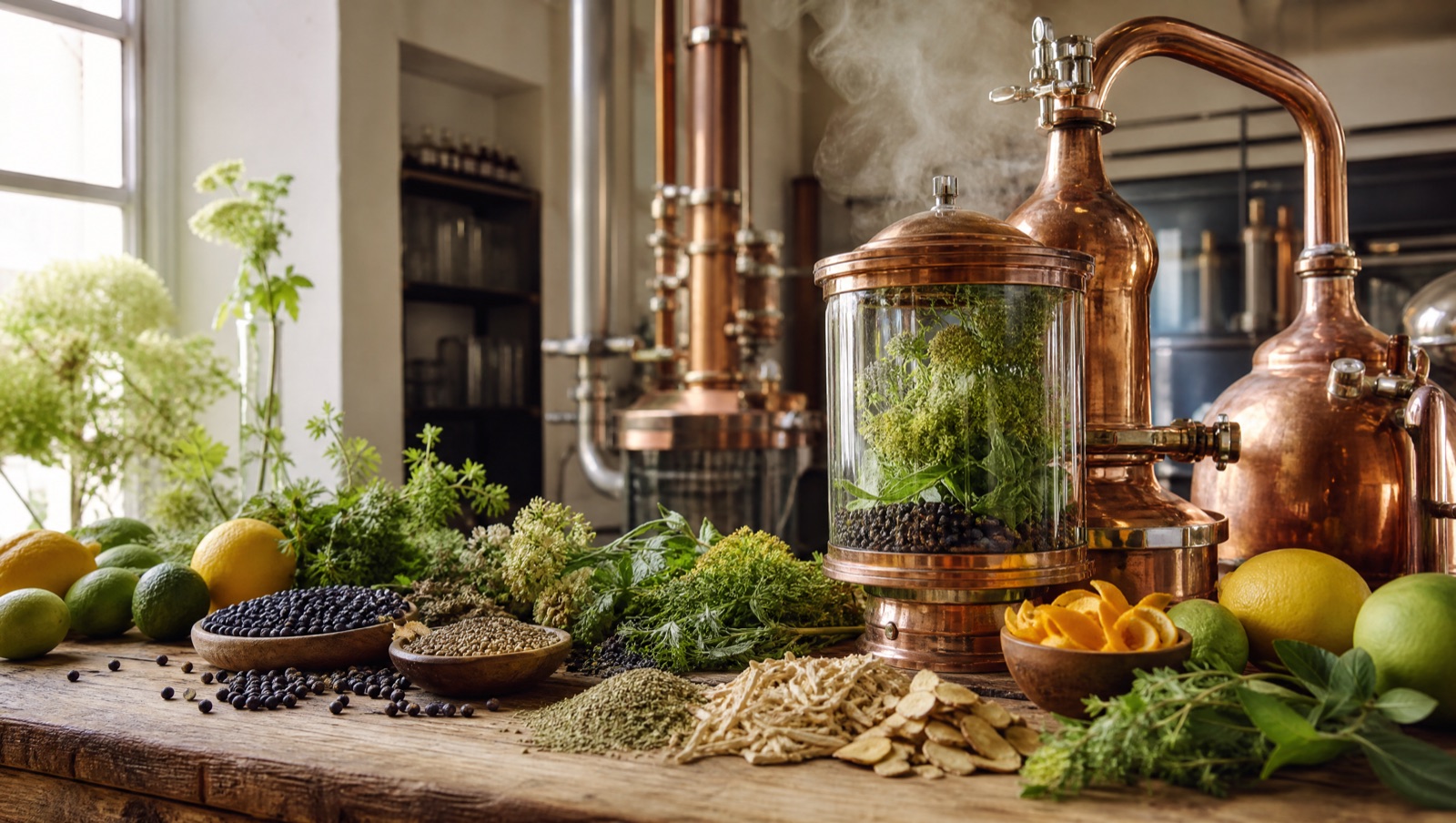
Northern Irish gin tends to be defined less by a single house style than by a shared commitment to local, often foraged ingredients layered over the classic juniper backbone. Shortcross, distilled at Rademon Estate, draws on wild clover, elderflower, elderberries and apple gathered from the estate's gardens, forests and surrounding fields, giving a floral, fresh character. Echlinville takes the terroir idea further still with a single-estate pot still gin that combines its own floor-malted barley spirit with whin (gorse) petals and Strangford Lough seaweed, conjuring flavours of both land and sea. Boatyard, on Lough Erne, uses an organic and sustainable approach and reaches for sweet gale, a fragrant native bog shrub, as a signature botanical. Most producers macerate their botanicals in neutral or grain spirit and redistil in copper pot stills, sometimes using a vapour basket for delicate aromatics. The result is a regional family of gins that taste recognisably of the Northern Irish countryside, coast and lough.
Where to taste gin in the United Kingdom
The natural home of a Northern Irish gin tour is County Down, where several of the country's best-known distilleries cluster. Rademon Estate, the home of Shortcross, runs gin discovery and tasting experiences across its parkland setting near Crossgar, and it is the obvious starting point given its pioneering status. Nearby, Echlinville near Kircubbin pairs its gin with whiskey and poitin on tours that take in its rare working floor maltings and visitor centre. Hinch, set in countryside near Ballynahinch, and Copeland, on the seafront at Donaghadee, both make gin a focus of their visits and lend themselves to a coastal day out. Further west, in County Fermanagh, Boatyard offers tours overlooking Lough Erne with a strong sustainability and organic story. Several of these distilleries now feature on Northern Ireland's spirits trail, which makes it easy to combine two or three in a single trip, often alongside their whiskeys.
What to expect on a tour
A gin-focused visit in Northern Ireland is usually relaxed, sensory and centred on botanicals. Expect to handle and smell raw ingredients, hear how foraging and homegrown produce shape each recipe, and see the copper pot stills in which the gin is distilled. Because many of these are working whiskey distilleries too, tours frequently cover both spirits, giving useful context on how the same kit and craft are applied differently. Tastings are the highlight: you might compare a classic dry gin against more experimental seasonal or barrel-aged expressions, and many sites finish with a perfectly built gin and tonic garnished to flatter the house botanicals. Some distilleries, such as Rademon Estate, run dedicated gin experiences rather than bundling gin into a whiskey tour, so it is worth checking which format suits you. Group sizes are often small, the guides knowledgeable, and the settings, whether estate, coast or lough, are a genuine part of the appeal.
Frequently asked
- Which is Northern Ireland's pioneering craft gin?
- Shortcross, distilled at Rademon Estate in County Down, is widely credited as the first craft gin distilled in Northern Ireland. Its botanicals are largely foraged and grown on the estate itself, giving it a strong sense of place.
- What makes Northern Irish gin distinctive?
- A shared focus on local, foraged and homegrown botanicals layered over juniper. Recipes draw on ingredients like wild clover and elderflower at Shortcross, gorse petals and Strangford Lough seaweed at Echlinville, and native sweet gale at Boatyard, giving the gins a recognisable countryside-and-coast character.
- Can I taste gin and whiskey on the same tour?
- Often, yes. Many Northern Irish distilleries, including Echlinville, Hinch, Copeland and Boatyard, make both, and their tours regularly cover gin and whiskey together. Rademon Estate also runs dedicated gin experiences if that is your main interest.
- Where are most of the gin distilleries located?
- The largest cluster is in County Down, around Strangford Lough and the surrounding countryside, including Rademon Estate, Echlinville, Hinch and Copeland. Boatyard sits further west in County Fermanagh on the shores of Lough Erne.
- Do gin tours include a tasting?
- Almost always. Most visits finish with guided tastings and frequently a properly garnished gin and tonic built to suit the distillery's signature botanicals. You may also get to compare classic and more experimental or seasonal expressions.
- Are these gins made sustainably?
- Several producers emphasise it. Boatyard, for example, takes a deliberately organic and sustainable approach to its spirits, and the wider reliance on foraged and homegrown botanicals reflects a strong connection to the local landscape.
- Do I need to book a gin tour in advance?
- It is strongly advised, particularly for dedicated gin experiences and at busier times. Smaller distilleries may run sessions only on certain days or by appointment, so check availability before you travel.