
Gin · Vermont
Gin Distilleries in Vermont
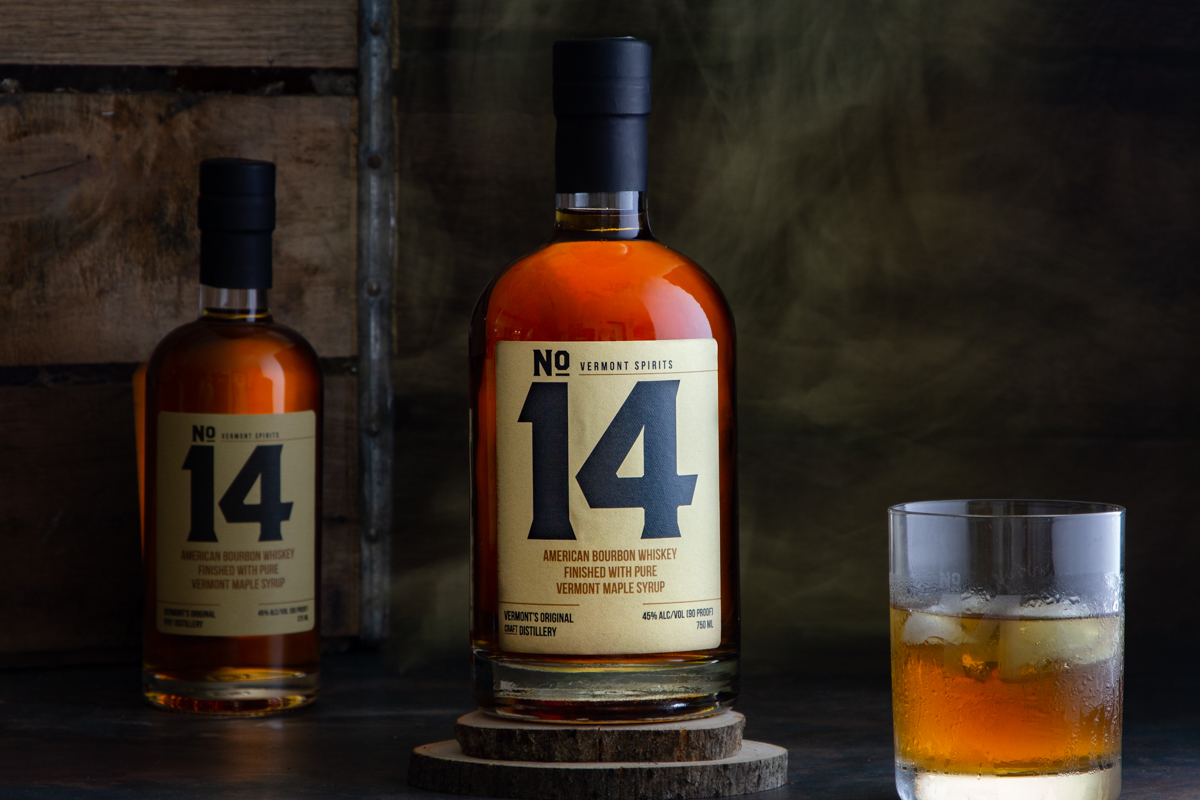
Tour 6 gin distilleries in Vermont. Each offers visits, tastings or experiences you can book directly — including Stonecutter Spirits, Vermont Spirits Distilling Co., Appalachian Gap Distillery.
6distilleries


About gin distilleries in Vermont
Few American states have staked a claim on gin quite like Vermont, and the reason comes down to one unlikely ingredient: raw honey. Caledonia Spirits, the Montpelier distillery behind the Barr Hill label, grew out of beekeeper Todd Hardie's conviction that honey belonged in the bottle as well as the hive, and the result became the best-selling spirit the state produces. That single idea reframed what a Vermont gin could be, encouraging neighbouring producers to lean into the local landscape rather than imitate London Dry conventions. Today a visitor moving between Appalachian Gap Distillery, Smugglers' Notch Distillery, Stonecutter Spirits, Split Spirits and Vermont Spirits Distilling Co. encounters gins that range from classically juniper-forward to softly floral, many threaded with regional botanicals and that telltale spoonful of honey added before bottling. Tasting rooms here tend to be small, hands-on and tied closely to the farms and apiaries supplying them. This guide looks at what sets Vermont gin apart, how a tasting tends to unfold and how to plan a visit around the state's compact but well-distributed gin makers.
What makes Gin here special
The defining flourish is honey. At Caledonia Spirits, raw Vermont honey is stirred into Barr Hill Gin just before bottling, carrying with it the aromatic fingerprint of whatever the bees foraged that season, a complexity estimated to involve more than a hundred different pollen and plant particles. That soft, floral sweetness sits over a juniper backbone rather than masking it, and it has become a regional signature other distillers nod to in their own way. Beyond honey, Vermont's gin makers draw on a genuinely local sense of place. Appalachian Gap Distillery in Middlebury approaches its botanicals with an experimental, ingredient-led mindset, while Stonecutter Spirits has built a reputation on barrel ageing and unhurried craft. Smugglers' Notch Distillery near Jeffersonville and Vermont Spirits Distilling Co. round out a scene that prizes small batches, regional water and a willingness to let the surrounding farmland shape the glass. The common thread is restraint and sourcing rather than novelty for its own sake.
What to expect from a Gin tasting
Vermont tasting rooms are intimate, and you are often poured by someone who had a direct hand in production. Expect to start with a neat or chilled sip to read the juniper and botanical structure, before moving to a simple serve such as a gin and tonic or a house cocktail that shows the spirit at work. At honey-forward producers like Caledonia Spirits, staff will frequently walk you through how the raw honey is added and why it changes the texture and aroma rather than just the sweetness. Many distilleries pour several expressions side by side, so you can taste a clean contemporary gin against a barrel-rested or Old Tom style. Flights are the norm, glassware is unfussy and conversation about provenance is part of the experience. If a distillery makes other spirits, you will usually be offered a broader flight that places the gin in context alongside vodka, whiskey or maple-based bottlings.
Planning your visit
Vermont's gin distilleries are spread across the state rather than clustered in one town, so a little route planning pays off. Caledonia Spirits sits in Montpelier, handy to central Vermont touring, while Appalachian Gap and Stonecutter Spirits are reachable around the Middlebury area, and Smugglers' Notch lies up toward the northern mountains near Jeffersonville. Many tasting rooms keep limited hours and lean toward weekends, so check current opening times before setting out, and confirm whether tours need booking. A car is essential given the rural distances, which makes nominating a designated driver important; flights are generous and pours add up quickly. Autumn brings spectacular foliage and the busiest visitor season, while late September is also when Caledonia Spirits traditionally runs its pollinator-focused Bee's Knees Week. Pair tasting stops with local farm shops, cheesemakers and breweries to make a full day of it.
Frequently asked
- What makes Vermont gin different from other American gin?
- The clearest distinction is the use of raw local honey. Caledonia Spirits pioneered the approach with Barr Hill Gin, adding unfiltered Vermont honey before bottling so the spirit carries floral aromatics drawn from the bees' foraging. The wider scene also leans heavily on local sourcing and small-batch production, giving the gins a strong sense of place.
- Which Vermont distilleries should I visit for gin?
- Caledonia Spirits in Montpelier is the headline name behind Barr Hill. Beyond it, Appalachian Gap Distillery, Stonecutter Spirits, Smugglers' Notch Distillery, Split Spirits and Vermont Spirits Distilling Co. all make gin worth seeking out, each with its own botanical or barrel-ageing angle.
- Do I need to book a tour or tasting in advance?
- It varies by distillery. Some tasting rooms welcome walk-ins, while tours and group visits often need booking. Because several Vermont producers keep limited or weekend-weighted hours, it is always worth confirming current times and reservation requirements before you travel.
- Are Vermont gin tasting rooms spread out?
- Yes. Unlike a single trail town, Vermont's gin makers are distributed across the state, from Montpelier to the Middlebury area to the northern mountains near Jeffersonville. Plan a route in advance and expect rural driving between stops.
- Is Barr Hill Gin only available at the distillery?
- No. Barr Hill is widely distributed and is among the best-selling spirits made in Vermont, but visiting the Caledonia Spirits distillery in Montpelier gives you the chance to taste the range, learn how the honey is incorporated and try expressions you may not find on a shelf.
- When is the best time to visit?
- Autumn is the most popular season thanks to Vermont's foliage, though it is also the busiest. Late September coincides with Caledonia Spirits' annual pollinator fundraising week. Outside foliage season you will find quieter tasting rooms and easier parking.