
Gin · Western Cape
Gin Distilleries in Western Cape
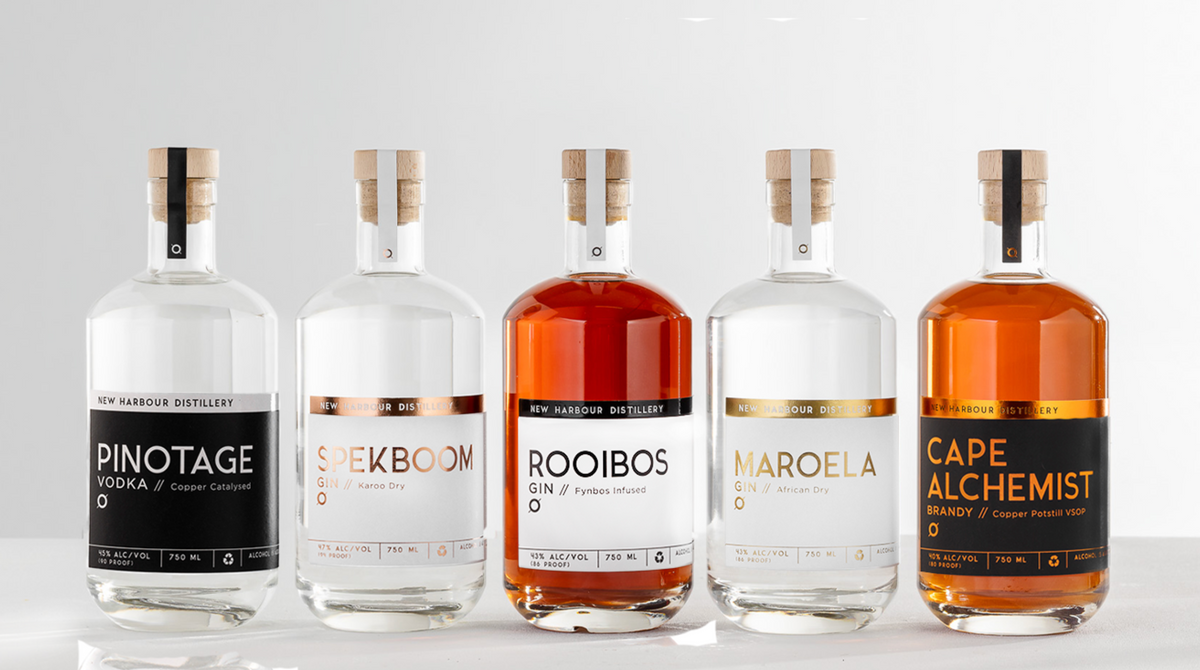
Tour 4 gin distilleries in Western Cape. Each offers visits, tastings or experiences you can book directly — including Deep South Distillery, Hout Bay Distillery, New Harbour Distillery.
4distilleries
About gin distilleries in Western Cape
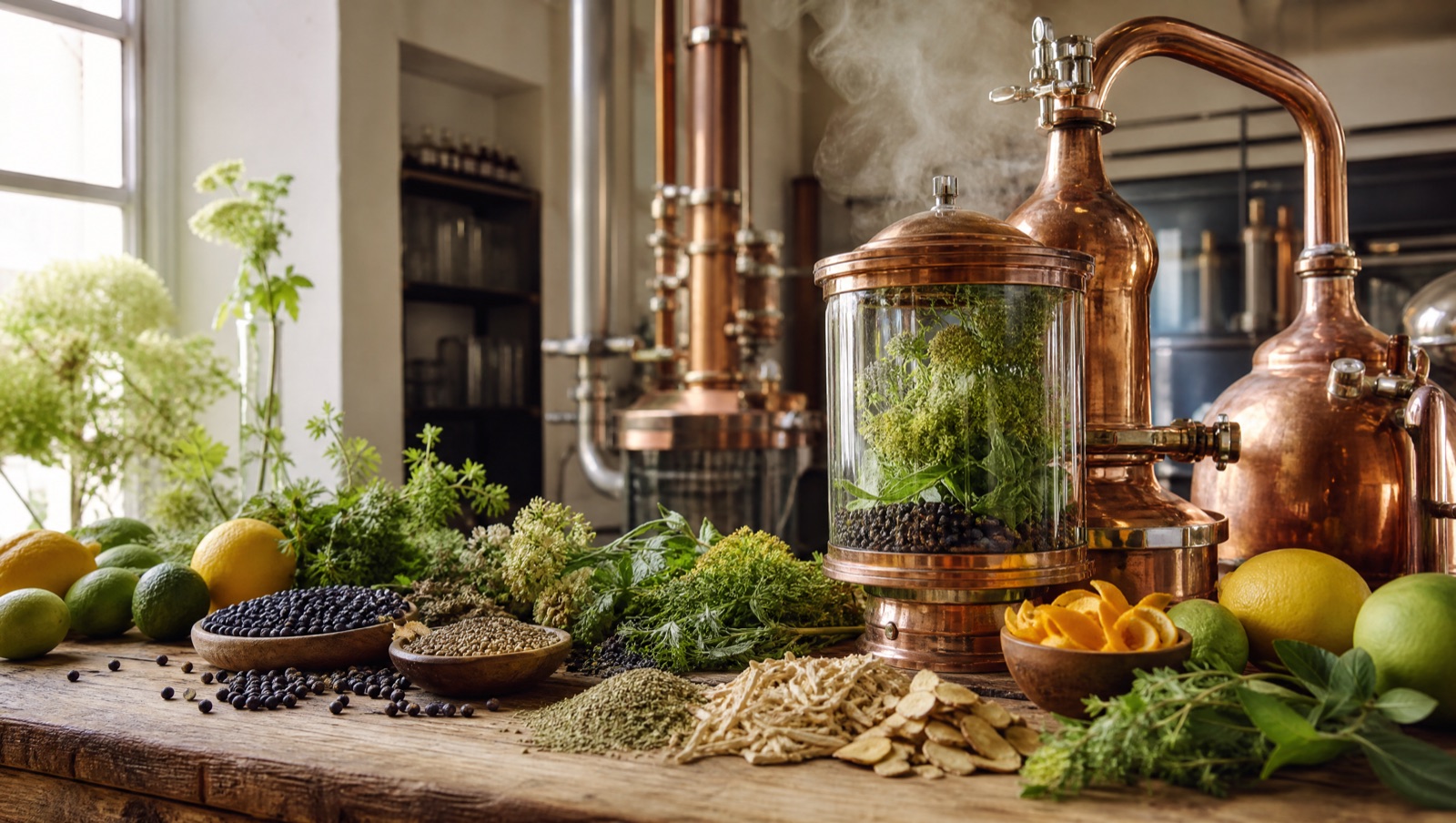
The Western Cape is one of the most distinctive places in the world to taste gin, and the reason lies underfoot. The region sits within the Cape Floral Kingdom, the smallest and richest of the planet's six floral biomes, home to thousands of fynbos plant species found almost nowhere else. Craft distillers here have turned that botanical wealth into a defining local gin style, swapping or supplementing classic European botanicals with indigenous fynbos to create spirits that taste unmistakably South African. Pioneers such as Inverroche built their reputation on hand-picking a small selection from the region's vast fynbos palette, while Cape Town and coastal producers including Deep South Distillery, Hout Bay Distillery and New Harbour Distillery have added their own takes on small-batch, botanically driven gin. The result is a gin scene that pairs the technical craft of distilling with a genuine sense of place and a strong conservation ethos, since many producers harvest fynbos respectfully and reinvest in the biome. For visitors, a Western Cape gin tour means tastings rich in floral, herbal and earthy notes, often set against vineyards, coastline or mountain backdrops, making it one of the most scenic gin trails you can follow.
What makes gin here special
What sets Western Cape gin apart is fynbos, the indigenous shrubland vegetation of the Cape Floral Kingdom. With many thousands of species concentrated in this small region, distillers have an extraordinary natural larder to draw on, and the best-known producers lean into it heavily. Inverroche, widely credited as a pioneer of South African craft gin, hand-picks fynbos from the Western Cape and uses a vapour-infusion approach to coax aromatic oils from the botanicals, producing distinct expressions that range from crisp and citrusy to floral and earthy. Beyond the headline botanicals, the region's gin identity is shaped by a strong small-batch ethos and, increasingly, a conservation mindset, with harvesting done carefully and some producers cultivating their own plants. Coastal distillers around Cape Town such as Deep South, Hout Bay and New Harbour add maritime and contemporary influences. Together they make a gin category that feels rooted in a specific, fragile and globally rare landscape rather than borrowed from elsewhere.
What to expect from a gin tasting
A Western Cape gin tasting usually puts botanicals front and centre. Expect guides to talk you through the indigenous fynbos and other ingredients in each bottle, often letting you nose raw botanicals before sampling the gins themselves. Many producers offer a flight across their range so you can compare lighter, citrus-led styles with more floral or earthy expressions, and serves are frequently presented with suggested garnishes and tonics to show how the gin opens up. At distilleries with a strong educational bent, sessions may explain the distilling method, including vapour infusion through botanical baskets, and the story of how the spirit connects to the surrounding landscape. Tastings tend to be relaxed and conversational, and several distilleries combine them with food, gardens or coastal views to make a half-day outing.
Planning your visit
The Western Cape gin scene splits broadly between Cape Town and its coastal suburbs, where producers like Hout Bay, Deep South and New Harbour are within reach of the city, and producers further along the coast and inland. Cape Town makes an easy base for combining several gin tastings with wine country and seaside, while reaching pioneers based further east, such as Inverroche in the Stilbaai area, involves a longer drive that suits a road-trip itinerary. Book tastings ahead, particularly in the busy summer season, and consider arranging transport or a driver if you plan to sample across multiple distilleries. Many sites pair well with surrounding attractions, so it is worth building tastings into a wider day rather than rushing between them.
Frequently asked
- What makes Western Cape gin different from other gins?
- The defining feature is fynbos, the indigenous vegetation of the Cape Floral Kingdom, the world's smallest and richest floral biome. Distillers use these rare local botanicals to create gins with distinctive floral, herbal and earthy character that taste unmistakably of the region.
- Which distilleries pioneered South African craft gin?
- Inverroche is widely recognised as a pioneer of South African craft gin, building its identity on hand-picked fynbos botanicals. Cape Town and coastal producers including Deep South Distillery, Hout Bay Distillery and New Harbour Distillery have since added their own small-batch styles.
- Can I visit Western Cape gin distilleries near Cape Town?
- Yes. Several producers, such as Hout Bay, Deep South and New Harbour, are within reach of Cape Town and its coastal suburbs, making it easy to combine gin tastings with the city, wine country and the coastline.
- What happens on a gin tasting in the Western Cape?
- Tastings typically guide you through the botanicals in each gin, often letting you smell raw fynbos before sampling a flight of expressions with suggested tonics and garnishes. Many sessions also explain the distilling method and the gin's connection to the local landscape.
- Is Western Cape gin tied to conservation?
- Increasingly, yes. Because fynbos comes from a rare and fragile biome, several producers harvest carefully, cultivate their own plants and reinvest in the landscape, so the gins carry a conservation story alongside their flavour.
- Do I need to book gin tastings in advance?
- Booking ahead is recommended, especially during the busy summer months. Many distilleries run scheduled tasting sessions with limited capacity, so reserving secures your spot and any food or tour add-ons.
- How do I get between gin distilleries?
- Around Cape Town, distilleries are relatively close together, but reaching producers further along the coast involves longer drives. If you plan to taste at several sites, arranging a driver or organised transport is the safest way to enjoy the gins responsibly.