
Gin · Denmark
Gin Distilleries in Denmark
Tour 6 gin distilleries in Denmark. Each offers visits, tastings or experiences you can book directly — including Trolden Distillery, Copenhagen Distillery, Nyborg Distillery.
6distilleries
About gin distilleries in Denmark
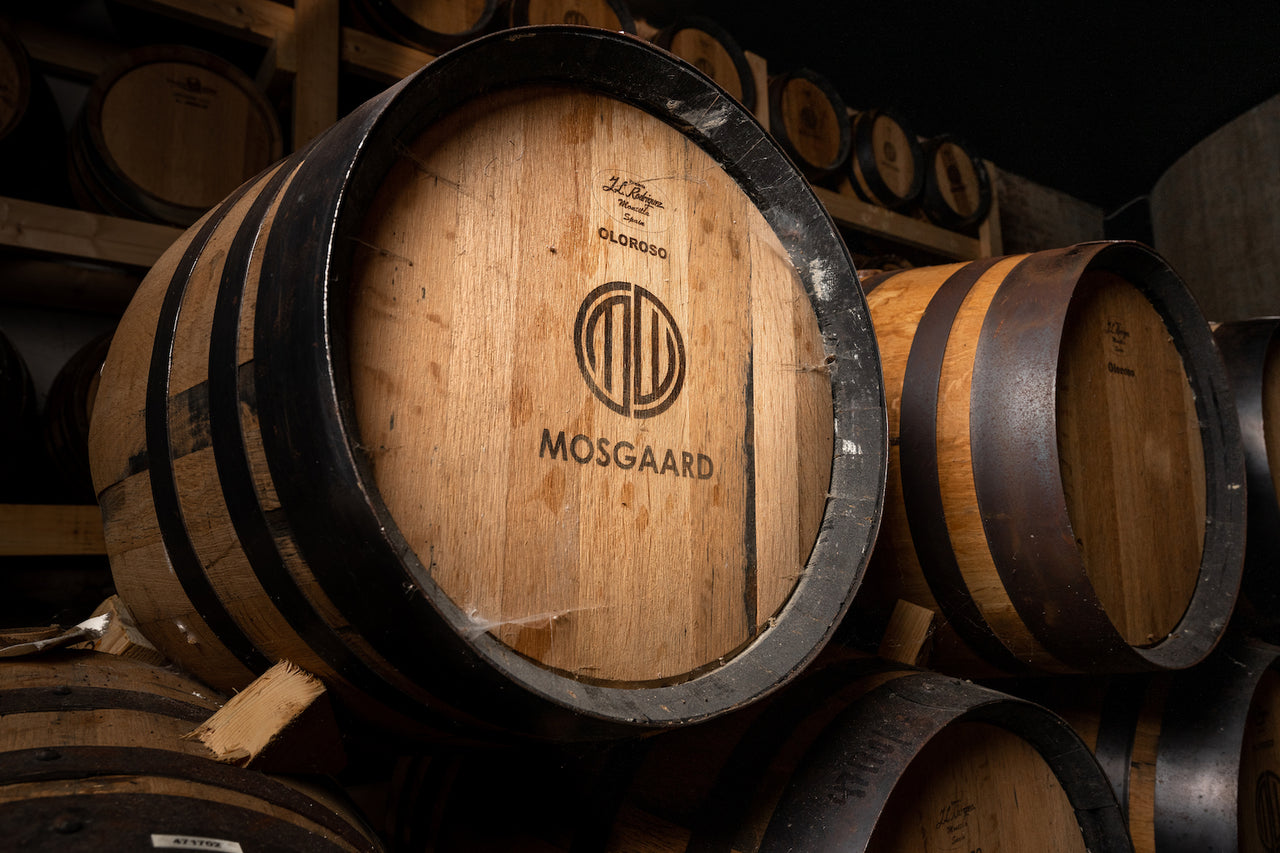
Gin has become one of the most expressive corners of Denmark's young craft-spirits scene, and a natural companion to its fast-rising whisky culture. Many of the country's whisky distilleries make gin too, partly because it can be sold while the casks slumber, but the results are far more than a stopgap. Danish gin is shaped by a Nordic sensibility: clean, balanced profiles, an emphasis on organic and local ingredients, and a willingness to weave in foraged and coastal botanicals such as sea buckthorn alongside the classic juniper backbone. Copenhagen Distillery typifies the approach, producing organic Nordic dry gins, including honey-based and barrel-aged expressions, in the heart of the capital. Across the country, producers like Fary Lochan and Mosgaard apply their whisky-making rigour to gin, Spirit of Njord draws on its own distilling identity, and Nyborg Distillery, one of Denmark's largest craft producers, turns out gin alongside whisky and rum. Trolden in Kolding rounds out a scene that prizes provenance and experimentation. For visitors, Danish gin offers an immediate, vivid way into the country's distilling craft: bright, botanical and unmistakably Nordic.
Danish gin: styles & how it's made
Danish gin starts from the same essentials as gin everywhere, a neutral or characterful base spirit redistilled with juniper and other botanicals, but the local twist lies in the ingredients and the philosophy. Organic production is common, as at Copenhagen Distillery, which makes Nordic dry gins and has explored honey-based spirits and oak-aged gin. Botanicals frequently reach beyond the standard repertoire to include Nordic and coastal plants such as sea buckthorn, lending tart, citrusy notes that suit the cool climate. Because so many gin makers are also whisky and rum distillers, including Fary Lochan, Mosgaard and Nyborg, there's a strong technical foundation, with careful attention to fermentation, distillation and, in some cases, cask ageing. Spirit of Njord and Trolden add their own interpretations. The overall style tends toward clean, balanced and contemporary rather than heavily perfumed, reflecting a Nordic preference for restraint and a clear sense of place.
Where to taste gin in Denmark
Copenhagen is the obvious starting point, with Copenhagen Distillery producing organic gin in the city and offering an accessible introduction to the Nordic style. Beyond the capital, the gin trail follows the wider distilling map. On Funen, Mosgaard and the large Nyborg Distillery combine gin with their whisky and other spirits, making them rewarding stops for anyone wanting to taste across categories in one visit. In Jutland, Fary Lochan in the centre of the peninsula and Trolden down in Kolding apply their distilling craft to gin as well as whisky. Spirit of Njord adds another dimension to the scene. Because gin is produced alongside other spirits at most of these sites, a gin-focused visit usually doubles as a broader tasting, and Denmark's compact geography means you can comfortably pair a Copenhagen distillery with a trip out to Funen or Jutland over a weekend.
What to expect on a tour & planning a trip
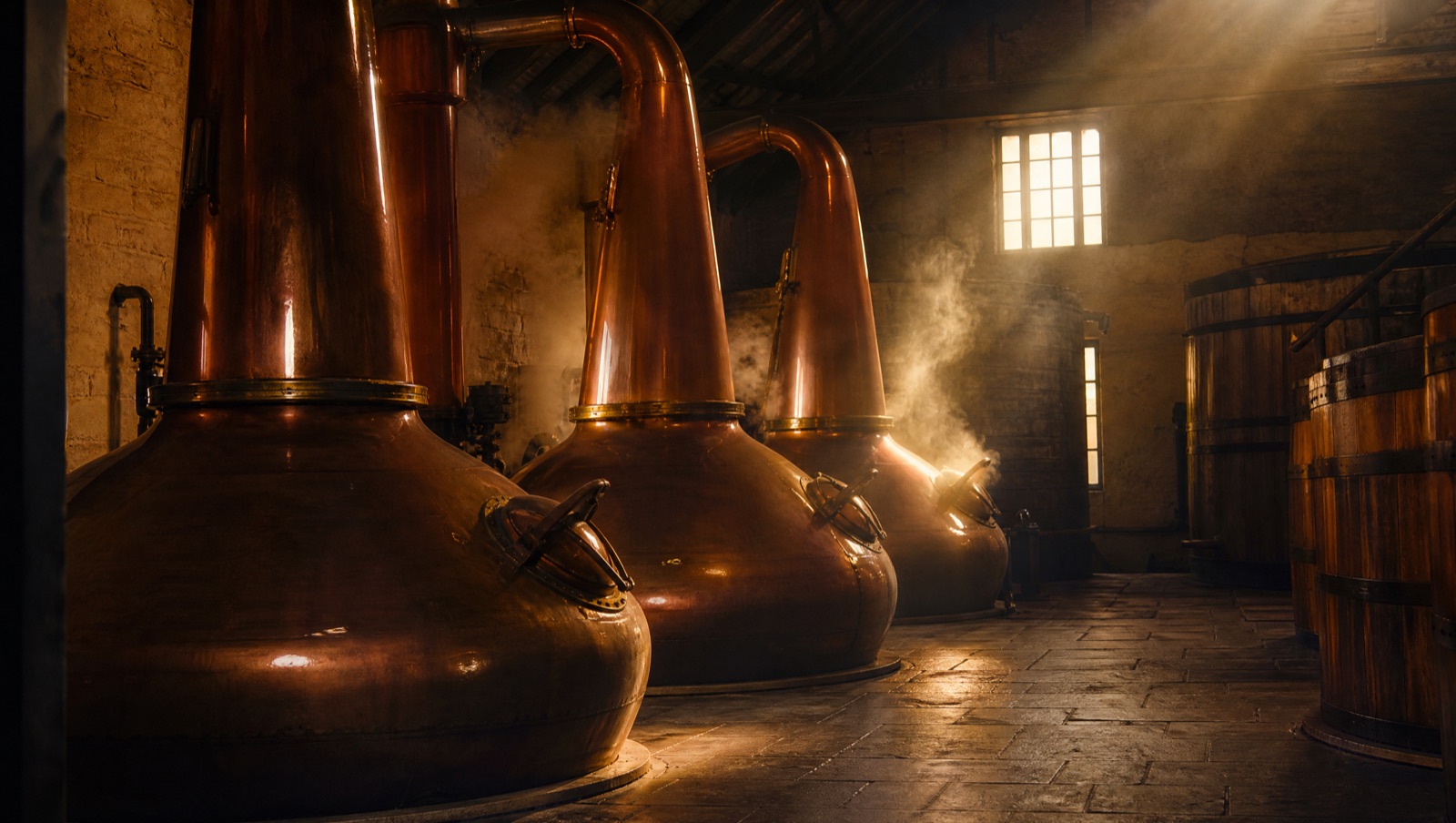
A gin tour in Denmark generally combines a look at the still house with a guided tasting that may cover several gins and often other spirits made on site. At distilleries that double as whisky or rum producers, such as Nyborg, Mosgaard and Fary Lochan, you'll usually see the full production set-up and taste across the range, which makes for a richer visit. Copenhagen Distillery is the easiest to fit into a city break, reachable without a car and well suited to a casual afternoon. For the Funen and Jutland producers, plan around a hire car and check tour schedules in advance, as smaller distilleries often run tastings on set days only. If you're new to Danish gin, ask about the botanicals and any local or foraged ingredients, as the use of plants like sea buckthorn is a big part of what gives these gins their character.
Frequently asked
- What makes Danish gin distinctive?
- Danish gin tends to be clean, balanced and contemporary, with a strong emphasis on organic and local ingredients. Many use Nordic and coastal botanicals such as sea buckthorn alongside juniper, and producers like Copenhagen Distillery have explored honey-based and barrel-aged styles.
- Do whisky distilleries in Denmark also make gin?
- Yes, very often. Producers such as Fary Lochan, Mosgaard and Nyborg make gin alongside their whisky, which means a visit usually lets you taste across several spirit categories in one place.
- Where can I taste gin in Copenhagen?
- Copenhagen Distillery produces organic Nordic dry gin in the city itself, making it the most convenient starting point for anyone wanting to sample Danish gin without leaving the capital.
- What botanicals are used in Danish gin?
- Alongside the essential juniper, Danish gins often feature Nordic and coastal botanicals. Sea buckthorn is a popular choice, adding tart, citrus-like notes, and some producers use honey or oak ageing to shape the final spirit.
- Is Danish gin usually organic?
- Organic production is common in the Danish craft scene. Copenhagen Distillery, for example, is an organic craft distillery, and several other producers prioritise carefully sourced, often local ingredients.
- Can I combine a gin tour with whisky tasting?
- Easily. Because so many Danish distilleries make gin, whisky and sometimes rum together, sites like Nyborg, Mosgaard and Fary Lochan let you taste gin and whisky on the same visit.