
Single Malt · Denmark
Single Malt Distilleries in Denmark
Tour 8 single malt distilleries in Denmark. Each offers visits, tastings or experiences you can book directly — including Copenhagen Distillery, Fary Lochan Distillery, Mosgaard Whisky.
8distilleries

About single malt distilleries in Denmark
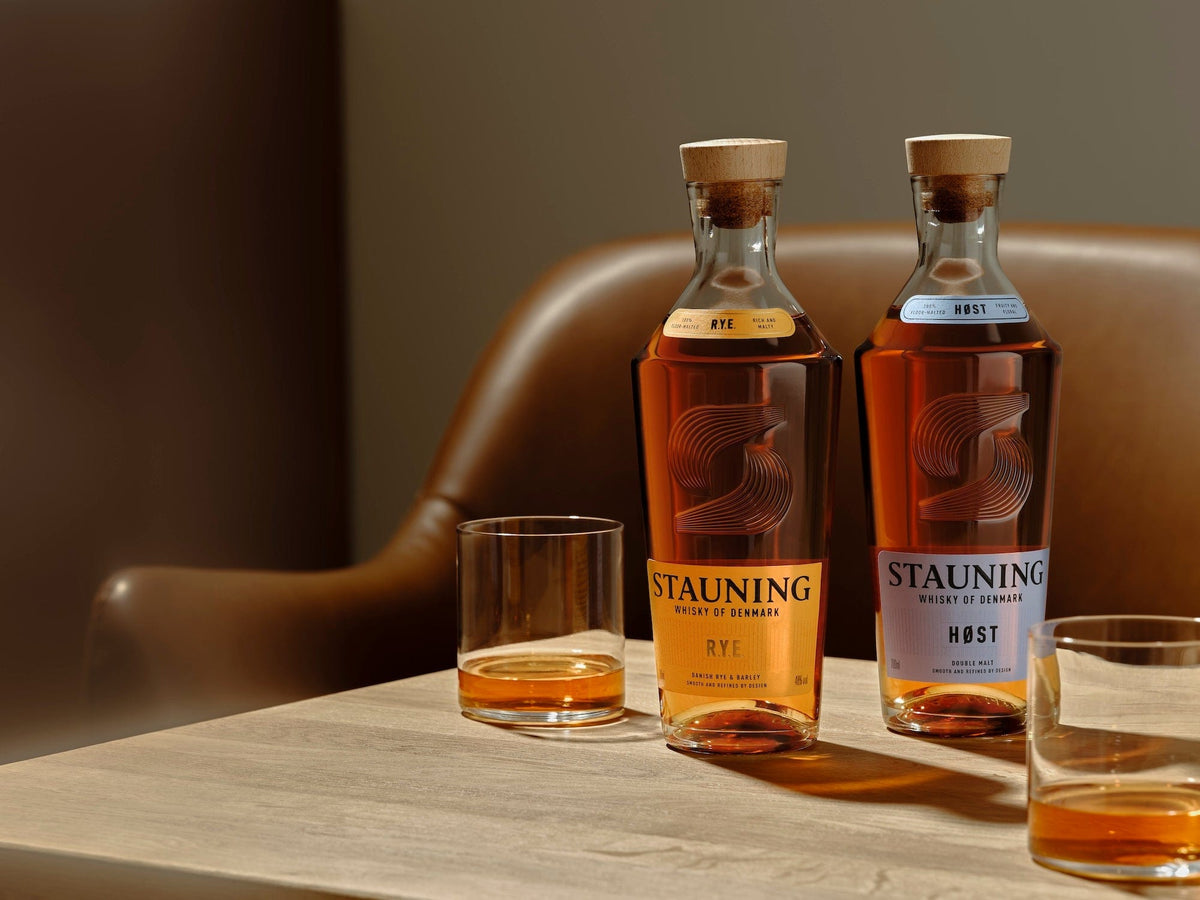
Denmark may be a newcomer to single malt whisky, but it has become one of the most exciting young whisky nations in Europe. The story begins in the mid-2000s, when a small group of pioneers decided the country's barley, climate and brewing heritage could produce something distinctive. Braunstein, a microbrewery and distillery in the port of Køge, released what is widely regarded as the first Danish single malt in 2010, while Stauning, founded by nine friends on the west coast, set out to make grain-to-glass whisky from locally grown barley and rye. From those beginnings a confident scene has emerged, with distilleries dotted across Jutland, Funen and Zealand. Danish single malt tends to emphasise provenance and craft over imitation of Scotland: producers grow or source local grain, experiment with Danish peat and smoke, and let a cool maritime climate shape maturation. The directory's listings trace this landscape, from Stauning and Braunstein to Thy Whisky in the north, Mosgaard and Nyborg on Funen, Fary Lochan in central Jutland, Trolden in Kolding and Copenhagen Distillery in the capital. For visitors, it's a chance to taste a whisky culture still writing its own rules.
Danish single malt: styles & how it's made
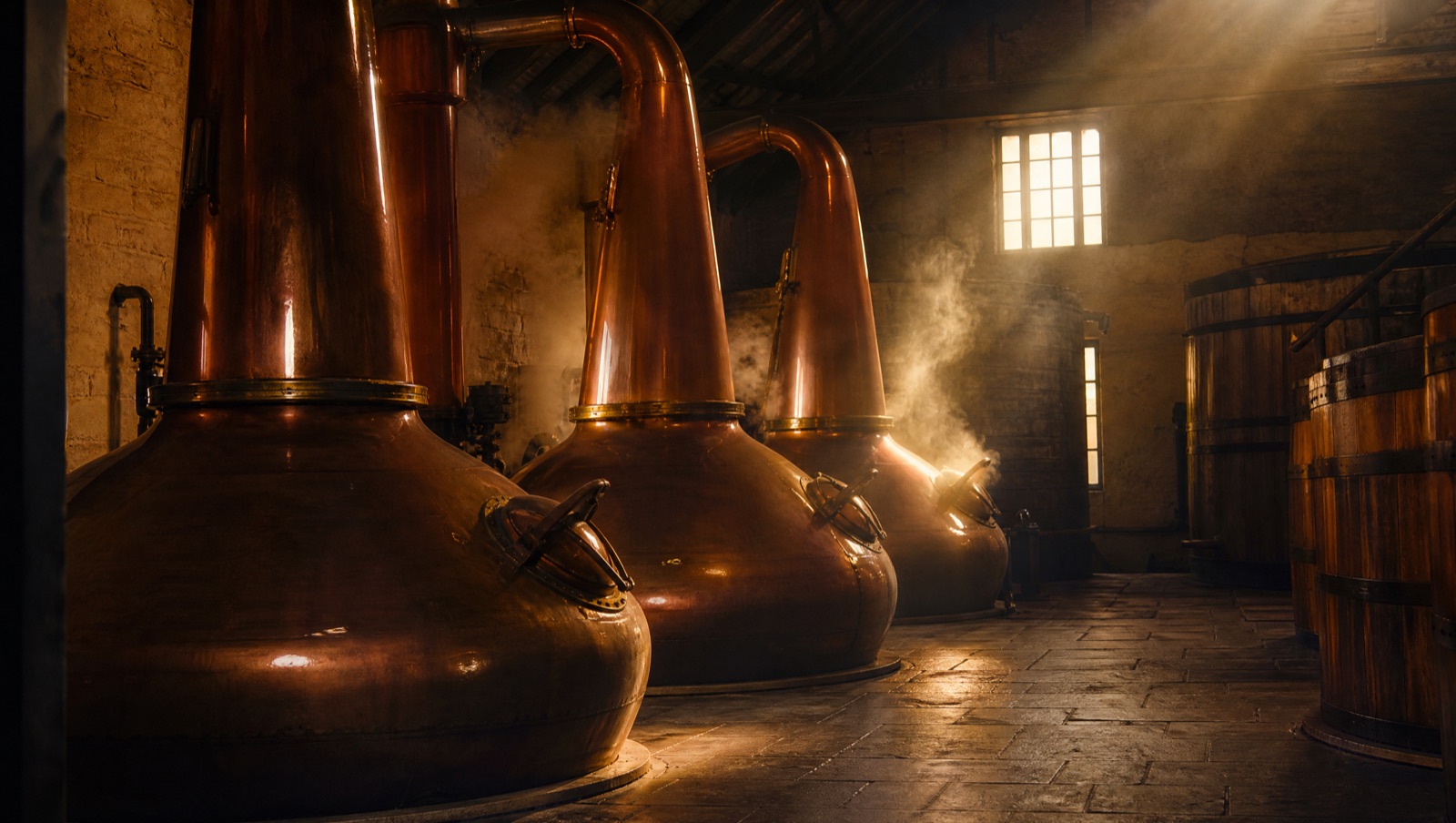
Danish single malt follows the broad single-malt definition, made from 100% malted barley at a single distillery, but the interpretation is distinctly local. Stauning, near the west coast of Jutland, is a grain-to-glass operation that grows and floor-malts its own barley and uses a bank of small, direct-fired stills, while Thy Whisky grows its ingredients on a family farm near Thy National Park, with releases that have drawn international recognition. Braunstein's brewing roots show in its careful approach to fermentation, and several producers experiment with Danish peat and locally sourced smoke rather than imported Scottish peat. The cool, damp climate influences how spirit matures, and distilleries often use a mix of cask types, from ex-bourbon and sherry to local beer and wine barrels. The common thread is provenance: rather than chasing a Scottish blueprint, Danish distillers lean into their own grain, water and seasons to build a recognisably Nordic style.
Where to taste single malt in Denmark
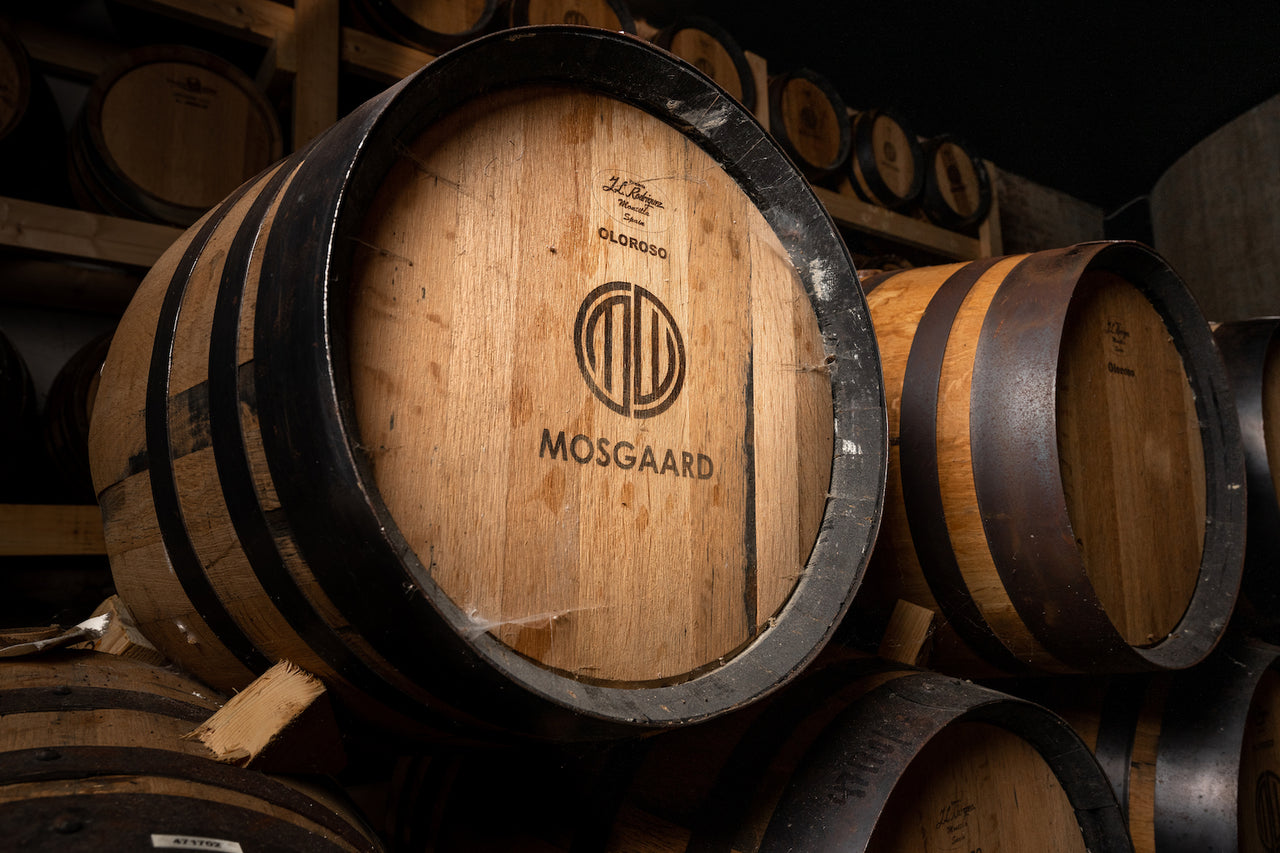
Denmark's whisky distilleries are spread across the country, so a malt-focused trip naturally splits by region. Jutland is the heartland: Stauning sits on the west coast, Thy Whisky lies in the rural north near its national park, and Fary Lochan is in central Jutland, with Trolden down in Kolding. The island of Funen has become a notable cluster, with Mosgaard and Nyborg Distillery, the latter being one of the country's largest craft producers. On Zealand, Braunstein in Køge offers an accessible day trip from the capital, while Copenhagen Distillery brings organic whisky-making into the city itself. Because the country is compact and well connected, it's realistic to combine two or three distilleries in a weekend if you focus on one area, pairing west-coast Jutland producers, the Funen cluster, or the Copenhagen and Køge sites on Zealand.
What to expect on a tour & planning a trip
Visits to Danish whisky distilleries are typically intimate, reflecting the small scale of the producers. Expect a guided walk through malting, mashing, fermentation and the stills, often led by someone closely involved in production, followed by a tasting of new make and matured releases. Many distilleries are working farms or breweries, so the experience can feel hands-on and unpolished in the best sense. To plan a trip, choose a region first: west Jutland for Stauning and the rugged coast, the north for Thy, Funen for Mosgaard and Nyborg, or Zealand for Braunstein and Copenhagen Distillery. A hire car helps for the rural sites, while Braunstein and Copenhagen Distillery are easy to reach by public transport. Book tours ahead, as smaller distilleries run them on limited days, and dress for changeable weather if you're heading to the coast.
Frequently asked
- Is Danish single malt whisky any good?
- Denmark has built a strong reputation in a short time. Producers focus on local grain, careful craft and a Nordic sense of place, and several Danish whiskies have won international acclaim, including award-winning expressions from Thy Whisky.
- When did Denmark start making whisky?
- The modern Danish whisky scene began in the mid-2000s. Braunstein released what is widely regarded as the first Danish single malt in 2010, with Stauning and others establishing themselves in the same period.
- What makes Danish single malt different from Scotch?
- Rather than copying Scotland, Danish distillers emphasise local provenance: home-grown or locally sourced barley, Danish peat and smoke, a cool maritime climate for maturation, and grain-to-glass production at distilleries like Stauning and Thy Whisky.
- Which regions have the most whisky distilleries?
- Jutland is the heartland, home to Stauning, Thy Whisky, Fary Lochan and Trolden. Funen has a growing cluster including Mosgaard and Nyborg, while Braunstein and Copenhagen Distillery sit on Zealand.
- Can I visit Danish whisky distilleries near Copenhagen?
- Yes. Copenhagen Distillery is in the city itself, and Braunstein in Køge makes an easy day trip from the capital by public transport, so you can taste single malt without travelling far.
- Do I need a car to tour Danish distilleries?
- For the rural Jutland and Funen distilleries a hire car is the most practical option, but the Copenhagen and Køge sites on Zealand are reachable by public transport. Concentrating on one region keeps travel manageable.