
Craft Spirits · Germany
Craft Spirits Distilleries in Germany
Tour 11 craft spirits distilleries in Germany. Each offers visits, tastings or experiences you can book directly — including Schlitzer Destillerie, St. Kilian Distillers, BOAR Distillery.
11distilleries
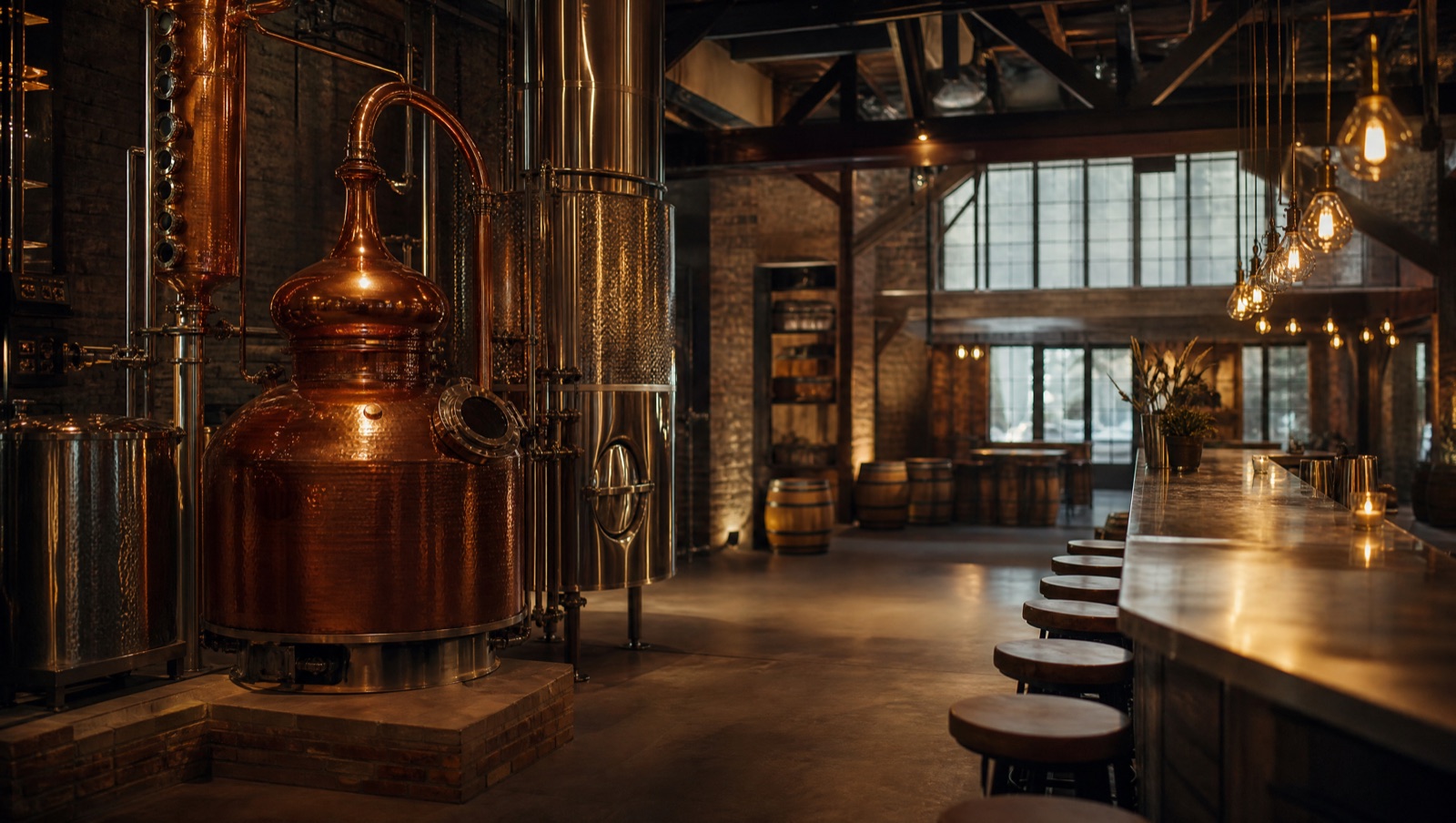
Spreewood Distillers (Stork Club)
Germany's pioneering rye whiskey in Brandenburg

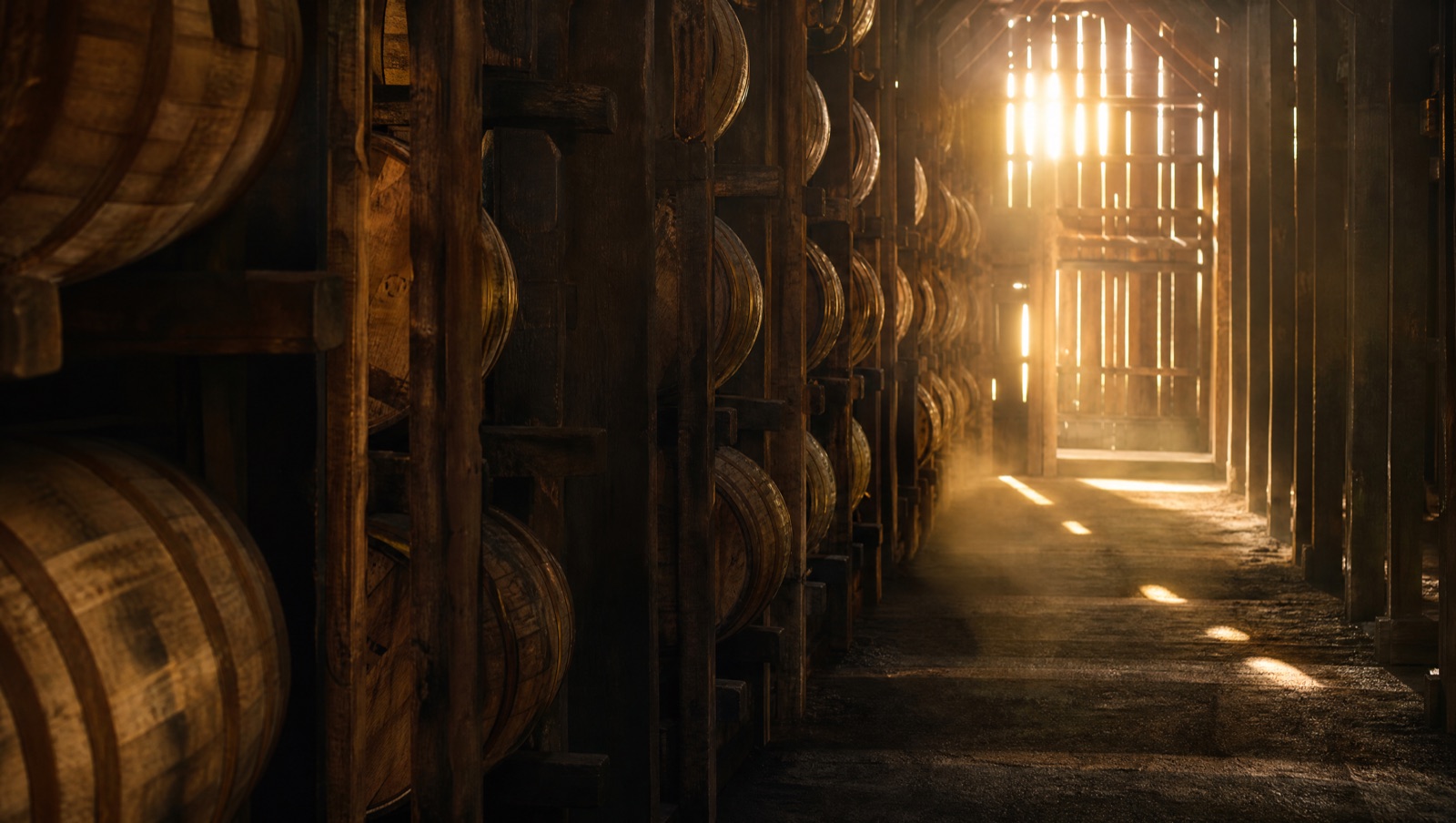
Hercynian Distilling Co. (Elsburn)
Harz mountain single malt in Lower Saxony
About craft spirits distilleries in Germany
Germany's craft spirits culture runs deeper than most travellers expect. Long before the global gin and whisky boom, the country had one of the densest distilling traditions in the world, rooted in the orchards of the south, where thousands of small farm stills turned cherries, plums and pears into crystal-clear Obstbrand and the famous Kirschwasser of the Black Forest. That heritage of patient, fruit-led distilling laid the groundwork for a modern wave of producers who apply the same precision to gin, single malt and rye.
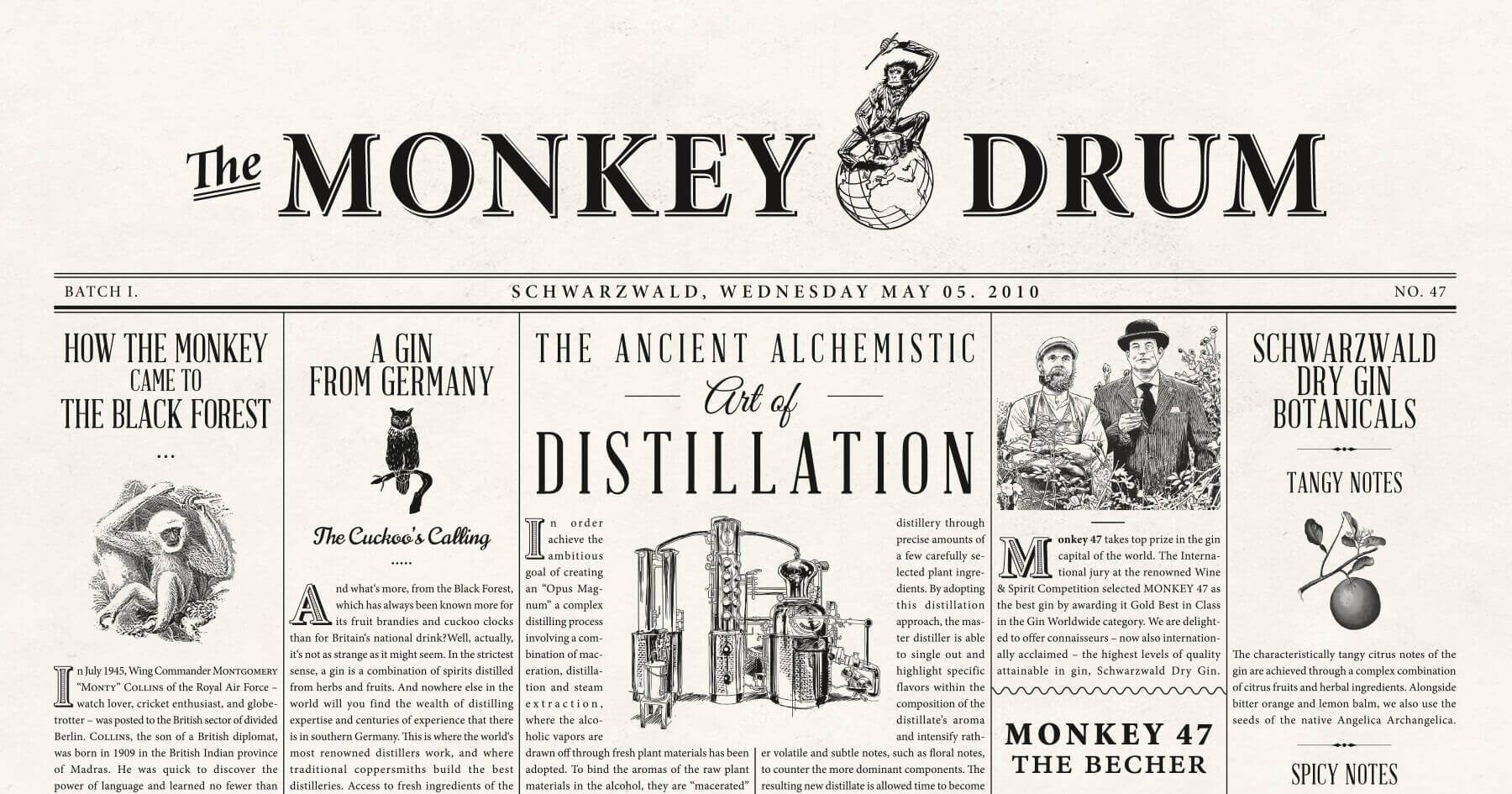
The eleven craft distilleries gathered here span the whole map and the whole spectrum. In the Black Forest you'll find Black Forest Distillers, makers of the celebrated Monkey 47, alongside BOAR Distillery, Brennerei Ziegler and the long-running Birkenhof-Brennerei. Bavaria's lakeside SLYRS Destillerie and Franconia's St. Kilian Distillers lead the country's single-malt scene, while Spreewood Distillers (Stork Club) near Berlin pioneered German rye and Hercynian Distilling Co. (Elsburn) draws whisky lovers to the Harz mountains.
Tours range from polished botanical walk-throughs with gin and tonics in hand to barrel-room tastings of single malt straight from the cask. Expect generous hospitality, scenic settings and a refreshing lack of hard sell.
What to expect on a tour
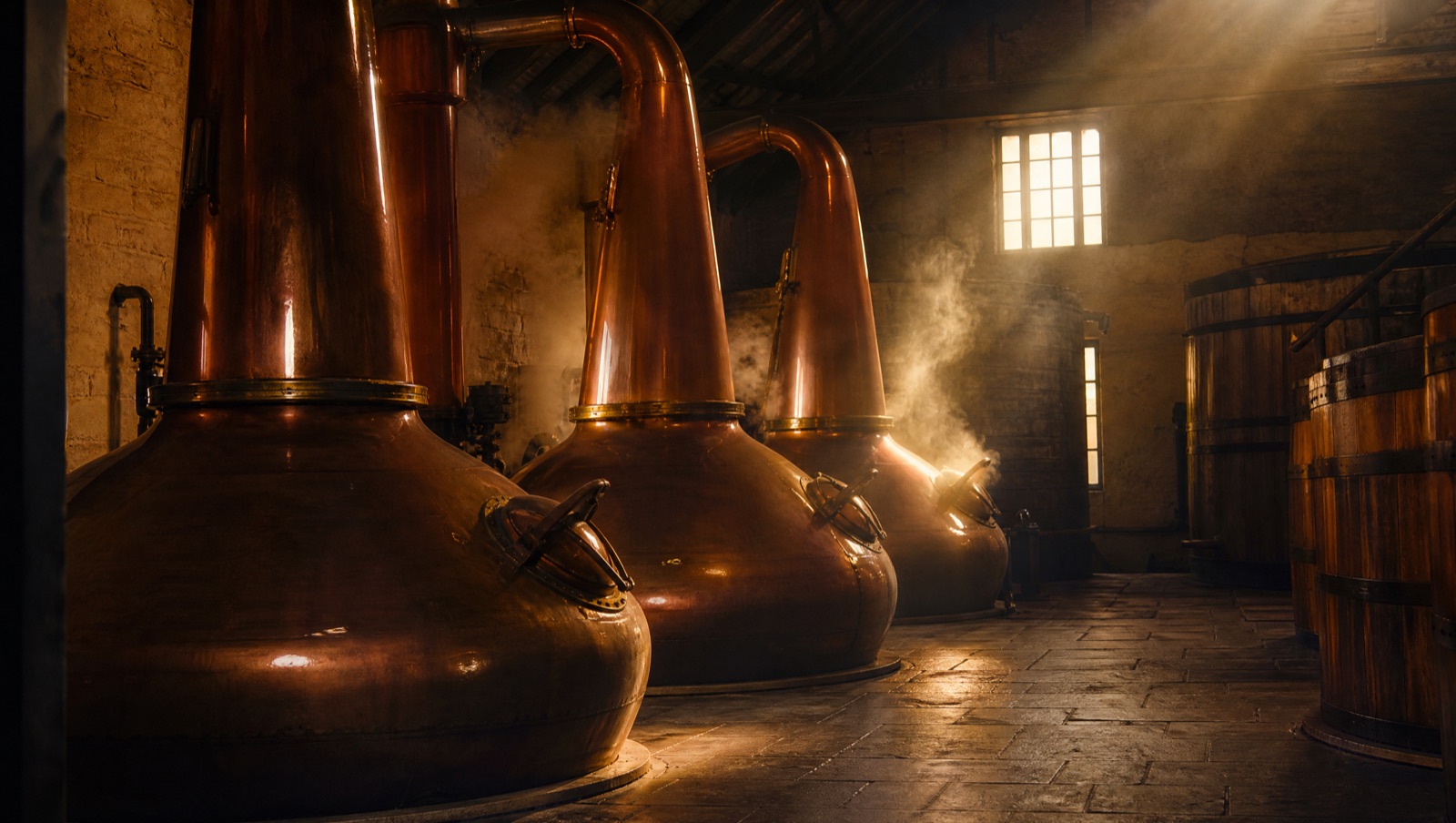
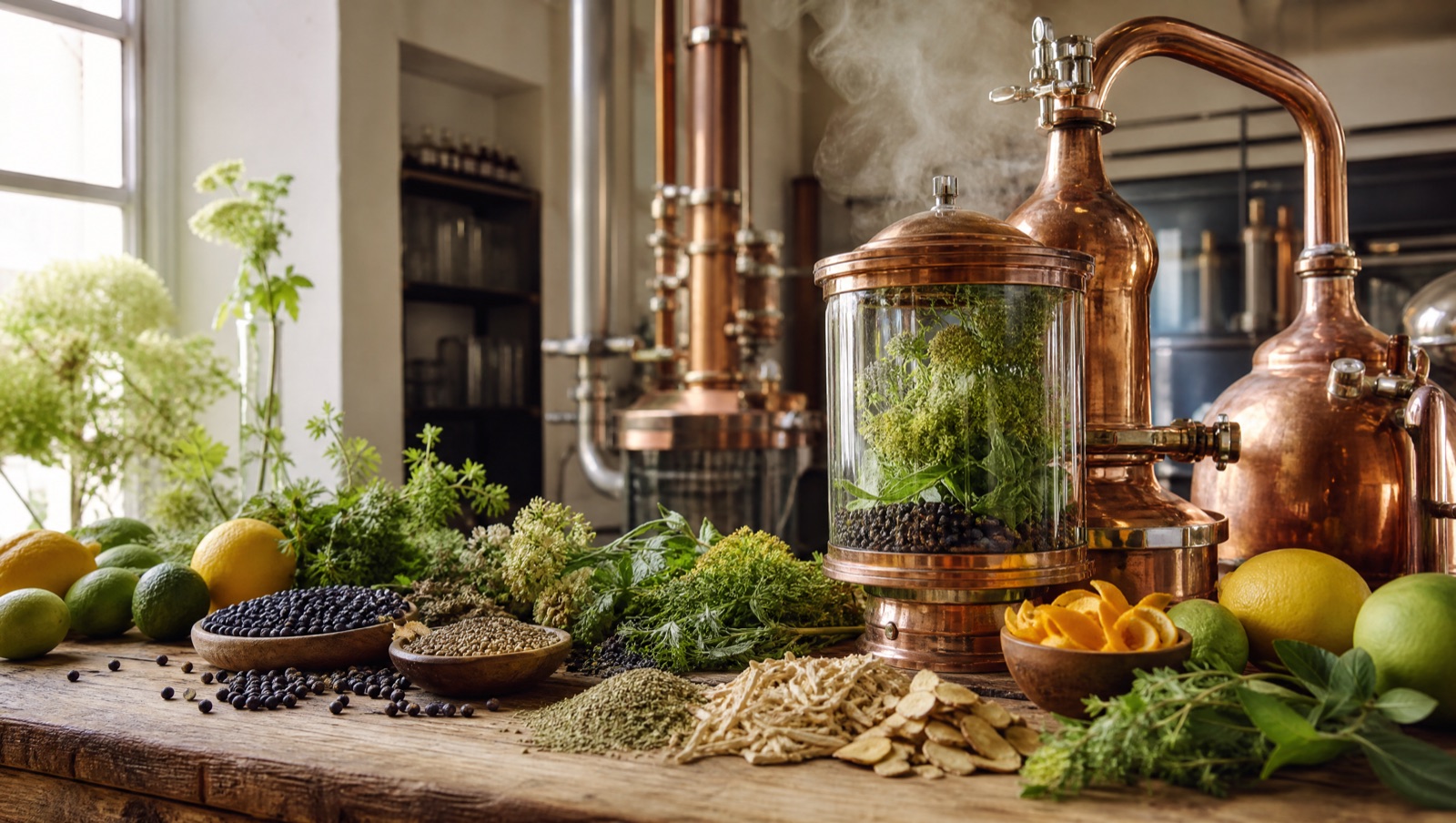
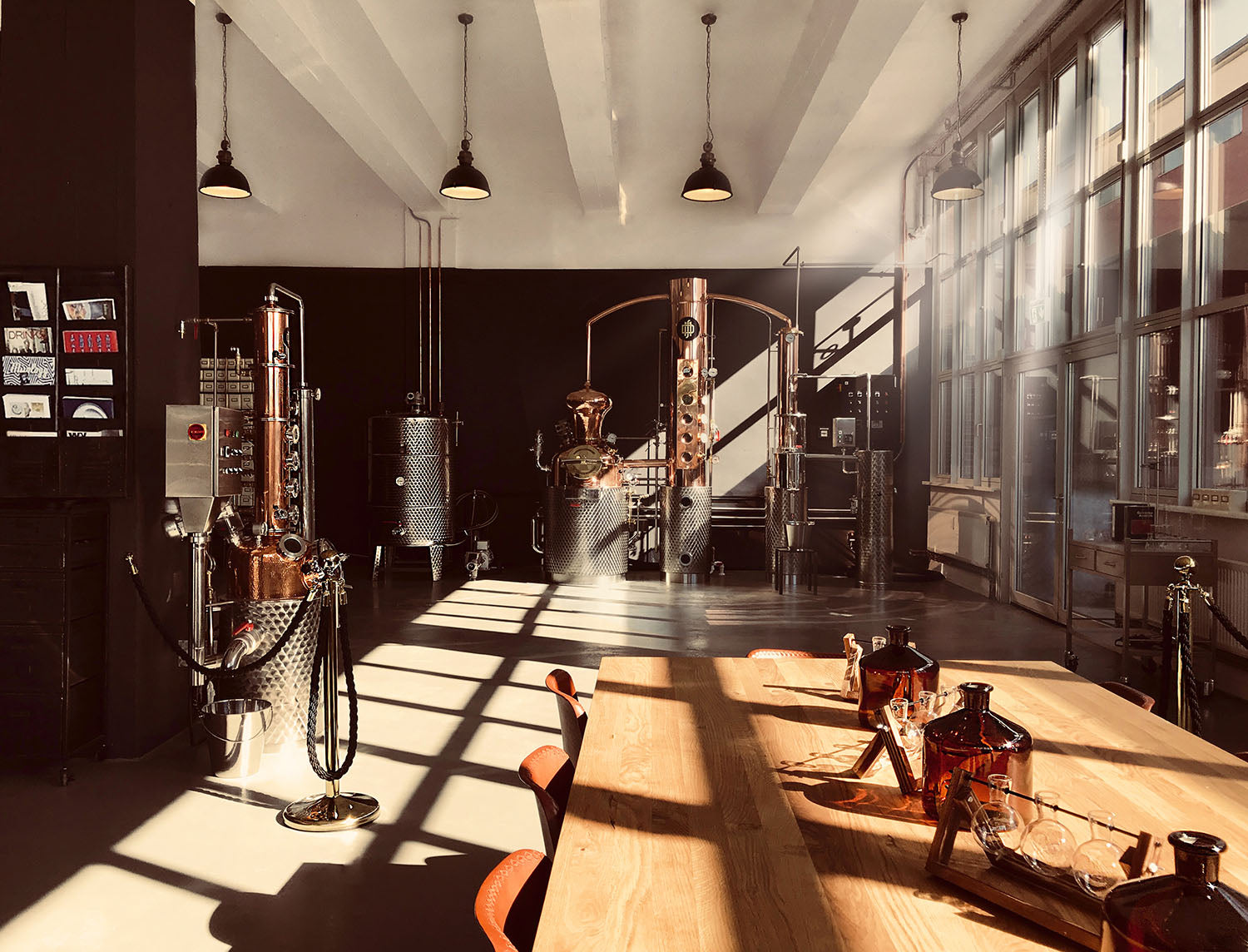
German distillery visits tend to be hands-on and unhurried. A typical tour walks you from raw ingredients through fermentation, the still house and the maturation cellar, with a guide explaining the choices that shape the final spirit. At gin houses such as Black Forest Distillers (Monkey 47) and BOAR Distillery, much of the story centres on botanicals, many of them foraged or grown locally, and tastings often pair the gin with tonic. At whisky producers like SLYRS Destillerie, St. Kilian Distillers, Hercynian Distilling Co. (Elsburn) and Spreewood Distillers (Stork Club), the emphasis shifts to grain, copper pot stills and cask selection, frequently finishing with a flight straight from the warehouse.
Tastings are usually included in the ticket and are conducted with care rather than volume, so even a single sampling session gives you a real sense of house style. Many distilleries also have a shop where you can buy bottles and limited editions not easily found abroad. English-language tours are common at the better-known sites, but at smaller family operations such as Brennerei Ziegler or Birkenhof-Brennerei it is worth confirming language and booking ahead, as places can be limited.
Getting there & around
These distilleries are spread across several distinct regions, so plan around one area at a time. The Black Forest cluster in Baden-Wuerttemberg, including Monkey 47, BOAR, Brennerei Ziegler and Birkenhof-Brennerei, is best reached by car from Stuttgart or via regional rail to towns like Lossburg and Freudenstadt, with a short taxi or drive to rural sites. SLYRS sits by Schliersee in Upper Bavaria, an easy day trip from Munich by train and bus. St. Kilian lies in Franconia, while Hercynian (Elsburn) is in the Harz mountains and Spreewood Distillers (Stork Club) is about an hour south of Berlin in the Spreewald biosphere reserve.
Because many of these distilleries are set in countryside or small villages, a hire car gives the most freedom, but it raises the obvious issue of drinking and driving. Germany has strict drink-drive limits, so if you intend to taste, build in a designated driver, use regional trains and taxis, or stay locally overnight. Several whisky and gin regions can be combined with broader touring, the Black Forest with spa towns and hiking, the Spreewald with its famous waterways.
Frequently asked
- Do I need to book a distillery tour in advance?
- Yes, booking ahead is strongly advised. Most German craft distilleries run tours on set days and in limited group sizes, and popular names such as Monkey 47, SLYRS and St. Kilian can fill quickly, especially at weekends and in summer. Smaller family distilleries may only open by appointment, so check the website or call before travelling.
- How much does a distillery tour cost?
- Prices vary by distillery and what is included. Some gin and whisky tours are modestly priced or even free, with the cost offset by a shop voucher, while more in-depth tastings of single malt or premium spirits cost more. As a general guide, expect a typical guided tour with tasting to fall in the low-to-mid tens of euros per person. Always confirm current pricing directly, as it changes.
- How many distilleries can I realistically visit in a day?
- Within a single cluster, such as the Black Forest, you might comfortably manage one or two in a day, allowing for tour length, tastings and driving time. The distilleries on this list are spread across very different regions, so do not expect to combine, say, Bavaria's SLYRS with Berlin's Spreewood Distillers on the same trip. Plan by region rather than trying to tick off many at once.
- Can I drive after a tasting?
- You should not. Germany enforces strict blood-alcohol limits and penalties are serious. If your itinerary involves driving, nominate a non-drinking driver, rely on regional trains, buses and taxis, or stay overnight nearby. Some distilleries can spit-and-pour or let you take samples away if you prefer not to drink on site, but confirm in advance.
- Are distillery tours suitable for children and families?
- It depends on the distillery. Some, particularly those in scenic settings like the Black Forest or the Spreewald, welcome families and have grounds, cafes or shops that children can enjoy, but the tasting portion is strictly for adults. Minimum-age rules apply on many tours, so check the specific distillery's policy before bringing younger visitors.
- Are the distilleries accessible for visitors with limited mobility?
- Accessibility varies considerably. Modern, purpose-built sites tend to be easier to navigate, while historic farm distilleries and cellar tours may involve stairs, uneven ground or tight spaces. If step-free access matters to you, contact the distillery ahead of time so they can advise on the route and make arrangements where possible.
- What is the best time of year to visit?
- Late spring through early autumn is the most rewarding window, with pleasant weather for combining tours with walking, lakes or the wider landscape, though it is also the busiest, so book early. The fruit-distilling regions of the south are especially atmospheric around harvest. Winter visits are quieter and can be cosy, but check opening days, as some smaller distilleries reduce their schedule off-season.