
Single Malt · Germany
Single Malt Distilleries in Germany
Tour 6 single malt distilleries in Germany. Each offers visits, tastings or experiences you can book directly — including Schlitzer Destillerie, St. Kilian Distillers, SLYRS Distillery.
6distilleries
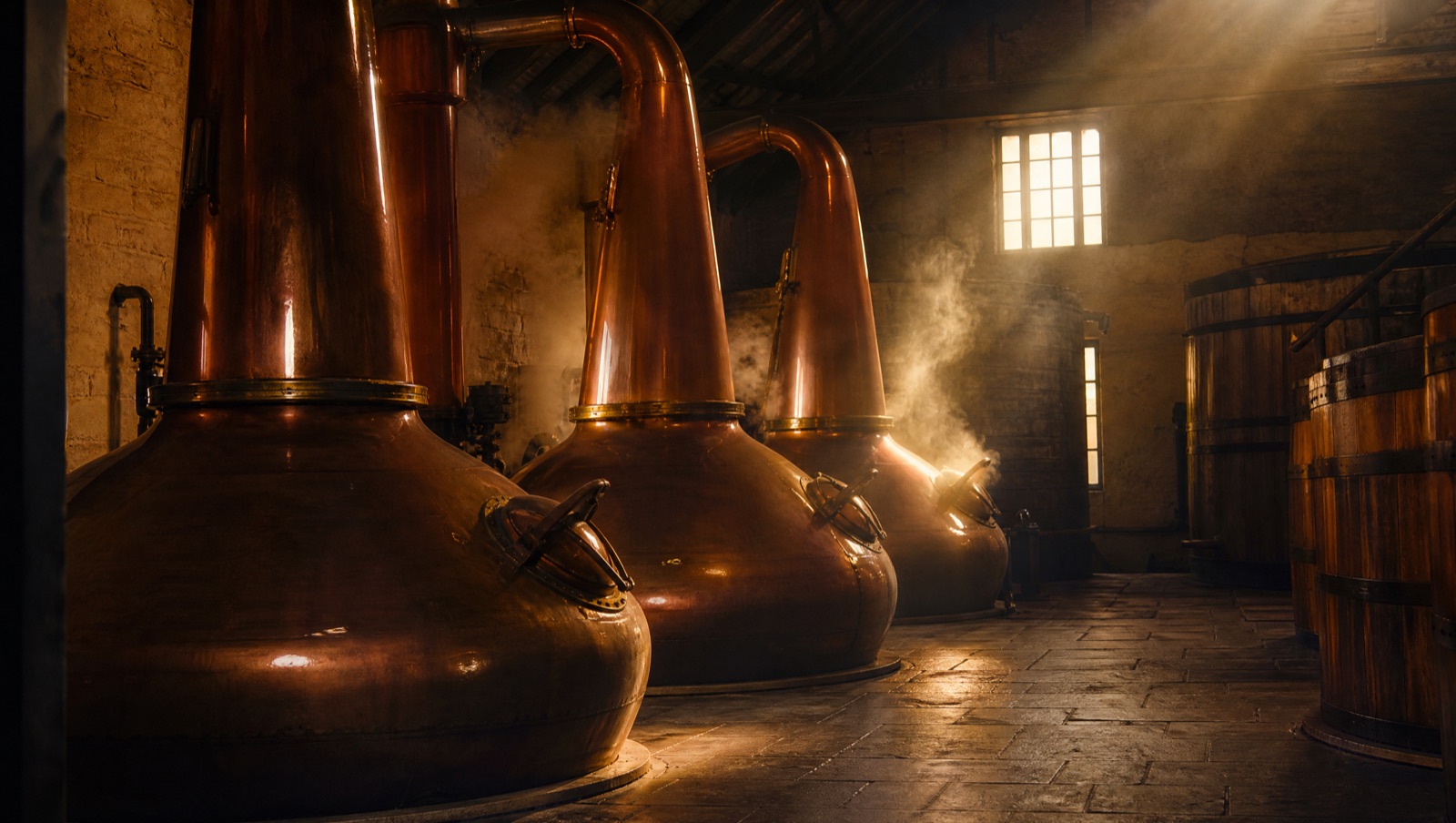

Hercynian Distilling Co. (Elsburn)
Harz mountain single malt in Lower Saxony
About single malt distilleries in Germany
Germany rarely tops the list when people picture single malt, yet the country has quietly become one of Europe's most interesting malt-whisky producers. With more registered distilleries than almost anywhere on the continent, Germany approaches the spirit with the same precision and regional pride it brings to beer and bread. Bavaria sits at the heart of the movement: SLYRS Destillerie, founded on the shores of Lake Schliersee, uses barley malt and mountain spring water from the Alps, while in the wooded Odenwald near Miltenberg, St. Kilian Distillers built one of the country's largest malt operations. Further north, the Harz region gave rise to Hercynian Distilling Co., whose Elsburn whiskies have earned a devoted following for their complexity. Smaller family houses such as Schlitzer Destillerie and Birkenhof-Brennerei add their own character, often drawing on long brewing or fruit-distilling heritage. German single malt is defined less by a single style than by experimentation: peated and unpeated, ex-sherry and ex-wine casks, high-altitude and cellar maturation all coexist. For visitors, that variety makes a tour here genuinely rewarding.
Single Malt: styles & how it's made
German single malt follows the same fundamentals as its Scottish cousin: 100% malted barley, distilled at a single distillery, usually in copper pot stills. What differs is the freedom German makers feel to improvise. Many distillers come from a brewing background, and that influence shows in carefully managed fermentations and clean, expressive new-make spirit. SLYRS, for instance, leans on Bavarian barley and Alpine water, and even matures some casks at altitude on a nearby mountain to harness dramatic temperature swings. St. Kilian, by contrast, produces both peated and unpeated styles across a wide range of cask types, reflecting its scale and ambition. The Elsburn whiskies from Hercynian are prized for layered, fruit-driven complexity, while houses like Birkenhof-Brennerei and Schlitzer Destillerie draw on regional traditions of fruit and grain distilling. Cask selection is where German malt really plays: ex-bourbon and ex-sherry are common, but you will also find wine, port and beer-cask finishes. The tropical-style cellars and continental climate often push maturation along faster than in Scotland.
Where to taste Single Malt in Germany
The most visitor-ready experiences cluster in the south and centre. SLYRS Destillerie in Schliersee is among the easiest to reach from Munich and offers self-guided routes, guided tours and master classes, with a cafe and a vast Alpine terrace to round off the visit. St. Kilian Distillers in the Odenwald is purpose-built for visitors, with tours that walk you through one of Germany's biggest malt operations. In the Harz, Hercynian Distilling Co. is the place to seek out Elsburn and its sibling expressions. For a more intimate, family-run feel, Schlitzer Destillerie in Hesse and Birkenhof-Brennerei in the Westerwald pair whisky with deep traditions in fruit brandies and liqueurs. Tasting flights typically let you compare a flagship malt against limited or cask-strength bottlings, and many shops carry distillery-exclusive editions you will not find elsewhere.
What to expect on a tour & planning a trip
A German distillery visit tends to be thorough and well organised, often available in both German and English at the larger sites. Expect to see the malting or mashing setup, the stills, and the warehouse, with the tour ending in a guided tasting. Booking ahead is wise, especially for weekends, master classes and limited-release days. If you are building an itinerary, Bavaria pairs SLYRS with the lakes and mountains around Schliersee and Tegernsee; the Odenwald and Franconia let you combine St. Kilian with castle towns and forest walks; and the Harz offers Elsburn alongside hiking and historic mining heritage. A designated driver or regional rail is sensible given Germany's strict drink-driving rules. Many distilleries open year-round, but seasonal events and special bottlings can make autumn and the run-up to Christmas particularly lively times to plan around.
Frequently asked
- Is German single malt similar to Scotch?
- It shares the same core method — 100% malted barley distilled in pot stills at a single distillery — but German makers experiment freely with cask types, peating levels and maturation conditions, so the results range from delicate and fruity to robust and smoky.
- Which German distilleries are easiest to visit?
- SLYRS Destillerie near Munich and St. Kilian Distillers in the Odenwald are the most visitor-focused, with regular tours and tastings. Hercynian (Elsburn) in the Harz and family houses like Schlitzer and Birkenhof offer more intimate experiences.
- Do I need to book a tour in advance?
- For the larger distilleries, yes — especially for guided tours, master classes and weekend slots. Some sites offer self-guided visits that are easier to drop into, but booking ahead avoids disappointment.
- Can I do a tour in English?
- The bigger producers such as SLYRS and St. Kilian generally offer English-language options or materials. Smaller family distilleries may run primarily in German, so it is worth checking when you book.
- When is the best time to visit?
- Distilleries like SLYRS open year-round. Autumn and the pre-Christmas period are especially appealing for limited releases and seasonal events, while summer suits combining Bavarian or Harz distilleries with the outdoors.
- Can I taste cask-strength or limited editions on site?
- Often yes. Many German distilleries pour distillery-exclusive, cask-strength or limited bottlings during tastings and sell editions in their shops that are hard to find elsewhere.
- How do I get around between distilleries?
- Germany's regional rail network is excellent for reaching towns near the distilleries, and a designated driver is recommended given strict drink-driving laws. Clustering visits by region — Bavaria, the Odenwald or the Harz — keeps travel manageable.