
Distillery tours
Distillery Tours in Germany
Plan a distillery tour in Germany: 12 distilleries to visit, with tastings and experiences you can book directly. Expect Craft Spirits, Single Malt, Gin and more. Highlights include Schlitzer Destillerie, St. Kilian Distillers, BOAR Distillery.
12distilleries
Spreewood Distillers (Stork Club)
Germany's pioneering rye whiskey in Brandenburg

Hercynian Distilling Co. (Elsburn)
Harz mountain single malt in Lower Saxony
About distillery tours in Germany
Germany's distilling story runs along two very different threads, and a tour here lets you taste both. The older one is fruit. In the Black Forest and across the Alpine south, farmhouse Brennereien have been turning surplus cherries, pears, plums and apples into crystal-clear Obstbrand and Kirschwasser for centuries, a craft formalised in the region as far back as the 1700s. The newer thread is grain. Since the late 1990s a wave of ambitious producers has put Germany firmly on the world whisky and gin map, working with regional barley, local water and inventive cask programmes to make spirits that taste distinctly of their place rather than imitating Scotland.
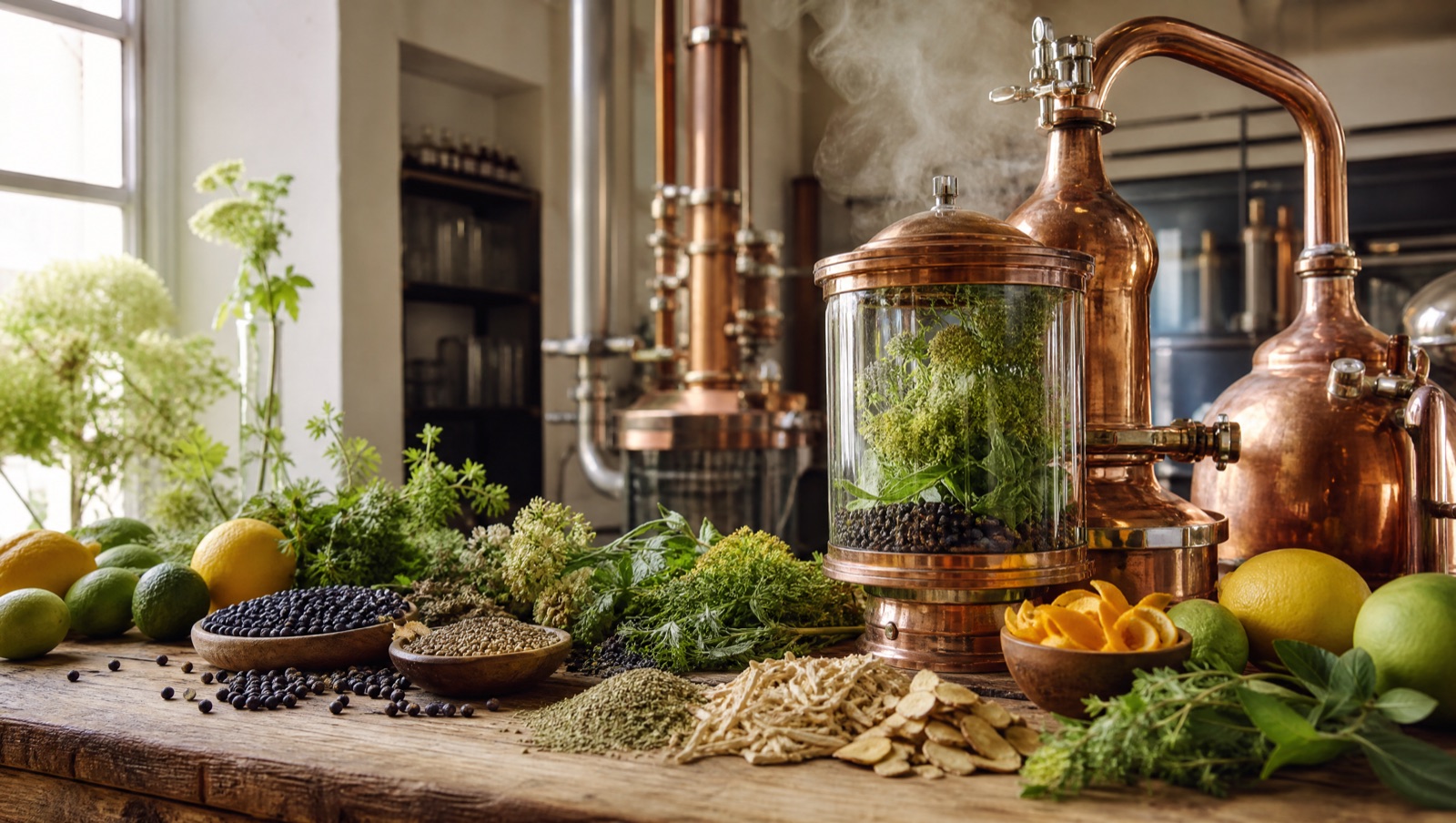
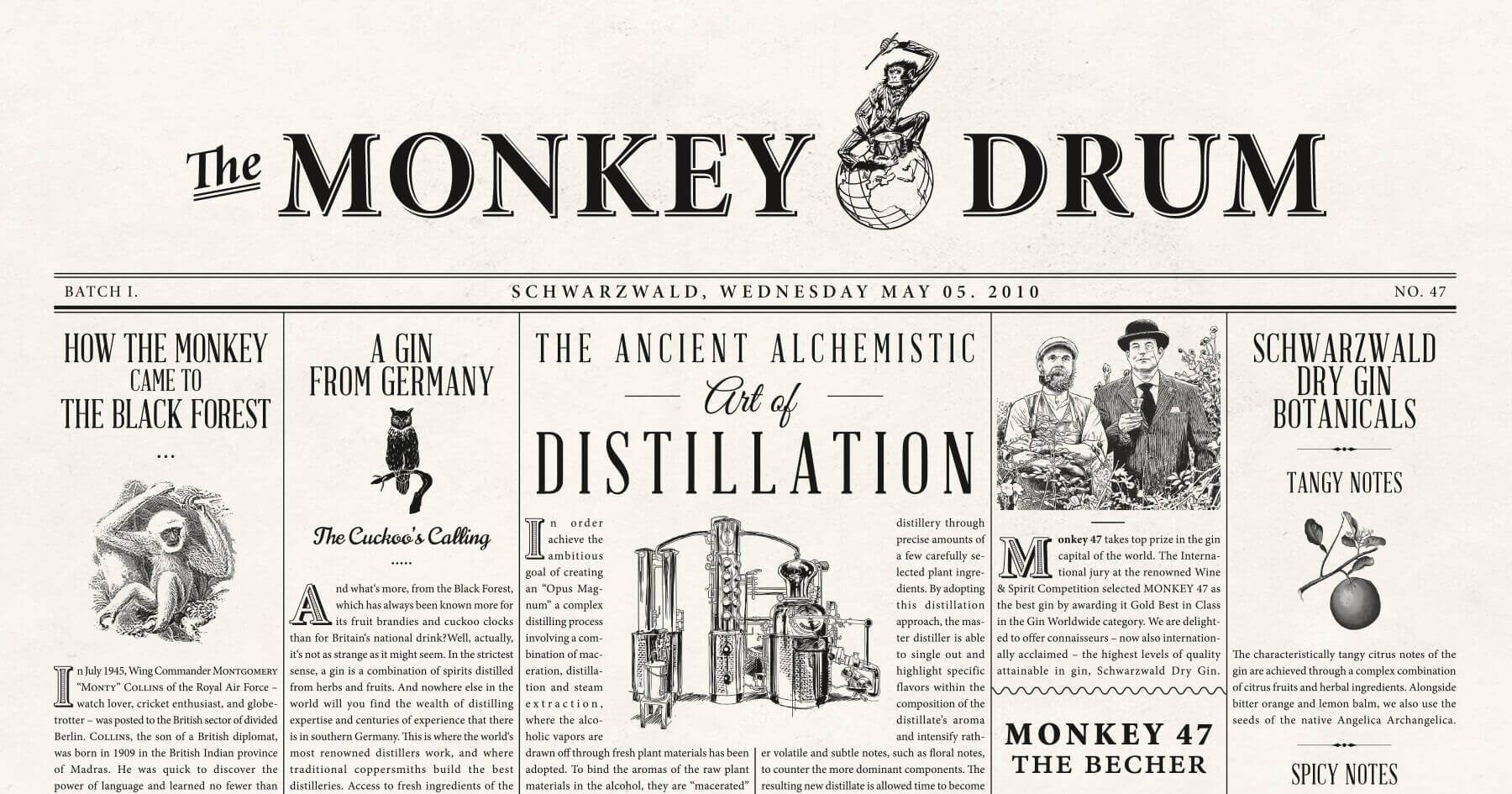
That breadth is what makes a German distillery trip rewarding. In the Schwarzwald you can pair a visit to Black Forest Distillers, home of the much-garlanded Monkey 47 gin and its 47 botanicals, with the fruit-forward eaux-de-vie of Brennerei Ziegler. Down in Bavaria, SLYRS sits beside the Schliersee under the Alps, while St. Kilian Distillers in Franconia is among the country's largest dedicated whisky makers. Further north, Hercynian Distilling Co. (Elsburn) works in the Harz mountains, Spreewood Distillers (Stork Club) crafts rye in Brandenburg's Spreewald, and DRILLING brings distilling into the heart of Hamburg.
Expect anything from a relaxed cellar tasting on a working farm to a polished visitor centre with guided production walks, comparative flights and on-site shops. Sessions are typically offered in German and often in English; booking ahead is wise for the smaller operations.
What to expect on a tour
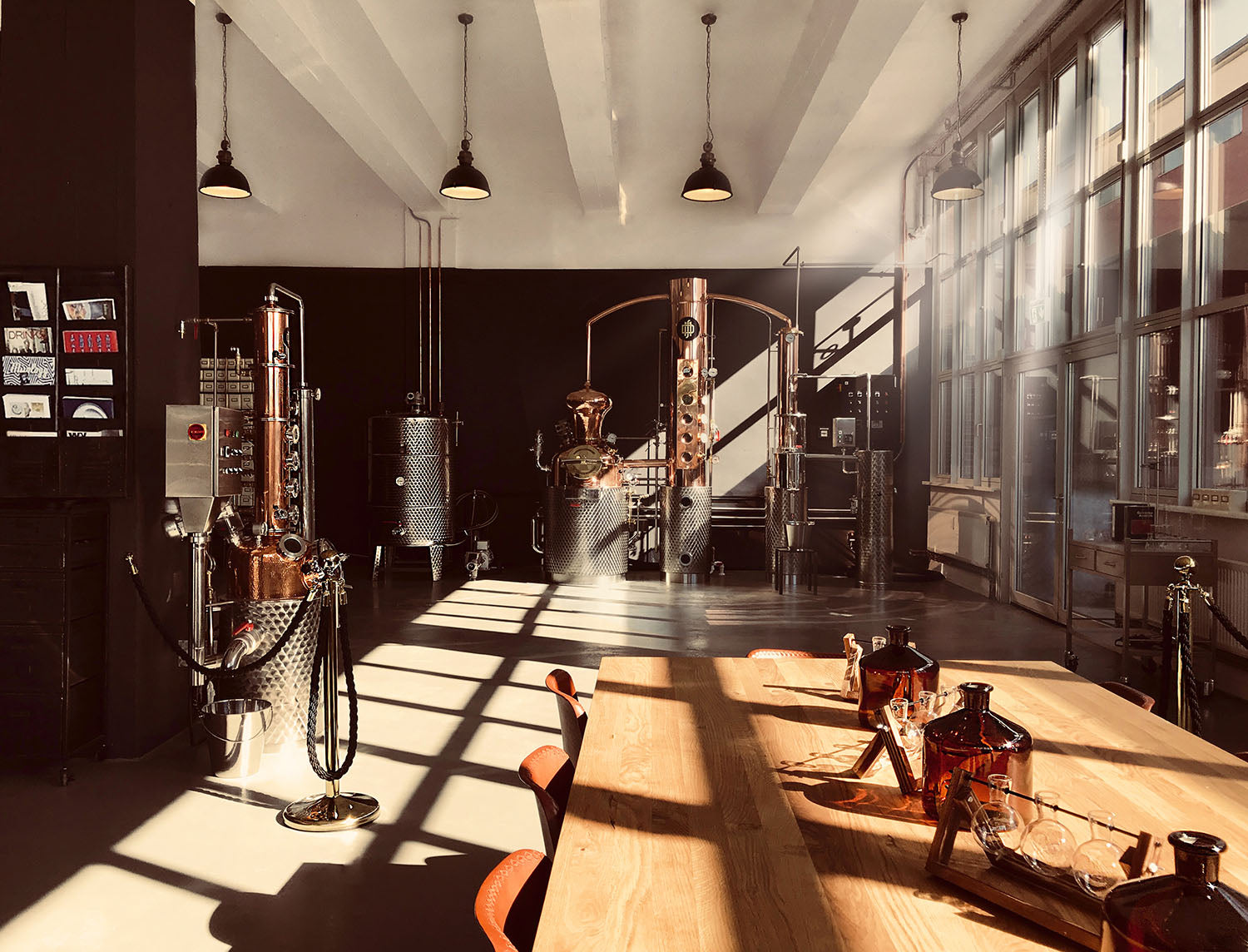
German distillery visits span a wide spectrum, so it helps to know the style before you go. At the larger whisky and gin houses such as St. Kilian, SLYRS and Black Forest Distillers, you can expect a structured guided walk through milling, mashing, fermentation, the copper stills and the maturation warehouse, finishing with a seated tasting and a shop. Tours usually last between one and two hours and are led by knowledgeable guides who explain the choices behind the grain, the water and the cask selection.
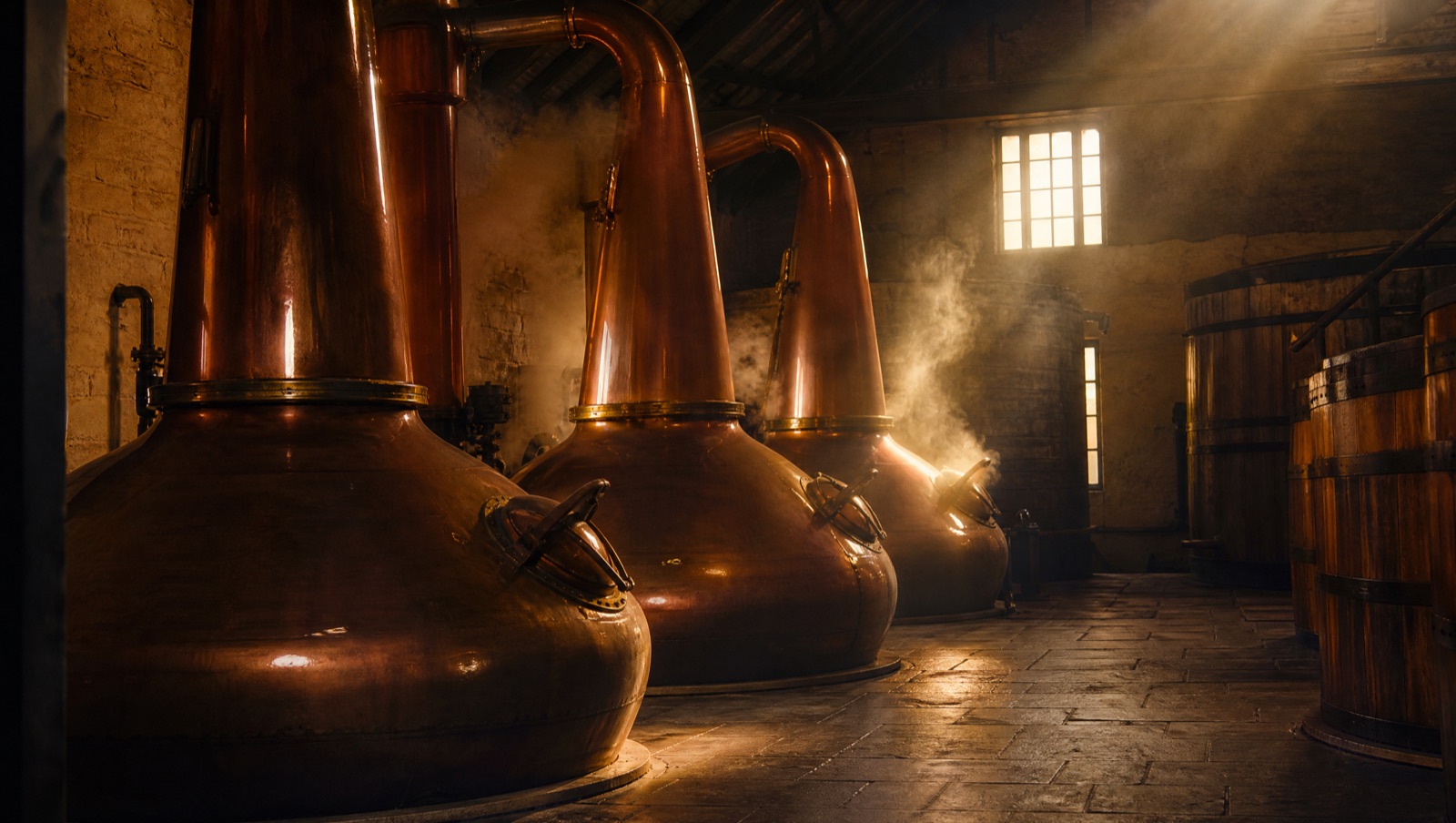
The traditional fruit distilleries, like Brennerei Ziegler, Birkenhof-Brennerei and Schlitzer Destillerie, tend to be more intimate and farm-rooted. Here the focus is on how whole orchard fruit becomes mash, ferments naturally and is double-distilled in small copper pot stills to capture pure aroma. Tastings often run through a flight of clear Obstbrände, perhaps a Kirschwasser or Williams pear, and any aged or liqueur expressions the house makes. Whichever you choose, come curious and unhurried; the people pouring usually love to talk shop.
Getting there & around
Germany's distilleries are scattered, so plan by region. The Black Forest sits in the south-west, easiest reached via Stuttgart, Freiburg or Baden-Baden, and rewards those with a hire car as the prettiest Brennereien lie in villages along winding valley roads. Bavaria's SLYRS is by the Schliersee, reachable by regional train and bus from Munich, while St. Kilian lies in Lower Franconia, most practical by car from Würzburg or Frankfurt.
In the north and east, DRILLING is in central Hamburg and walkable from public transport, Hercynian's Elsburn sits in the Harz, and Spreewood Distillers is in the Spreewald, an hour or so south-east of Berlin. Germany's rail network is excellent for reaching the nearest town, but the final approach to rural distilleries often needs a taxi, a local bus or a car. If you intend to taste, never drive yourself; arrange a designated driver, a taxi, or build your day around train-and-walk routes.
Frequently asked
- Do I need to book a distillery tour in advance?
- For most German distilleries, yes. The larger whisky and gin houses run tours on set dates that fill up, and Black Forest Distillers (Monkey 47), for example, requires online booking ahead of time. Smaller farm distilleries may take walk-ins during shop hours but often run guided sessions only at scheduled times or by appointment, so it is always safest to check the distillery's website and reserve before travelling.
- How much does a distillery tour and tasting cost?
- Prices vary by distillery and what is included. Many tours fall into a modest range that covers the guided walk plus a tasting, and some bundle in a welcome drink or a shop voucher that offsets the fee. A few smaller producers offer free or donation-based visits, while premium experiences with extended flights or rare expressions cost more. Check each distillery's site for current rates, as these change.
- How many distilleries can I realistically visit in a day?
- That depends on the region. In a compact area like the Black Forest you might comfortably manage two, allowing for tour times, tastings and driving between villages. Trying to combine distilleries in different regions, such as a Bavarian and a Harz producer, is not feasible in one day given the distances. Two well-paced visits make for a better experience than rushing three.
- Can I drive between distilleries if I plan to taste?
- No. Germany enforces strict drink-driving limits and the penalties are serious, so you should never drive after tastings. Many distilleries are rural and need a car to reach, so plan ahead: nominate a non-drinking driver, hire a taxi, join an organised tour, or choose distilleries reachable by train and on foot. Some producers can suggest local transport options if you ask.
- Are distillery visits suitable for children and families?
- Policies differ. Many distilleries welcome families on the tour itself, since the production walk is interesting for all ages, but the tasting portion is strictly for adults and some venues set a minimum age for entry. If you are travelling with children, contact the distillery first to confirm whether under-18s are permitted and whether there is anything for them to do during the tasting.
- Will tours and tastings be available in English?
- Tours are always offered in German and many of the larger distilleries also run English-language sessions or provide English-speaking guides, though often only on certain dates. At smaller family Brennereien, English may be more limited. If language matters to you, ask in advance which dates have an English tour, or whether materials are available in English.
- What is the difference between the fruit distilleries and the whisky distilleries?
- They represent two distinct German traditions. Fruit distilleries such as Brennerei Ziegler and Birkenhof-Brennerei make clear Obstbrände and eaux-de-vie from orchard fruit like cherries, pears and plums, a centuries-old craft especially strong in the south. Whisky and gin houses such as St. Kilian, SLYRS, Hercynian and Black Forest Distillers are part of a younger movement using grain and botanicals. Visiting one of each gives a fuller picture of German distilling.
- Are distillery sites accessible for visitors with limited mobility?
- Modern visitor centres at the larger distilleries are generally better equipped with level access, while historic farm distilleries can involve cellars, stairs and uneven ground. Accessibility is not guaranteed, so if you have specific mobility needs, contact the distillery directly before your visit to confirm whether the tour route, tasting area and facilities will suit you.