
Gin · Germany
Gin Distilleries in Germany
Tour 6 gin distilleries in Germany. Each offers visits, tastings or experiences you can book directly — including St. Kilian Distillers, BOAR Distillery, Black Forest Distillers (Monkey 47).
6distilleries
About gin distilleries in Germany
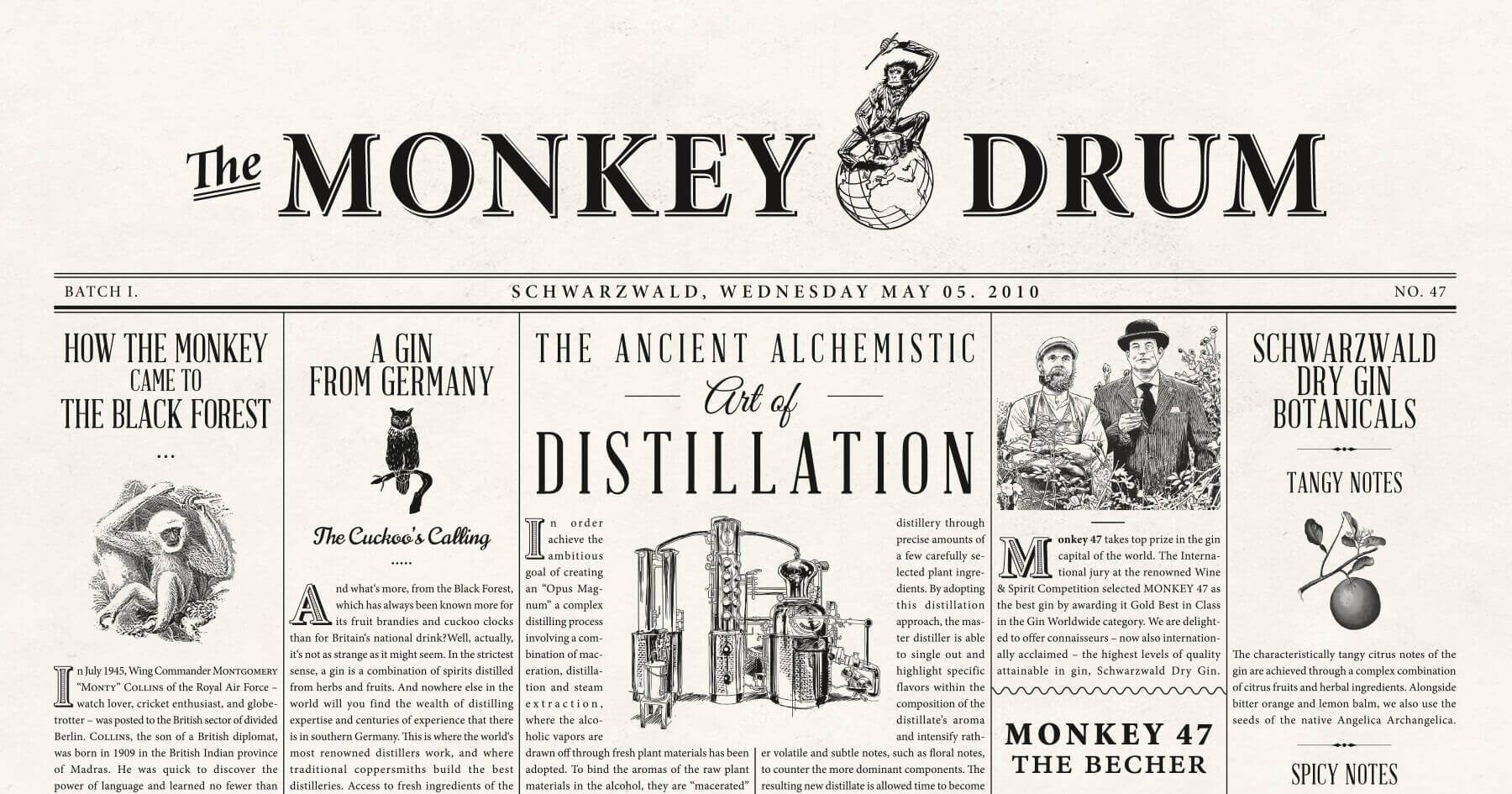
Germany has become one of the most exciting gin-producing countries in Europe, and much of its reputation can be traced to a single bottle. Monkey 47, made by Black Forest Distillers, put German gin on the global map with a recipe of 47 botanicals — including foraged lingonberries, spruce shoots and other Black Forest ingredients — that married craft ambition with a distinctly local sense of place. Its success helped spark a wave of distillers reinterpreting gin through a German lens. BOAR Distillery, also rooted in the Black Forest, leans into pure spring water and regional character, while urban makers such as Deutsche Spirituosen Manufaktur in Berlin and DRILLING in Hamburg bring a city-driven, design-led energy to the category. Whisky-focused St. Kilian Distillers and the long-established Birkenhof-Brennerei show how German houses move fluently between spirits, applying their distilling skill to gin as well. The common thread is botanical storytelling: German gins tend to foreground local forage, herbs and fruit, often with a clean, juniper-respecting backbone. For visitors, that makes a gin tour here a tour of German landscapes in liquid form.
Gin: styles & how it's made
Most German gin is made in the London Dry tradition — neutral spirit redistilled with botanicals — but the local interpretation is anything but uniform. The defining move is the use of regional forage and herbs alongside the obligatory juniper. Monkey 47 is the emblem of this approach, packing in 47 botanicals and using soft Black Forest spring water, with a maturation step in earthenware to marry the flavours. BOAR Distillery similarly draws on Black Forest water and botanicals to build a layered, characterful style. City distillers take a different tack: Deutsche Spirituosen Manufaktur in Berlin and DRILLING in Hamburg emphasise small-batch craft and contemporary recipes that suit modern cocktail culture. Houses with deep roots in other spirits — St. Kilian, better known for whisky, and Birkenhof-Brennerei, long established in fruit distilling — bring technical precision and an instinct for balance. Across the board, expect juniper to remain present and recognisable, framed by herbal, floral, citrus or berry notes that nod to where the gin is made.
Where to taste Gin in Germany
The Black Forest is the spiritual home of premium German gin, and it is where Black Forest Distillers (Monkey 47) and BOAR Distillery are based — a beautiful region to combine tastings with forest walks and spa towns. For an urban experience, Berlin's Deutsche Spirituosen Manufaktur and Hamburg's DRILLING sit within easy reach of city centres, ideal if you are already visiting for other reasons. In western Germany, Birkenhof-Brennerei in the Westerwald offers gin alongside its broader range of brandies and liqueurs, while St. Kilian Distillers in the Odenwald is primarily a whisky destination that also showcases its gin work. Tastings usually let you nose the individual botanicals before sampling the finished spirit, and many distilleries pour their gin both neat and in a signature serve so you can appreciate how the botanicals open up with tonic or in a cocktail.
What to expect on a tour & planning a trip
A German gin tour typically blends the science of distillation with the sensory pleasure of the botanicals themselves — expect to handle and smell ingredients, see the still in action, and finish with a guided flight. The two natural itineraries are forest and city. A Black Forest trip pairs Monkey 47 and BOAR with hiking, lakes and the region's spa culture, best enjoyed over a relaxed weekend. A city break lets you slot a tasting at DRILLING in Hamburg or Deutsche Spirituosen Manufaktur in Berlin around museums, food and nightlife. Booking ahead is recommended, as many craft distilleries run small, scheduled sessions rather than continuous tours. Given Germany's strict drink-driving rules, plan to use regional rail or a designated driver between rural distilleries. Late spring through autumn is pleasant for the Black Forest, while the cities are rewarding year-round.
Frequently asked
- What makes German gin distinctive?
- German gins are known for foregrounding local forage and herbs — think Black Forest spruce, lingonberries and regional botanicals — while keeping juniper firmly in place. The result is characterful, place-driven gin with a clean backbone.
- Where is the best region for a gin tour in Germany?
- The Black Forest is the heartland, home to Black Forest Distillers (Monkey 47) and BOAR Distillery. For a city-based experience, Berlin and Hamburg host craft makers like Deutsche Spirituosen Manufaktur and DRILLING.
- Can I visit the Monkey 47 distillery?
- Black Forest Distillers, the maker of Monkey 47, is based in the Black Forest. Visitor access and tasting experiences vary, so it is best to check current availability and book any tour in advance.
- Do German distilleries make gin and whisky?
- Some do. St. Kilian Distillers is primarily a whisky producer that also makes gin, and Birkenhof-Brennerei works across gin, brandies and liqueurs — so a single visit can showcase more than one spirit.
- What happens on a gin tasting?
- You will usually smell the individual botanicals, watch or learn about the distillation, and then taste the gin neat and often in a signature serve with tonic, so you can see how the botanicals develop.
- Should I book a gin tour in advance?
- Yes. Many German craft distilleries run small, scheduled sessions rather than rolling tours, so booking ahead is the safest way to secure a place, especially at weekends.
- How do I travel between distilleries?
- Germany's regional rail is excellent for reaching the cities and Black Forest towns, and a designated driver is recommended for rural visits given strict drink-driving laws.