
Distillery tours
Distillery Tours in Australia
Plan a distillery tour in Australia: 15 distilleries to visit, with tastings and experiences you can book directly. Expect Single Malt, Gin, Rum and more. Highlights include Tin Shed Distilling Co., Hellyers Road Distillery, Lark Distillery.
15distilleries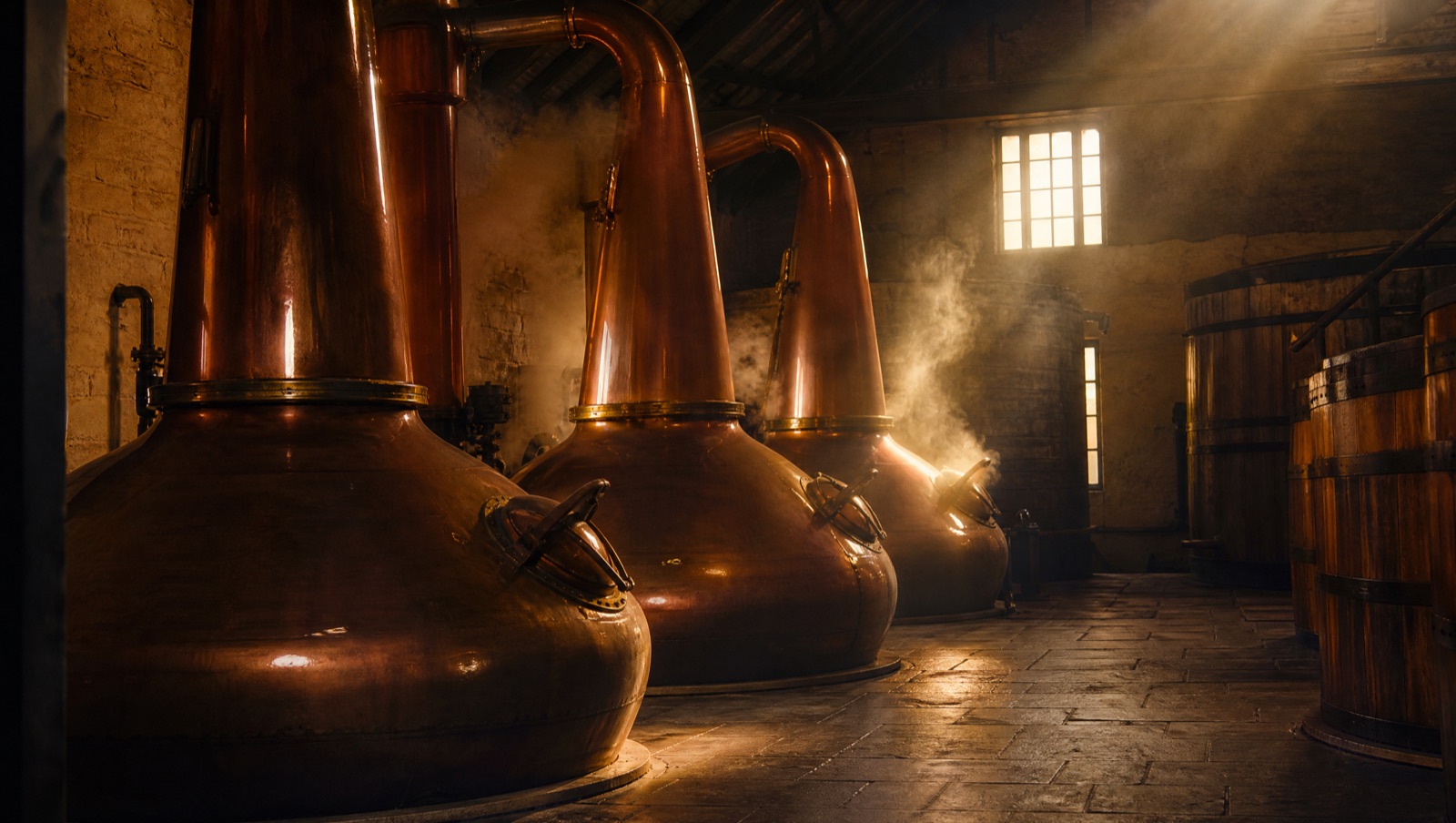




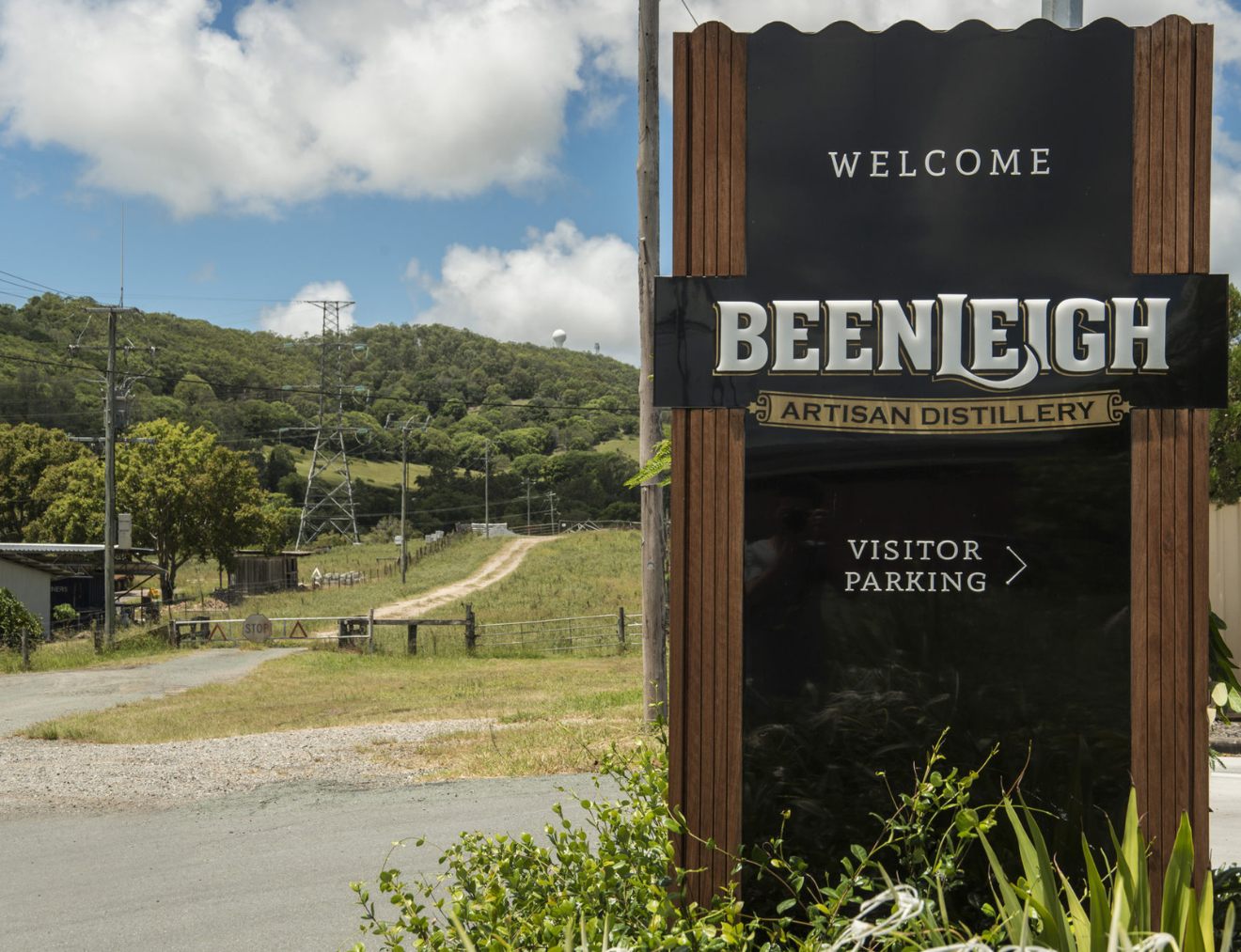
Beenleigh Artisan Distillery
Rum from Australia's oldest registered distillery

About distillery tours in Australia
Australia's distilling story is one of revival. Spirit was made here in colonial times, but a string of restrictive laws — including a notorious ban that shut Tasmanian stills for more than 150 years — kept the craft dormant until the early 1990s. When Bill Lark lobbied to legalise small-scale distilling and ran the first spirit from his Hobart still in 1992, he reawakened an industry that has since become one of the most quietly celebrated in the world. Today more than a hundred distilleries span the continent, and a 2014 world-best win for Tasmania's Sullivans Cove put Australian single malt firmly on the map.
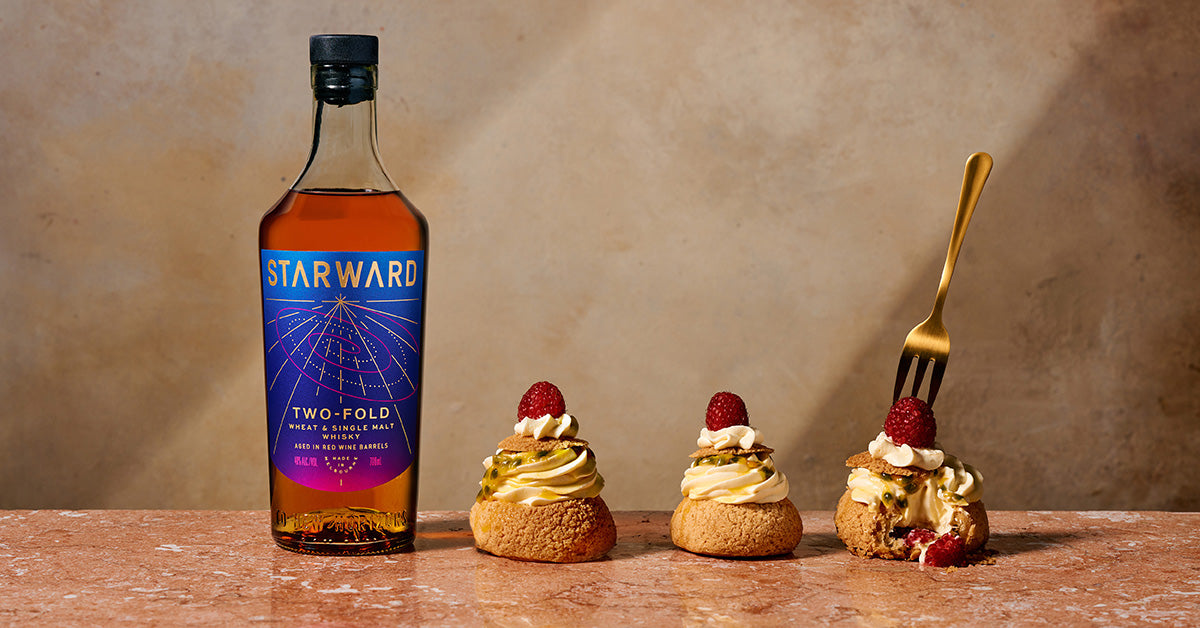
The result is a scene defined by terroir and experimentation rather than centuries-old rulebooks. In Tasmania you'll find peat-smoked and rye-led malts at pioneers such as Lark Distillery, Sullivans Cove, Hellyers Road and Callington Mill. On the mainland, Melbourne's Starward leans into local red-wine barrels, Sydney's Archie Rose works across gin, rye and malt, and Western Australia's Great Southern Distilling Company draws on cool Albany sea air. Distilleries like Cape Byron, Beenleigh, 78 Degrees, Tin Shed, Loch, Timboon Railway Shed and The Grove round out a wonderfully varied trail.
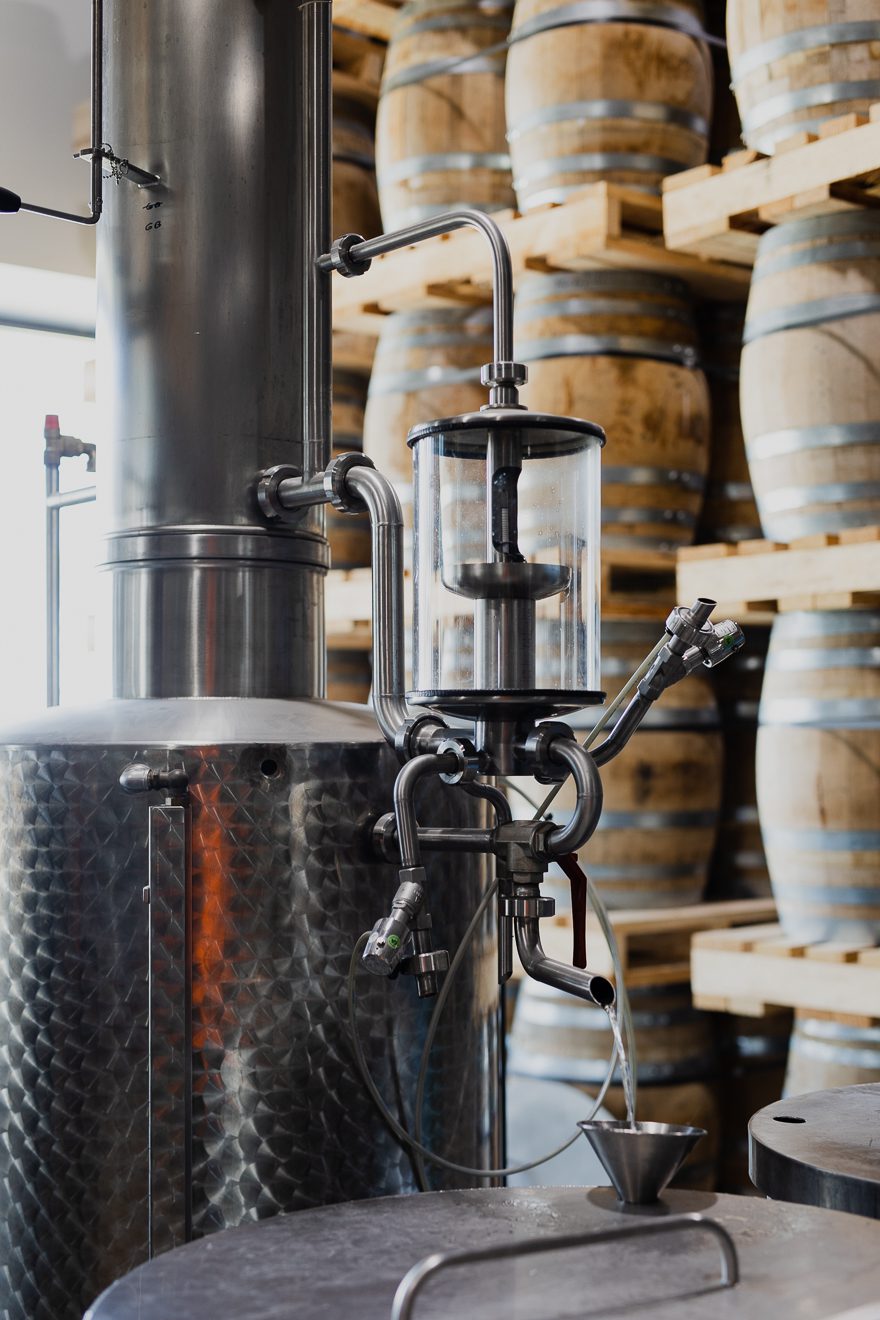
Tours range from intimate cellar-door tastings to guided walks among working copper stills, often paired with native botanicals, single-cask drams and food. It's an approachable, unpretentious way to taste a young industry coming into its own.
What to expect on a tour
Australian distillery visits tend to be warm and hands-on rather than scripted. At cellar doors you can usually drop in for a flight of gins or a guided whisky tasting at the bar, while booked tours take you behind the scenes to see the mash tun, fermenters and copper pot stills, with a maker or guide explaining each step. Because so many producers are small and independent, it's common to be poured by the people who actually run the still.
Expect plenty of local character. Tasmanian houses such as Lark, Sullivans Cove and Hellyers Road lean into single malt and single-cask drams; Sydney's Archie Rose and gin-focused makers like 78 Degrees and Tin Shed showcase native botanicals; and Melbourne's Starward highlights its red-wine-barrel maturation. Many cellar doors also offer paddles, G&Ts, cocktails and food, so a visit easily becomes a relaxed half-day rather than a quick sample and out.
Getting there & around
Australia is vast, so most visitors focus on one region at a time. Tasmania is the heartland: Hobart is an easy base for Lark, Sullivans Cove and many others, with a recognised whisky and spirits trail linking cellar doors across the south and east coast, and small-group day tours running from the city. The north of the island adds Hellyers Road near Burnie and Callington Mill at Oatlands.
On the mainland, Sydney's Archie Rose sits just south of the CBD at Rosebery, easily reached by car or rideshare. Melbourne anchors Victoria's scene, with Starward in the inner suburbs and country distilleries such as Timboon Railway Shed and Loch within driving distance. Western Australia's Great Southern Distilling Company is in Albany, several hours south of Perth and best paired with a longer regional trip. Distances between distilleries can be significant, so plan routes in advance and consider a guided tour or designated driver.
Planning your visit
Cellar-door drop-ins for tastings are often walk-in friendly, but behind-the-scenes production tours, blending sessions and busy weekend slots usually need booking ahead — especially in peak summer and over public holidays. Check each distillery's website for current days and hours, as many smaller producers open only on selected days.
If you want to taste widely without worrying about driving, a small-group tour around Hobart or the Tasmanian trail is the simplest option and removes the navigation headache. Building a day around two or three distilleries, with lunch in between, tends to be far more enjoyable than rushing five. Allow extra time for the scenic drives themselves — in Tasmania, coastal Victoria and the Great Southern, the journey is half the pleasure.
Frequently asked
- Do I need to book a distillery tour in advance?
- For casual cellar-door tastings, many Australian distilleries welcome walk-ins, though it's wise to check opening days as smaller producers often trade only part of the week. Structured production tours, blending experiences and weekend tastings can fill up, so booking ahead is recommended — particularly over summer and public holidays.
- How much does a distillery tour or tasting cost?
- Prices vary widely by producer and experience. A simple tasting flight is usually a modest fee, while guided behind-the-scenes tours that include several drams or a hands-on element cost more. Single-cask and premium whisky tastings sit at the higher end. Always check the distillery's website for current pricing, as fees change.
- How many distilleries can I realistically visit in a day?
- Two or three is a comfortable, enjoyable pace, especially if you want a proper tour and a meal rather than a rushed sample. Tasmania makes a multi-stop day easiest because several cellar doors cluster around Hobart, but on the mainland longer driving distances mean you may only manage one or two per day.
- Can I drive between distilleries if I'm tasting?
- Australia enforces drink-driving limits strictly, so the safest approach is to nominate a non-drinking driver, use rideshare, or join a small-group tour where transport is handled for you. Tasting flights add up quickly. Most cellar doors are happy for you to taste and take bottles away if you'd rather not drink and drive.
- Are distillery tours suitable for families and children?
- Some cellar doors are relaxed, food-friendly spaces where children are welcome to accompany adults, while others are licensed venues with age restrictions or focus on adult tastings. Policies differ between producers, so it's best to contact the distillery beforehand if you're travelling with kids.
- When is the best time to visit?
- Distilleries operate year-round, but the warmer months from roughly November to March bring the most reliable weather for touring Tasmania, Victoria and Western Australia's Great Southern. This is also peak season, so book ahead. Cooler months can be quieter and atmospheric, particularly for whisky tastings, with fewer crowds at cellar doors.
- Are the distilleries accessible for visitors with limited mobility?
- Accessibility varies considerably. Newer, purpose-built cellar doors and city-based venues such as those around Sydney and Melbourne are often step-free, while heritage buildings and rural working distilleries may have uneven surfaces or stairs. If you have specific access needs, contact the distillery directly before your visit to confirm what's available.