
Distillery tours
Distillery Tours in Canada
Plan a distillery tour in Canada: 10 distilleries to visit, with tastings and experiences you can book directly. Expect Craft Spirits, Gin, Single Malt and more. Highlights include Shelter Point Distillery, Glenora Distillery, Nickel 9 Distillery.
10distilleries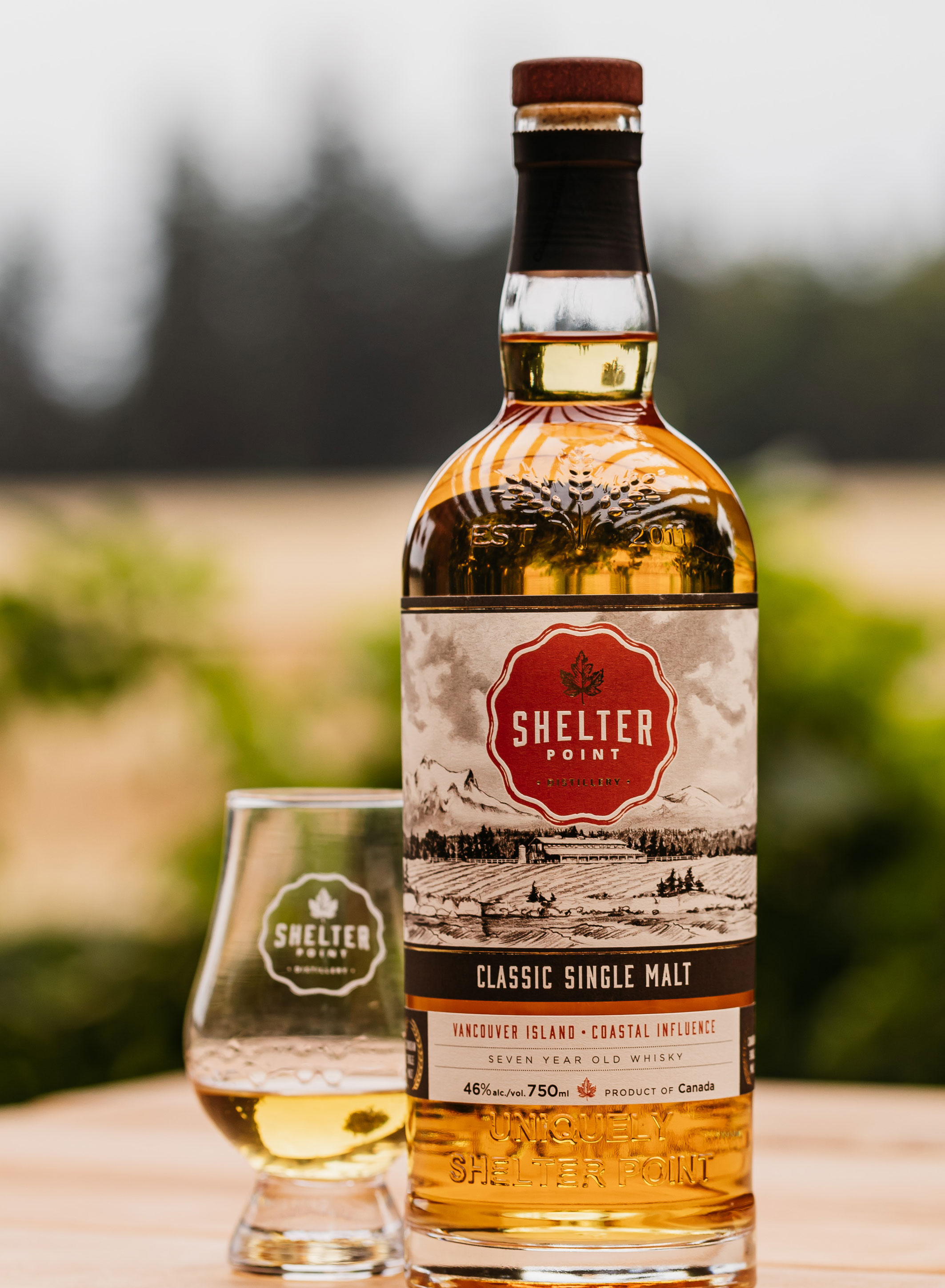

About distillery tours in Canada
Canada's distilling story runs deep. The country's first recorded distillery appeared in Quebec City in 1769, and by the nineteenth century Ontario's grain mills along the Great Lakes had grown into some of the world's largest whisky houses. That heritage gave the world Canadian whisky, often called rye, a smooth grain style that remains the national signature. Yet the most exciting chapter is more recent: since the 1990s a craft movement has spread coast to coast, and there are now well over two hundred small distilleries turning local grain, fruit and botanicals into whisky, gin, vodka and liqueurs.
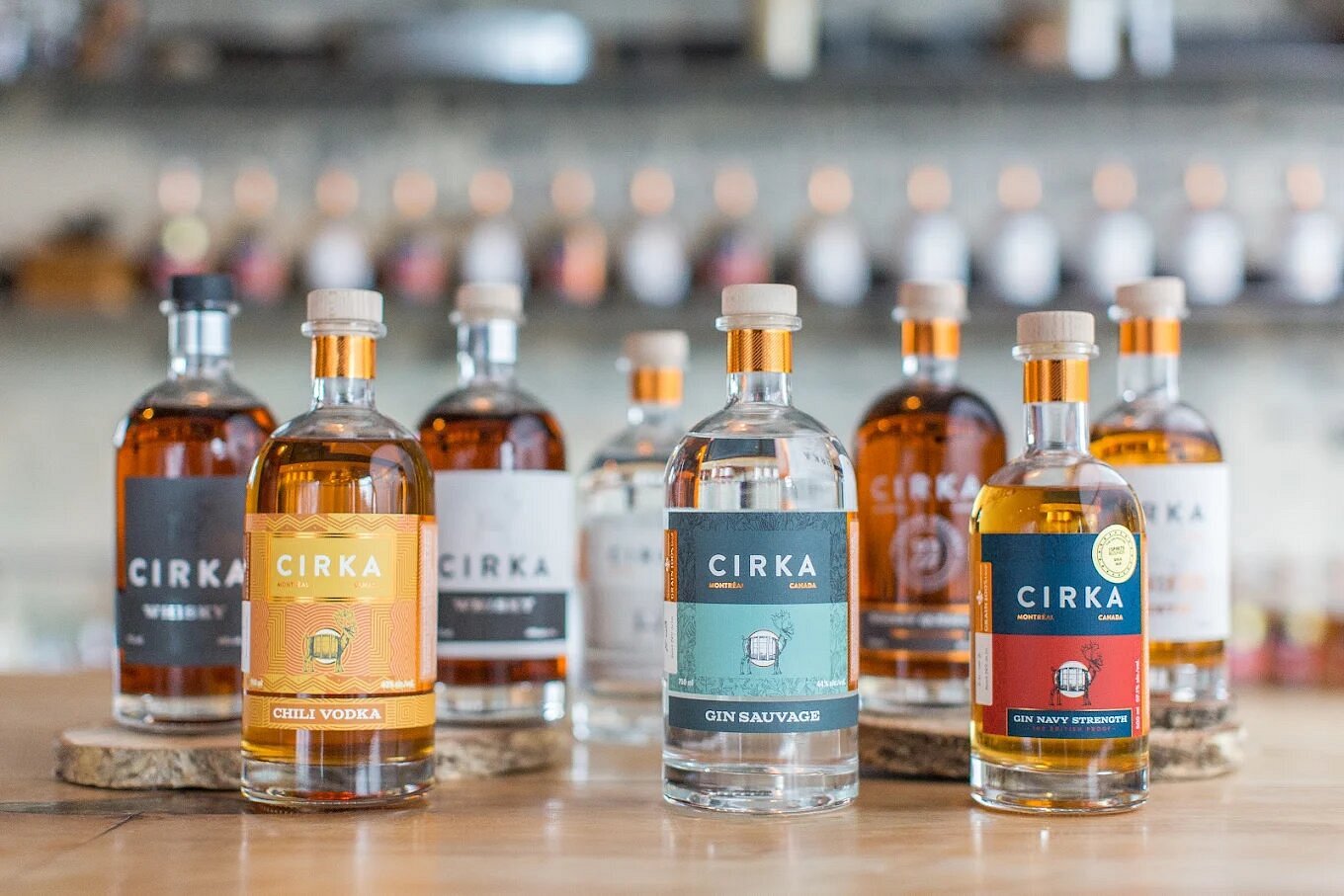
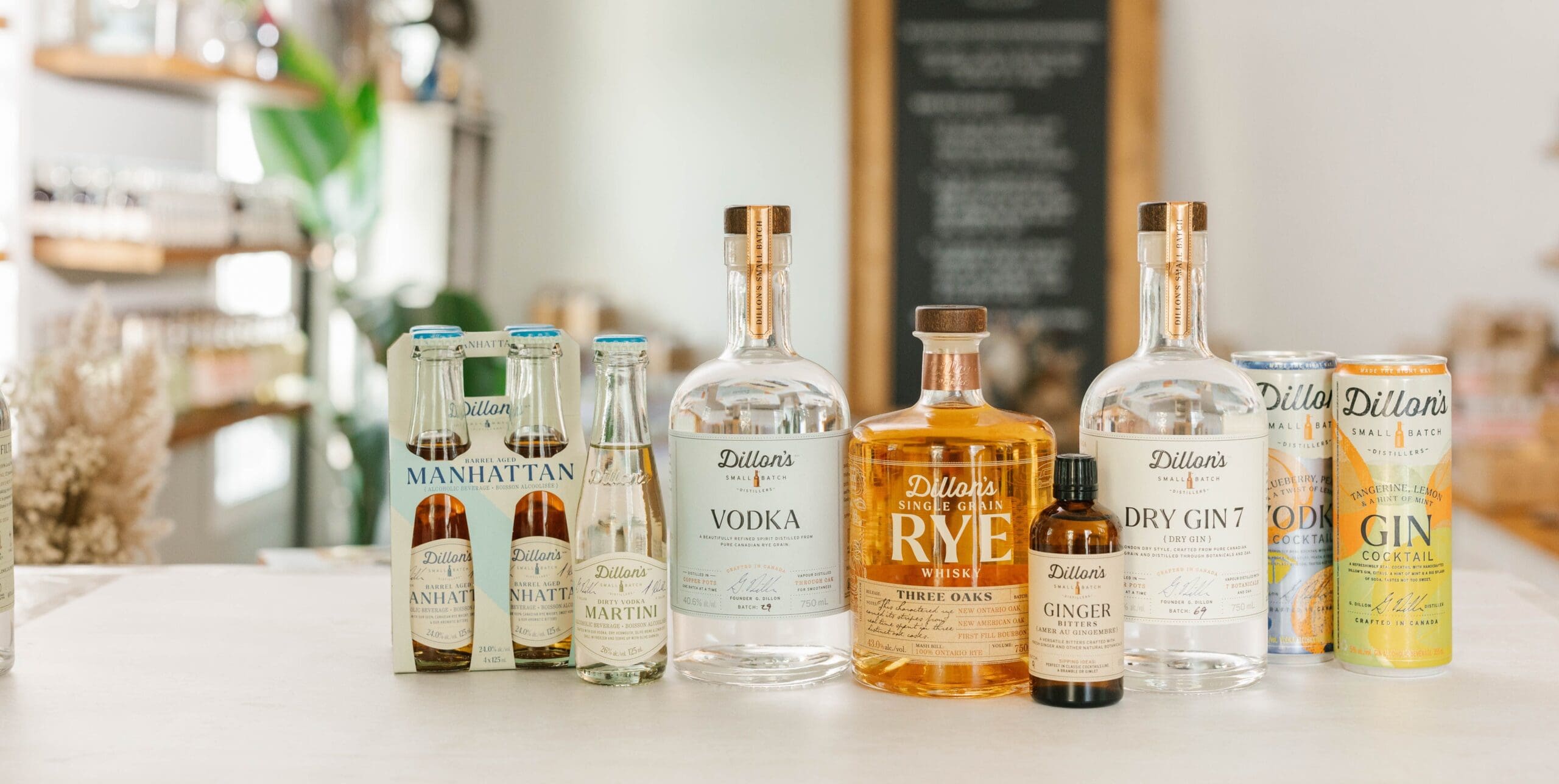
What makes touring Canada rewarding is its sheer range. In Nova Scotia, Glenora Distillery (Glen Breton) makes single malt in the Scottish manner on Cape Breton Island, a place whose name means New Scotland. On the west coast, Shelter Point Distillery works grain grown on its own seaside farm on Vancouver Island, while Vancouver's Odd Society Spirits and The Liberty Distillery on Granville Island bring an urban, experimental edge. Ontario's Niagara belt holds Forty Creek in Grimsby and Dillon's in Beamsville, both surrounded by vineyards, and Montreal's CIRKA Distilleries champions Quebec's grain-to-bottle spirits on the Lachine Canal. The Okanagan Spirits Craft Distillery and Toronto's Nickel 9 round out a country where almost every region has something distinctive to pour.
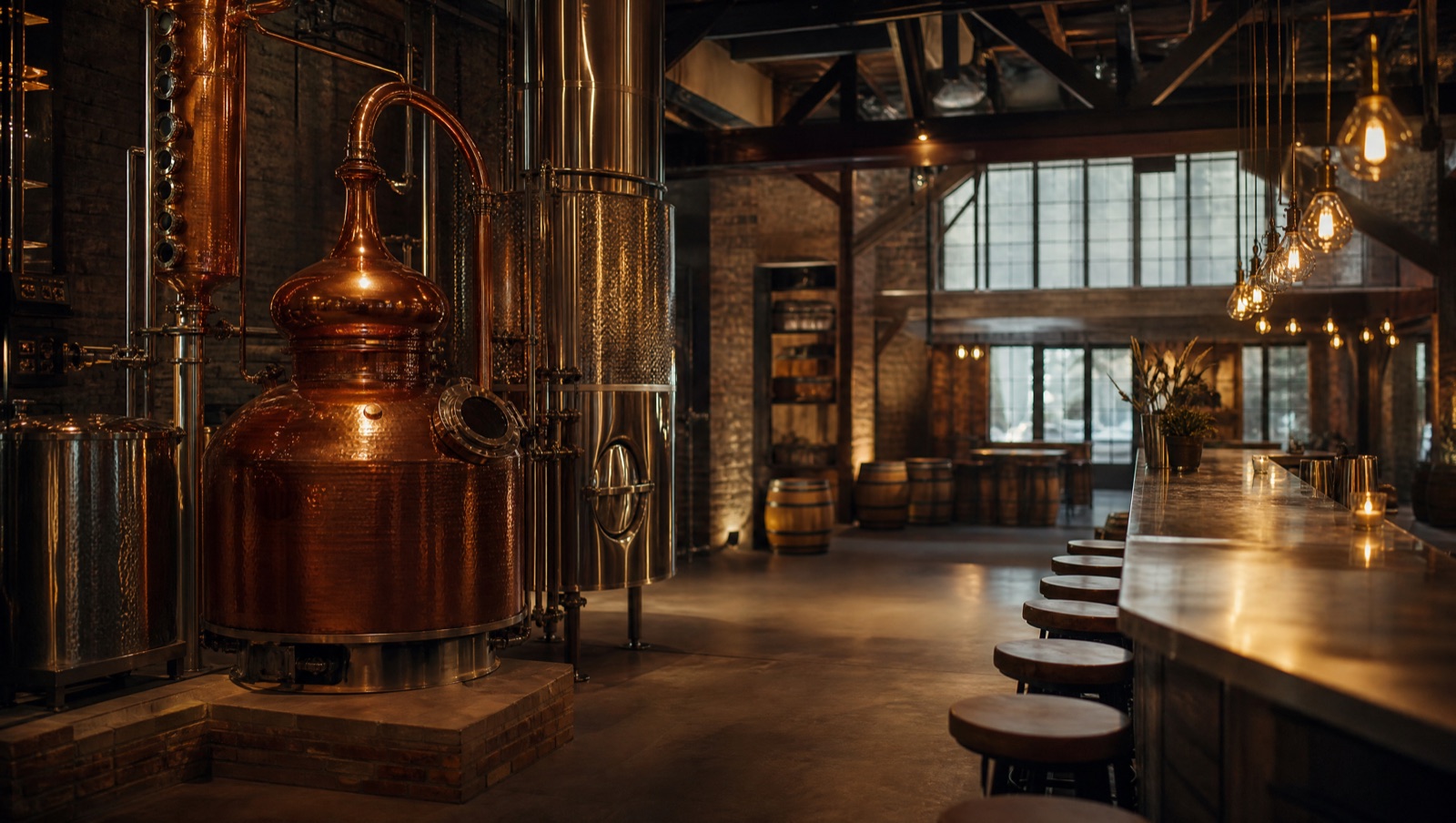
Tours here tend to be hands-on and unhurried. Most walk you through mashing, fermentation, distillation, the barrel room and bottling, ending with a guided tasting, and many sit within striking distance of wine country or spectacular coastline.
What to expect on a tour
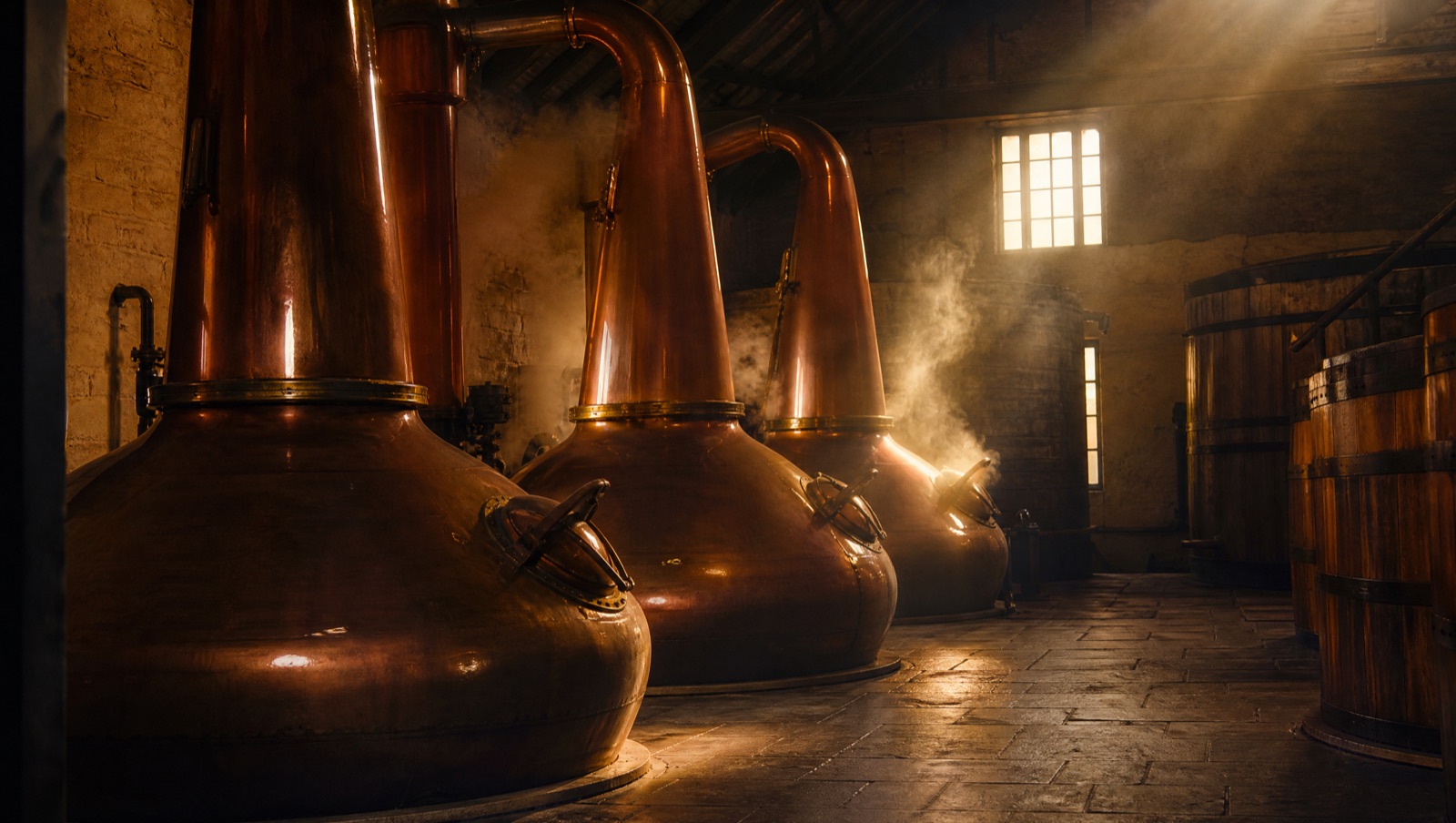
Canadian distillery tours are generally relaxed and educational rather than rushed. A typical guided visit traces the full journey of the spirit, from milling and mashing the grain through fermentation, distillation in copper stills, ageing in the barrel room and finally bottling, with a guide explaining the choices behind each step. At grain-to-bottle producers such as CIRKA in Montreal, you will hear how local cereals and botanicals become whisky, gin and vodka under one roof; on Vancouver Island, Shelter Point shows grain it grows on its own farmland.
Nearly every tour finishes with a tasting, usually a flight of three or so spirits, and several distilleries add a cocktail element so you can see how their gin or whisky performs in a glass. Formats vary widely: some are short and casual at around twenty minutes, while small-group tours can run an hour or more. A handful offer premium experiences, including warehouse visits and barrel sampling drawn straight from the cask. Most have on-site shops where you can buy bottles, and several distilleries share a site with a restaurant, bar or inn.
Getting there & around
Canada is vast, so distillery visits cluster by region rather than along a single route. In Ontario's Niagara belt, Forty Creek in Grimsby and Dillon's in Beamsville sit within easy reach of each other and the wider wine country, roughly an hour from Toronto by car, making a pairing with vineyards straightforward. Toronto itself is home to Nickel 9. Montreal's CIRKA is unusually accessible for an urban distillery, about ten minutes from downtown and Old Montreal, walkable from the metro or reachable by a pleasant bike ride along the Lachine Canal.
Out west, Vancouver has Odd Society Spirits and The Liberty Distillery on Granville Island, both reachable without a car, while Shelter Point lies about halfway up Vancouver Island near Campbell River and rewards a road trip with a ferry crossing. The Okanagan Spirits Craft Distillery sits in British Columbia's interior wine valley, best explored by car. In Nova Scotia, Glenora is on Cape Breton Island, a scenic drive that pairs naturally with the Cabot Trail. Because tastings involve alcohol, plan a designated driver, a tour operator, or local transit and walking where the geography allows.
Frequently asked
- Do I need to book a distillery tour in advance?
- It depends on the distillery. Some, such as Dillon's in Beamsville, run guided tours at fixed times on set days and are best booked ahead, while others like Glenora in Nova Scotia have traditionally offered seasonal tours on the hour without an appointment. Premium or private experiences almost always require advance reservation. As a rule, check each distillery's website before you travel and book popular weekend slots early.
- How much do tours and tastings cost?
- Prices vary considerably. A number of Canadian distilleries offer complimentary tours and tastings, while others charge a modest fee that often includes a flight of samples or a cocktail. Premium experiences with warehouse access and barrel sampling cost substantially more. Always confirm the current price and what is included when you book, as offerings change seasonally.
- How many distilleries can I realistically visit in a day?
- Within a tight cluster like Ontario's Niagara belt or central Vancouver, two or three in a day is comfortable. Across longer distances, such as the Okanagan or Vancouver Island, one or two is more realistic once you factor in driving and ferry times. Allow roughly one to two hours per visit, and remember that tastings add up, so pace yourself and arrange transport.
- Can I drive between distilleries if I am tasting?
- You should never drive after tasting. Canada enforces drink-driving laws strictly. Plan a designated non-drinking driver, use a guided tour with transport, or choose walkable, transit-friendly clusters such as Vancouver's Granville Island or Montreal's CIRKA. Many distilleries will happily let a driver skip the tasting or take samples to go where local rules permit.
- Are distillery tours suitable for children and families?
- Families are often welcome on the tour itself, since the production walkthrough is educational and engaging, though only those of legal drinking age may take part in tastings. Policies differ by province and venue, and some distilleries share a site with a restaurant or inn that suits a family outing. Check ahead, as a few experiences are aimed at adults only.
- When is the best time to visit Canadian distilleries?
- Late spring through autumn is the most reliable window, particularly for rural and seasonal sites such as Glenora on Cape Breton, where guided tours have traditionally run from roughly mid-May to late October. Urban distilleries in Vancouver, Toronto and Montreal generally welcome visitors year-round. Autumn pairs especially well with Niagara and Okanagan wine country, and some distilleries host special whisky weekends in September.
- Are the distilleries accessible for visitors with mobility needs?
- Accessibility varies by building. Modern urban distilleries and purpose-built visitor centres tend to be the most accessible, whereas older or working farm sites may include stairs, uneven floors or warehouse areas. If you have specific access requirements, contact the distillery directly before your visit so they can advise on the route and arrange any accommodations.